What were Japanese Spitz bred for?
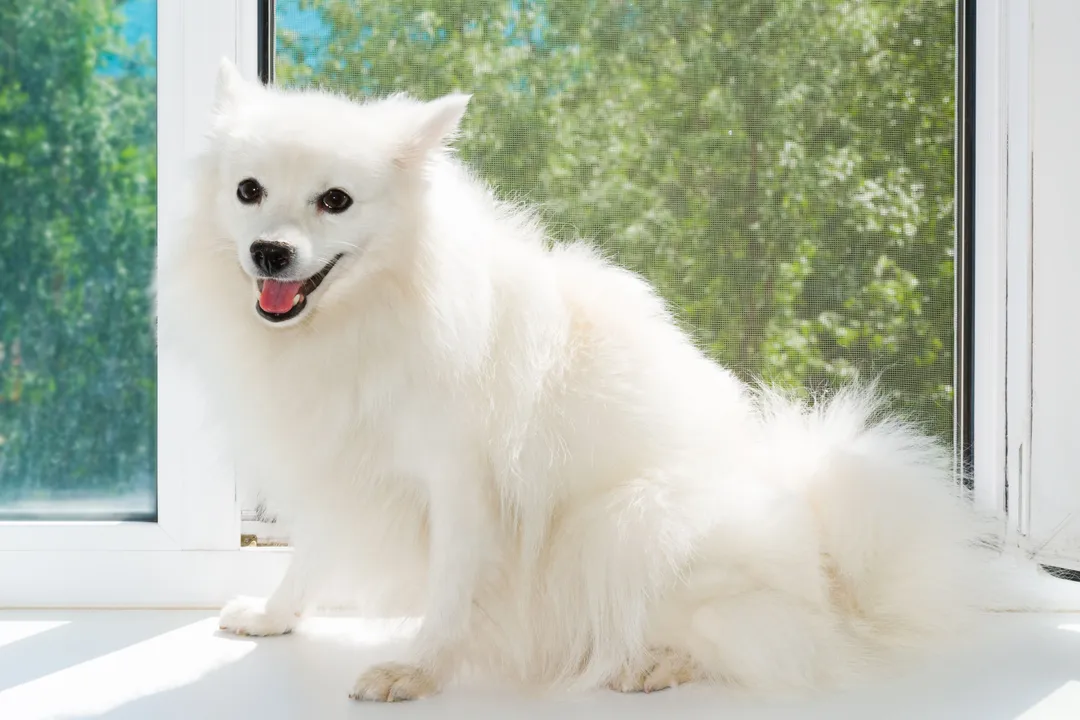
The Japanese Spitz is instantly recognizable by its brilliant white coat, fox-like expression, and plume of a tail carried over its back, giving it an almost ethereal appearance. While their current role is overwhelmingly that of a beloved household companion, understanding what they were bred for requires looking back at the confluence of several older Northern breeds and the specific needs of a developing nation in the early 20th century. They were not primarily developed for guarding, herding, or heavy sledding, which often characterizes their ancestral Spitz-type cousins, but rather as a distinct, smaller, purely companionable animal. This distinction makes their development story quite specific within the broader Spitz category.
# Spitz Lineage

The foundation stock for the Japanese Spitz came from larger Spitz-type dogs that migrated to Japan, most likely from Siberia, Northern China, or perhaps through Europe via other trading routes. These initial dogs, which bore resemblance to breeds like the large white Samoyed or the various German Spitz types, were rugged, utilitarian animals designed for harsh climates and demanding work. They possessed the thick double coat, erect ears, and curled tail that define the Spitz family structure—traits essential for survival in cold environments and for signaling over distances.
The Samoyed, for instance, was bred for herding reindeer and pulling sleds, requiring immense stamina and a coat that could withstand sub-zero temperatures. Similarly, the German Spitz, which served as a progenitor, existed in various sizes and was traditionally used as a watchdog or farm dog, known for its alertness and tendency to bark.
When these sturdy, working dogs arrived in Japan, they provided the raw genetic material for something entirely new. The breeding efforts that followed aimed to selectively miniaturize and refine these physical characteristics while drastically altering the temperament profile away from independent utility towards intense human sociability. This transition from a working dog base to a dedicated companion dog is a common narrative in many modern breed developments, yet the Japanese Spitz stands out for its relatively swift transition and aesthetic refinement.
# Intentional Design
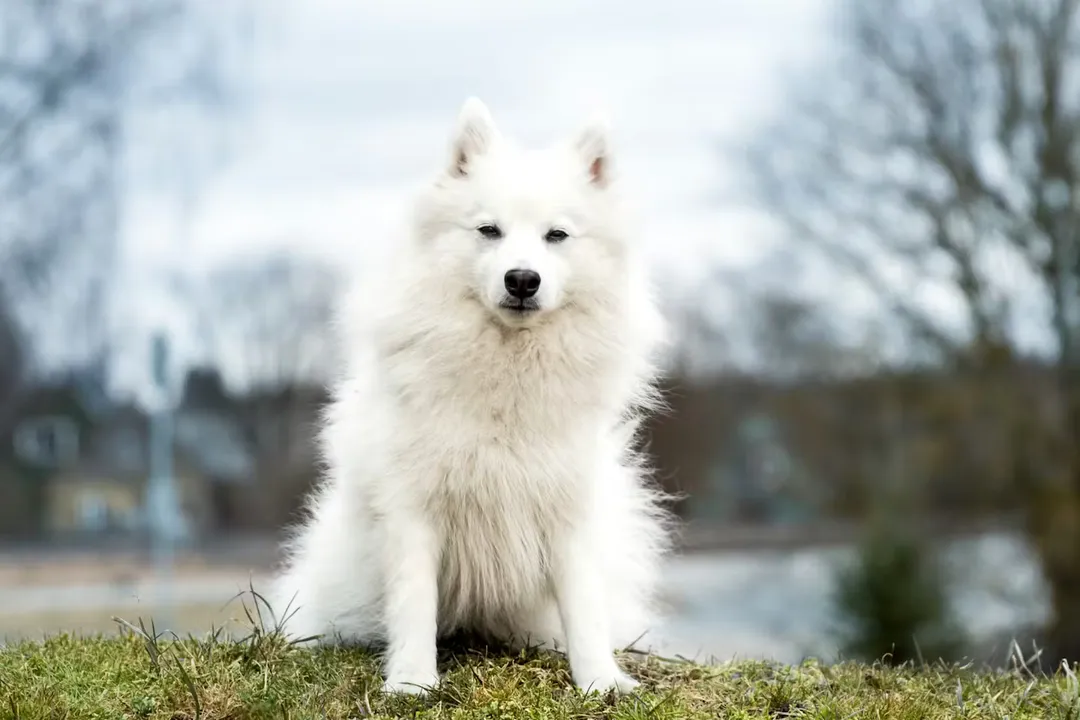
The Japanese Spitz was developed during the 1920s and 1930s in Japan, with enthusiasts aiming to create a specific aesthetic ideal. The goal was essentially to create a perfect, beautiful family pet that maintained the charm of its larger ancestors but was perfectly scaled for a more modern, less agrarian lifestyle. They were bred to be a medium-sized dog, large enough to be substantial but small enough to live comfortably in urban or suburban settings, a significant contrast to the rugged environment their ancestors endured.
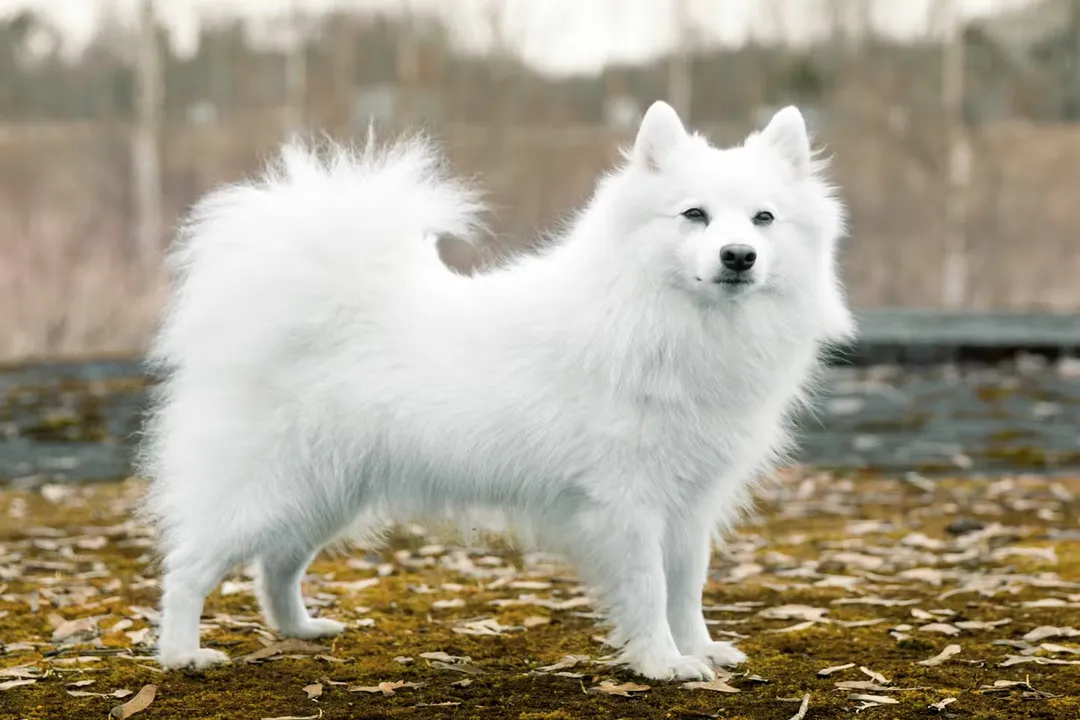
The most striking feature, the pure white coat, was highly prized and deliberately selected for. While the thick double coat itself is an inheritance from the cold-weather dogs, the absolute purity of the white color was a key marker of the breed standard being established. This required meticulous breeding to eliminate any ticking, shading, or creaminess that might appear, ensuring the desired, snow-like appearance year-round.
The structure was also refined for visual appeal. The Spitz head shape, with its dark, intelligent eyes and small, erect triangular ears, was preserved to give the dog an alert and intelligent look, critical for a companion animal meant to interact closely with its family. Even the tail, which curls tightly over the back, is a hallmark of the type, but in the Japanese Spitz, it needed to be richly plumed, adding to its overall elegant presentation.

# Temperament Mandate
If the physical structure was selected for beauty, the temperament was selected for flawless domestic partnership. The dogs were bred to be exceptionally good-natured, gentle, and outgoing companions. This focus meant actively screening against the more independent, sometimes aloof, or overly vocal tendencies that might be present in their German or Siberian forebears.
The resulting temperament profile emphasizes high intelligence combined with a deep desire to please their owners. This combination made them highly trainable for basic obedience and household rules, cementing their role as ideal house dogs rather than outdoor working dogs. They thrive on human company and are often described as being highly devoted to their families.
Considering the historical context of their development—a period in Japan where living spaces were becoming more condensed—breeding for high sociability and low aggression towards familiar people was paramount. They needed to integrate smoothly into busy family life, functioning as an engaging presence without the territorial aggression sometimes found in smaller terrier-like dogs or the excessive independence of utility breeds.
# Analyzing Coat Maintenance Versus Function

It is fascinating to consider the functional implications of selecting for such a dense, pure white, high-maintenance coat in a breed intended for close companionship. While the ancestors needed this coat for insulation against extreme cold, the modern Japanese Spitz, primarily existing indoors, requires significant grooming efforts to maintain that intended aesthetic. The double coat sheds heavily seasonally, demanding consistent attention from the owner to prevent matting and keep the pristine white color bright. This creates an interesting tension: the trait selected for beauty and heritage is arguably the most demanding aspect of their modern ownership. An owner needs to dedicate substantial time to brushing, perhaps weekly, just to keep the dog comfortable and looking as it was originally intended to appear. This suggests that the breeders prioritized the visual standard so highly that they implicitly selected for a dog that demands a high level of owner commitment to appearance upkeep, even if the practical, climate-based necessity for the coat is gone.

# Breeding Timeline Versus Established Utility
The time frame of the Japanese Spitz's establishment, primarily post-1920, also offers insight into its purpose. Many of the most ancient dog breeds were defined by centuries of practical application—herding sheep, guarding specific properties, or assisting in the hunt. The Japanese Spitz, however, was developed in a relatively short, concentrated period, suggesting a more artificial selection process driven by aesthetics and a specific social niche rather than gradual adaptation to a working role. This fast-track development for companionship meant that behavioral traits were engineered more quickly than a trait tied to centuries of survival in the wild. They were bred for the modern concept of a pet before the concept of the modern pet was fully established across all dog types. A comparison of their history against breeds like the Border Collie, whose traits are inextricably linked to the specific demands of sheep herding over hundreds of years, highlights that the Spitz's purpose was immediate human enjoyment and decorative appeal.
# Modern Role Confirmation
Today, the Japanese Spitz is almost universally recognized as a non-sporting or companion breed. Their suitability as family pets stems directly from the traits they were bred to possess: they are generally playful, affectionate, and form strong bonds. They are known to be good with children when properly socialized, reflecting the goal of creating a true family member.
However, an inherited trait from their Spitz lineage is their tendency toward alertness and vocalization. While they weren't explicitly bred as primary guard dogs, their tendency to bark at strangers or unusual sights means they make excellent alarm systems. This barking tendency is a residual characteristic that owners must manage, as it contrasts slightly with the expectation of a completely quiet companion animal, yet it is a direct echo of the watchdog utility found in the German Spitz ancestry.
In summary, the Japanese Spitz was bred with a singular, focused intent: to create a visually striking, white, fluffy dog with the charming and devoted temperament necessary to thrive as a primary companion in a family setting. They represent a deliberate refinement of hardy Spitz ancestors into an archetype of canine elegance and domestic affection.
Related Questions
#Citations
Japanese Spitz - Dog Breed Information - American Kennel Club
Japanese Spitz: Dog Breed Characteristics & Care - The Spruce Pets
Let's talk Japanese Spitz Dogs - Royal Canin
Japanese Spitz - PDSA
Japanese Spitz Facts - Wisdom Panel™ Dog Breeds
Japanese Spitz Dog Breed Guide - BorrowMyDoggy
Japanese Spitz | Breeds A to Z - The Kennel Club
Japanese Spitz - The Bernese Mountain dog Breed
Breed Standards : Japanese Spitz | United Kennel Club (UKC)