How rare is a Japanese Spitz?

The Japanese Spitz, with its cloud-like pure white coat and perpetually cheerful expression, certainly cuts a distinctive figure in any dog park or neighborhood stroll. Yet, despite their undeniable charm and suitability as apartment companions, the question of how frequently you might encounter one is met with a consistent answer: they are quite scarce, particularly in North America. This perceived rarity isn't a matter of an ancient, dwindling bloodline; rather, it stems from a unique combination of modern kennel club politics, sourcing challenges, and the high commitment required to acquire one responsibly.
# Breed Origins

To understand the Japanese Spitz, one must look back to their creation in the early 20th century. They are a relatively new breed, taking shape in Japan during the 1920s and 1930s. Breeders sought to refine a small, fluffy, white companion dog by crossbreeding various imported Spitz-type dogs, likely including the white German Spitz, the Keeshond (also known as the klein wolfsspitz), and other miscellaneous white Spitz varieties brought over from places like China, Canada, and the United States. This careful cross-pollination aimed to produce a dog with a favorable temperament and specific aesthetic traits.
What makes their history slightly opaque is that the detailed breeding records compiled during this development period were unfortunately destroyed during the upheaval of World War II. The breed as we know it was standardized afterward, gaining recognition from the Japan Kennel Club. From Japan, they began their spread, reaching Sweden in the early 1950s, followed by England, where The Kennel Club recognized them in 1977.
# Global Standing

While they enjoy recognition from most major international kennel clubs, including the Fédération Cynologique Internationale (FCI), the Canadian Kennel Club (CKC), and the UK Kennel Club, their popularity is not uniformly distributed across the globe. In many parts of the English-speaking world, they are established members of the companion or non-sporting groups. This global acceptance suggests they are not a struggling breed overall, but their presence in specific regions, like the US, remains decidedly niche. In Australia, for instance, they were only introduced in 1979 and remain a relatively rare sight.

# North American Rarity
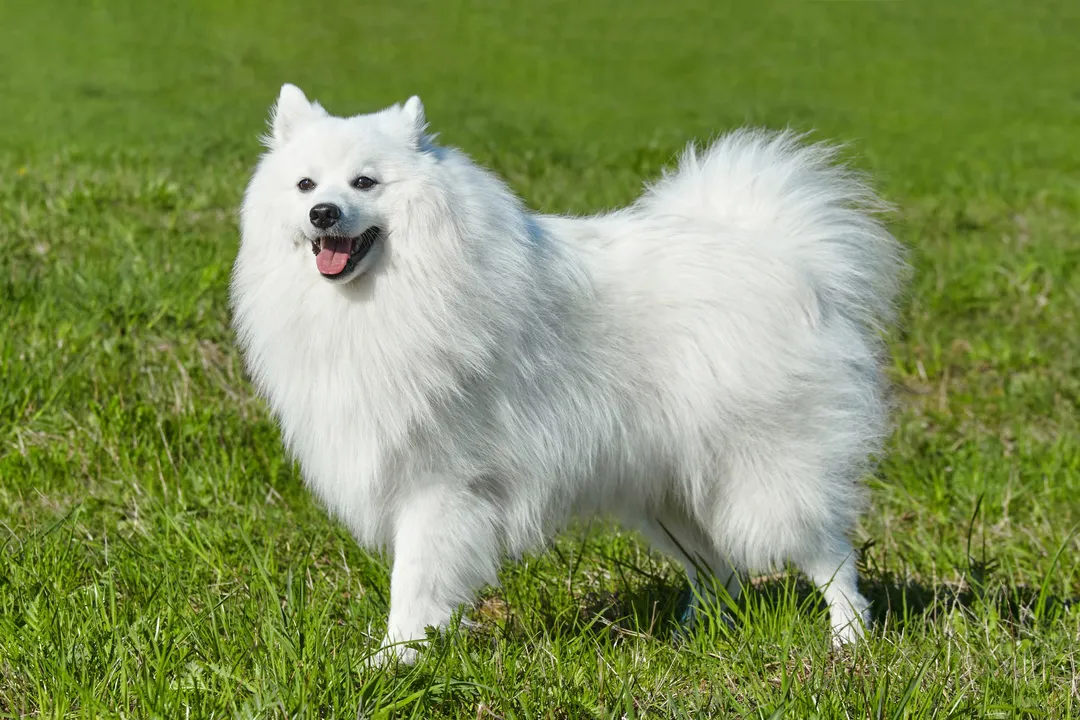
The primary driver for the Japanese Spitz being considered rare in the United States relates directly to its standing with the American Kennel Club (AKC). As of 2019, the breed was added to the AKC’s Foundation Stock Service (FSS). This designation is the initial step toward full recognition, meaning the breed is not yet fully recognized by the AKC for competitive conformation shows. This regulatory status is significant because it often means fewer registered litters, less widespread public awareness compared to fully ranked breeds, and a supply pool heavily reliant on dedicated, specialized breeders rather than large-scale operations. Anecdotal conversations among enthusiasts often point out that they are similar to the American Eskimo Dog, which the AKC does fully recognize, which may have complicated the path to full acceptance due to perceived overlap.
# Acquisition Challenges

This scarcity translates directly into challenges for prospective owners seeking a puppy from a reputable source. In North America, finding one can mean facing considerable wait times. Owners seeking this breed should be prepared for an investment, with prices commonly starting at $$1,000$2,500$ or more, depending on the lineage and breeder reputation. The high cost and the necessity of getting on a waiting list underscore the limited availability of puppies from breeders who adhere to high health and temperament standards. Furthermore, while occasionally an adult may end up in rescue, this avenue is uncommon given the breed’s dedicated following.
For someone living in a place like Manila, the situation might present a different dimension of rarity compared to the US, where the breed exists but remains outside the most visible mainstream registry.
# Coat Care Reality
The Japanese Spitz is instantly recognizable by its pristine, pure white, double coat. The outer coat stands off the dense, soft undercoat, giving the dog a fluffy, cloud-like appearance, further enhanced by a mane around the neck. For many potential owners, the color white immediately signals high-maintenance grooming, perhaps deterring more casual inquirers and unintentionally reinforcing the breed's rarity among the general public.
However, this is where the breed offers a pleasant surprise that is often overlooked. Unlike many white-coated breeds, the Japanese Spitz’s fur has a unique, non-stick texture, sometimes likened to Teflon. This quality means that dirt and mud often do not adhere well; once dry, debris can usually be brushed right out. While grooming is still essential—weekly brushing keeps mats at bay—the dog will likely keep itself quite clean, even licking itself like a cat. The significant grooming commitment only arises twice a year when the dog experiences its seasonal "coat blow," where the entire undercoat sheds over a few weeks, necessitating daily, intensive brushing during that short period. This unexpected ease of general coat maintenance, contrasted with the visual expectation set by their stark white coloring, likely keeps a certain segment of interested parties from pursuing the breed, indirectly contributing to its relatively low numbers in the wider population.
# Owner Dedication
These dogs are bred first and foremost to be companions; they thrive on human contact and want to be an active part of the family unit. They are intelligent and eager to please, making them responsive to training, but they are also known for their spirited, sometimes independent, nature. While some descriptions emphasize their eagerness to please, anecdotal accounts from owners suggest that their intelligence sometimes manifests as stubbornness; they are smart enough to learn quickly but may only comply with a command when motivated or interested.
Because they bond so strongly, the breed does not fare well when left alone for extended durations and can be prone to separation anxiety, which may lead to excessive or loud barking. This necessitates an environment where they receive consistent interaction, which is often why they are recommended for retirees or those who work from home. Furthermore, while they are alert watchdogs, their bark can be surprisingly loud for their size. A prospective owner must be ready for a dog that demands inclusion and can be vocal, rather than a quiet observer. This demand for constant companionship filters out many potential owners whose lifestyles involve long, solitary workdays, keeping the available pool of new homes smaller than breeds more suited to independence. Successfully integrating one requires accepting that their loyalty demands reciprocity in time and attention, a commitment that a lesser-prepared owner might find taxing.

# Temperament Nuances
Their sociability is another area where breed standards and real-life experience provide helpful contrast. While generally good with children and other pets when socialized early, their natural inclination is to be watchful and reserved around strangers. This protective nature makes them good watchdogs, but requires early and consistent exposure to new people and environments to ensure they grow into confident, well-adjusted adults rather than overly shy or nervous companions. They do not generally tolerate being babied; allowing them to walk and experience the world on their own feet is crucial for developing that necessary confidence.
The physical traits that make them appealing—the plumed tail, the fox-like muzzle, the prick ears that move like radar—all contribute to their alert and engaging personality. They are active and enjoy excursions, though their exercise needs are moderate, often satisfied with 30 to 60 minutes of activity daily. They adapt well to apartments, provided they get that essential daily engagement outside the home.
In summary, the Japanese Spitz is rare not because it is an inherently delicate or undesirable breed—far from it, as they are universally described as loyal, smart, and fun-loving companions. Its scarcity in places like the US is rooted in its classification status, the resulting high acquisition cost, and the specific lifestyle requirements (constant companionship and weather management due to the thick coat) that naturally limit the number of households prepared to welcome one. The rarity exists on the supply side, driven by the discerning nature of dedicated breeders and the selective nature of prospective owners who value their unique, devoted company above all else.
Related Questions
#Citations
Japanese Spitz: Dog Breed Characteristics & Care - The Spruce Pets
[Breeds] I'm thinking of getting a Japanese Spitz : r/dogs - Reddit
Japanese Spitz - Wikipedia
Japanese Spitz - Dog Breed Information - American Kennel Club
Japanese Spitz - Vetwest Veterinary Clinics
Japanese Spitz - Animalia Pet Insurance
Japanese Spitz Dog Breed Health and Care - PetMD
Introduction to Breeds – Japanese Spitz - Kohepets