What are the characteristics of an anole?
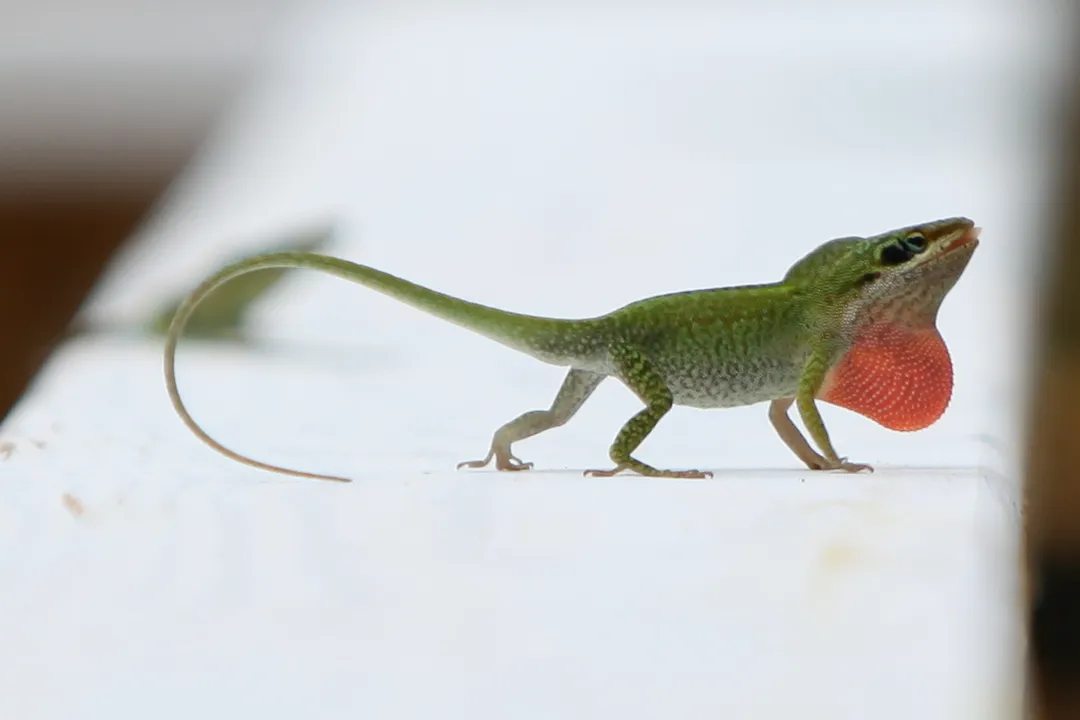
The anole, particularly the common Anolis carolinensis, presents a fascinating study in adaptation, often seen scurrying through the greenery of the Southeastern United States. [3][6][9] These small, slender reptiles are instantly recognizable by their pointed snouts and their remarkable agility, traits that define their place in the warm, humid environments they inhabit. [2][4][7] They are true lizards, belonging to the Dactyloidae family, and while many people associate them with chameleons due to their color-changing ability, they are distinct species with their own set of fascinating characteristics. [4][7] Understanding what makes an anole tick involves looking closely at its physical structure, its dynamic skin, and its spirited social interactions. [1]
# Body Structure
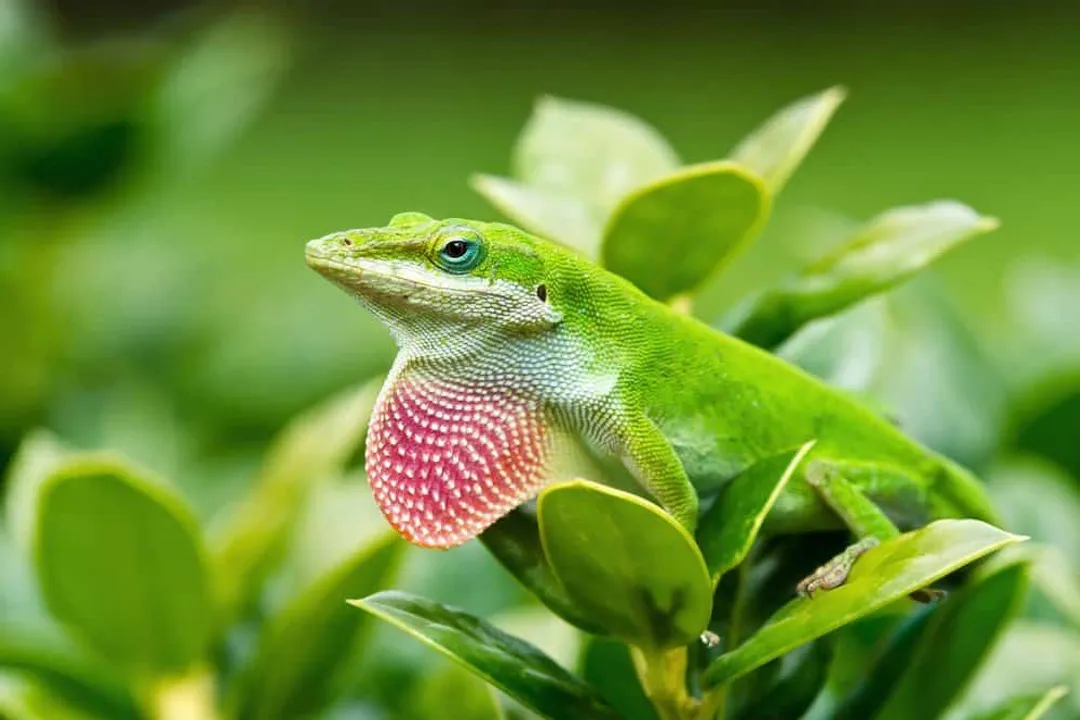
The physical makeup of the anole is finely tuned for an arboreal existence. [1][7] Most species of anoles remain relatively small; for instance, the green anole often reaches a total length of about 5 to 8 inches, a measurement that includes the tail. [2][3] Their bodies are generally lean, built for quick bursts of speed across branches and leaves. [4] A key physical adaptation that separates them, and allows them to thrive vertically, is found on their feet. Anoles possess specialized adhesive toe pads. [1] This structure allows them to scale smooth, vertical surfaces like glass or polished wood with surprising ease, a capability sometimes mistakenly attributed only to geckos. [4] This gripping power is essential for an animal that spends most of its life off the ground, navigating the canopy of trees and shrubs where they primarily reside. [1][3][7]
It is worth noting the noticeable size difference and physical adornments between the sexes. Males often possess a highly visible, specialized flap of skin extending from their throat known as a dewlap. [1][3][4] This feature is less pronounced or entirely absent in the females, creating an easily observable difference for anyone observing a group in the wild or in a vivarium setting. While the body shape speaks to an active, climbing lifestyle, the specialized toe pads represent an evolutionary commitment to clinging, suggesting that while they can move on the ground, their true mastery lies on flat, vertical planes.
# Color Shift
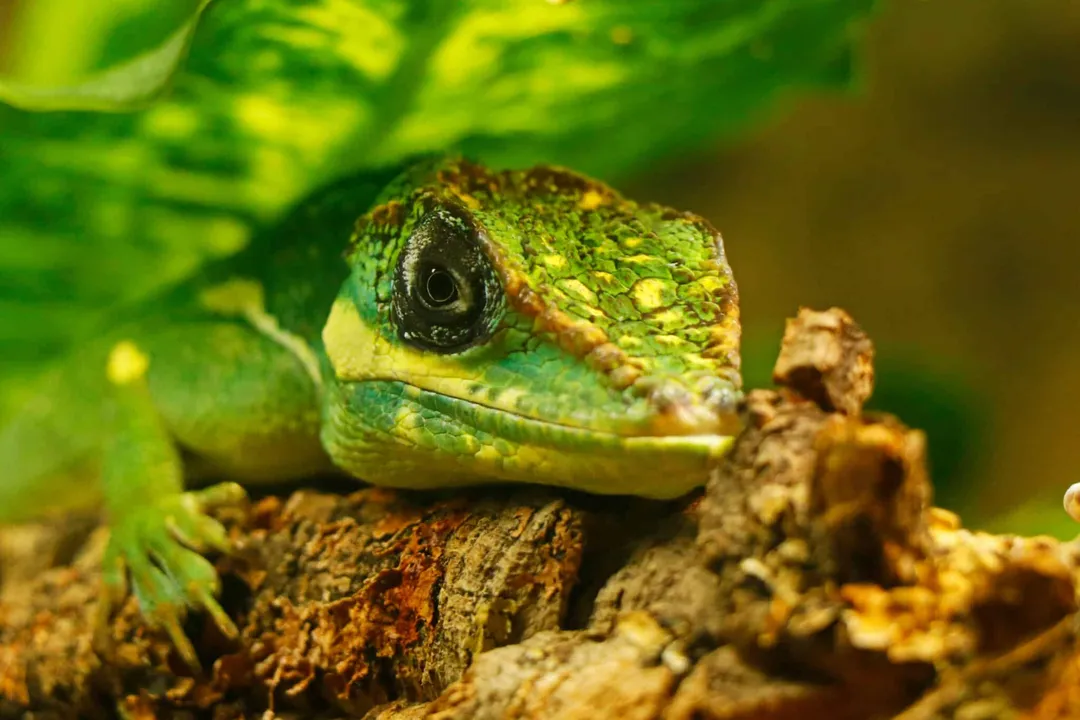
Perhaps the most famous characteristic of the green anole is its ability to change color, earning it the nickname "American Chameleon," although it is not closely related to true chameleons. [6][9] Anoles can transition between shades of bright green and brown or gray. [1][3][6] This color change is controlled by specialized cells called chromatophores in the skin. [9] While the ability to match the background is a common assumption, the primary drivers for these shifts are often internal or related to immediate environmental stress, rather than purely visual camouflage against the substrate. [1][9]
For example, an anole that is actively displaying aggression or excitement, such as when a male is confronting a rival, will often darken its skin to a brownish hue, irrespective of whether it is sitting on a green leaf or a brown branch. [1] Similarly, changes in temperature play a significant role; a cold anole will typically adopt a darker color to absorb more solar radiation and warm up faster. [9] Conversely, a warm, relaxed lizard basking comfortably is more likely to display its vibrant green coloration. [1] Observing a lizard’s activity level—whether it is hunting, defending territory, or simply resting in the sun—often provides a better explanation for its current hue than trying to perfectly match it to the nearest leaf. [1]

# Social Display
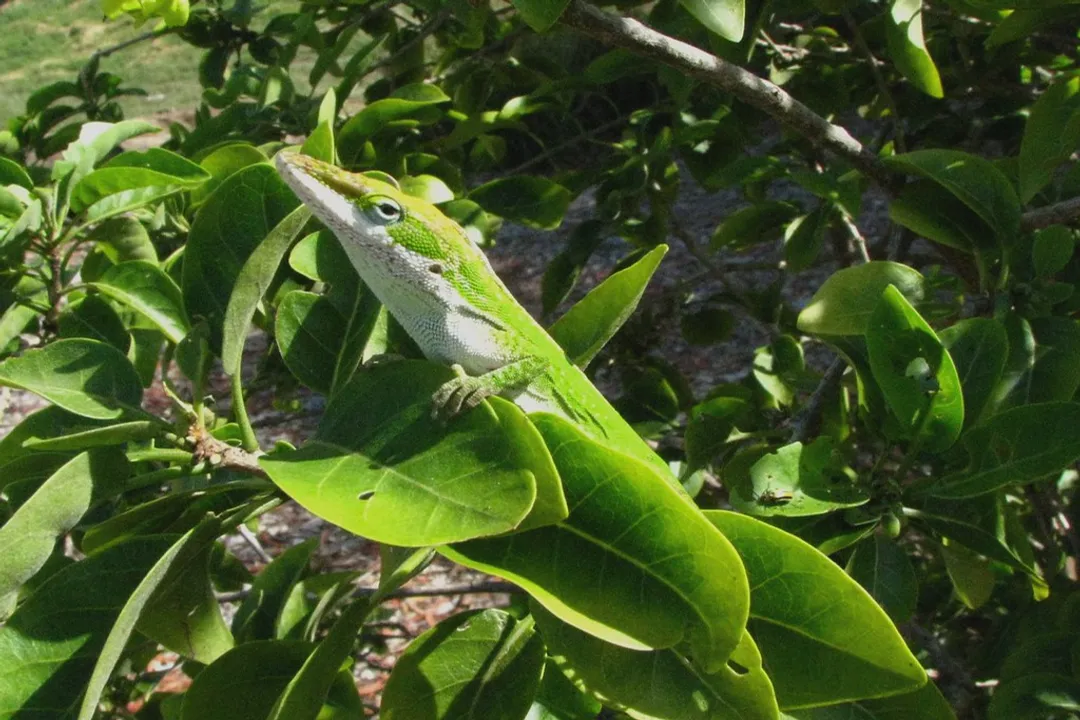
Anole communication relies heavily on visual cues, particularly for establishing social hierarchies and attracting mates. [4] The dewlap, mentioned earlier, is the central tool in this signaling system. [1][3] When a male anole feels threatened, wishes to advertise its presence, or is attempting courtship, it will rapidly extend this brightly colored throat fan. [4] This extension is a clear, rapid signal intended to communicate its status or intent to other anoles in the vicinity. [1]
The extension and retraction of the dewlap are incredibly fast movements, often accompanied by head-bobbing displays. [4] These behaviors are crucial for territorial defense. A dominant male will aggressively display to ward off smaller or unfamiliar males entering its established space. [3] If the display is ignored or met with aggression, the confrontation can escalate. This reliance on dynamic visual signaling highlights an adaptation for life in environments with complex visual backgrounds, like dense foliage, where a sudden movement or flash of color can convey essential social information instantly. [1]
# Ecology Niche
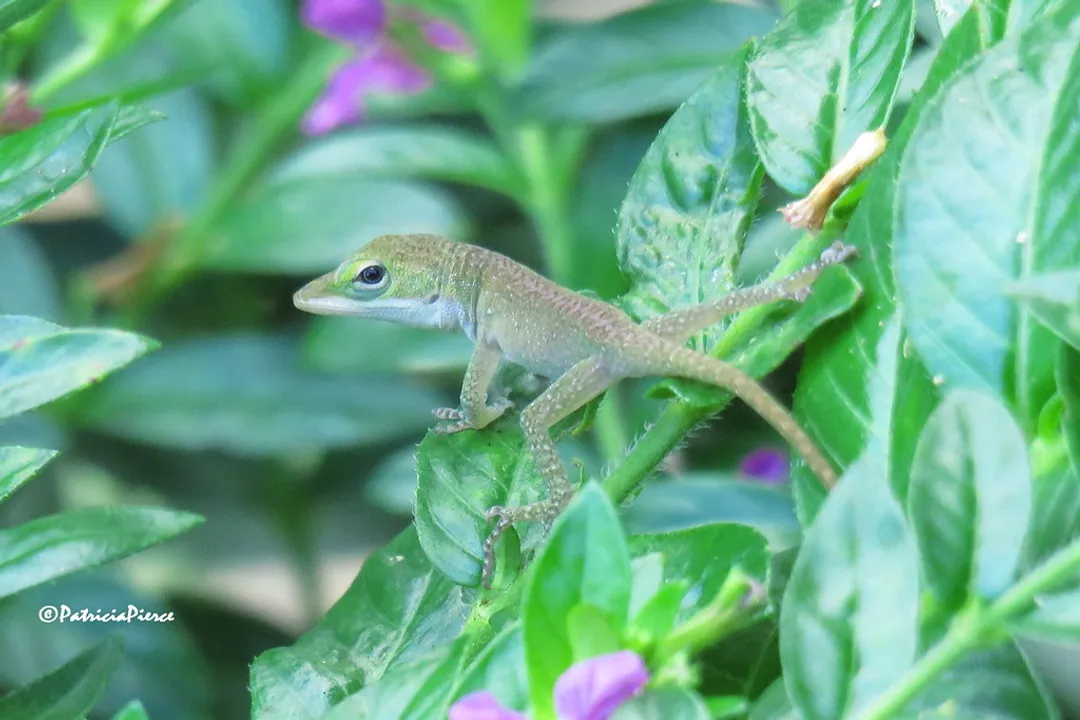
Anoles are primarily diurnal, meaning they are active during the daylight hours. [5] Their feeding habits reflect this active period. They are opportunistic insectivores, consuming a diet consisting mainly of small invertebrates such as spiders and various insects. [1][2][3][5] Their speed and climbing ability allow them to hunt effectively in the three-dimensional space of the forest understory or garden shrubbery. [7]
In terms of geographical distribution, they are common residents across the southeastern part of the United States. [3][6] While they are often found clinging to tree trunks or high up in branches, they utilize various heights within the vegetation. [1][7] This preference for climbing rather than burrowing or spending extensive time on the ground separates their ecological role from many other small reptiles in the same biome. When temperatures drop, especially in northern parts of their range like Tennessee or North Carolina, these reptiles slow down dramatically or seek shelter, as they are ectotherms whose body temperature is dictated by their surroundings. [6] Understanding this reliance on warmth is key to predicting where you might find them active during a warm day versus when they retreat during cooler periods.
#Videos
What Is An Anole? - YouTube
Related Questions
#Citations
Green Anole - Anolis carolinensis - New Hampshire PBS
Anole Lizard Animal Facts - A-Z Animals
Wonders of Wildlife: Green Anole - Alabama Wildlife Federation
Anolis - Wikipedia
Anolis carolinensis (Green anole) - Animal Diversity Web
Green Anole, Anolis carolinensis - TN.gov
Anole | Tree-dwelling, Caribbean, Reptile | Britannica
Green Anole - NC Wildlife
What Is An Anole? - YouTube