What are the characteristics of a sable weasel?

The sable, a mammal celebrated for its exceptionally fine pelt, belongs to the family Mustelidae, placing it in the same taxonomic neighborhood as weasels, martens, otters, and badgers. [1][3] Though commonly referred to simply as the sable, this creature is scientifically known as Martes zibellina when discussing the widely recognized Eurasian species, which shares many traits with its close relative, the European marten. [2] Its sleek build and adaptability have allowed it to thrive across vast swathes of Asia’s northern forests, making it an iconic inhabitant of regions like Siberia. [1][5]
# Species Lineage
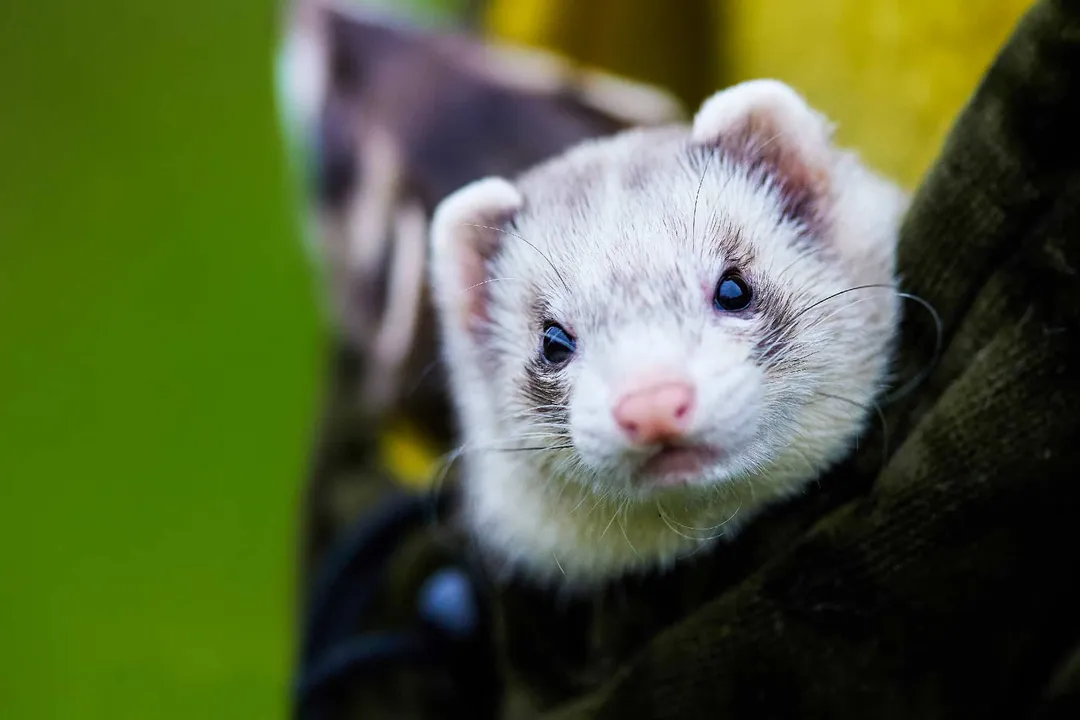
Sables are members of the genus Martes. [1] This grouping immediately suggests a body plan optimized for agility and pursuit, typical of smaller carnivores that navigate dense undergrowth or tree canopies. [2] While often conflated with other marten species, the distinct characteristics, particularly regarding its fur quality and specific geographic distribution, set the sable apart. [3] For instance, the Japanese sable, sometimes noted separately, shares this general morphology but exists in a different ecological niche. [8] Understanding its place among the mustelids helps frame its expected behaviors—solitary living, a strong reliance on scent marking, and an entirely carnivorous or omnivorous diet based on local availability. [2][5]
# Body Structure
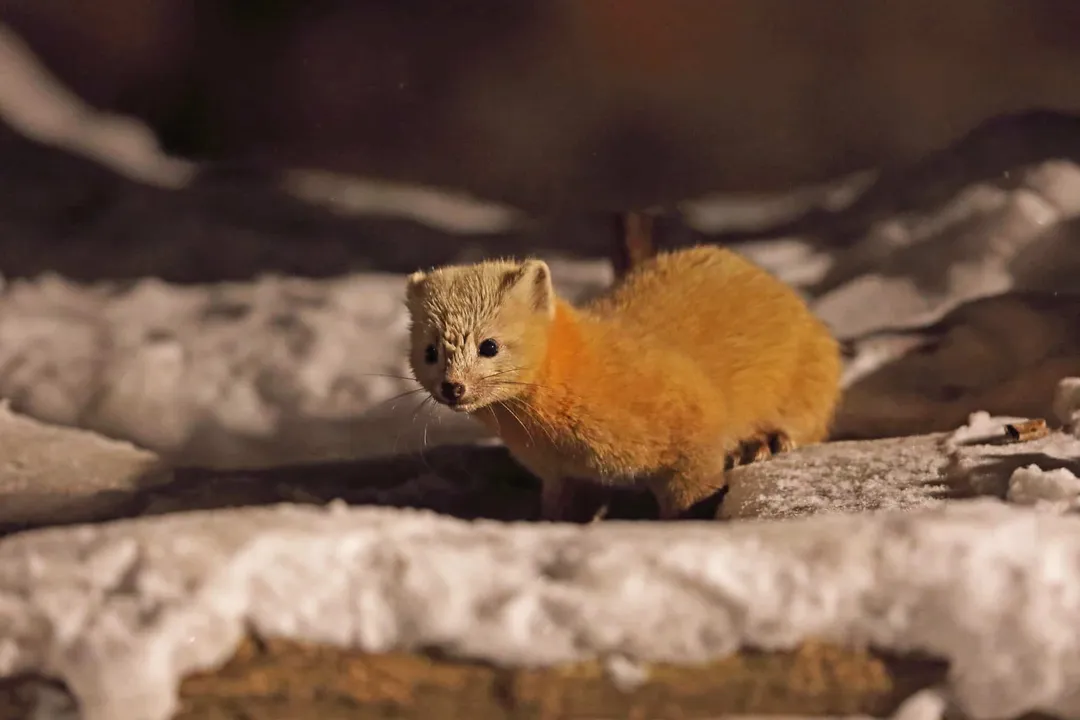
Physically, the sable is characterized by a relatively small, slender body that allows it to move with remarkable stealth and speed. [2] Adults typically measure between 40 to 50 centimeters in body length, with an additional 18 to 23 centimeters contributed by the bushy tail. [1][2] Weight is comparatively light, usually falling between 0.9 to 1.6 kilograms, though males are generally larger than females. [2] They possess small, rounded ears and dark, conspicuous eyes, features that aid in navigating their often dimly lit forest environments. [3] Their limbs are short yet muscular, providing the necessary power for climbing and short bursts of terrestrial speed. [2] The overall impression is one of fluid movement, essential for an animal that must secure small, fast-moving prey. [3]

# Fur Quality
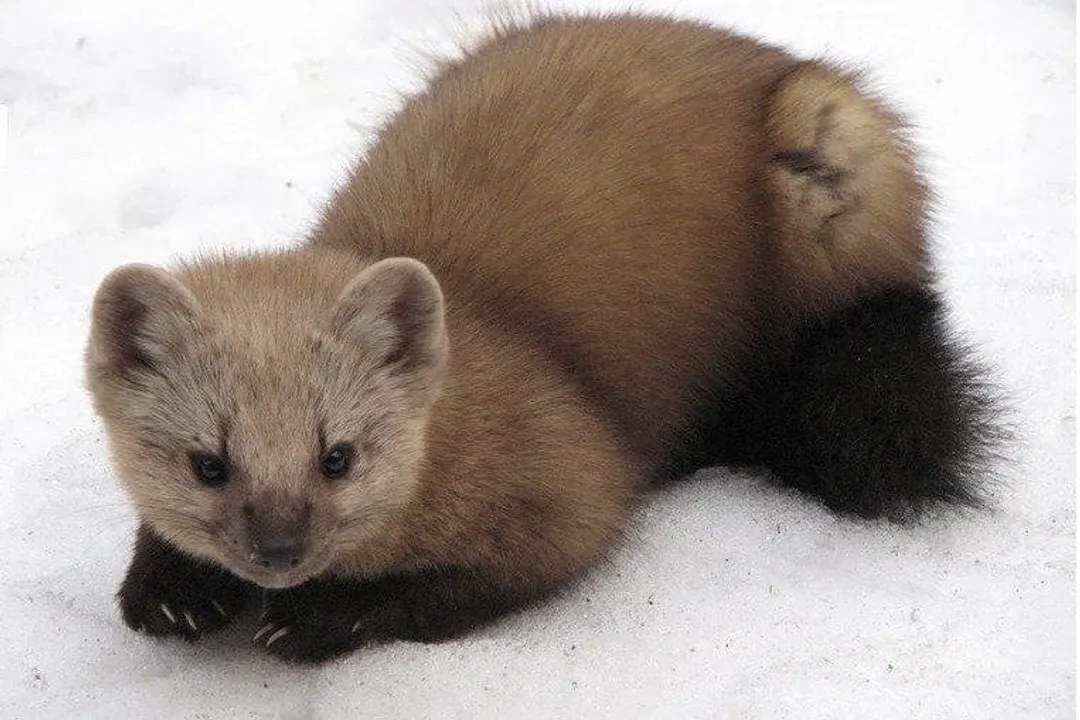
Perhaps the most defining characteristic of the sable, and the reason for its historical significance, is its coat. [5] The fur is dense, soft, and highly valued, acting as superior insulation against severe cold. [1][3] Coloration varies significantly depending on the geographic origin and the time of year; generally, the fur is dark brown, though some individuals exhibit lighter brown or even black coats. [1][2]
The seasonal difference in the pelt is pronounced. During the winter, the coat becomes noticeably thicker, longer, and darker, providing maximum warmth. [1][3] Conversely, the summer coat is much shorter and lighter in color. [3] This seasonal change is not just aesthetic; it reflects a crucial biological adaptation. Where populations live in the deep, prolonged cold of Siberia, the fur density reaches its peak desirability. [5] Considering the environmental pressures, it is interesting to note that while the dark, thick coat is prized by traders, the variability in color across its range reflects a localized adaptation, where a slightly lighter or less dense coat might be adequate, or even advantageous, in the more moderate margins of its Asian habitat. [1] This inherent variation means that not all sable pelts carry the same commercial or insulating value; one must look closely at the geographic origin to truly assess the density and darkness. [5]
# Habitat Range

Sables are primarily creatures of the forest. [1] Their distribution stretches across the vast expanse of northern Asia, historically including significant populations throughout Siberia. [1][3] They show a marked preference for the dense cover provided by coniferous or mixed woodlands. [1] These forested areas offer the necessary protection from predators, suitable denning sites—often utilizing tree hollows, abandoned burrows, or rock crevices—and a consistent supply of food. [2] While the Eurasian sable (M. zibellina) dominates the northern Eurasian landscape, related species, like the Japanese sable, inhabit different, though often similarly wooded, regions. [8] Their adaptability allows them to persist in challenging environments, provided there is sufficient tree cover to hunt and hide within. [1]
# Daily Habits
The sable’s daily routine is typically oriented toward the hours when light is low. They are generally considered nocturnal or crepuscular, meaning they are most active during the twilight hours of dawn and dusk. [2] As solitary animals, they spend their time patrolling their territories in search of food. [2] Their diet is opportunistic but heavily skewed toward meat. [3] Small rodents, such as voles and mice, form the staple of their meals. [1][2] However, they are not strictly limited to mammals; they readily consume birds, insects, and occasionally supplement their intake with fruits and berries when available. [2][3][5] Their slender build makes them adept at scrambling through thickets and scaling trees in pursuit of prey or escape. [2] They communicate through scent marking and vocalizations, although they are generally quiet creatures outside of mating or territorial disputes. [2] It is worth observing that in healthy forest ecosystems where they thrive, the sable acts as a natural check on small mammal populations. Their specialized hunting skills help maintain balance, a vital ecological role often overshadowed by their fur trade history. [5]
# Breeding Science
The reproductive cycle of the sable involves a fascinating biological mechanism common to many mustelids: delayed implantation. [1] Although mating typically occurs in the summer, often around July or August, the fertilized egg does not immediately implant in the uterine wall. [1] This delay means that while fertilization happens months earlier, the actual embryonic development and subsequent gestation period are postponed until late winter or early spring. [1] The true gestation period, from implantation to birth, is relatively short, but the overall time from mating to birth can span several months, ensuring the kits are born when food resources are becoming plentiful. [1] Sables usually produce small litters, typically consisting of two to three young, known as kits. [1] These kits are born helpless, blind, and entirely dependent on their mother for warmth and sustenance, remaining hidden in the den for several weeks before venturing out. [1] This cautious reproductive strategy, with small litters and delayed development, is thought to be an adaptation to the harsh, resource-variable northern environments they inhabit. [1]
Related Questions
#Citations
Sable | Color, Fur, & Facts - Britannica
Where can I see the Sable in the wild - Geeky Planet
Sable - Martes zibellina - A-Z Animals
The Sable is a weasel-like carnivore (Martes Zibellina) - Facebook
SABLES: CHARACTERISTICS, FUR, BEHAVIOR, TRAPPING ...
Martes zibellina (sable) | INFORMATION - Animal Diversity Web
Sable – Facts, Size, Habitat, Diet, Lifespan, and Pictures - Animal Spot
This sleek & furry creature is the Japanese Sable. A species ... - Reddit
All About Sable: A Rare and Luxurious Fur - KNIT MAGAZINE