What are the characteristics of a Havapoo dog?
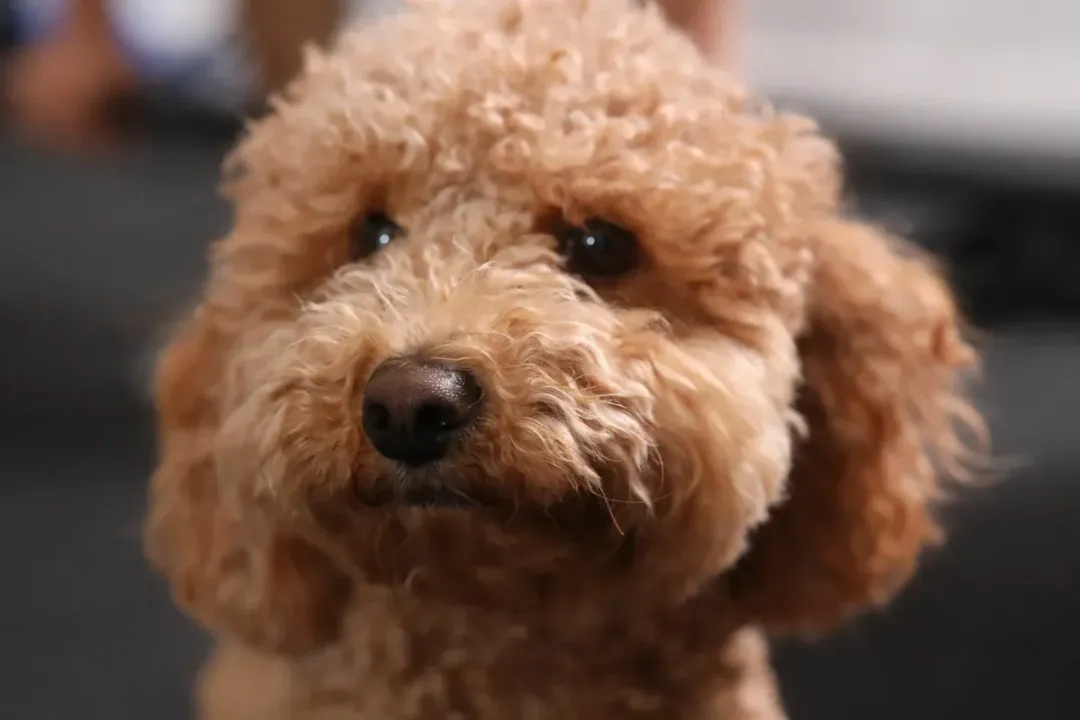
The Havapoo, a delightful crossbreed resulting from mixing a Havanese with a Poodle, has captured the hearts of many potential dog owners looking for a companion blending the best traits of its parentage. [1][3][4][9] As a designer dog, the Havapoo does not have a standardized pedigree recognized by major kennel clubs, meaning their appearance, size, and temperament can show more variation than a purebred dog. [2][6] Understanding the typical characteristics associated with this hybrid is essential for anyone considering bringing one into their home, as it helps set realistic expectations for ownership. [8]
# Physical Traits
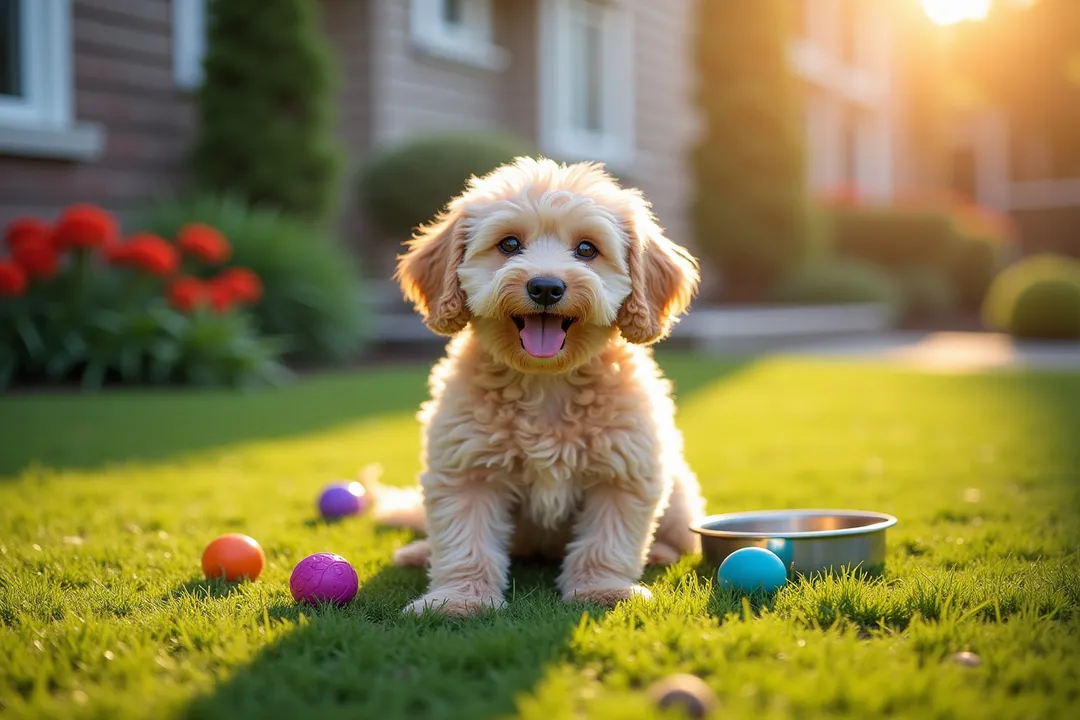
Havapoos are generally considered a small breed, fitting nicely into various living situations, including apartments, provided their exercise needs are met. [1][3] The exact size can fluctuate significantly depending on which parent contributed more dominant genes, particularly regarding the Poodle lineage, which can be either Toy or Miniature. [1][3]
# Size Range
Typically, you can expect a Havapoo to stand between 10 and 15 inches tall at the shoulder. [1][3][4] In terms of weight, they usually fall within the 7 to 15-pound range. [1][3][4] This small stature contributes to their portability and ability to thrive indoors, though it also means they must be handled with care to prevent accidental injury. [2] Owners must understand that a Havapoo bred from a Toy Poodle might consistently be on the smaller end of this spectrum, whereas one with Miniature Poodle heritage might approach the 15-pound mark. [2]
# Appearance Variety
The physical presentation of a Havapoo is often a charming mixture of its parents. [1] They usually possess the drop ears common to both the Havanese and the Poodle, which frame a sweet, often dark-eyed face. [1][9] Their body structure tends to be sturdy for their size, not overly delicate. [6] Many owners appreciate the "teddy bear" look that many Havapoos exhibit, especially when groomed with a rounded face clip. [4]
# Coat Characteristics
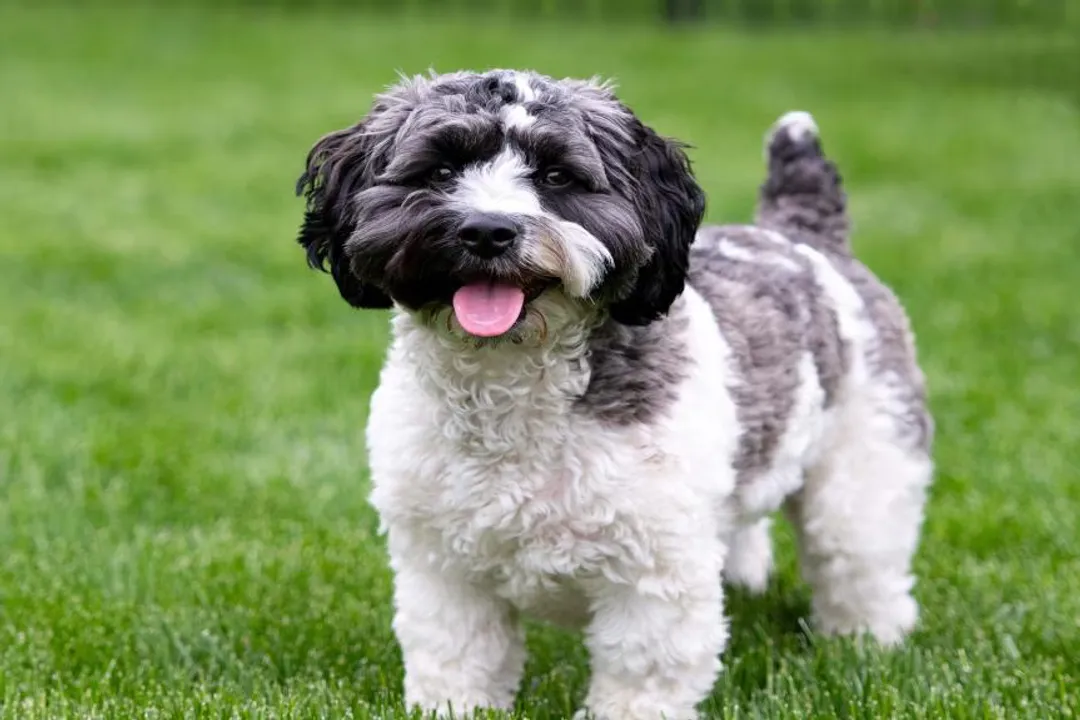
Perhaps the most defining and variable feature of the Havapoo is its coat, which is directly linked to the Poodle's low-shedding genes. [3] Since one parent is a Poodle, there is a high probability that the Havapoo will inherit hypoallergenic qualities, though this is not a guarantee. [1][4]
# Texture and Type
The coat texture is highly unpredictable, ranging from the wavy, flowing hair of the Havanese to the tight curls of the Poodle, or anything in between. [1][3][4]
- Curly Coat: Closely resembling a Poodle, this coat will shed minimally but requires the most intensive grooming to prevent painful matting. [1]
- Wavy Coat: Often considered the easiest to manage, this texture may still shed a little but is generally less prone to tight knotting than the pure curly variety. [3]
- Straight Coat: This texture leans more toward the Havanese side, might shed slightly more, and usually requires consistent brushing to maintain smoothness. [1][4]
It is important for prospective owners to recognize that the coat they get is essentially a genetic roll of the dice. [2] A puppy kept in a long, flowing coat will always require near-daily maintenance, whereas a family that prefers a shorter clip can drastically reduce daily brushing time, though professional trims will remain necessary. [4] If low shedding is the absolute top priority, preparing for the high maintenance of a tightly curled coat is prudent, as a low-shedding, high-maintenance coat is a common outcome. [1]
# Color Palette
Havapoos are available in a wide array of colors, inheriting possibilities from both parent breeds. [4] Common colors include solid shades like white, black, brown, gray, or cream. [1][4] They can also present in parti-colors (patches of two or more distinct colors) or combinations thereof. [9] The exact shade may change as the dog matures; for instance, a black puppy might "clear" or lighten to a silver or blue-gray color over its first few years. [6]
# Personality and Temperament
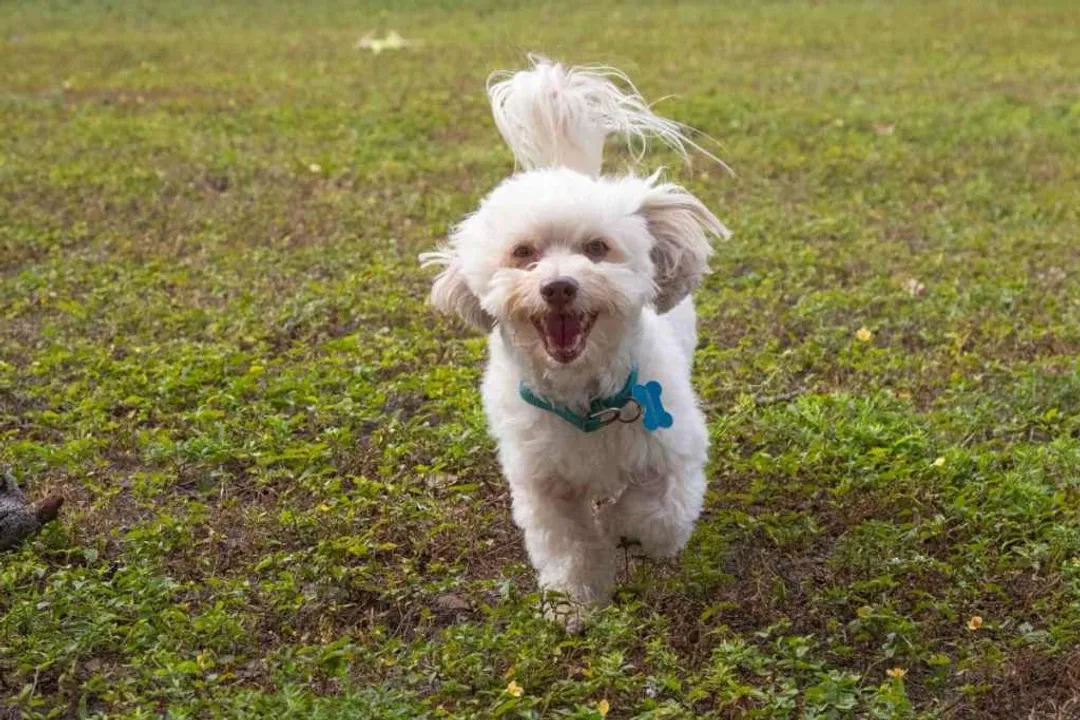
The primary appeal of the Havapoo often lies in its desirable temperament, blending the intelligence of the Poodle with the affectionate, outgoing nature of the Havanese. [3][4] They are generally bred to be loving companions. [8]
# Affectionate Nature
This hybrid is known for being affectionate and deeply attached to its family members. [1][3] They thrive on human companionship and do not do well when isolated for long periods. [4] They often seek physical closeness, frequently content to sit in a lap or remain close to their owners' feet. [3] This strong attachment means they can be prone to developing separation anxiety if not gently taught independence early in life. [8]
# Intelligence and Playfulness
Inheriting high intelligence from the Poodle side, Havapoos are quick learners. [3][4] They also possess a playful, sometimes mischievous streak inherited from the Havanese. [4] This combination makes them entertaining companions that enjoy interactive play. [1] They are generally described as eager to please, which aids in training, though occasional stubbornness can surface, demanding patient and consistent handling. [3]
# Sociability
Havapoos generally make excellent family pets because they usually get along well with children and other pets when properly introduced and socialized. [1][3] However, given their small size, interactions with very young, boisterous children must be supervised to prevent accidental injury to the dog. [2] They tend to be friendly, rather than aloof, with strangers, though they might bark a greeting. [4]
# Learning Ability
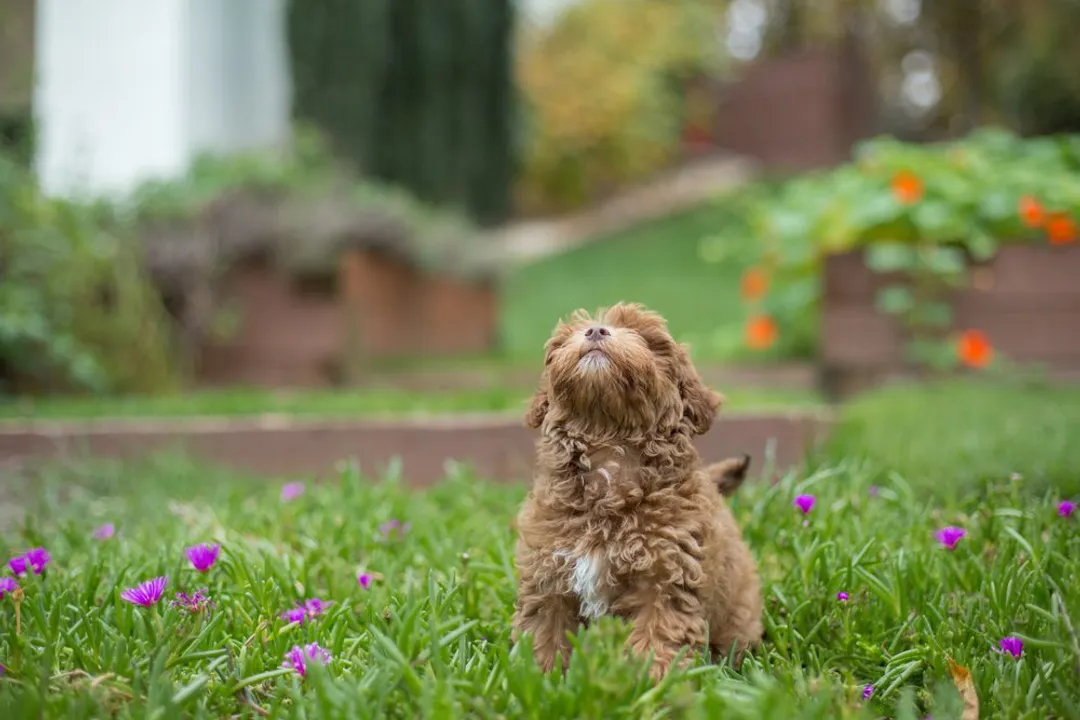
Training a Havapoo is usually a rewarding experience for the owner, though it requires consistency, especially regarding house-training. [3][10]
# Trainability Factors
Their intelligence makes them responsive to commands. [4] When training, experts suggest using positive reinforcement methods, such as praise, treats, and play, which appeals to their eagerness to please. [3][10] Harsh correction is generally ineffective and can cause these sensitive dogs to shut down. [10] While they learn quickly, owners should be prepared for the occasional setback caused by inherited stubborn tendencies, meaning short, fun training sessions are superior to long, monotonous ones. [3]
# Socialization Importance
Early socialization is critical for a well-adjusted Havapoo. [1] Exposing a puppy to a wide variety of sights, sounds, people, and different environments between three and sixteen weeks of age helps cement their friendly disposition and prevents shyness or nervousness later on. [1][3] If you acquire a Havapoo that already displays timid behavior, committing to a careful, positive desensitization program is necessary to build confidence. [5]
When thinking about house-training, keep in mind that small breeds can sometimes take longer to master the routine compared to larger dogs. A helpful approach is to establish a highly consistent schedule, rewarding immediately upon successful elimination outdoors. Because they are so people-focused, sometimes owners unknowingly reinforce accidents by reacting strongly to the mess rather than rewarding the correct behavior outside; focusing solely on the positive outside success shifts their motivation. [8]
# Wellness and Care
As with any hybrid, the Havapoo benefits from hybrid vigor, often meaning they are slightly healthier than their purebred parents, but they are still susceptible to inherited conditions. [3]
# Common Health Concerns
Owners should be aware of potential issues linked to both the Havanese and Poodle lines. [1][3] Common concerns can include:
- Luxating Patella: A condition where the kneecap slips out of place. [1][3]
- Eye Issues: Including Progressive Retinal Atrophy (PRA). [1][3]
- Legg-Calve-Perthes Disease: Affecting the hip joint. [3]
- Dental Disease: Small breeds are notoriously prone to crowding in the mouth, leading to tartar buildup and periodontal issues. [1] Regular dental checks are as important as coat maintenance for these dogs. [2]
A responsible breeder should provide health clearances for the parent dogs for these specific issues. [9] The general life expectancy for a Havapoo is usually between 10 and 15 years. [1][3]
# Grooming Demands
The grooming commitment for a Havapoo is substantial and cannot be understated, regardless of coat type, though curly coats demand the most work. [1][4] If the owner aims to keep the coat long, daily brushing is mandatory to prevent mats that pull the skin and cause discomfort. [1][4] Even a wavy coat needs brushing several times a week. [4]
Most owners opt for a regular professional grooming schedule, typically every four to six weeks, to keep the coat manageable, often opting for a practical "puppy clip" or "teddy bear cut". [1][4] Neglecting regular brushing or professional trims can quickly lead to severe matting, which may necessitate shaving the dog completely for relief, a situation best avoided through consistent preventative care. [8]
# Activity Requirements
While Havapoos are adaptable, they do possess moderate energy levels that need an outlet to prevent boredom and destructive behaviors. [1][3] They are not excessively demanding in terms of physical exertion, which suits many urban or less active households. [3]
# Daily Exercise
A couple of short walks each day combined with indoor playtime is generally sufficient to keep a Havapoo happy and healthy. [3] Mental stimulation is just as important as physical exercise for this intelligent breed. [1] Games that involve puzzle toys, learning new tricks, or short sessions of fetch will satisfy their need to work their minds. [4] For apartment dwellers, dedicating time each evening to an intensive 15-minute session of trick training or interactive play can effectively burn off excess energy that might otherwise manifest as counter-surfing or excessive barking. [6]
# Owner Fit
The ideal owner for a Havapoo is someone who desires a very interactive, affectionate companion and is prepared for the high commitment to grooming. [1][4] They are best suited for homes where someone is present for a good portion of the day, as they bond strongly and do not tolerate isolation well. [8] They thrive in homes that prioritize positive training methods and early, thorough socialization. [3] If you prefer a low-maintenance dog both physically and emotionally, a Havapoo may present a greater challenge than anticipated due to their need for closeness and coat upkeep. [1][4]
#Videos
Best Havapoo Dog Breed Guide 2023 - YouTube
Related Questions
#Citations
Havapoo Dog Breed Information & Characteristics - DogTime
Havapoo Dog Breed Health and Care - PetMD
Havapoo Dog Breed Facts & Information - Rover.com
Everything You Need To Know About Havapoos - A Pup Above
Experience with Havenese and Havipoos? : r/Havanese - Reddit
Havapoo: Your Complete Guide - Dog Academy
Best Havapoo Dog Breed Guide 2023 - YouTube
Havapoo Dog Breed Guide: Havanese Poodle Mix Care Tips
Havapoo - Sugar Sweet Georgia Puppies
Are Havapoos Easy to Train? Tips for New Dog Owners