What are the characteristics of a Chinook dog?
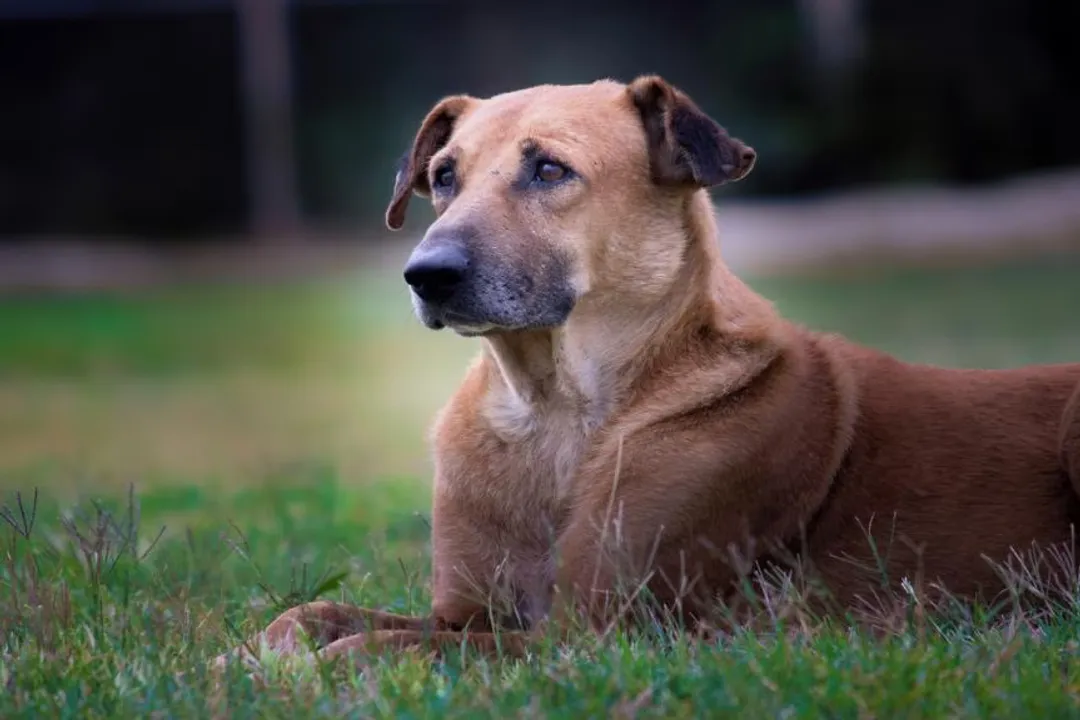
The Chinook is a distinctive American breed, originating in New Hampshire through the dedication of Arthur Treadwell Walden in the early 20th century. Initially developed as a powerful, efficient sled dog, the breed has evolved into a loyal companion known for its agreeable nature. Understanding the specific blend of physical attributes and temperament is key to appreciating what makes the Chinook unique among working breeds.
# Stature and Appearance

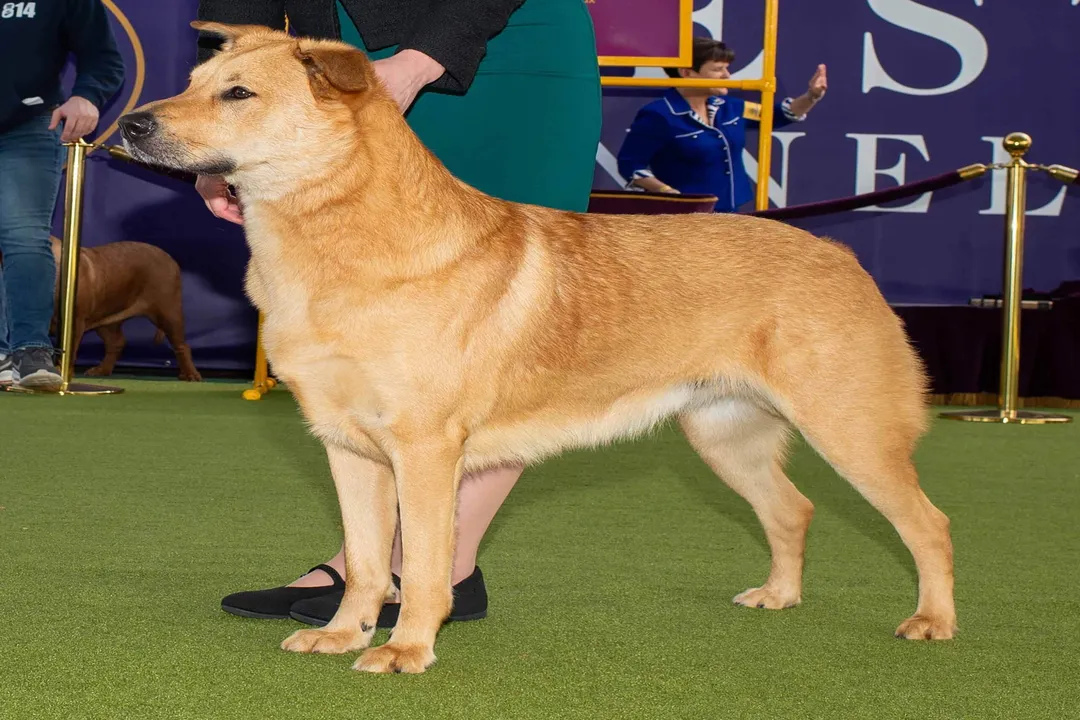
Chinooks are solidly built dogs, falling into the medium-to-large category. Males typically stand around 25 inches at the shoulder, while females are usually a bit shorter. In terms of weight, they generally range from 50 to 90 pounds. Their build should reflect strength and agility, not bulkiness. They possess a powerful, muscular body structure suited for endurance, though they are less massive than some of the larger freighting sled dogs.
# Coat Quality
The coat is a defining characteristic, crucial for their survival in colder climates, although they adapt well to various environments with proper care. The breed standard calls for a thick, short, and soft double coat. This coat consists of a harsh outer layer and a dense, soft undercoat that provides insulation. This double insulation means they shed moderately year-round, with heavier seasonal blowouts, requiring regular brushing to manage loose hair.
# Coloration Details
Chinooks come in various shades of brown, black, or gray. A very desirable and common feature is the black mask on the muzzle and face, which contrasts nicely with the body color. They can also have white markings on the chest and toes, but their coloring should generally present a uniform appearance.
# Temperament Profile
The Chinook’s personality is often described as its greatest asset, balancing working drive with domestic devotion. They are known for being gentle, devoted, and patient, making them excellent family members. They tend to form strong bonds with their immediate families and thrive on companionship.
# Social Nature
With their own people, Chinooks are famously affectionate and often described as "velcro dogs" who enjoy being close to their owners. They are generally good with children when properly socialized, exhibiting a patient demeanor. However, their relationship with strangers can be more reserved. They are not typically aggressive, but they might be watchful or aloof upon first meeting unfamiliar people. This reserved quality, combined with their strength, means they can serve as decent watchdogs, though they are not generally considered guard dogs.
One observation worth noting when considering this breed for a household is their moderate social requirement compared to some other Spitz-type sled dogs. While they absolutely need family interaction and should not be left isolated in a kennel for long periods—which can lead to undesirable behaviors—their need for constant, intense group affirmation is slightly less demanding than breeds bred purely for constant pack orientation, allowing them to settle more easily once their exercise needs are met.
# Intelligence and Independence
Chinooks are intelligent dogs, a trait necessary for their historical work in harness. They learn quickly, but this intelligence often comes paired with an independent streak. They are not the breed to blindly follow commands if they don't see the immediate value in the request. This means training requires consistency, patience, and positive reinforcement rather than harsh methods. A session that feels like a chore to the dog will likely result in refusal or an attempt to outsmart the handler.

# Exercise Demands
As a breed descended from sled dogs, the Chinook possesses significant stamina and requires regular, vigorous exercise to stay physically and mentally sound. They are not suited for a purely sedentary life indoors.
# Activity Requirements
Daily activity should include more than just a short walk around the block. They enjoy activities that let them use their bodies, such as brisk hiking, jogging, or engaging in dog sports like weight pulling or tracking. Because they were bred for endurance running, they often excel in activities that involve sustained effort rather than short bursts of speed. Their moderate size, however, makes them more manageable than giant breeds for the average active owner. For example, a dedicated owner in a suburban setting can often fulfill their exercise needs with one solid hour of varied activity daily, whereas an Alaskan Malamute might demand twice that amount of high-intensity work to feel satisfied.
They are also known to be strong pullers, a trait inherited from their working past, which must be managed through early leash training.
# Training and Socialization
Early and consistent socialization is perhaps the most critical non-physical characteristic to manage for a successful Chinook ownership experience. Exposure to various sights, sounds, people, and friendly, vaccinated dogs during their formative puppy months helps ensure they grow into well-adjusted adults.
# Training Approach
Training should begin immediately upon bringing the puppy home. Due to their intelligence and occasional stubbornness, positive reinforcement methods work best. Keep training sessions short, fun, and engaging to maintain their interest. They respond well to rewards, praise, and food incentives. Obedience work is vital not just for manners but also for mental stimulation, which prevents boredom that can lead to destructive behaviors.
For prospective new owners, a good initial checklist for successful integration involves:
- Enrollment in a puppy kindergarten class by 10-12 weeks of age.
- Establishing clear, consistent rules on where the dog is and is not allowed in the house from day one.
- Implementing early leash training specifically addressing the natural desire to pull.

# Health and Longevity
Generally, the Chinook is considered a hardy and relatively healthy breed, often living between 10 and 12 years. Being a breed that was nearly lost and has a relatively small gene pool today, careful breeding is paramount to maintaining health.
While they are generally robust, responsible breeders screen for potential issues common to large, muscular breeds. Owners should be aware of common concerns like hip and elbow dysplasia. Furthermore, as a dog with working lineage, attention should be paid to maintaining a proper weight to avoid undue stress on joints, especially as they age.
# Diet Considerations
Their dietary needs reflect their working ancestry—they require high-quality nutrition that supports lean muscle mass and energy, but overfeeding must be avoided. A practical consideration for feeding a Chinook is understanding the difference between high-activity food and maintenance food. While they are active, they aren't marathon runners like Huskies might be expected to be. Owners should opt for a high-quality, large-breed specific formula that balances protein for muscle health with controlled calories, ensuring they don't gain unnecessary fat which strains their hips and elbows over their lifespan. Consultations with a veterinarian about the appropriate calorie density based on the dog’s actual daily activity level are far more beneficial than simply selecting the highest protein food on the shelf.
# Breed Development
The Chinook’s unique characteristics stem directly from its creation in the early 1900s by Arthur T. Walden in Wonalancet, New Hampshire. Walden sought a superior sled dog—one that combined the endurance and strength of northern breeds with a more agreeable temperament suitable for companionship and single-person handling.
Walden utilized Native American dogs and various European breeds, resulting in the Chinook, which was recognized by the American Kennel Club (AKC) in 2021, though it had been recognized by the United Kennel Club (UKC) much earlier. This history as a true American creation makes the breed a point of national interest for preservation.

# Summary of Traits
To summarize the Chinook’s key characteristics, one can look at a quick comparison of their main attributes:
| Feature | Description | Key Takeaway |
|---|---|---|
| Size | Medium-Large (50-90 lbs) | Strong but manageable size |
| Coat | Thick double coat, short | Moderate grooming needs |
| Temperament | Devoted, gentle, reserved with strangers | Family-oriented but needs socialization |
| Trainability | Intelligent but independent | Requires consistent, positive training |
| Activity | Needs regular, sustained exercise | Not a couch potato; enjoys purpose |
The Chinook successfully bridges the gap between a dedicated working dog and a loving family pet. They require owners who appreciate their intelligence, respect their need for companionship, and are committed to providing the physical activity necessary to keep this strong, gentle American original happy and healthy.
Related Questions
#Citations
Chinook Dog Breed Information - American Kennel Club
Chinook (dog breed) - Wikipedia
Chinook Dog Breed - Hill's Pet Nutrition
Chinook: Dog Breed Characteristics & Care - The Spruce Pets
What to Know About the Chinook Dog Breed - WebMD
Breed Standard - Chinook Owners Association
Chinook - The Westminster Kennel Club
Chinook Dog Breed Health and Care - PetMD
Your Full Guide on the Chinook Dog Breed
Chinook Facts - Dog Breeds - Wisdom Panel