What are some interesting facts about Liopleurodon?
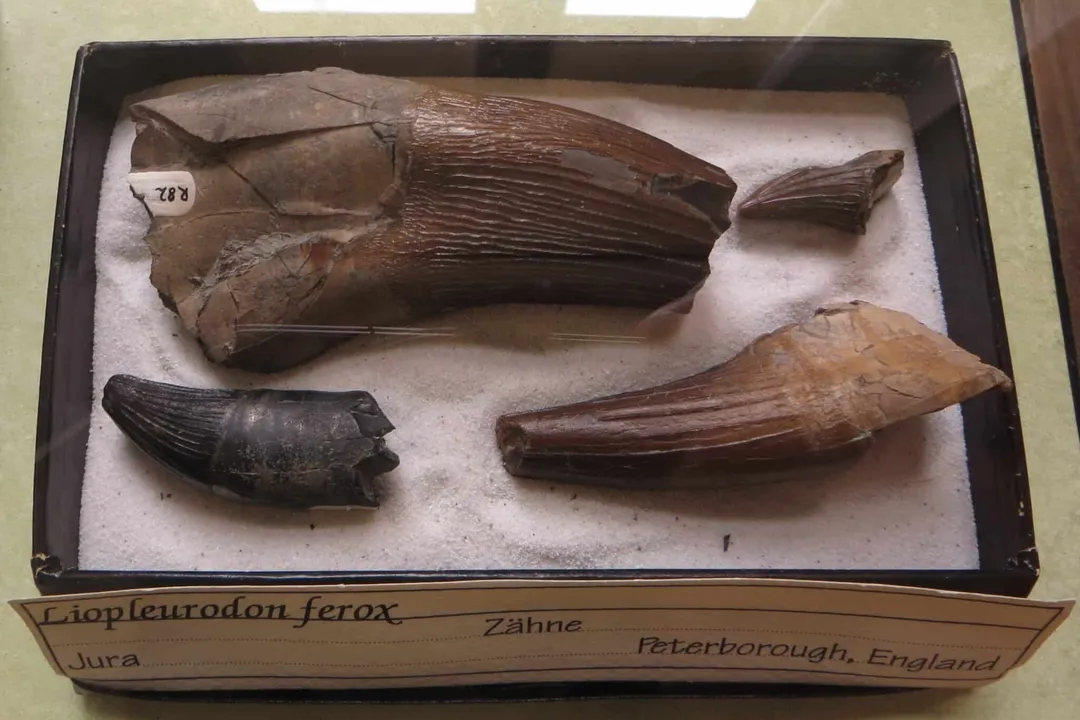
The Liopleurodon holds a fearsome reputation in popular imagination, often depicted as the undisputed king of the Jurassic seas, a monster of truly oceanic proportions that dwarfs even modern great white sharks. This massive marine reptile, which swam the oceans during the Middle to Late Jurassic period, represents a lineage of apex predators that ruled the ancient world beneath the waves. To truly appreciate this creature, one must look past the movie monsters and examine the actual fossil evidence that helps piece together the life of this ancient marine master.
# Marine Master
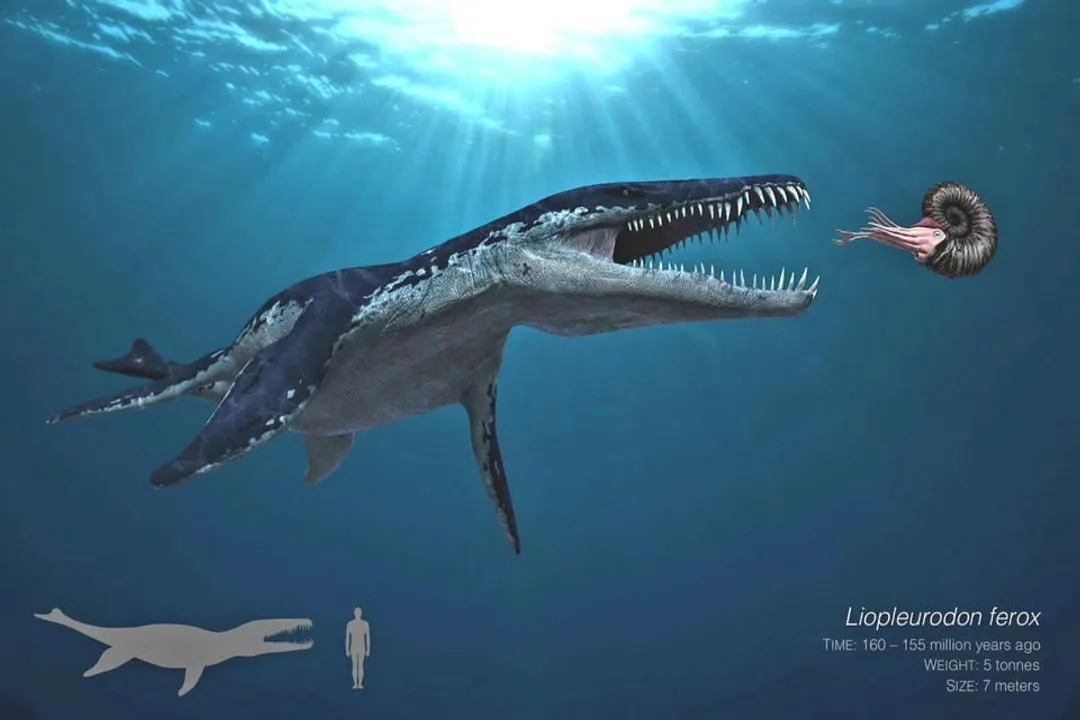
Liopleurodon belongs to the group known as Pliosaurs, which were a type of short-necked marine reptile distinguished by their large heads and powerful, paddle-like flippers. They were not dinosaurs; rather, they were part of a separate group of reptiles that successfully conquered the marine environment. Fossils of these incredible animals have been unearthed in places like England, France, and Russia, giving paleontologists clues about their distribution across the ancient global ocean. The name Liopleurodon itself means "smooth-sided tooth," referring to the lack of ridges on its teeth, which were characteristic features distinguishing it from other related pliosaurs.
# True Size
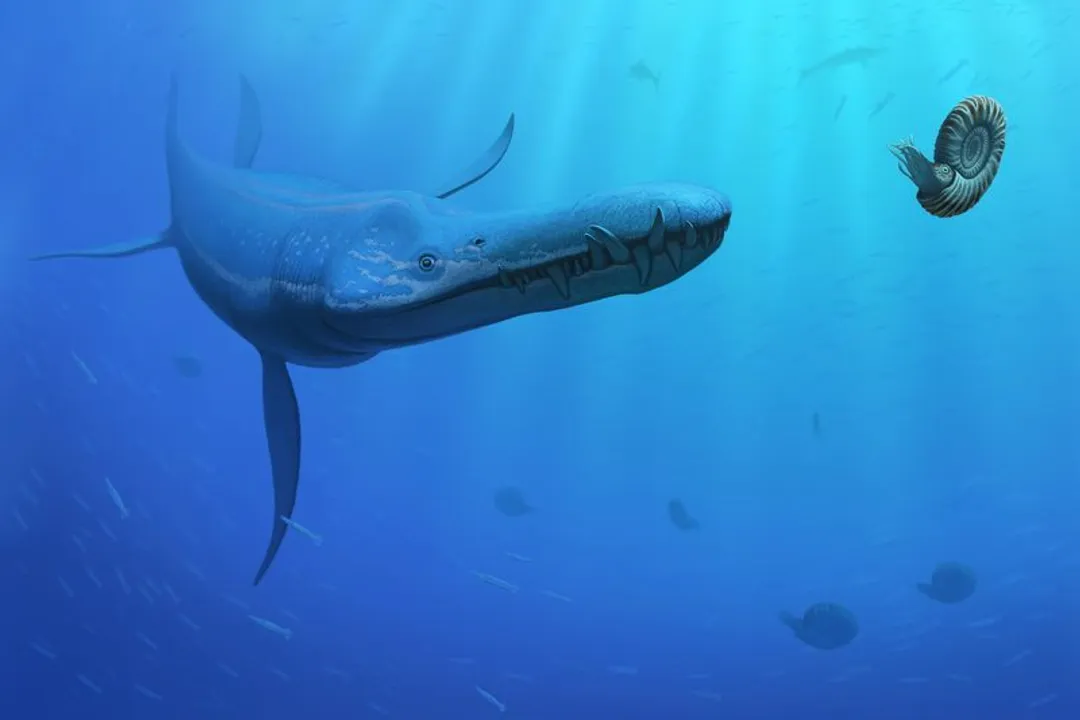
Perhaps the most captivating and often exaggerated aspect of Liopleurodon is its estimated size. Popular media frequently portrays it as reaching lengths of up to 50 feet or more. However, the actual fossil evidence suggests a more modest, albeit still terrifying, reality. The largest known specimens are estimated to have reached lengths of approximately 16 to 20 feet (about 5 to 6 meters). There is significant debate and interpretation involved, particularly when examining the fragments available. For instance, the skull of a large specimen, the L. ferox specimen known as the "Fox Wilton material," suggests a creature near the upper end of that range, perhaps slightly more.
To put this in perspective, consider that even a 20-foot Liopleurodon was certainly an apex predator in its environment. Imagine a modern Orca, which typically ranges from 23 to 26 feet, but replace its streamlined, flexible body with a stockier, more rigid, and immensely powerful frame built around a massive head. While the 50-foot depiction found in some documentaries is largely considered an overestimation based on misinterpretations or extrapolations from fragmentary remains—perhaps confusing it with truly gigantic, though poorly understood, contemporary relatives or later Cretaceous giants—the actual 20-foot predator was still likely the dominant hunter in its ecosystem.
The discrepancy between the documented fossil record and the colossal size seen on screen highlights a common challenge in paleontology media: the temptation to dramatically increase size estimates for visual impact. If we take the general consensus that the largest known skull fragments point to a total body length around 20 feet, and we compare this to the size of the remains recovered, the actual Liopleurodon was smaller than its reputation suggests, but its predatory adaptations made it formidable regardless.

# Paddles Power
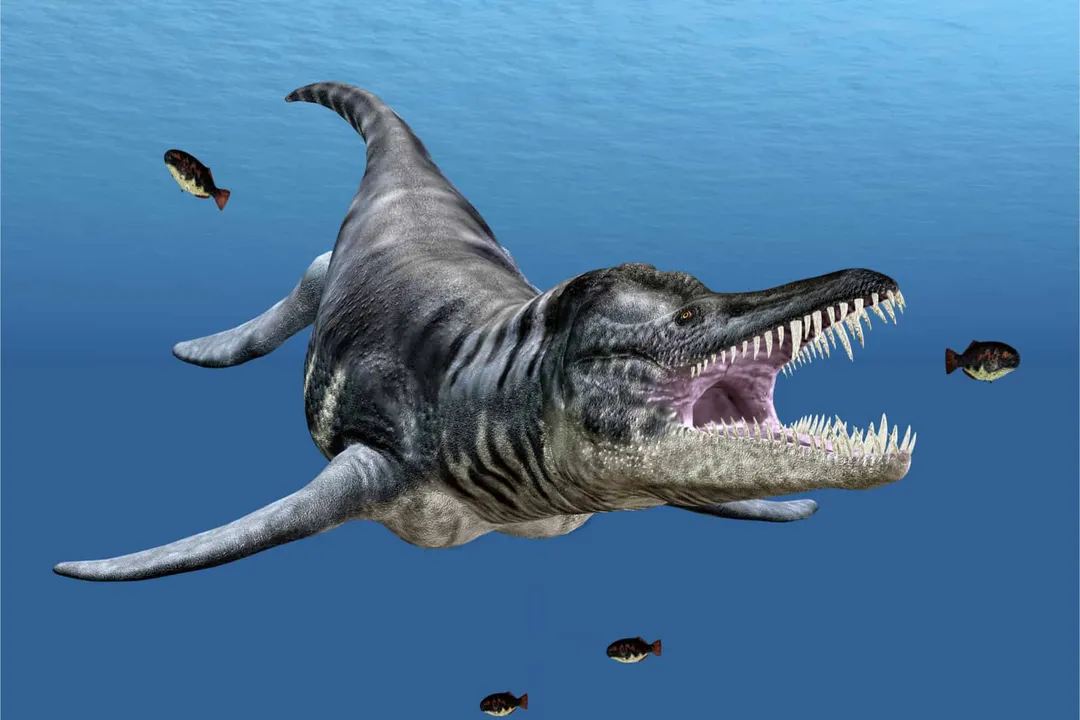
Unlike long-necked plesiosaurs such as Elasmosaurus, Pliosaurs like Liopleurodon possessed a relatively short neck, which connected a massive skull to a deep, barrel-shaped body. Their means of propulsion involved four large, powerful flippers, or paddles. These paddles were built for power rather than fine maneuverability or long-distance cruising, suggesting an ambush predator strategy, or at least one capable of sudden bursts of speed to close on prey.
These limbs were not merely appendages; they were hydrofoils optimized for thrust. The structure suggests that Liopleurodon likely propelled itself through the water using an up-and-down stroke, similar to how sea turtles swim today, but with much greater force given the size and muscle attachment points indicated by the bones. This robust, paddle-driven locomotion would have given it the necessary acceleration to tackle the fast-moving fish and cephalopods of the Middle Jurassic seas.
# Jaws Teeth
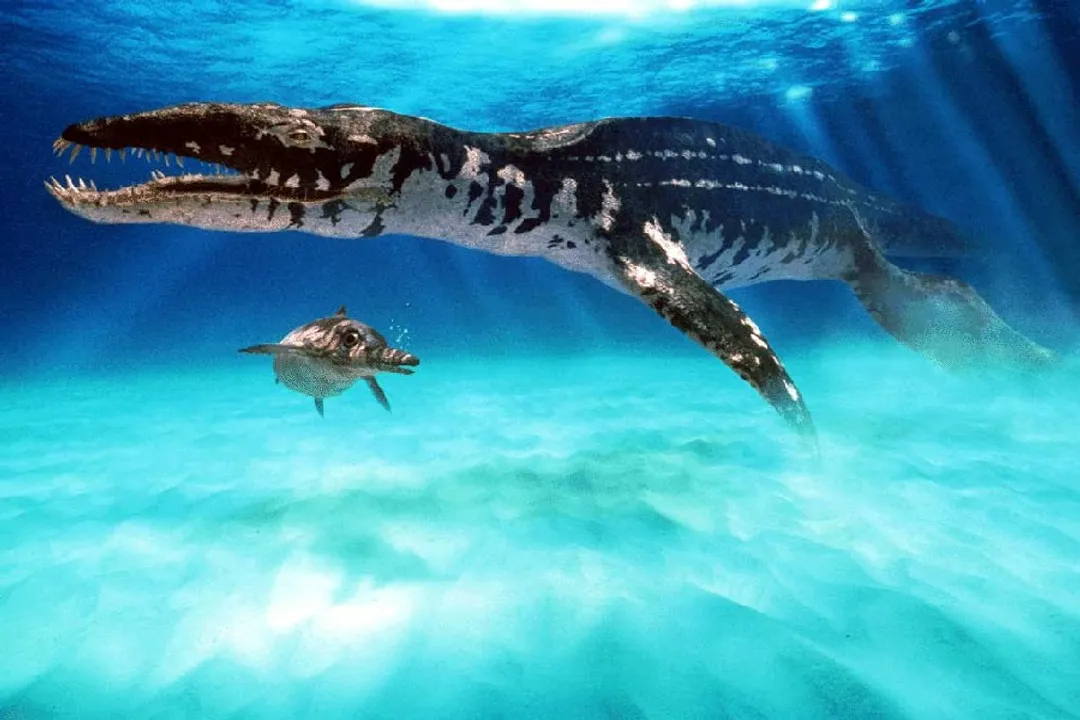
The jaws of Liopleurodon were its signature weapon. The smooth, conical teeth—which gave the genus its name—were not serrated like those of later marine reptiles or terrestrial carnivores, but were designed for gripping and crushing rather than slicing through flesh in long attacks. The sheer size of the skull, even in the documented specimens, implies an incredible bite force, capable of instantly incapacitating large prey.
When examining the jaw structure, one can infer a "snap-and-crush" feeding style. The teeth would lock into the victim, and the powerful jaw muscles would hold on tight while the animal shook its head to tear off chunks, or simply swallowed smaller prey whole. This contrasts interestingly with the feeding styles inferred for some other contemporaneous marine predators which might have relied on speed and multiple fast passes. Liopleurodon seems engineered for power over agility in its final attack phase.

# Media Myth
The persistent image of Liopleurodon as a 50-foot leviathan is largely indebted to the 1999 documentary series Walking with Dinosaurs. In that production, the creature was famously shown hunting a large sauropod near the coast, an event that is scientifically impossible for several reasons.
First, as noted, the size estimate used for that depiction far exceeds what the fossil record currently supports. Second, Liopleurodon lived in the Middle to Late Jurassic, while the giant sauropods often associated with coastal scenes in popular media primarily lived later or in different environments. The representation in that series cemented an exciting but inaccurate mental image for a generation of viewers. It is a case where a brilliant piece of media inadvertently created a paleontological misconception that the scientific community has spent years attempting to correct. Understanding this distinction is key to appreciating the real animal: a large, successful predator, but not the impossible skyscraper of the sea often imagined.
# Fossil Record
The discovery history of Liopleurodon provides context for its varied reputation. Early finds, often incomplete, fueled speculation, and as new, better-preserved material emerged, interpretations shifted. Most of what we know about its anatomy comes from fragmented but substantial remains, particularly skulls and parts of the paddle structure found in Europe.
The state of the fossil record means that much of what we discuss involves inference and extrapolation from the known elements to the whole animal. For example, determining the exact length of the neck or the precise surface texture of its skin requires looking at related pliosaurs and applying those principles to the known Liopleurodon bones, a process that naturally introduces margins of error. The scientific community continually reassesses these giants as new specimens, even small fragments, come to light, refining our picture of the Jurassic marine ecosystem. While we may never find a complete, 50-foot skeleton, the existing data firmly places Liopleurodon as a significant and terrifying predator of its era.
#Videos
Liopleurodon - Predator of the Jurassic Seas - YouTube
Related Questions
#Citations
10 Facts About Liopleurodon - ThoughtCo
Liopleurodon Pictures & Facts - The Dinosaur Database
Liopleurodon Animal Facts - Liopleurodon ferox - A-Z Animals
Liopleurodon marine reptile characteristics - Facebook
r/Dinosaurs - 24 years later, what does the paleo community think of ...
Liopleurodon - Predator of the Jurassic Seas - YouTube
Liopleurodon Facts for Kids
Liopleurodon | Cool Dino Facts Wiki | Fandom