What are some interesting facts about arowana?
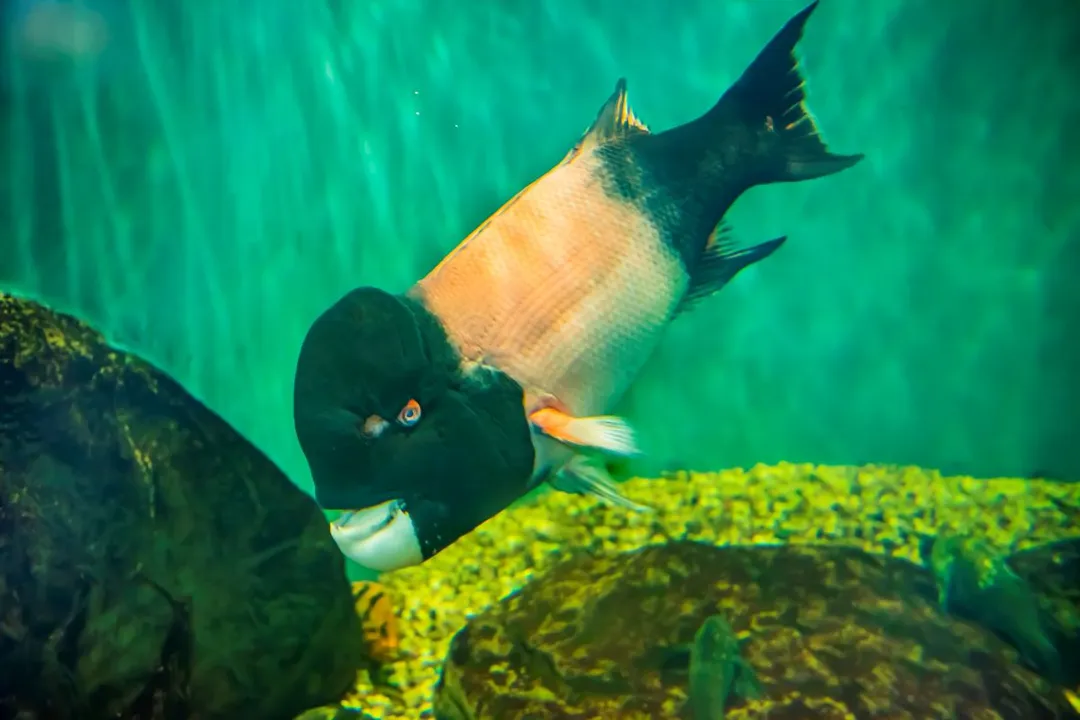
The Arowana represents a fascinating group of bony, freshwater fish, some of which possess a lineage stretching back through geological time, classifying them within the ancient family Osteoglossidae. [8] These fish are immediately recognizable by their large, distinctive, bony scales that give them a plated appearance, a feature shared across the group. [1][8] When observing an Arowana, one of the most striking visual elements, besides the large scales, is the pair of prominent barbels located on the chin, which serve sensory functions in their environment. [1][8] Depending on the specific species, their size can be substantial; for instance, the Silver Arowana (Osteoglossum bicirrhosum), native to South America, can reach lengths of up to three feet and weigh nearly nine pounds in mature specimens. [3][8]
# Scale Value
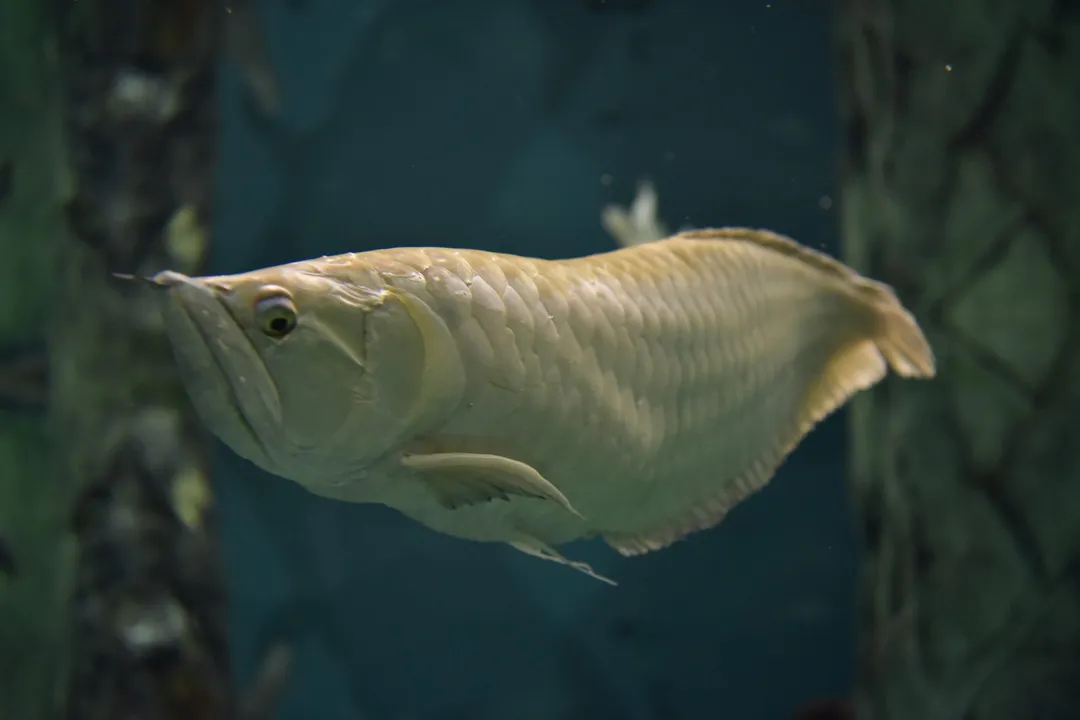
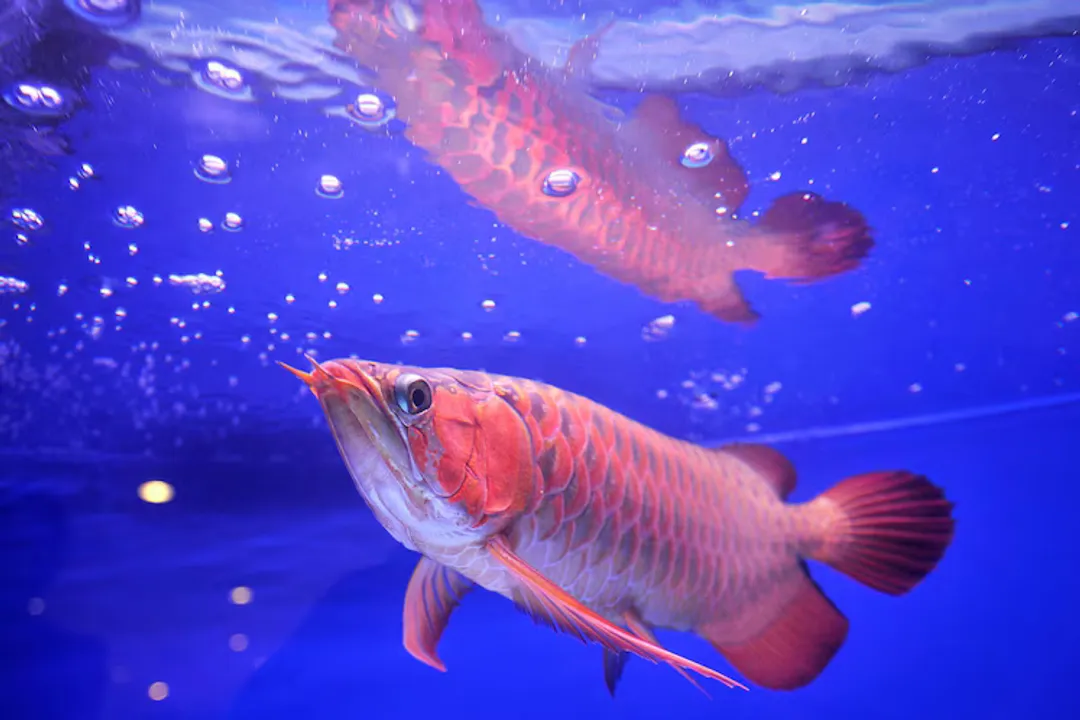
While all Arowanas share the characteristic bony armor, the interpretation of that scale changes dramatically based on geography and cultural significance. In South America, the massive Silver Arowana is a recognized, if large, freshwater inhabitant. [3] Contrast this with the Asian Arowana (Scleropages formosus), which is valued not just for its size but for the specific patterns, coloration, and luster of its scales. [2][7] It is curious how a fundamental biological trait—the scale structure—becomes the primary metric for extreme economic value in one region, distinguishing it as the famed "dragon fish," while in another, it simply denotes a large, successful predator. [7]
# Predatory Style
Arowanas occupy a high trophic level in their native waters, functioning as apex predators. [1] Their feeding strategy is highly specialized and directly tied to their physical structure, particularly their large mouths and superior jaw alignment, which positions them perfectly for surface hunting. [1][3] Their diet in the wild consists largely of insects, smaller fish, crustaceans, and even frogs or other small animals that venture too close to the water's surface. [1][3] This surface orientation is what makes them legendary jumpers. They possess the remarkable ability to propel themselves clear out of the water, sometimes many times their own body length, to snatch unwary prey from overhanging branches or ledges. [1][6] This impressive vertical leap, more akin to a specialized terrestrial hunter than a typical fish, is a key factor in their survival success in environments like the Amazon basin. [3]
# Breeding Facts
Reproduction in Arowanas displays a fascinating commitment to parental care, relying on mouthbrooding techniques. [1] In this method, the male Arowana takes on the responsibility of guarding the offspring. After fertilization, the male will hold the developing eggs in his mouth until they hatch, and often continues to shelter the fry for a period afterward. [1] This behavior ensures a higher rate of survival for the young fish in their challenging habitats, protecting them from predation during their most vulnerable stage. [1] Lifespans are also considerable for these fish; it is not uncommon for them to live for more than fifteen years when kept in managed environments like zoos or aquariums. [6]
# Global Habitats
The diversity within the Arowana group is reflected in their widely separated native ranges. The Silver Arowana finds its home in the freshwater systems of South America, specifically inhabiting the Amazon, Orinoco, and Essequibo river basins. [3][8] The highly sought-after Asian Arowana, however, hails from Southeast Asia. [2] The specific needs and preferred environments of these species mean that while they share a common ancestry, their modern ecological niches are continents apart. [8] In captivity, institutions like the Milwaukee County Zoo feature the Silver Arowana, allowing the public insight into this side of the family, [5] while the Asian variant can be observed at places such as the Living Planet Aquarium. [2]
# Status and Trade
The cultural weight placed upon the Asian Arowana has unfortunately brought significant threats to its wild populations. [7] In many parts of Asia, this fish is deeply interwoven with folklore and belief systems, often being considered a bringer of luck, wealth, and prosperity, which fuels its high demand. [7] This association has led to intense collection pressure, resulting in the species being classified as endangered. [2] Because of this precarious status, the Asian Arowana is listed on CITES Appendix I. [2] This critical listing effectively bans all international commercial trade of wild-caught specimens, an important measure meant to protect them from further depletion. [2][7] Despite these protections, their desirability means that certain rare, authenticated specimens command astronomical prices, occasionally reaching figures in the tens of thousands of dollars. [7]
The paradox here is stark: a fish that has successfully navigated millennia as an efficient, independent predator, whose very biology speaks of resilience, now faces its greatest existential challenge not from a natural rival, but from the immense financial value humans have assigned to its appearance. [7] For hobbyists or those lucky enough to see them in managed care, observing the Arowana offers a direct connection to deep history, regardless of whether the fish is the South American or the Asian variety. [8]
#Videos
Arowana facts: the dragon fish with silver scales | Animal Fact Files
Related Questions
#Citations
Arowana - Facts and Beyond | Biology Dictionary
Asian arowana - The Living Planet Aquarium
Silver Arowana - National Aquarium
Arowana facts: the dragon fish with silver scales | Animal Fact Files
Ptpa. Quick trivia about Arowana's - Facebook
Arowana facts
Learn About Arowana, or Dragon Fish, From Emily Voigt's Book
Arowana - Wikipedia
Silver Arowana - Milwaukee County Zoo