What are some fun facts about Otterhounds?
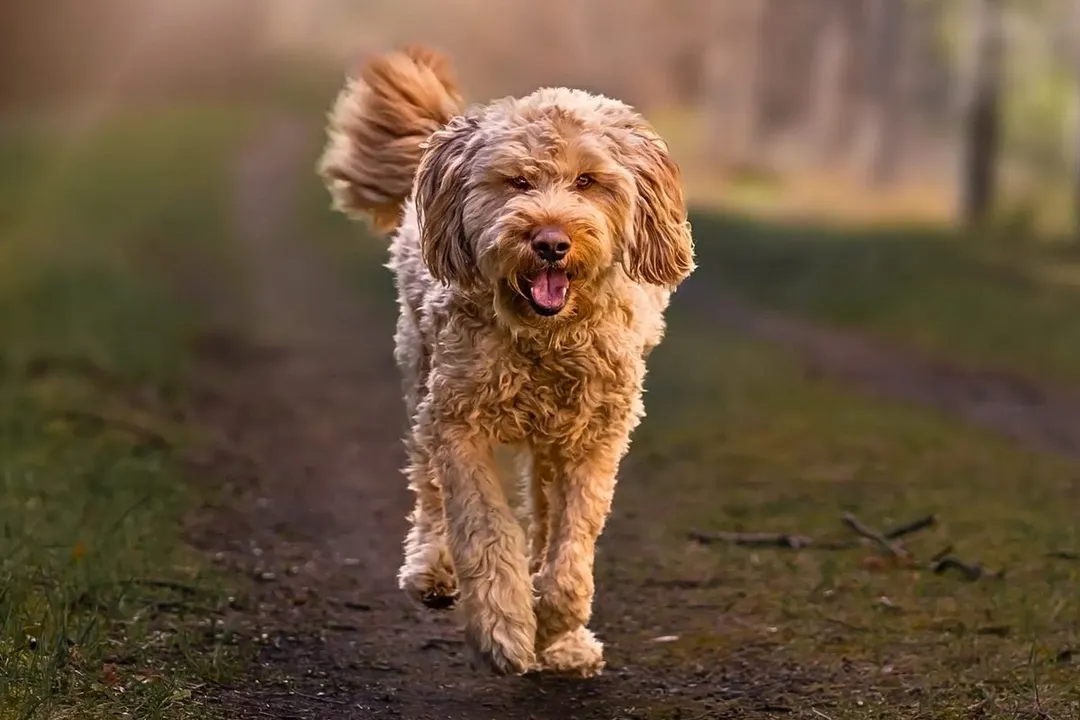
The Otterhound is one of the most distinct and historically specialized dog breeds still recognized today, possessing a look that perfectly matches its rugged working heritage. If you see one of these shaggy, large dogs trotting along, you are likely looking at a member of one of the world's rarest canines. [1][3][6][7][8] These hounds were essentially developed to do one job, which makes their unique physical traits and their subsequent conservation status fascinating topics for anyone interested in dog lore.
# Shaggy Exterior
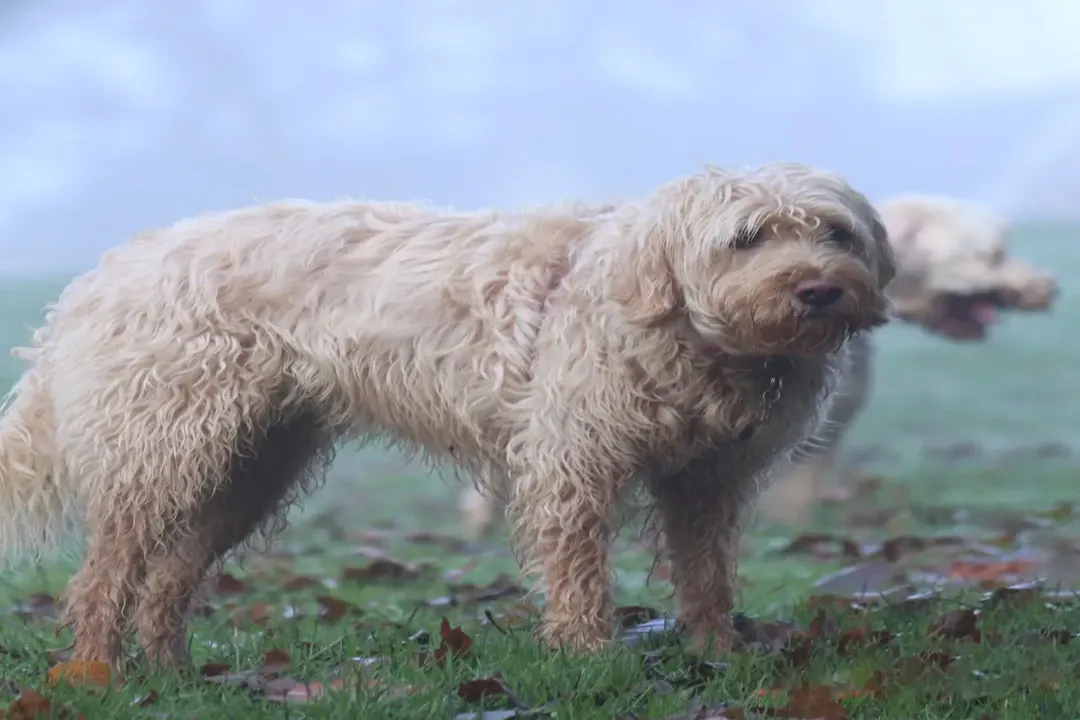
Perhaps the most immediate thing people notice about the Otterhound is its rough, copious coat. [1][4][9] This isn't merely a stylistic choice; it is a necessity borne from the cold, wet environments where they historically worked. [4] They possess a thick, double coat that is deliberately coarse or "shaggy". [4][9] The outer layer is harsh and wiry, providing substantial weather resistance, while the undercoat adds insulation. [4] This dense layering functions as natural outerwear, keeping them warm even when soaked through during long hunts in chilly rivers or lakes. [4]
Another feature that speaks directly to their aquatic past is their feet. Otterhounds famously have webbed feet. [4][7] While many breeds have slightly webbed feet, the Otterhound's webbing is quite pronounced, designed to aid in propulsion when swimming after their quarry. [7] Thinking about how much time they spent in the water, that rough, water-shedding coat combined with efficient paddling feet meant they were perfectly engineered for the task they were bred for, unlike many smooth-coated hounds that would become chilled very quickly. [4] Furthermore, they often carry a noticeable dewlap, the loose skin around the neck, which also plays a small role in keeping them warmer and providing some protection during scuffles. [4] They are substantial dogs, often weighing in at over 115 pounds, making them one of the larger hound breeds. [4]
# Loud Baying
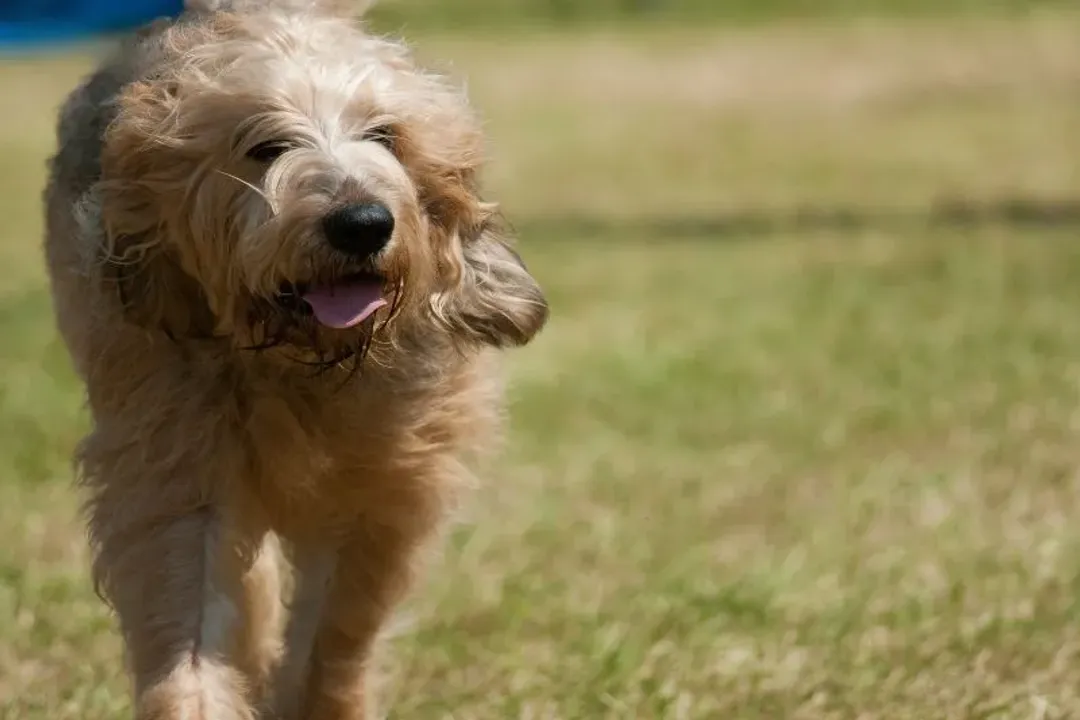
Anyone unfamiliar with the breed might be startled by the sheer volume of an Otterhound's voice. They are known for their loud, distinctive bay—a deep, prolonged vocalization common to scent hounds. [4][7] This isn't a simple bark; it is a working sound, designed to carry across miles of countryside and water so the hunters on horseback could track the pack's progress. [4]
When they are truly on a scent trail, or if they are left alone for too long, that bay can certainly be heard, meaning they are not the best choice for close-quarters city living where noise complaints are a concern. [4] This vocal tendency is intrinsically linked to their history. Otterhounds were traditionally used in packs, not alone. [7] When working together, this collective chorus of bays helped coordinate the hunt and signal the discovery of a scent or the quarry itself. [7]
# Scent Sense
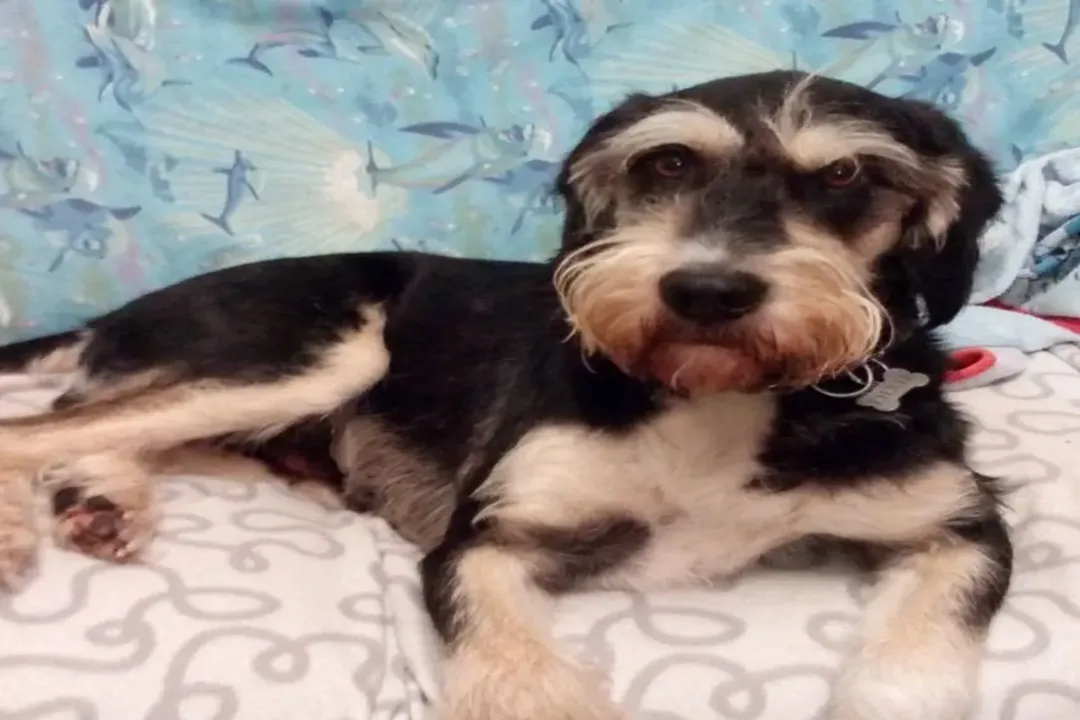
Like all hounds bred for tracking, the Otterhound relies overwhelmingly on its nose rather than its eyesight. [4][7] Their lineage is one of scenting, and their focus when on a trail is intense. [4] If an Otterhound catches an interesting smell, everything else tends to fade away. This single-minded focus is admirable in the field but requires diligent management in a modern home environment.
They are described as tireless workers when following a compelling scent. [7] This obsession with smell means that while they are generally amiable and devoted family companions when off-duty, [1] a garden needs to be extremely secure, and walks should almost always be on a leash unless you are in a fenced area where you want them to track a scent. [4] They are not naturally prone to wandering aimlessly, but rather to following a specific, compelling smell to its source, regardless of fences or familiar surroundings. [4]
# Working History
The very existence of the Otterhound is tied directly to a specific animal: the European otter. [1][7][9] They were developed in Great Britain, possibly as far back as the thirteenth century, specifically to hunt otters. [1][7] The goal wasn't necessarily to kill the otter, but to drive it out of its den so the hunt could be called off once the animal was located. [9] This meant the dogs needed endurance, scenting power to track both on land and in water, and the vocal ability to communicate their findings. [7][9]
However, this specialized function became their greatest liability in the modern era. When the hunting of otters was banned in the United Kingdom in the 1980s, the breed lost its primary purpose. [1][9] It's an interesting historical parallel—the moment their job became obsolete, their numbers began to decline rapidly because they weren't being bred as general-purpose companions. [9] For people considering an Otterhound today, understanding this past helps explain their high energy levels and inherent need for a "job," even if that job is now agility or simply being a highly engaged family member. [7]
# Rarity Concerns
The most striking fact about the modern Otterhound is just how few of them remain globally. They are consistently listed as one of the most vulnerable or rare breeds by various kennel clubs. [1][3][6][8] This scarcity presents a unique set of challenges for owners and enthusiasts. Finding an established, reputable breeder can take significant time and patience, often requiring placement on a long waiting list. [3]
This rarity has a subtle but important implication for new owners that goes beyond just finding a puppy. Because the gene pool is so small, it means the pool of veterinarians and specialists familiar with the breed's specific, though minor, tendencies is also limited. [3] If you own an Otterhound, you are likely going to be a very vocal advocate for the breed within your local veterinary community, needing to sometimes educate professionals on typical breed characteristics versus general hound traits. [3] Protecting this line is a continuous effort supported by dedicated breed clubs around the world. [1]
# Companionship Needs
Despite their imposing size and rough exterior, Otterhounds are known for being quite amiable, gentle, and devoted to their families. [1] They tend to be good-natured dogs, often getting along well with children, provided they are socialized appropriately and respected due to their large size. [1] They form strong bonds with their people. [4]
It is crucial to recognize that these dogs were bred to work together in packs. [7] This translates into a strong need for companionship as modern pets. An Otterhound does not do well when isolated or left alone for extended periods; they thrive on being included in family activities. [4] A solitary Otterhound can quickly become a bored, and potentially destructive, Otterhound. They require significant mental stimulation alongside their need for regular, vigorous exercise to keep them content and mentally balanced. [4] Finding a compatible playmate, whether canine or human, is often key to their happiness.
#Videos
Otterhound - Top 10 Facts - YouTube
Related Questions
#Citations
Otterhound Dog Breed Information - American Kennel Club
Otterhound - Top 10 Facts - YouTube
Otterhound Facts - Dog Breeds - Wisdom Panel
Otterhound - Breed Info | Riverstone Animal Hospital | Waterloo, Illinois
10 Fun Facts About Otterhounds - Facebook
Otterhound Facts For Kids | AstroSafe Search - DIY.ORG
Otterhound - TOP 10 Interesting Facts - rocadog
Otterhound Dog Breed Guide | BorrowMyDoggy
It's rarer than a white rhino, five times as heavy as a badger and has ...