What are some fun facts about macaques?

Macaques represent one of the most fascinating and widespread groups of monkeys found across the globe. These primates belong to the genus Macaca, making them members of the Old World monkey family. [5][8] What makes them so captivating is their incredible diversity, spanning about twenty-three recognized species, [5] each showing remarkable adaptations to very different environments, from snowy mountains to tropical coastlines. [9] They are known for being exceptionally intelligent and highly social creatures, traits that have allowed them to thrive even as human populations expand. [5]
# Diverse Kinship
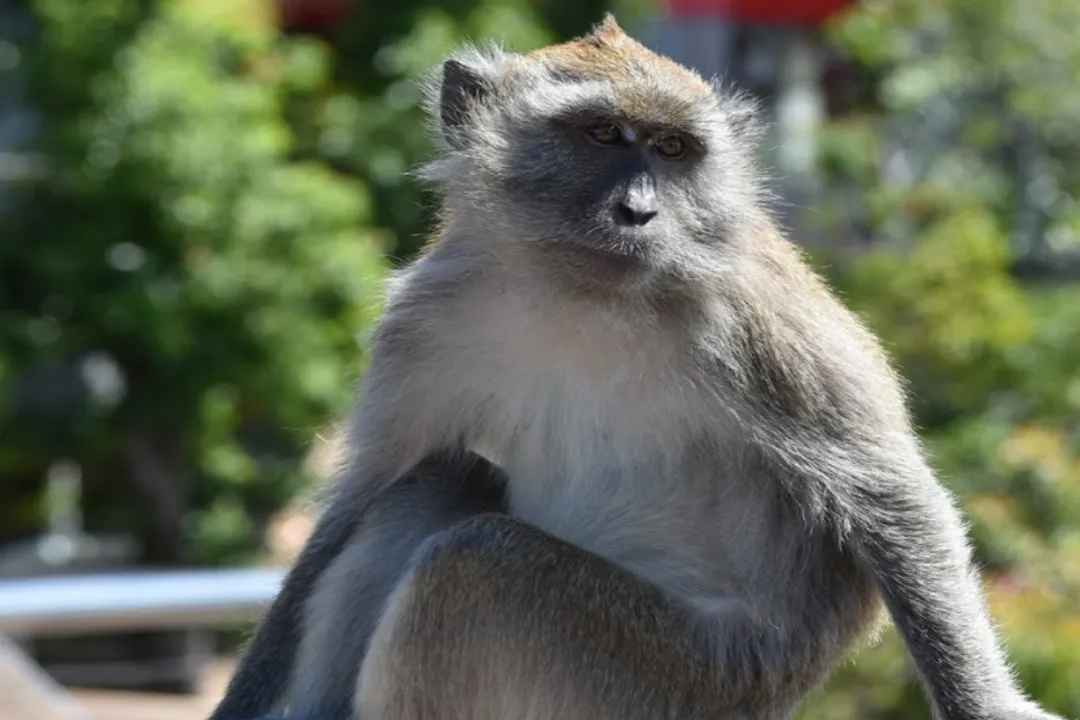
The term "macaque" covers a wide biological spectrum, not just one type of monkey. When you learn about the differences between various species, it truly highlights the success of the genus Macaca. [5] For example, the Rhesus Macaque is famous globally, largely due to its essential role in biomedical research, especially vaccine development. [9] These monkeys typically possess a mature look characterized by a distinct red face and rump. [9] They are adaptability experts, found in habitats ranging from grasslands to dry forests and even urban areas across India and Southeast Asia. [9]
Contrast this with the Long-tailed Macaque, sometimes called the Crab-eating Macaque, which shows a near-opposite environmental preference. These primates are rarely found far from water sources and have developed a specific skill set for aquatic life, earning their nickname because they frequently forage for crabs and other shellfish along the shorelines. [6][7] While the Rhesus thrives in variable conditions, the Long-tailed variety is strongly linked to riparian or coastal environments. [6]
Another standout member, the Barbary Macaque, presents a unique physical profile. Hailing from North Africa in the Atlas Mountains of Morocco and Algeria, a small, famous population also exists in Gibraltar, making them the only wild monkeys found in Europe. [3] A very obvious difference? They are nearly tailless, possessing only a small stub, which is quite unusual among Old World monkeys. [3] This morphological range, from the very long-tailed species to the nearly tailless ones, shows how flexible the macaque body plan can be when faced with differing environmental pressures. [3]
# Social Structure
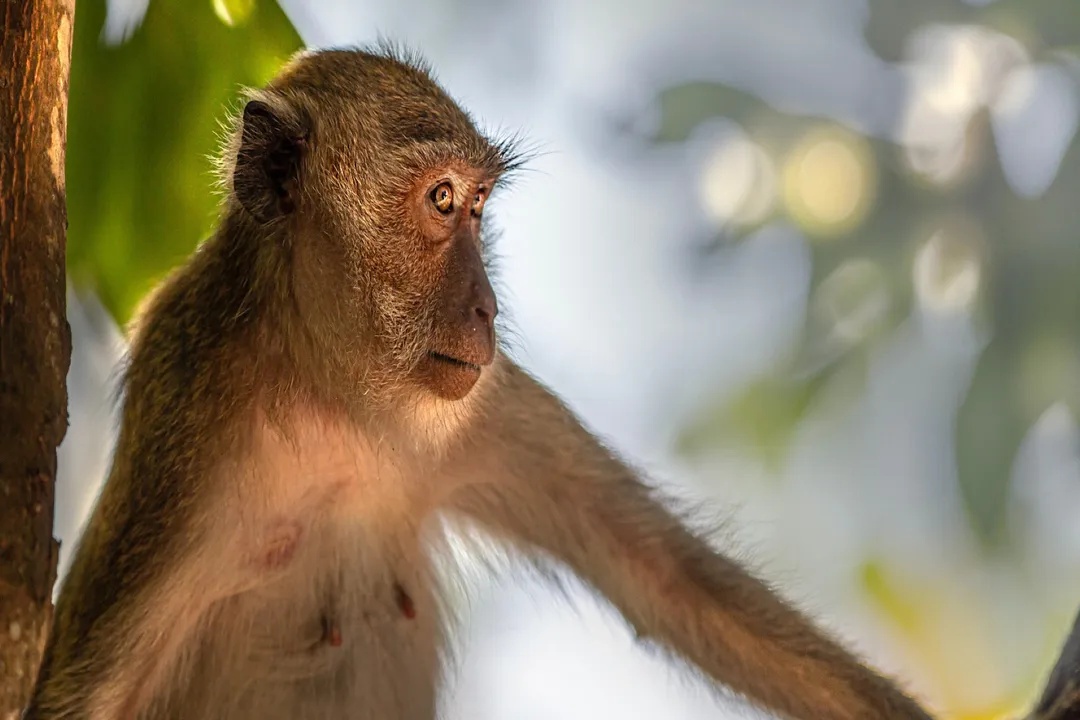
Life for a macaque is rarely solitary; they are intensely communal animals. [5] Their social lives are layered and complex, often involving intricate hierarchies and strong group bonds that are maintained through daily interactions. [5] Communication is rich and constant within the troop. They don't just rely on loud calls; a vast array of facial expressions and body postures are used to signal mood, intent, and social standing. [1] Understanding these subtle cues is key to navigating the troop’s dynamic structure.
Within these groups, grooming plays a role far beyond simple hygiene. It is a critical social currency, used to reinforce alliances, mend disputes, and show deference to higher-ranking individuals. [5] For many species, this constant maintenance of social ties is what keeps the large troop functioning smoothly, ensuring cooperative defense and shared access to foraging sites. [6]

# Care and Parenting
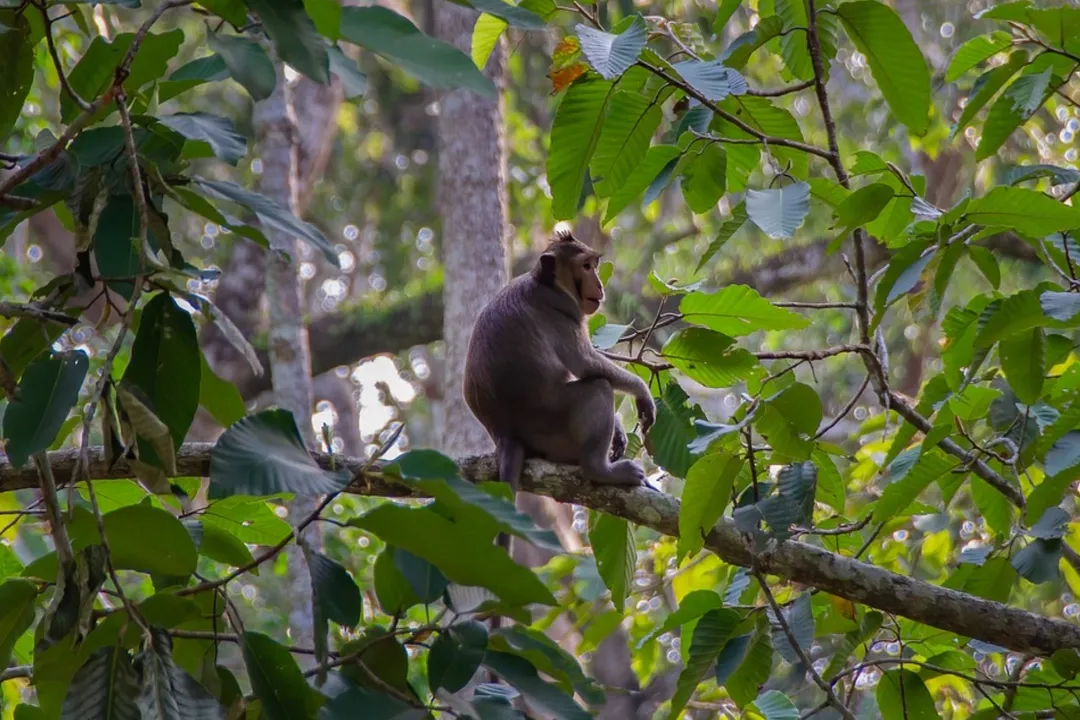
The way macaques raise their young often speaks volumes about their intelligence and complex social nature. In many macaque species, parental care is quite involved, though roles can vary by species. For instance, male Barbary Macaques are often seen engaging in infant care, frequently carrying and interacting with the young, even if they are not the biological father. [3] This behavior might serve to protect the infant from other potential threats within the group or help the male establish social bonds. [3]
For the young macaques, learning is paramount. They spend years under the direct influence of their mothers and other troop members, absorbing the necessary survival skills—what to eat, where to find safety, and how to interact politically within the group. [5] This extended learning period is essential for an animal that needs to learn complex social etiquette to survive long-term in a highly competitive environment. [5]
# Adaptability's Double Edge
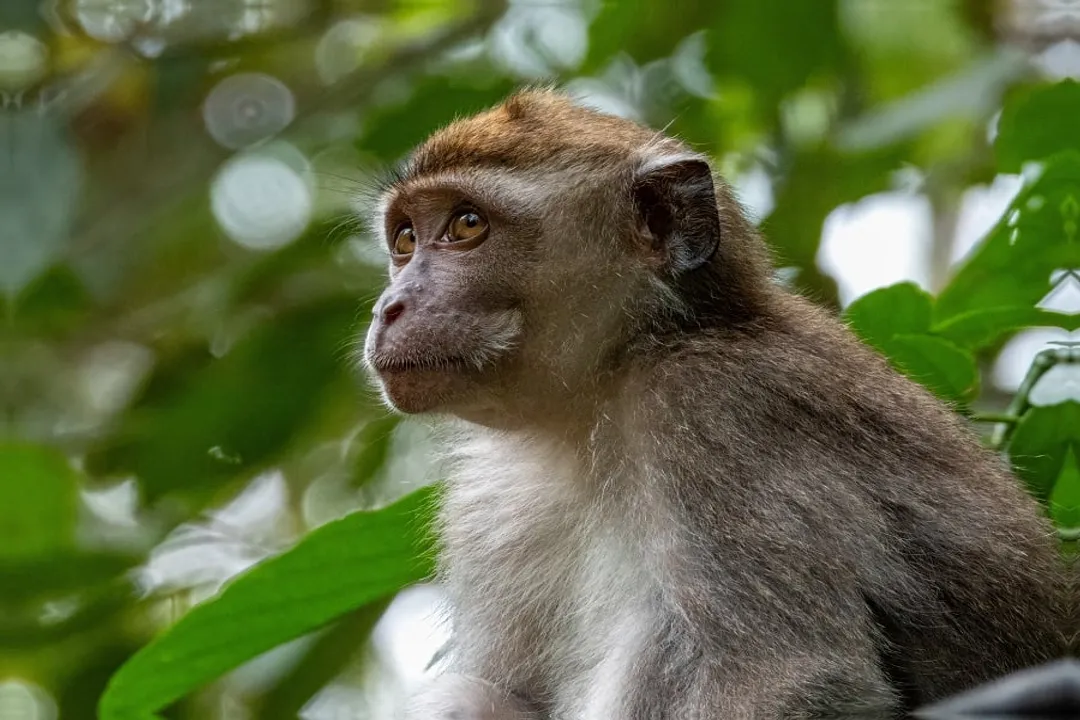
The sheer adaptability of many macaques, particularly species like the Rhesus, is what has led to their success across Asia. [9] They can thrive in environments drastically altered by human activity, meaning they can be found living successfully in forests, agricultural areas, and even busy city centers. [9] This capacity to live alongside people is a defining feature of many macaque populations.
However, this high level of adaptability is often a double-edged sword. As their territories overlap more frequently with human settlements, the potential for conflict rises sharply. [5] A species that can learn to raid crops or scavenge from trash bins often gets labeled a pest, leading to persecution or removal from these areas. [5] Recognizing that their presence near human areas is a direct result of their remarkable ability to adjust to new niches helps frame human-wildlife interactions more realistically. When observing a macaque population thriving near human infrastructure, one is witnessing a successful evolutionary response to habitat fragmentation, even if the outcome for the monkeys themselves is often perilous.
# Unique Physical Traits
While many monkeys share general primate characteristics, macaques possess several distinguishing features. As Old World monkeys, they have non-prehensile tails, meaning they cannot use them to grasp or hang from branches like New World monkeys. [8] While many macaques have tails of varying lengths, as noted with the tailless Barbary species, their hands and feet are highly dexterous, allowing for complex manipulation of food and objects. [3][1]
The Rhesus Macaque, for example, has a relatively short tail, but the Long-tailed Macaque's tail is often as long as, or longer than, its body. [7] This physical difference reflects their different lifestyles—one perhaps needing more stability on the ground or sturdy branches (Rhesus), the other needing assistance navigating the canopy (Long-tailed). [9][7]
# Conservation Concerns
Despite their widespread distribution and intelligence, a significant number of macaque species face serious threats. [5] Habitat destruction is a primary driver of population decline, as deforestation shrinks their available living space and reduces their food sources. [5] Furthermore, certain species are heavily targeted for the illegal wildlife trade, either for the pet market or for use in research settings where ethical oversight may be lacking. [5]
The specialized nature of some species makes them particularly vulnerable. A monkey that relies heavily on specific coastal foraging techniques, like the Long-tailed Macaque, cannot simply shift its entire diet and behavior pattern when its beach habitat is destroyed or polluted. [6] Conservation efforts must therefore be tailored to the specific ecological needs of each species, focusing on preserving not just their forest cover, but the essential environmental features—like access to clean water or specific food sources—that allow their unique skills to remain viable. [5][7] Protecting these charismatic, intelligent primates means understanding the minute details of how they live, not just where they live.
#Videos
True Facts: Macaques - YouTube
Related Questions
#Citations
12 Fascinating Facts About Macaques | Smart Primates
Interesting facts you didn't know about long-tailed macaques
Barbary Macaques • Fun Facts & Information For Kids - Folly Farm
True Facts: Macaques - YouTube
Macaques - Facts, Habitat, Endangered Status | Species Spotlight
5 facts about long-tailed macaques - World Animal Protection Canada
Fun facts about long-tailed macaques - Born Free
Macaque Facts for Kids
Rhesus Monkey | National Geographic