What are some fun facts about fancy mice?
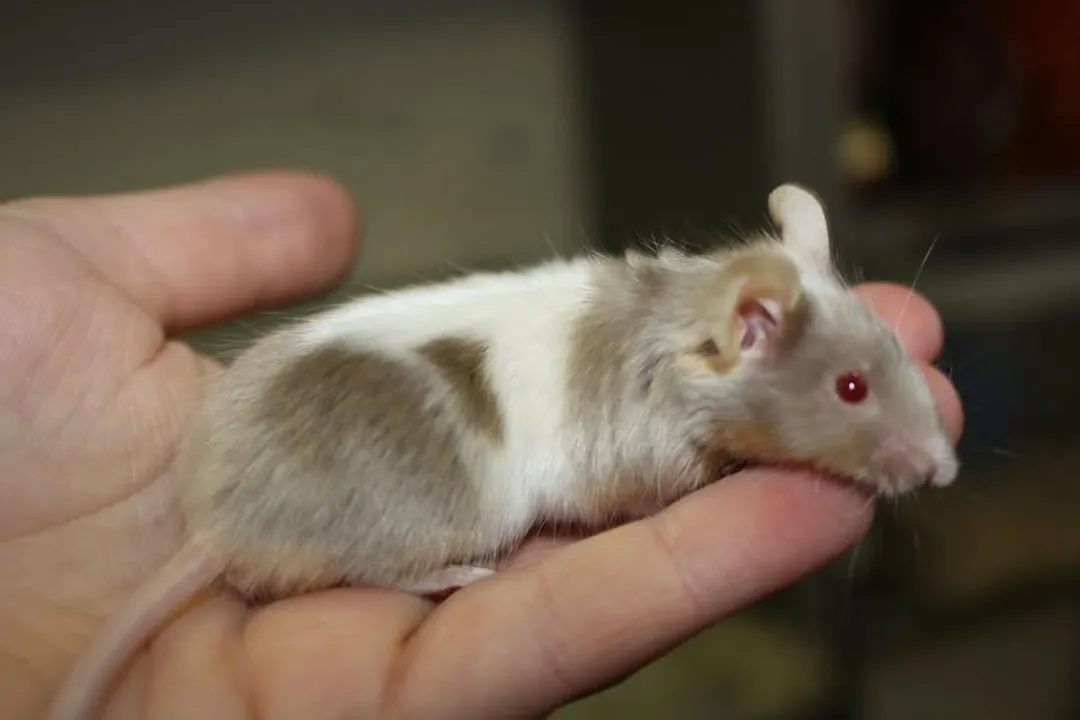
Fancy mice, those charming, pocket-sized companions, are distinct from their wild counterparts, the common house mouse (Mus musculus), primarily due to generations of selective breeding aimed at temperament and appearance. They are not a separate species but rather a domesticated variation, much like the difference between a wild rat and a fancy rat. These small rodents have been bred for various coat colors and patterns, which is where the term "fancy" originates, referring to the show quality or unique aesthetic traits.
# Domestic Roots
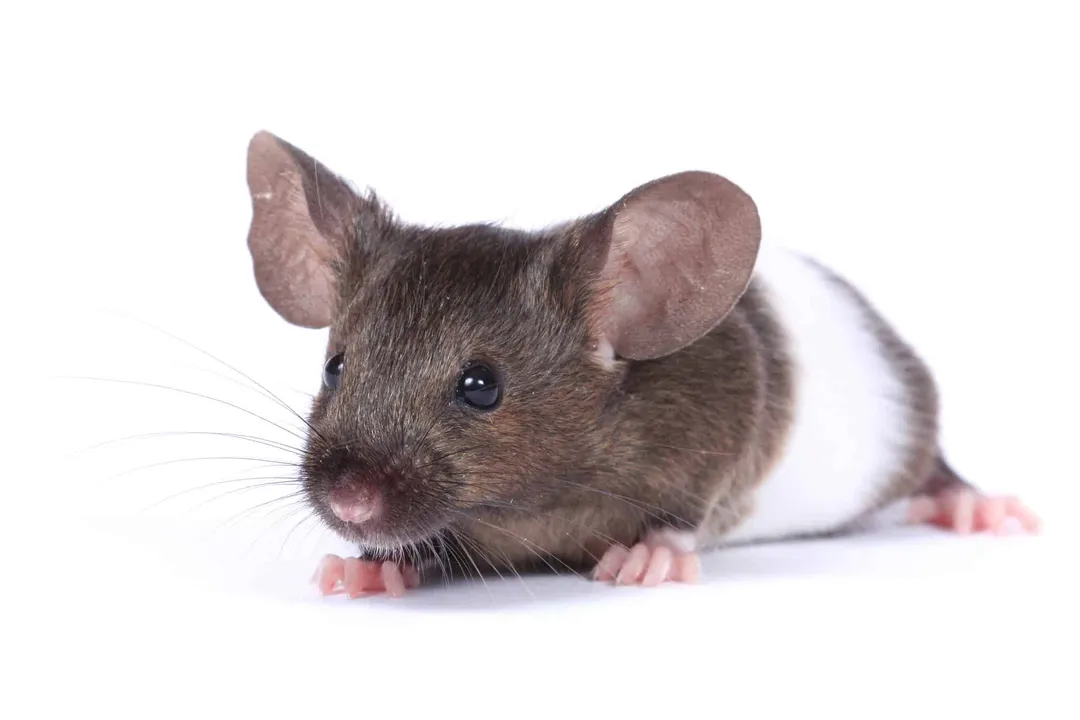
The journey from the field to the home began centuries ago, likely starting with mice kept for curiosity or simple pest control observation. This intentional pairing of mice with desirable traits led to the incredible diversity seen today, ranging from agouti (the natural wild color) to solids, patterned varieties, and even different coat textures. Comparing the wild mouse, whose primary goal is survival and camouflage, to the fancy mouse, whose genetics have been shaped by human preference, shows a clear divergence in selective pressures. The wild mouse is typically built for caution and stealth, whereas the pet mouse is bred, ideally, for docility and interaction.
# Physical Prowess
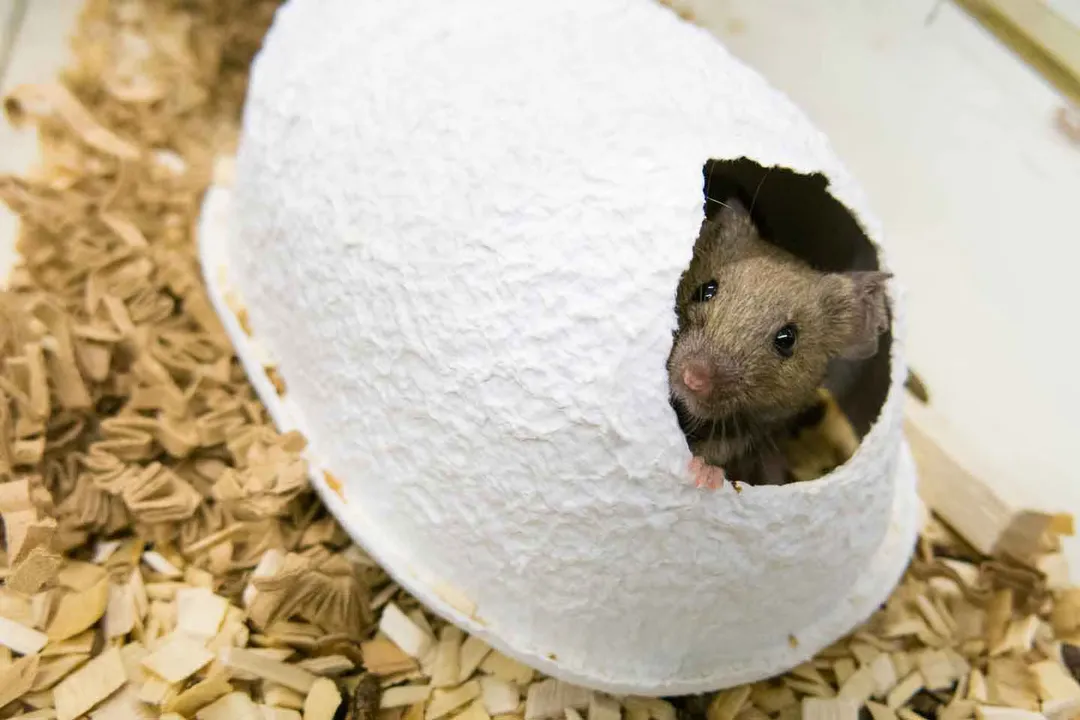
When observing a fancy mouse, its surprising physical capabilities often become apparent, especially if it gets a chance to move freely in a safe space. Despite their small stature, mice are quite athletic; they possess the ability to jump distances equivalent to many times their own body length. This agility is a trait retained from their wild ancestors, where escaping predators required explosive bursts of movement.
Their physical appearance is the most noticeable deviation from their wild relatives. Fancy mice exhibit a spectacular range of variations in their coats. You can find mice that are pure white, black, brown, blue, or patterned with patches of color. Beyond just color, breeders have focused on textures too; some mice may have waltzing traits (a genetic issue affecting balance, often kept for novelty but not ideal for pet health), or variations in tail length or ear placement.
However, their senses present an interesting contrast. While their sense of smell is extremely refined—a necessity for communication and finding resources—their eyesight is relatively poor. They are essentially near-sighted and considered colorblind, meaning the world they perceive is blurry and lacks the vibrant palette that humans enjoy. This poor vision underscores why other senses, particularly hearing, become so crucial to their daily lives.

# Secret Sounds
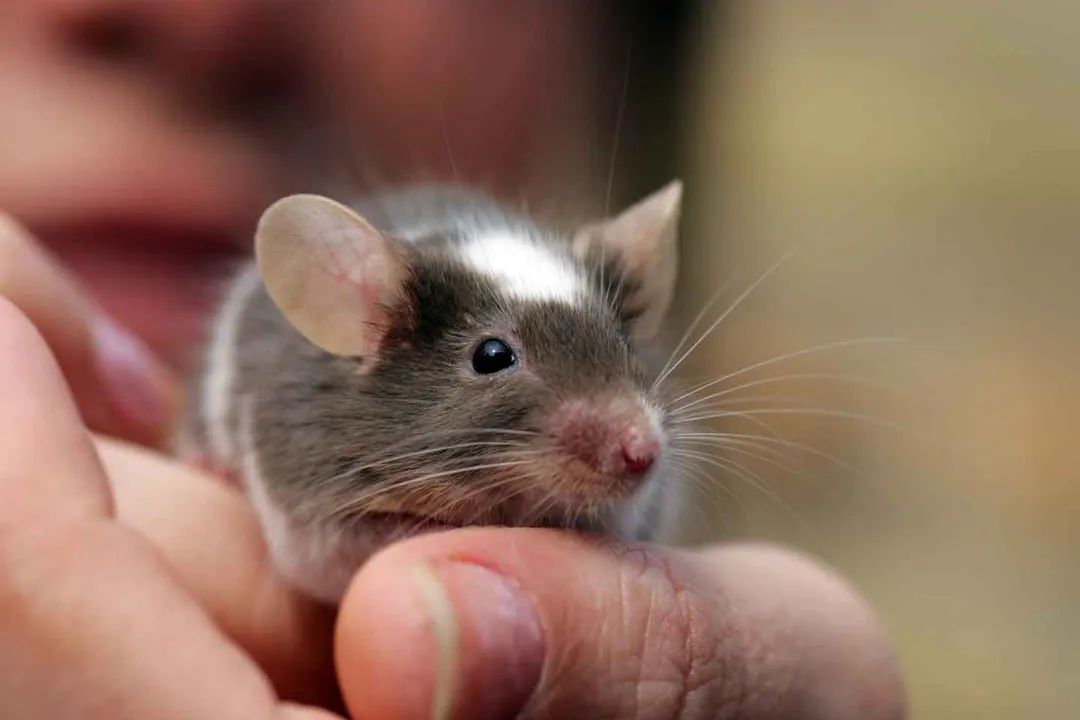
The auditory world of a mouse is far richer than their eyesight suggests. Fancy mice possess incredibly sensitive hearing, capable of detecting sounds well into the ultrasonic range, far above the highest pitches a human can register. This high-frequency communication is vital for their social structures.
Mice use a variety of these ultrasonic vocalizations, often referred to as USVs, to communicate needs, express distress, or engage in courtship. For instance, a mother mouse might emit specific calls to soothe her pups, or males might use them in territorial or mating displays. While owners cannot consciously hear these high-pitched conversations, understanding that they are constantly communicating non-verbally helps frame their behavior. For example, a mouse suddenly leaping or freezing might be reacting to a sound just outside our hearing spectrum, not necessarily a visible threat.
If a mouse is showing signs of stress—pacing, excessive hiding, or rapid breathing—the underlying cause might be something environmental that is acoustically disruptive to them, even if we perceive the environment as quiet. This insight suggests that maintaining a low-vibration, quiet environment is just as important as providing soft bedding; eliminating high-frequency electronic noise might actually contribute to a calmer mouse community.
# Social Lives
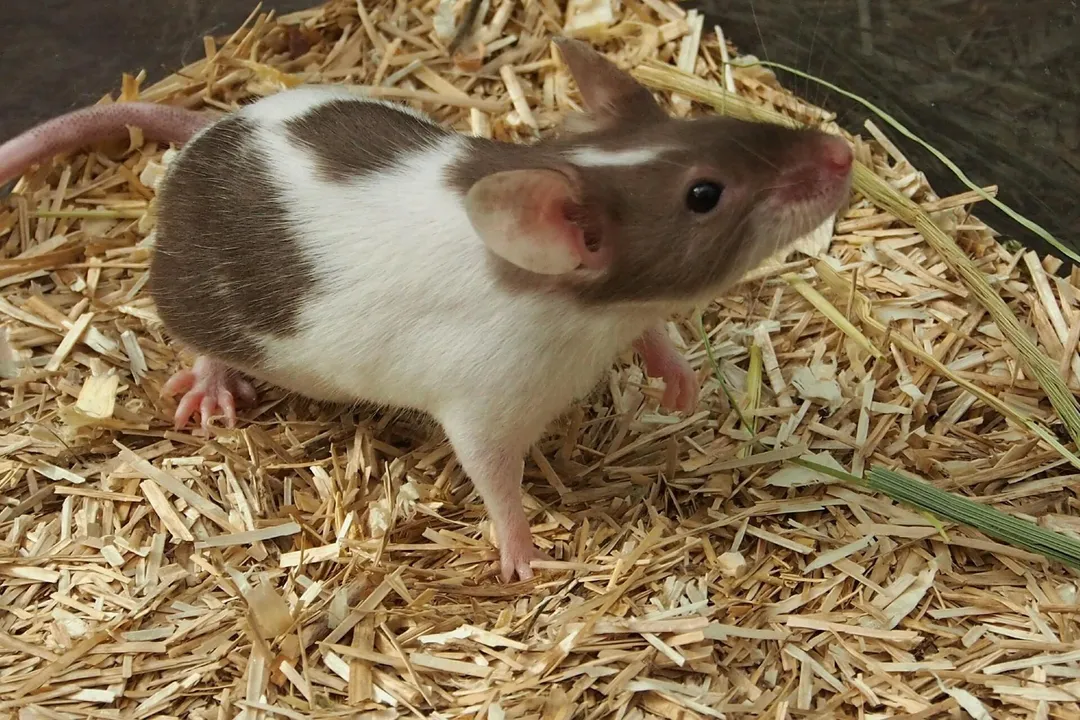
Mice are generally social creatures that thrive on interaction, both with other mice and often with their human caretakers. In their natural setting, they live in family groups or colonies. This sociability means that keeping a single mouse is often discouraged, as they benefit greatly from the company of their own kind.
The dynamic within a group, however, requires observation. While female mice (does) generally coexist peacefully, especially when kept in same-sex pairs or groups, male mice (bucks) can become territorial and aggressive toward one another once they reach sexual maturity. Housing adult, unneutered males together frequently leads to serious fighting, making same-sex female housing or single-sex neutered male housing the standard recommendation for companion keeping.
A lovely aspect of their social behavior is allogrooming, where mice groom each other. This behavior is more than just cleanliness; it reinforces social bonds and trust within the group, acting as a visible sign of a healthy, stable colony structure. A group where all members participate in mutual grooming is likely content and feels secure in their territory.

# Pet Considerations
The expected lifespan for a fancy mouse is relatively short, typically ranging from one and a half to three years. This brevity means owners should appreciate their time together, as the pet will age quickly. Good care extends this period, but their rapid life cycle is an unavoidable reality of their biology.
When caring for these small pets, cleanliness and hydration are paramount. They must have constant access to fresh, clean water, usually supplied via a sipper bottle. Furthermore, while their eyesight is poor, their olfactory sense is keen, meaning they rely heavily on scent marking to navigate and identify their environment and each other. This heightened reliance on smell is why cage hygiene is so critical; a clean cage is a confusing cage to a mouse that relies on scent trails, meaning owners must balance thorough cleaning with leaving some familiar, scented items or nesting materials intact to reduce stress. This trade-off between hygiene and scent comfort is a subtle management technique that experienced keepers learn to navigate, often by spot-cleaning frequently and doing only partial bedding changes weekly.
Despite their small size and generally docile nature as pets, they require specific housing. They are excellent climbers and need vertical space, but their enclosures must have secure mesh or solid sides to prevent escapes, as a determined mouse can squeeze through surprisingly small openings. Providing appropriate enrichment, such as safe tunnels, chew toys, and opportunities to forage, addresses their natural instincts, even though they are far removed from their wild origins.
#Videos
20 THINGS YOU SHOULD KNOW BEFORE OWNING MICE - YouTube
Related Questions
#Citations
10 Facts About Pet Mice - FOUR PAWS in US
Fancy mouse - Facts, Diet, Habitat & Pictures on Animalia.bio
Favorite mouse facts? : r/PetMice - Reddit
20 THINGS YOU SHOULD KNOW BEFORE OWNING MICE - YouTube
Fancy mouse - Wikipedia
what is the difference between a fancy mouse and a pet mouse?
Pet Mice 101: A Beginner's Guide To Keeping a Mouse as a Pet
Fancy Mouse Animal Facts - Mus musculus domestica
Mice as Pets - FOUR PAWS International - Animal Welfare ...
Pet Mice: Guide to Caring for a Fancy Mouse - PetHelpful