What are some facts about Pharaoh Hounds?
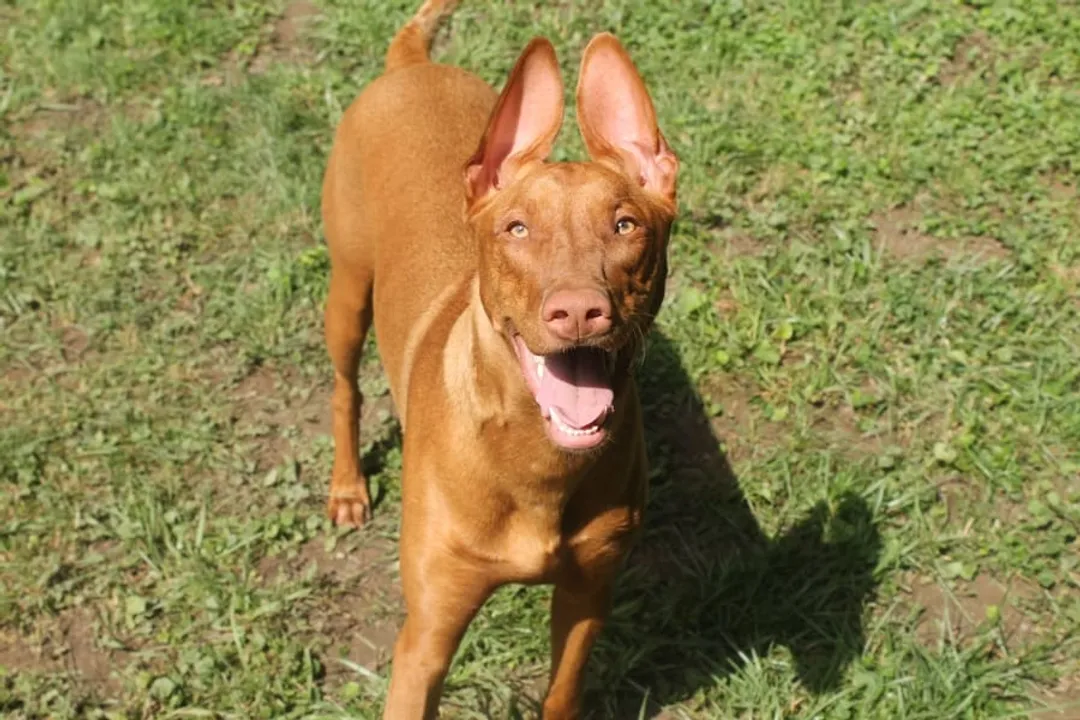
The Pharaoh Hound cuts a striking figure, moving with an elegance that immediately suggests a deep, untroubled history. Often mistaken for being pampered nobility, this breed is anything but delicate in spirit; it is a picture of lean, athletic grace, embodying the power required to survive as a hunter in challenging environments. [4][5][8] Looking at the statues of Anubis might give one the impression of the Pharaoh Hound, yet the reality of this dog is rooted firmly in the Mediterranean, carrying a legacy that is both revered and complex. [4][7] To truly appreciate this companion, one must look past the regal bearing and understand the blend of ancient instinct and modern sensitivity that defines the Kelb tal-Fenek. [2][6]
# Ancient Roots
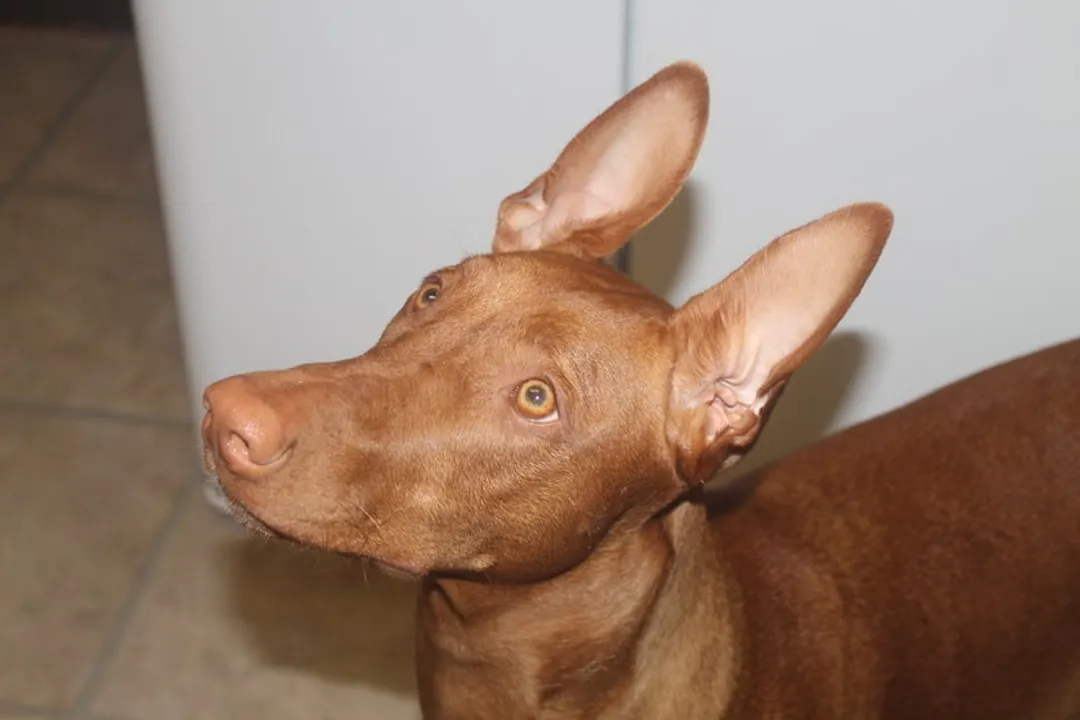
The common narrative surrounding the Pharaoh Hound often points directly to the sands of Ancient Egypt, with compelling evidence found in tomb paintings and carvings dating back to as early as 4400 B.C., suggesting a lineage spanning over 5,000 years. [1][4][8] However, the current genetic picture offers a more nuanced story. Modern DNA studies indicate that while the ancestors may have originated in Egypt—perhaps traded by Phoenician sailors—the breed as recognized today was developed distinctly on the island nation of Malta. [2][3][5][7] In Malta, it is known as the Kelb tal-Fenek, which translates directly to "rabbit dog," reflecting its traditional use in hunting small game across the islands’ rocky terrain. [2][3][6] This isolation allowed the breed to be preserved, tested, and honed by farmers for centuries to keep the local pot full. [4][7] Despite the strong historical link to Egyptian depictions, the consensus among modern genetics suggests it became genetically separate from similar breeds, like the Sicilian Cirneco dell’Etna, relatively recently, perhaps within the last couple of hundred years. [2] The breed gained international recognition under the name Pharaoh Hound, with the UK playing a key role in its standardization in the 1960s and 70s. [2][4]
# Striking Features
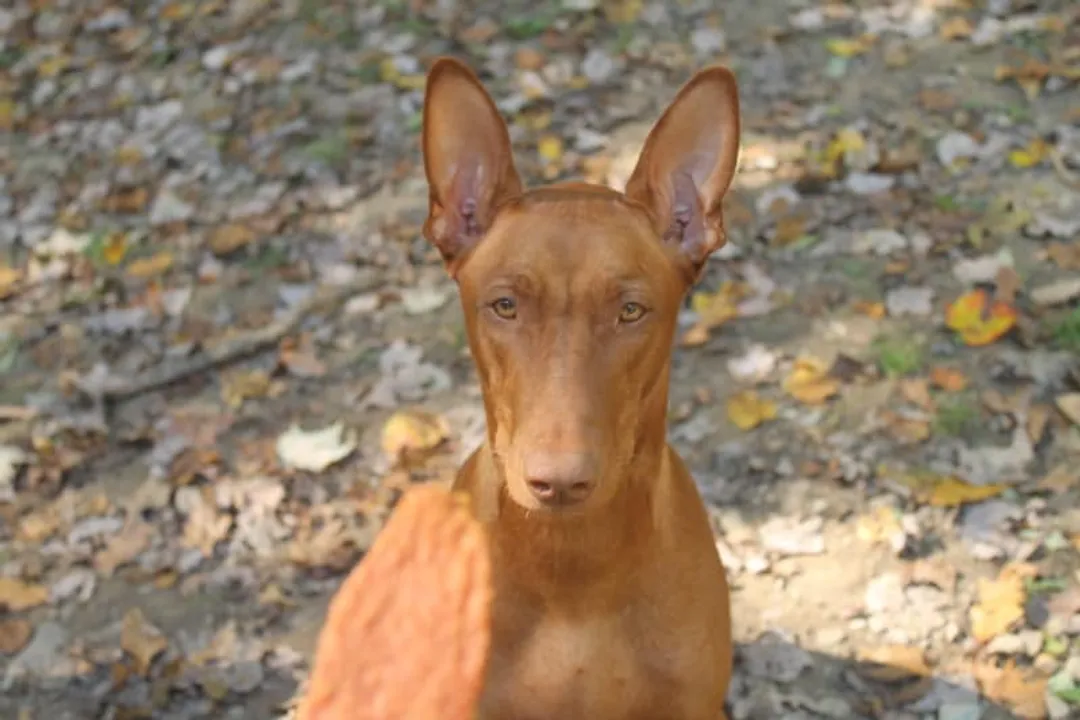
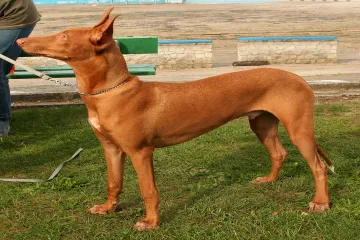
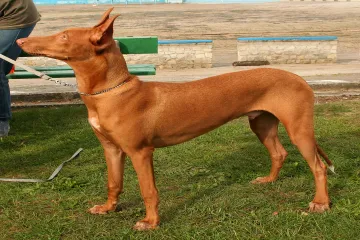
The Pharaoh Hound is characterized by its clear-cut, noble lines—it is a medium-sized hound that manages to look both powerful and delicate. [4][5] They possess a short, glossy, flat coat that is surprisingly easy to maintain, demanding minimal grooming effort beyond a weekly brushing with a rubber mitt to manage average shedding. [3][4][6][8] The coloring is generally in shades of tan to rich chestnut, and while white patches on the chest, toes, or tail tip are sometimes permissible depending on the standard, they are often discouraged by those focused on conformation showing. [3][4][6] Their eyes are a captivating amber color. [2]
What truly sets this breed apart, however, are a few truly distinctive physical manifestations of their excitement. First, they are one of the very few breeds known to physically blush when happy or emotionally worked up; their ears and noses can turn a rosy pink due to increased blood flow to superficial capillaries. [1][2][4][5] Furthermore, when genuinely thrilled to see their people, they are known for giving a wide, toothy grin, a trait often noted by owners. [3][5] Their large, upright ears are naturally erect, standing up around four weeks of age, and act like satellite dishes, constantly scanning their surroundings. [3][6] When they are alert, the position of these ears can tell an owner almost exactly what the hound is focused on. [3]
# Mind and Character
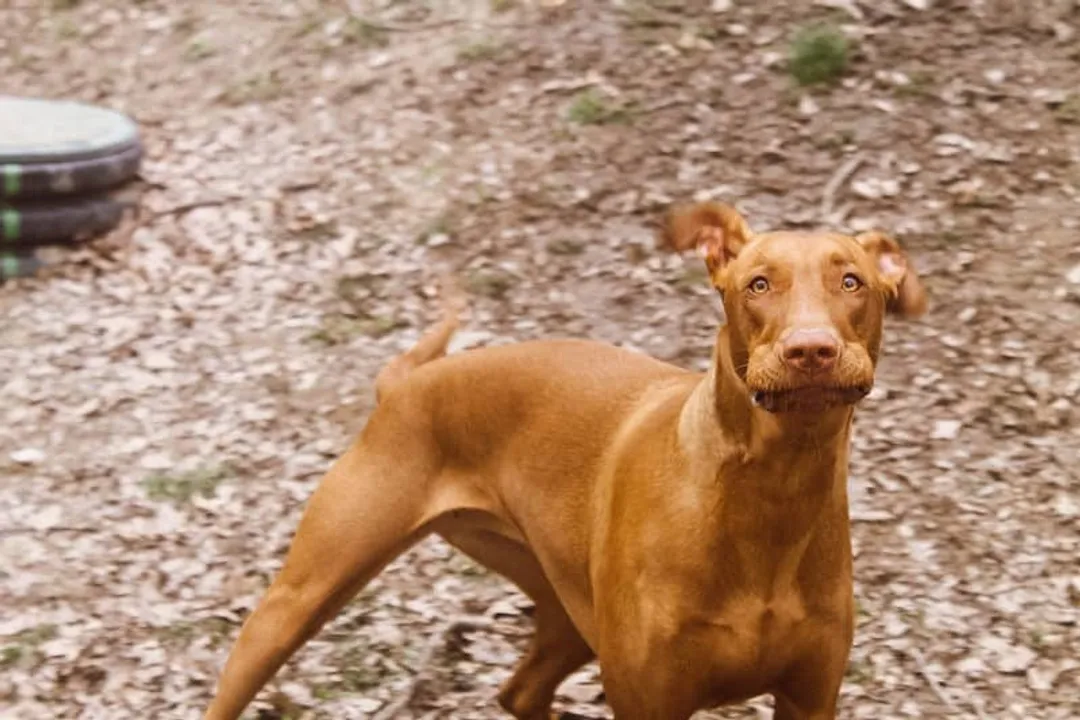
Pharaoh Hounds are widely regarded as highly intelligent, often displaying a clever, problem-solving nature that rivals their speed. [1][3] This intelligence means they learn commands rapidly, sometimes picking up new skills in very few repetitions. [1] However, this high intelligence is coupled with a streak of independence that defines their approach to life. They are decidedly not the stereotypical people-pleaser; in fact, many owners joke that the dog believes they are the Pharaoh, and the human exists to serve them. [3] This means training must be approached with respect and careful motivation, as the breed is highly sensitive and can easily shut down or become unresponsive if subjected to yelling or negative tactics. [1][3]
This sensitivity is a key characteristic to understand. They react strongly to their environment, including loud noises—one owner described a dramatic reaction to a food processor. [3] They can be quite vocal, barking more frequently than many other quiet sighthound types, and they are known for being somewhat dramatic, especially concerning minor perceived injuries, demanding consoling attention. [3][6] While they can be aloof and cautious with strangers, they form incredibly deep, loyal bonds with their immediate family, often showing separation anxiety when their chosen people prepare to leave, even if they are aloof when their owners are simply moving about the house. [1][3][4] It is worth noting that their energy level seems to fluctuate between two extremes: lightning speed or deep sleep mode; they are both couch potatoes and manic athletes depending on the moment. [3]
A practical consideration that stems from this independent intelligence is how their motivation works. Because they are so self-aware and less inclined to obey just for the sake of pleasing you, training must always be framed as a transaction: what is in it for them? This is why food motivation is so often effective; they will perform extraordinary feats when a high-value reward is offered, seeing the training as a solvable puzzle with a tangible payoff, rather than simply trying to earn praise. [1][3]
# The Hunter’s Needs
As a sighthound, speed is paramount. The Pharaoh Hound is a natural sprinter, capable of reaching speeds up to 35 miles per hour, thanks to a deep chest for lung capacity and long, aerodynamic limbs. [1] Historically, they hunted rabbits using a sharp combination of sight, scent, and sound, making them versatile predators. [1][6][8] While other sighthounds rely almost purely on vision, the Pharaoh Hound is equipped to track by scent as well, allowing them to navigate the challenging, rocky terrain for which they were developed. [1][6]
This inherent athleticism translates into a significant need for exercise that must be met, or the dog will invent its own, often unwanted, entertainment. [6] They require vigorous activity, often needing two hours or more of movement daily, which should include opportunities to run at full tilt. [4][6] They excel in canine sports like lure coursing and agility. [6][8] For owners living in more suburban or even city settings, this requirement presents a significant hurdle; while they might fit in a smaller home if exercised adequately, their need for unrestricted running space means they benefit greatly from having a secure outdoor area. [3][6]
This ties directly into the need for exceptional containment. Their prey drive is extremely high; when they spot something small that triggers that instinct—a squirrel, a loose cat, or even a bicycle riding near a fence—all learned recall training can become instantly irrelevant. [1][3] This impulse, combined with their capacity for jumping, necessitates a very secure yard, typically requiring fencing that is six feet high or more to ensure they remain safe and do not chase quarry into dangerous areas like roads. [4][6][8] Furthermore, due to their thin coats, they do not tolerate cold or wet conditions well, meaning owners should invest in an appropriate coat for walks during inclement weather. [6]
# Health and Maintenance
Overall, the Pharaoh Hound is generally a healthy breed, with a good expected lifespan often falling between 11 and 14 years, provided they receive proper nutrition and care. [4][5][6] Grooming is remarkably simple; their short coats are "wash and wear," requiring only weekly brushing. [4][6] However, potential owners must be aware of two major physiological considerations: their lack of black pigment and their sensitivity to drugs.
Because they lack black pigment, their nose and pads are flesh-colored, blending with their tan coats, and this lack of pigment contributes to their ability to blush. [3][4] More critically, they are known to be significantly more sensitive to anesthesia than many other breeds due to their rapid metabolism. [1][3][8] Any dog owner facing a surgery, including routine spaying or neutering, must communicate this sensitivity to their veterinarian and insist on protocols designed for sighthounds, such as the Greyhound Protocol, to ensure safety. [1][3] They can also be more sensitive to various medications generally. [1] Another unique care note involves their food; some owners report they can be quite fussy eaters, sometimes requiring large quantities of food but refusing to eat the same thing two days in a row. [3] Regular teeth brushing and frequent nail trimming (every two to three weeks) are necessary components of their simple coat care routine. [4][8]
# Socializing the Hound
In the home environment, the Pharaoh Hound is typically a wonderful companion, scoring highly on metrics for being good with other dogs and generally friendly with children. [4][7] They are described as intelligent, fun-loving, and affectionate with their family unit. [4][7] Their gentle nature can be patient with children, though their rambunctious, high-energy bursts mean that interactions with very small children should always be supervised. [1][6]
The challenge in social settings often arises with smaller, non-canine pets. Their deeply ingrained prey drive means they are not naturally suited for homes with cats or rodents. [3][6][8] While it is possible to acclimate a puppy to existing cats through slow, supervised introductions and consistent positive reinforcement, they should never be left alone with them, as a sudden chase instinct can overwhelm their training in an instant. [1][3][6] When meeting new people outside the home, they might be shy or cautious initially, but proper socialization early on generally helps them warm up to strangers. [1][4] When it comes to other dogs, they are usually gregarious and friendly, often thriving in multi-dog households, provided they were socialized early to accept them as companions rather than prey. [1][6] Their suitability for apartment living is questionable unless the owners commit to providing extensive, vigorous outdoor exercise daily, as they need room to express their dual modes of lightning-fast running and deep relaxation. [3][6]
Related Questions
#Citations
Pharaoh Hound Dog Breed Guide - Complete Guide
Pharaoh Hound - Wikipedia
Pharaoh Hound Dog Breed - Hill's Pet Nutrition
Pharaoh Hound - The Westminster Kennel Club
5 Mind-Blowing Facts About the Pharaoh Hound
Pharaoh Hound Facts - Dog Breeds - Wisdom Panel
Pharaoh Hound Dog Breed Information | Purina UK
Pharaoh Hound | Dog Breed Facts and Information - Wag!