What are puffins classified as?
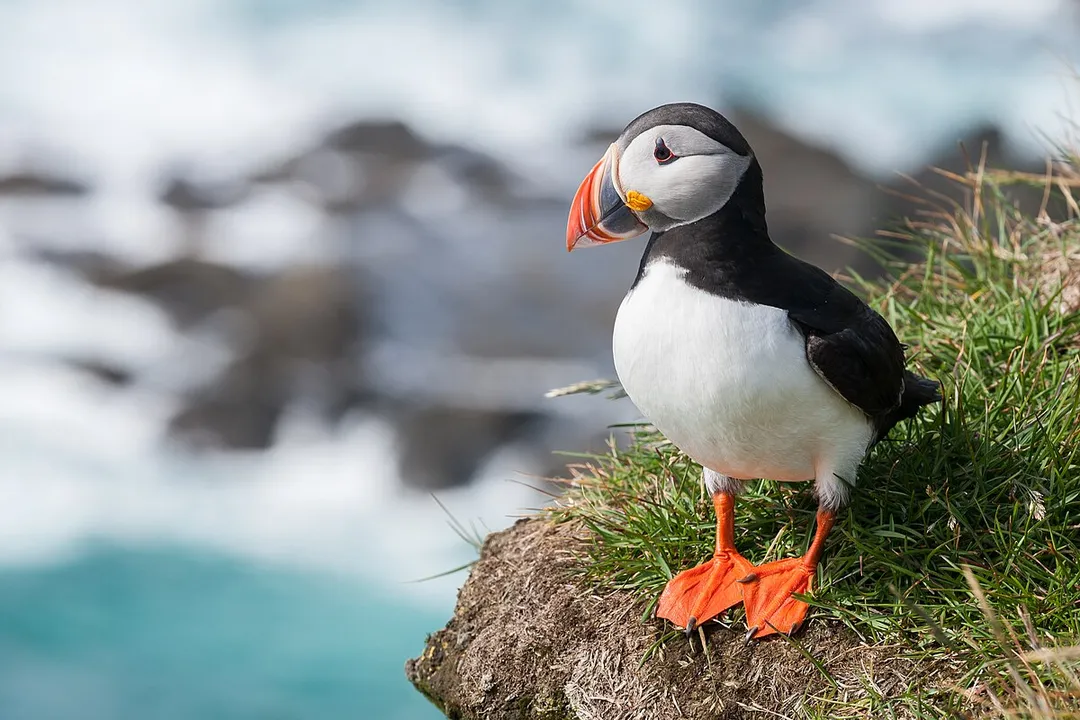
Puffins, with their striking black-and-white plumage and famously colorful bills, are among the most instantly recognizable seabirds of the North Atlantic and North Pacific Oceans. Their unique appearance often prompts curiosity about where exactly these charming creatures fit into the grand scheme of the animal kingdom. To understand a puffin is to trace its lineage through the Linnaean system, starting from the broadest categories down to the specific genus they inhabit.
# Aves Kingdom
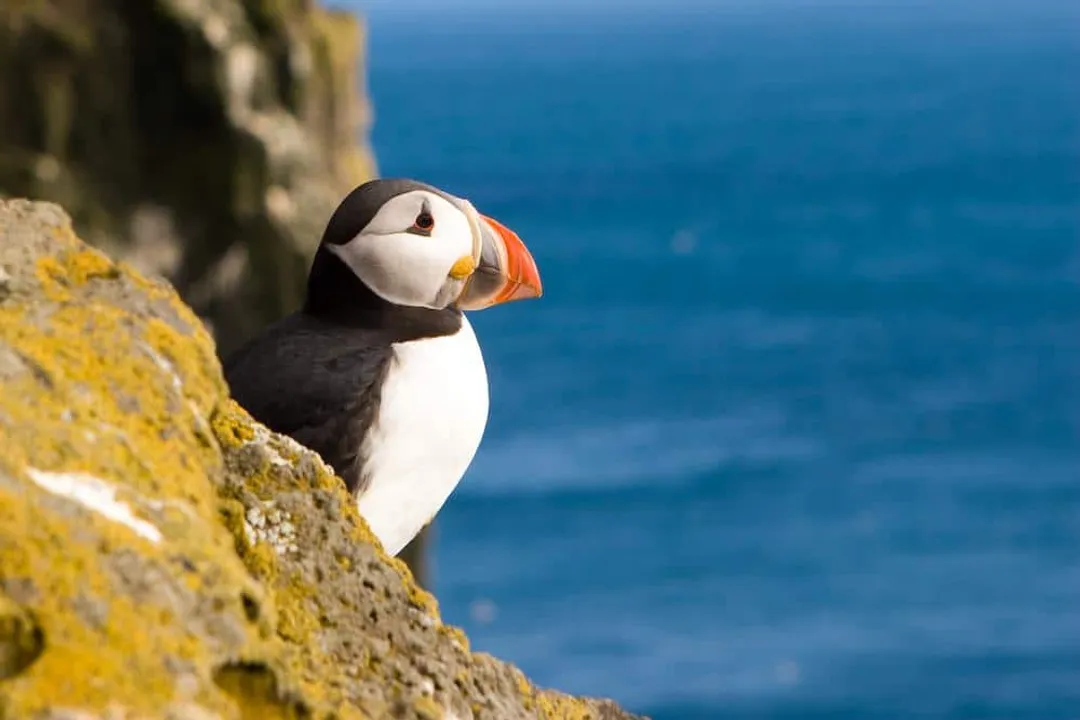
At the highest level of biological organization that concerns them, puffins are birds, belonging to the Class Aves. This places them in the lineage of warm-blooded vertebrates characterized by feathers, beaked jaws, the laying of hard-shelled eggs, a high metabolic rate, a four-chambered heart, and a strong yet lightweight skeleton optimized for flight. Like all birds, they are descendants of feathered dinosaurs, a connection that speaks to their ancient evolutionary roots.
# Order Placement
Moving down the classification ladder, puffins are assigned to the Order Charadriiformes. This is a massive and highly diverse order, often referred to as the shorebirds, which might seem counterintuitive given the puffin’s life spent primarily at sea, far from a typical sandy shore. This order encompasses nearly 180 species, including sandpipers, plovers, gulls, and terns. What unites them, despite their varied habitats, is often shared skeletal structures and feeding behaviors, especially when nesting. Puffins, however, have evolved specialized features that make them exceptional pelagic foragers, diverging significantly from their terrestrial or coastal cousins within the same order.
# Seabird Family
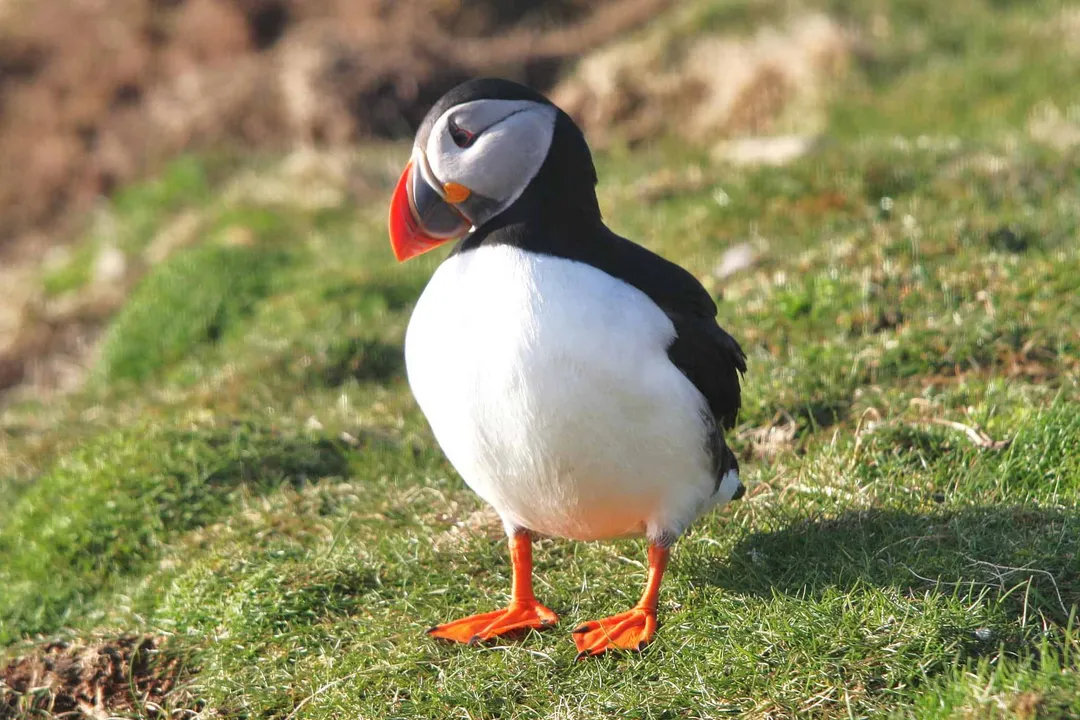
The crucial step in defining what a puffin is comes at the family level: they are classified within the Alcidae family, commonly known as the auks, murres, and puffins. This family is exclusively marine, inhabiting cool, northern waters. If you are looking for a close relative, you should think of a murre or a razorbill rather than a gull or a petrel. The Alcidae family is characterized by birds adapted for life on the water, possessing dense, water-repellent plumage and strong legs set far back on their bodies, which aids in underwater propulsion.
Within the Alcidae, puffins are unique enough to be separated into their own genus, which brings us to the specific identity markers of these popular birds.
# The Genus Fratercula
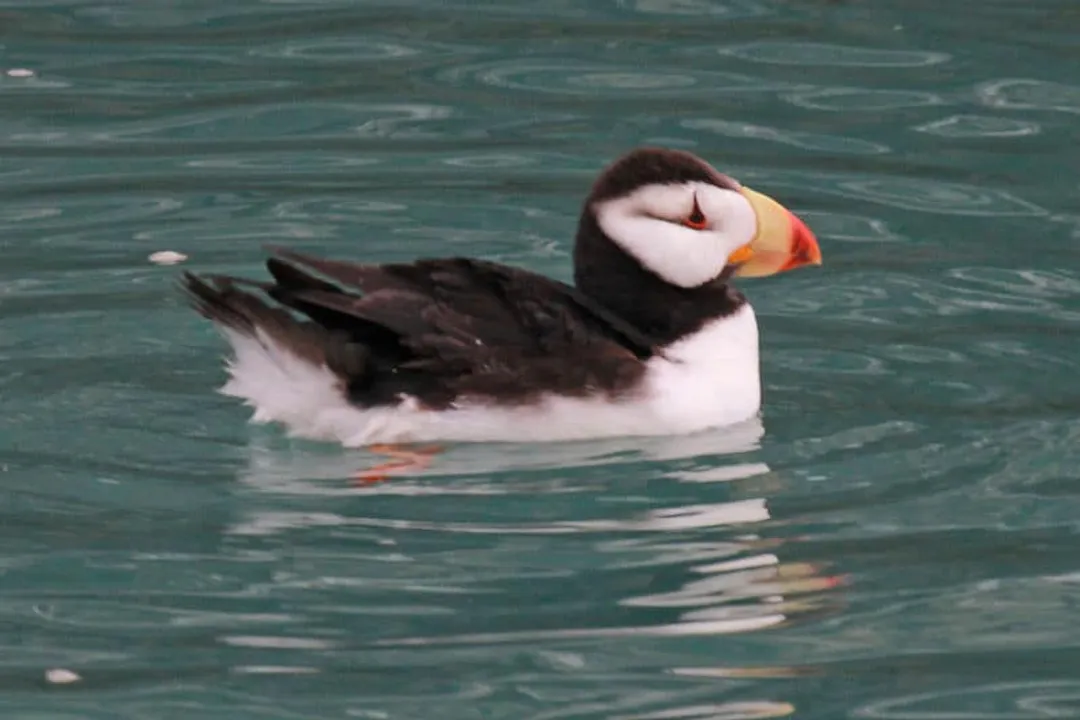
Puffins belong primarily to the genus Fratercula, which contains three of the four recognized species. The genus name itself helps distinguish them from other members of the Alcidae family, such as the dovekie or the murre. The birds classified under Fratercula are distinguished from other auks by their large, brightly colored, triangular bills, which become particularly vibrant during the breeding season.
There are four distinct species generally recognized as puffins, though they are split across two genera:
- Atlantic Puffin (Fratercula arctica): Found in the North Atlantic.
- Horned Puffin (Fratercula corniculata): Found in the North Pacific.
- Tufted Puffin (Fratercula cirrhata): Also found in the North Pacific.
- Rhinoceros Auklet (Cerorhinca monocerata): While sometimes grouped colloquially with puffins due to its appearance, it belongs to a separate genus, Cerorhinca, yet remains closely allied within the Alcidae family.
It is interesting to note how the family structure reflects geography. The Atlantic Puffin is the sole representative of the Fratercula genus in its ocean basin, while the Pacific Ocean hosts the other two Fratercula species alongside the Rhinoceros Auklet. This east-west split suggests different evolutionary pressures and speciation events separated by vast oceanic barriers.
| Species Name | Scientific Genus | Primary Ocean Range | Defining Feature (Besides Bill) |
|---|---|---|---|
| Atlantic Puffin | Fratercula | North Atlantic | Smallest of the three Fratercula species |
| Horned Puffin | Fratercula | North Pacific | Possesses a small, fleshy horn above the eye |
| Tufted Puffin | Fratercula | North Pacific | Has long, pale yellow tufts of feathers hanging back from the eyes |
| Rhinoceros Auklet | Cerorhinca | North Pacific | Possesses a small, temporary horn on its bill during breeding |

# Morphological Classification Markers
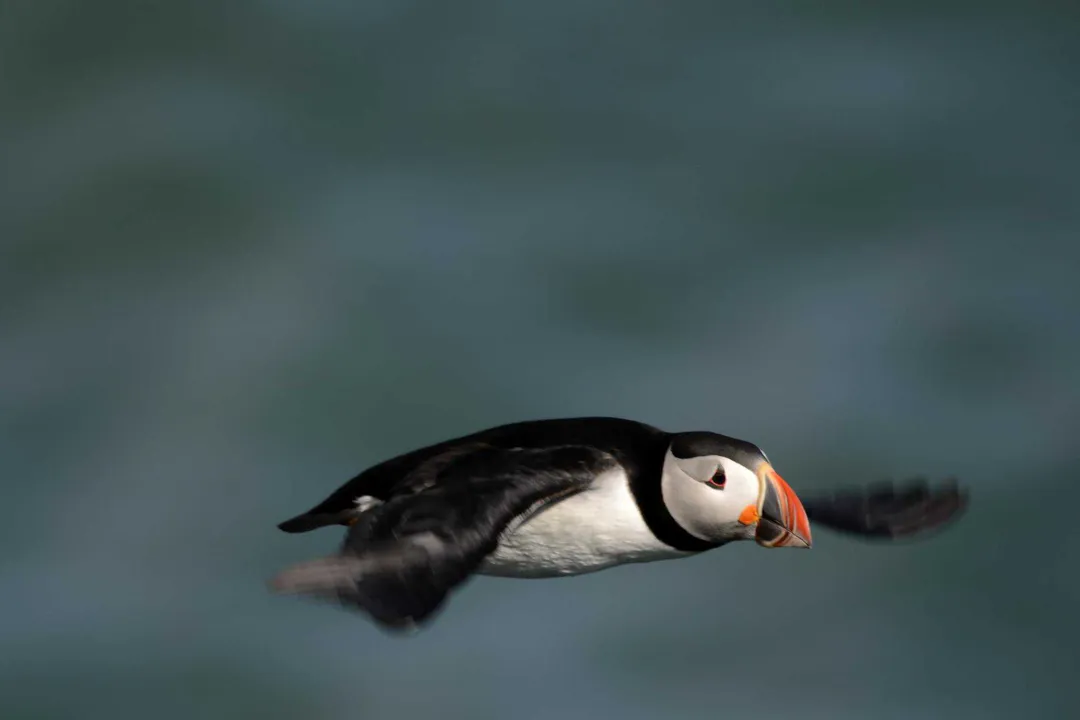
The features that allow us to easily spot a puffin in a field guide—the colorful bill and the stout body—are physical manifestations of their classification as specialized seabirds. Their classification as Alcids is strongly linked to their method of locomotion. Unlike many other birds that primarily use flapping flight for sustained travel, puffins rely heavily on underwater flight. Their wings are small, stiff, and paddle-like, which makes them less efficient flyers in the air compared to many other seabirds, but perfect for "flying" through the water by using their wings for propulsion and their feet as rudders. They can reach depths of up to 60 meters (nearly 200 feet) while hunting small fish like sand eels and herring.
The dramatic bill, which gives the puffins their common name identity, is actually a seasonal accessory. Outside of the breeding season, the outer sheath of the bill is shed, making the bill smaller and duller. This striking visual difference between the breeding adult and the wintering bird is a key identifier for birders, but the underlying bony structure remains consistent with their family classification year-round.
# Ecological Role
From an ecological perspective, the puffin’s classification places it as a planktivorous/piscivorous top-tier predator in its near-shore breeding environment, though mostly a secondary consumer when feeding at sea. They aggregate in massive colonies on rocky cliffs and remote islands to nest, often digging burrows for their single chick. This colonial nesting behavior is common among many members of the Alcidae family, suggesting a shared evolutionary advantage to safety in numbers against ground predators, even though their aerial competitors are few.
When observing a group of puffins diving off a northern headland, one might see them mingling with murres and razorbills—all members of the Alcidae family—yet the puffins’ specific genus classification sets them apart in behavior, particularly in their preference for burrow-nesting over open-cliff nesting typical of some other auks. This subtle distinction in nesting habit, combined with their iconic facial features, reinforces why they earned their own genus, Fratercula, within the larger, ecologically successful seabird family Alcidae. Their position as Class Aves, Order Charadriiformes, Family Alcidae defines their structure, while their genus Fratercula defines their most famous traits.
Related Questions
#Citations
Puffin - Wikipedia
Puffin Fact Sheet | Blog | Nature - PBS
Fratercula (puffins) | INFORMATION - Animal Diversity Web
Puffin FAQs | Hog Island Audubon Camp
Puffin | Seabird, Atlantic, Atlantic Ocean | Britannica
Know Your Puffins | Smithsonian Ocean
Know Your Puffins Puffins belong to the Alcidae family of seabirds ...
Atlantic Puffin - Fratercula arctica - New Hampshire PBS
Puffins Facts and Information | United Parks & Resorts - Seaworld.org
Puffin Bird Facts - Fratercula arctica - A-Z Animals