Where can I get alpine goats?
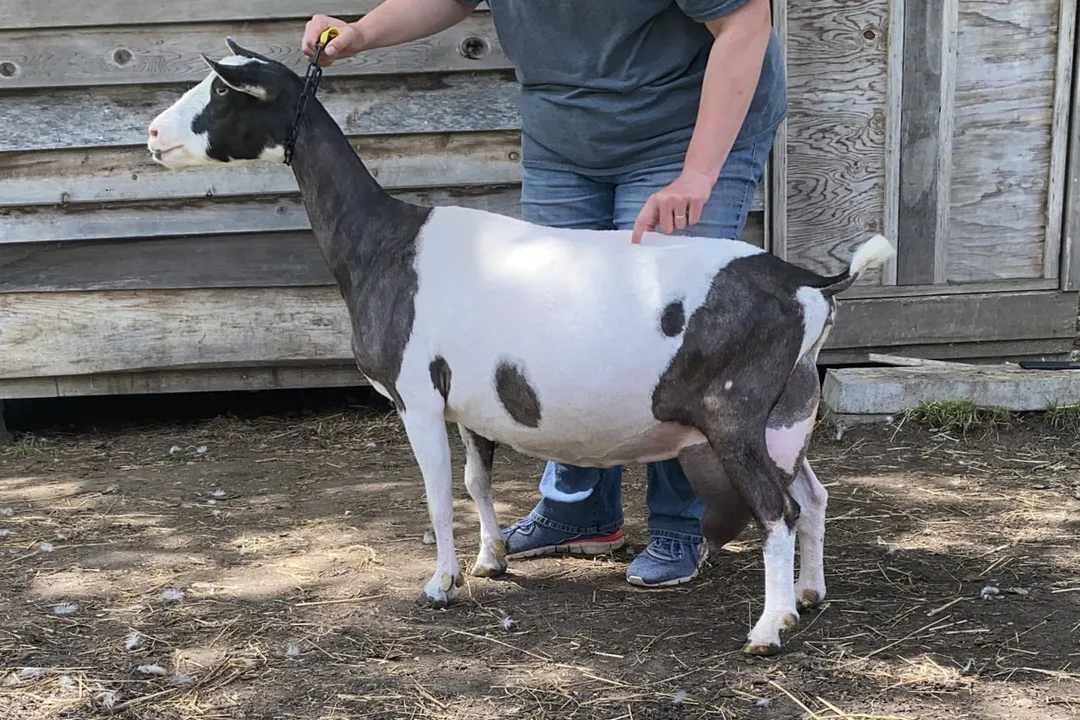
Finding the right Alpine goat for your homestead or dairy operation involves more than just a quick search; it requires understanding where to look and what level of commitment to pedigree and production history you need. The Alpine breed, renowned for its hardiness and exceptional milk output, is available through several avenues, from large online listings to established, performance-focused breeding programs.
# Online Marketplaces
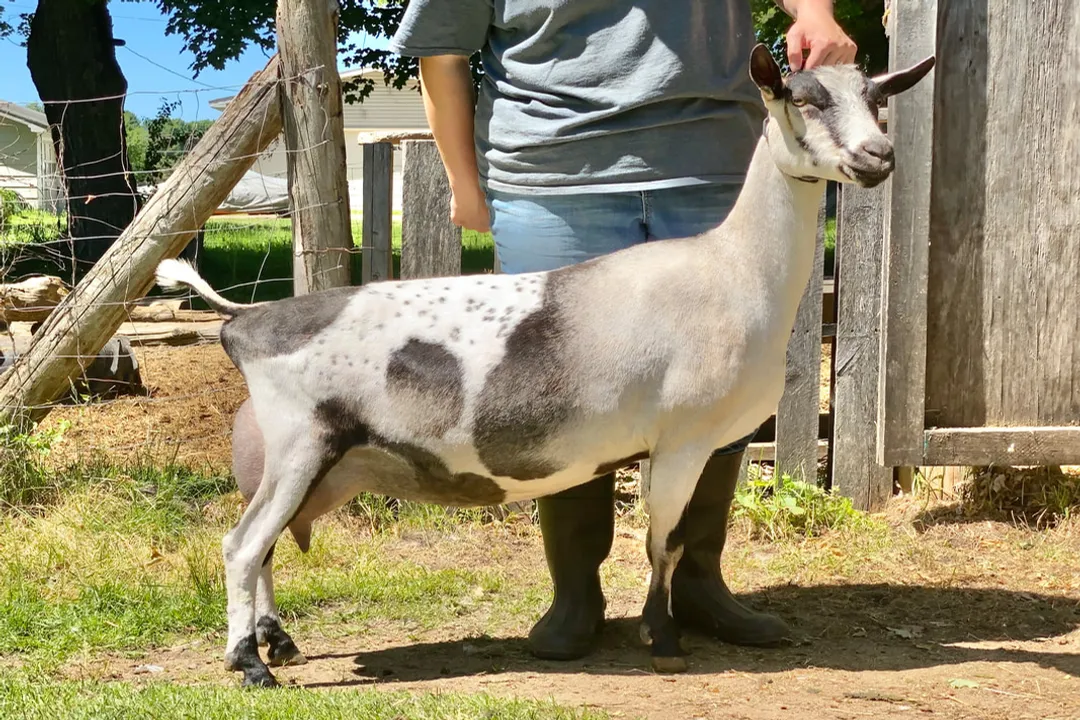
For a broad overview of what is currently available across the United States, online livestock marketplaces serve as an excellent starting point. Platforms like Openherd allow prospective buyers to search specifically for the Alpine breed and even filter by sub-types, such as American Alpine or French Alpine. This is where you might find goats listed by smaller, less established operations or individuals looking to move stock quickly.
Listings found on these general sites often include young kids or does at competitive, fixed prices, sometimes even bundled with other breeds or crosses. For instance, some listings show prices for kids in the range of \70 to \300 depending on age and status, with older or pregnant does listed slightly higher. This provides a fast, accessible entry point into Alpine ownership.
However, when relying solely on these broad platforms, it is crucial to remember that the information provided might be less detailed regarding official registration status or long-term health testing compared to specialized farms.
# Specialized Breeders
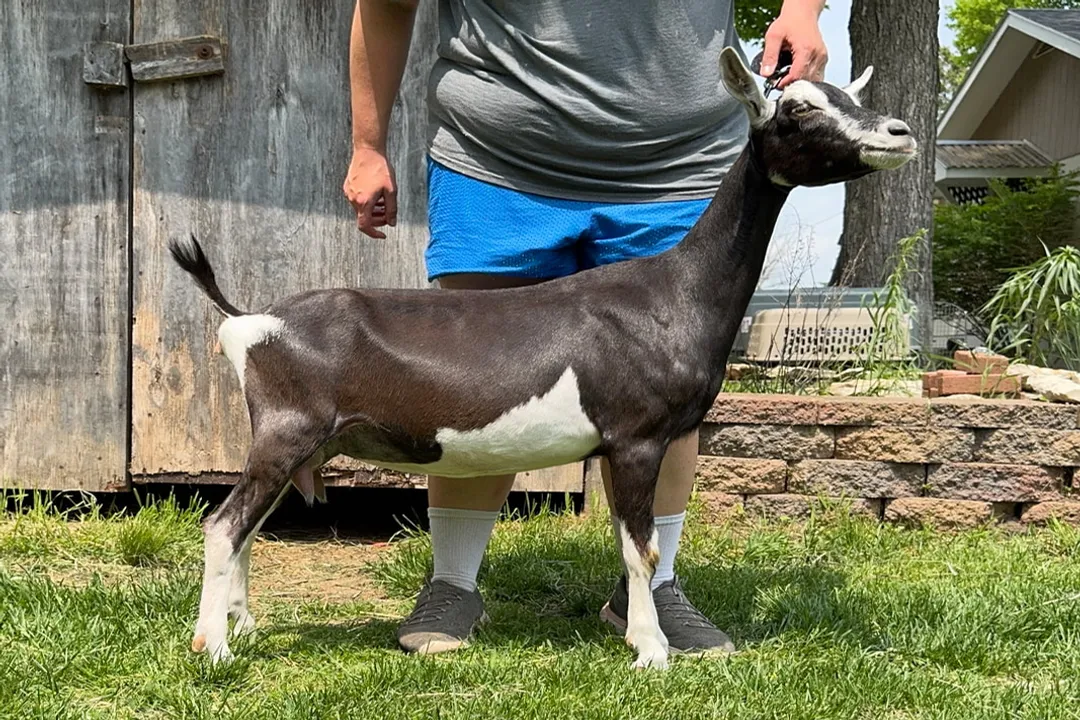
Serious dairy enthusiasts or those establishing a production herd often look toward established breeders who focus on performance metrics tracked by organizations like the American Dairy Goat Association (ADGA). Breeders featured on farm websites demonstrate a deep focus on specific traits that determine a goat's value in milk production and conformation.
For example, Echolight Farm focuses on ADGA American Alpine genetics, actively participating in DHIR Milk Testing and Linear Appraisal, and aiming for does with longevity and natural parasite resistance. They are also focused on acquiring desirable traits like POLLED (naturally hornless) genetics. Similarly, Redwood Hill Farm, with a history dating back to the 1960s, prides itself on the "Winning Combination of Milkability and Showability," evidenced by their repeated success at national shows.
When dealing with these specialized operations, availability is often dictated by kidding seasons, and you will frequently encounter reservation systems. For example, a potential buyer might need to place a deposit on a kid months before birth, with final pricing reflecting the commitment to documented dairy excellence.
# Understanding Breed Variations
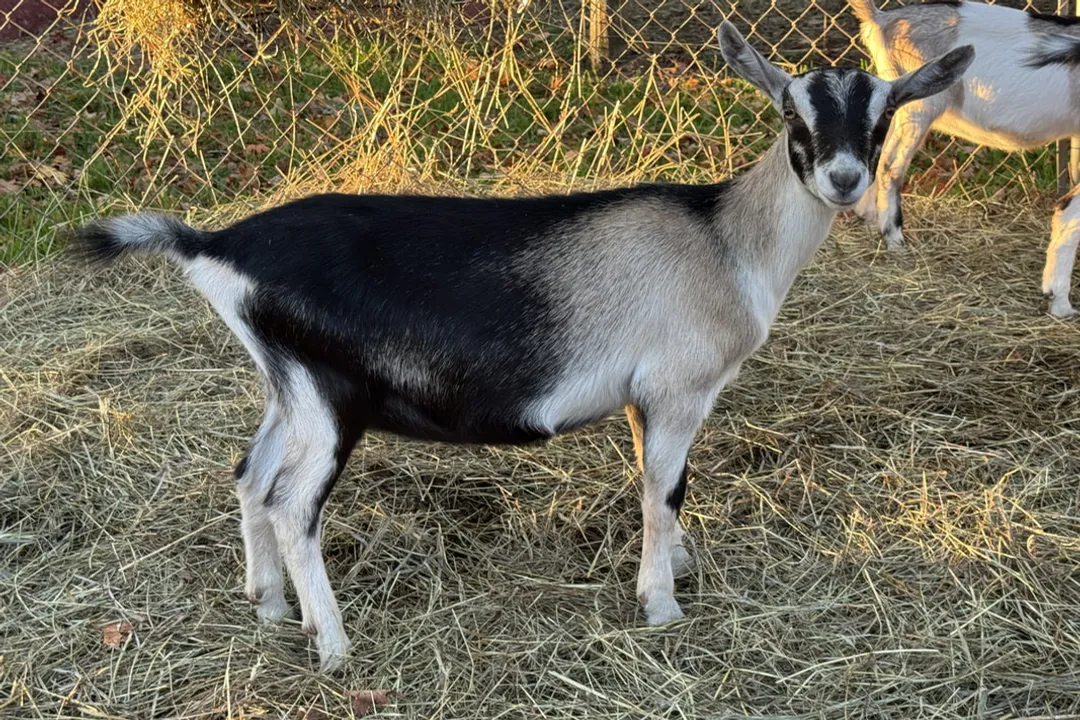
The term "Alpine goat" encompasses several distinct lineages, and understanding these differences is key to finding the right animal.
# French vs. American Alpine
Historically, the breed originated from the landrace goats in the Swiss Alps, with imports to the U.S. descending from stock gathered in the French Alps in the 1920s. Today, you will commonly find both French Alpine and American Alpine goats.
- French Alpines: Miss Dee's Farm, for instance, specifically raises French Alpines, emphasizing sustainable practices. Some sellers specifically market bucks whose pedigree traces back to purebred French Alpine sires.
- American Alpines: These are typically the focus of ADGA performance breeders like Echolight Farm and Redwood Hill Farm. They follow ADGA standards closely, and their documentation often includes official scores and production records.
# Miniature Alpines
A growing niche is the Miniature Alpine, which is a cross between the standard Alpine and the Nigerian Dwarf breed. This cross aims to combine the Alpine's high milk capacity with the Nigerian Dwarf's hardiness and higher butterfat/protein milk components. Wasilla Lights Farm, though retired from ownership, was a proponent of this medium-sized, easily handled variety.
# Utility Focus
Beyond purebred dairy lines, some breeders cater to other uses:
- Pack Animals: Garden Dairy Alpine Goats specifically notes they take pre-orders for pack kids and will accommodate requests for horns if ordered before disbudding.
- Dairy Production: Farms like LivestockFarmUSA focus on high volume, noting their Alpines often produce 1 to 2 gallons of milk per day with around 3.5% butterfat.
This difference in focus—whether breeding for show lines, maximum volume, or pack agility—directly influences where you should focus your search and what you should expect to pay.
# Navigating Purchase Decisions
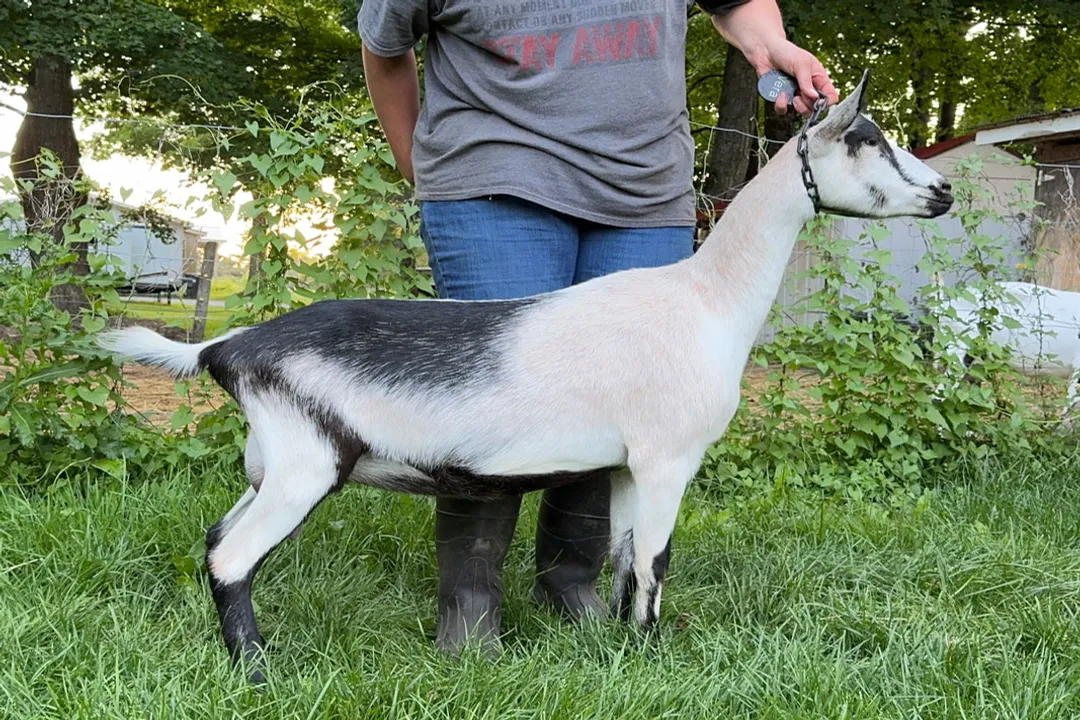
For a buyer stepping into Alpine ownership, the sheer variety of sources and pricing structures can be confusing. It is important to match the seller's focus to your needs. If your primary goal is a reliable source of milk for a small family or for homestead products like soap and cheese, a farm emphasizing general health, good temperament, and decent production, as described by some general sellers, might suffice and be more budget-friendly.
However, if you intend to enter the competitive world of dairy shows or need predictable production levels for a commercial venture, investing in stock from breeders who provide ADGA paperwork and performance data is the sounder long-term choice. The slightly higher initial cost for documented ADGA stock often translates to better genetic predictability, as evidenced by Echolight's focus on specific udder architecture and longevity traits. One way to judge a breeder’s investment in quality documentation is to look for incentives; for example, Garden Dairy Alpine Goats offers a $200 credit if a buyer earns a milk star or champions one of their goats in an ADGA show, indicating they stand behind the genetic potential they sell.
Furthermore, when considering any livestock purchase, always ask about health testing protocols. Breeders like Echolight Farm highlight that their herd is CAE and JOHNES NEGATIVE. While some sellers mention general health checks and vaccinations, knowing if specific, costly, and essential dairy goat disease testing has been performed provides immense peace of mind and prevents future herd contamination issues.
The varied approach to animal husbandry itself is also a point of difference worth noting. While some focus on conventional veterinary care and show conditioning, others, like Wasilla Lights Farm in their historical notes, mention using herbs for parasite control alongside conventional testing, and offering ongoing mentorship to new owners. Understanding a farm's philosophy on care—from diet to deworming—is an essential part of the due diligence process when choosing where to acquire your new herd members.
Related Questions
#Citations
Alpine Goat For Sale - Healthy - Fast Shipping | Briscoefarm
Alpine Dairy Goats - echolight farm
Alpine goats for sale in United States - Openherd.com
The Redwood Hill Farm Alpine goat herd started in the 1960's when ...
French and American Alpine Dairy Goats - Weeping Willow Farm...
Missdee's French Alpine Dairy Goats: Home
Alpine Goats for Sale - livestockfarmusa.com