What is a Koolie dog known for?

The Koolie dog is perhaps best defined by its working prowess and remarkable versatility, holding a distinct place in Australian canine history. Known primarily as an Australian working or herding dog, this breed has been instrumental to the country's livestock-based lifestyle since the early 1800s. They are intelligent, exceptionally energetic, and loyal companions, provided they receive the appropriate engagement their nature demands. While they possess an inherent friendliness that prevents them from being true guard dogs, their attentiveness makes them excellent watchdogs. The dedication and biddability exhibited by the Koolie in the field have also seen them transition successfully into modern pursuits like agility, tracking, and even therapy work.
# Heritage Naming
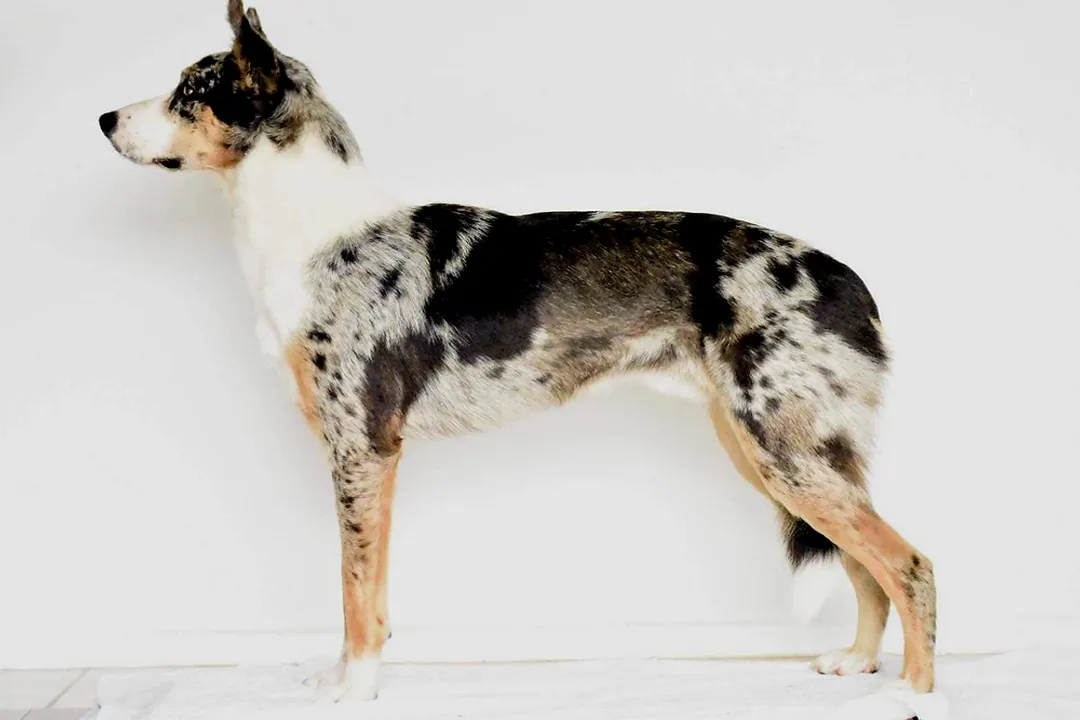
The precise lineage of the Koolie is somewhat obscured by sparse record-keeping, a common feature of breeds developed purely for utility rather than show. The most accepted theory posits that their foundation stock consisted of European herding dogs imported to Australia by early settlers. These dogs, often described as Collie-type herders, may have interbred with the native Australian Dingo. This mixing is credited with producing a hardier working dog with a shorter, single-layer coat, better suited for Australia's warmer climate.
The breed has carried several names throughout its existence, which can lead to confusion. Historically, the term German Coolie was used, possibly referencing the German immigrants who brought their dogs, or perhaps as a slang corruption of Collie. Today, the preferred names are Koolie or Australian Koolie. It is important to distinguish the dog from the term Coolie, which has historical derogatory connotations. The fact that they played a role in developing other famous Australian breeds, such as the Australian Cattle Dog and the Australian Kelpie, further solidifies their agricultural significance.
# Working Skills
What sets the Koolie apart is the specific combination of skills developed over generations of selection based solely on field performance. Breeders prioritized function, resulting in a dog renowned for its intense drive and powerful work ethic. Koolies are frequently characterized as silent, upright working dogs. Their herding technique is highly adaptable, allowing them to manage various stock, from ducks to bulls.
A Koolie’s repertoire of skills includes:
- Heading: Moving to the front of the stock to push them toward the handler.
- Driving/Heeling: Pushing the stock from behind.
- Casting: Moving widely around the stock to control their movement.
- Blocking: Holding stock in place or stopping them from moving forward; in sheep trials, this action is known as the "pick up".
- Backing: A technique utilized when necessary, involving jumping onto the backs of the animals being herded.
This breed is noted for having a "good eye," meaning they can easily shift focus from controlling the main group to gathering 'breakaways' (stock that strays). Unlike some breeds that favor a crouched style or specific environment, Koolies are comfortable working in confined areas like trucks or yards, as well as in open paddocks. Their intelligence allows them to learn complex commands and remember them, making them highly responsive team members for their handler.
This regional specialization in herding needs has subtly shaped the physical presentation of the dog itself. For instance, Koolies developed in the northern areas of Queensland and New South Wales were bred for mustering cattle over long distances, suggesting they are typically tall, medium-boned, and agile. Conversely, dogs from New South Wales were specialized to flush cattle from dense bush and gullies, leading to a thicker set and shorter build. For owners looking to utilize a Koolie, understanding this history can be an informal guide. If you live on open rangeland requiring long-distance drives, the taller, leaner type might be advantageous; however, if your terrain involves navigating thick scrub or confined yards, the shorter, more robust conformation may prove more functionally sound for rapid turns and close work. This functional variation exists even in the absence of a formal written breed standard.
# Appearance Variation

One of the most striking things about the Koolie is the substantial variation in its population. Because the breed was developed based on its working ability rather than its physical look, there is more diversity than seen in many other breeds. Breeders often maintain that the Koolie "breeds true" with various types or strains, but the lack of a formal breed standard means physical predictability can vary widely.
# Color Coat Structure
The coloring is a major point of interest and variability. Koolie colors are classified as either Solid or Merle.
- Solid colors include black, red, chocolate, cream, and their dilute forms (blue/slate or lilac/fawn), often appearing with or without white markings or tan points ("Tri").
- Merle patterns overlay these base colors, resulting in blue merles (black base with grey/black splashes) or red merles (red base with red/chocolate splashes).
The coat itself can range from short/smooth (the favored option for ease of maintenance, as it resists picking up grass seeds) to medium, and less commonly, long. The coat may be single-layered or slightly double-layered.
While the merle pattern is what the Koolie is most recognized for, it carries a significant genetic consequence. Breeding two merle dogs together creates a high risk of producing offspring that are deaf or blind due to gene expression issues. Consequently, many breeders are now wary of breeding merle dogs together and prefer to mate merle dogs with solid-colored Koolies to mitigate these inherited health risks. Furthermore, breeders are often advised to avoid breeding dogs exhibiting dilute coloring due to potential associated issues like alopecia or immune system problems.
# Performance Companion

While the breed’s roots are firmly planted in the sheep and cattle stations of rural Australia, the modern Koolie has proven its worth far beyond the paddock. Their intelligence, sensitivity, and athleticism make them excellent candidates for various canine sports. Koolies shine in agility rings, dock diving, flyball, and even Frisbee competitions. Their natural drive, when channeled constructively, makes them exceptional partners for active singles, families, and anyone dedicated to putting in the hours required for mental and physical conditioning.
Despite their work orientation, they are often described as having a happy-go-lucky attitude and developing strong loyal bonds with their families, often making them suitable as companion dogs. They are generally patient with children, though supervision during interactions remains necessary, and their inherent herding instinct might manifest as nipping at heels. A positive note is that they are known for having an "off switch," meaning they can settle down when the work is done, provided they have been adequately exercised and stimulated beforehand.
# Temperament Training
The Koolie is an intensely intelligent and high-energy animal. Their desire to work is coupled with a strong willingness to please their handler, which is the cornerstone of their tractability. However, this eagerness to please should not be mistaken for ease of training; their intelligence means they require guidance from an owner who understands how herding dogs operate to avoid being outsmarted or developing unwanted habits. A steady, supportive training approach is key to unlocking their adaptability.
For a Koolie to be a successful companion and avoid destructive behaviors like chewing or digging, adequate mental stimulation and physical output are non-negotiable. This breed demands significant attention and a job.
For new owners, success with a Koolie hinges on understanding that stimulation must be both physical and mental, administered daily to satisfy their curiosity and drive. If you do not have livestock, a good rule of thumb is to structure the day around a minimum of 90 minutes of vigorous activity, which can be a combination of long runs, advanced obedience drills, and perhaps a dedicated session focusing on agility or trick training. Consider dedicating the first 30 minutes of the morning to a mentally taxing activity—like learning a new five-step command sequence or solving a complex puzzle feeder—and the remaining hour to a high-speed activity like running or fetch in the afternoon. This stratification of mental and physical work acknowledges their dual needs; without this rigorous scheduling, their high energy will seek its own outlet, often leading to frustration for both dog and owner. Furthermore, early socialization is paramount, especially for puppies, to ensure their alertness and enthusiasm are channeled positively around unfamiliar people and dogs.
# Conformation Fundamentals
Since the Koolie lacks recognition from major kennel clubs, there is no single, official breed standard dictating looks. Instead, the breed relies on a functional guide, most notably "The Koolie Fundamentals," developed by former ANKC Canine Health Committee Chairman, Bob Maver. This document acts as the blueprint, emphasizing that the dog must be fit for function. The primary objective is preserving the combination of features necessary for top-quality herding.
The essential features that breeders aim to preserve, as outlined in the Fundamentals, are:
| Essential Feature | Description | Impact on Work |
|---|---|---|
| Herding Instinct | Natural, inherited drive to control and direct stock. | Essential for controlling the herd with stare and movement. |
| Sound Temperament | Balanced, intelligent, alert, loyal, and eager to please. | Allows the dog to work as a cohesive team with the handler. |
| Speed Agility | Exceptional quickness and suppleness. | Predisposes the dog to an efficient fast gallop and quick turns. |
| Stamina | Ability to work hard for long, continuous periods. | Dependent on sound structure and an efficient gait. |
| Conformation | Strong, athletic, well-muscled structure. | Provides the structural foundation for sustained, tireless work. |
A crucial element under conformation is soundness in movement. The Fundamentals state that to achieve the almost limitless stamina demanded of a herding dog, the Koolie must be perfectly sound in construction and movement. Faults like bow hocks, cow hocks, loose shoulders, or restricted movement are considered serious impediments to longevity and stamina, as they compromise energy conservation. The ideal structure aims for efficient movement that conserves energy, particularly in the hindquarters which provide the main drive.
# Health Longevity
Koolies are often noted for being a hardy breed with a high life expectancy, sometimes reaching 15 to 18 years, which surpasses the average for many breeds. This longevity is partially attributed to their diverse and relatively open gene pool, which helps them avoid the accumulation of single-breed genetic issues.
However, due to their shared ancestry with breeds like the Border Collie, they are susceptible to several known genetic conditions. Responsible breeders utilize modern testing to manage these risks. Health conditions that tests can identify include:
- MDR1 Drug Sensitivity (ABCB1 gene).
- Collie Eye Anomaly (CEA).
- Progressive Retinal Atrophy (prcd).
- Neuronal Ceroid Lipofuscinosis (NCL 5, 8, 12).
- Degenerative Myelopathy (DM).
- Concerns like Hip Dysplasia are also addressed through scoring, as this is a poly-genetic condition influenced by both genetics and environment.
For potential owners looking to support the breed’s health, seek breeders who conduct mandatory DNA profiling, health screening for heritable diseases, and hip/elbow scoring, as encouraged by breed clubs like the Koolie Club of Australia. A specific recommendation centers on preventing the issues linked to the merle gene by ensuring that merle dogs are only bred to solid-patterned dogs.
# Care Maintenance
The Koolie's grooming needs are generally quite manageable. Whether they possess a short, single coat or a slightly longer, double coat, maintenance is low. Owners should plan for weekly brushing using a slicker brush or rubber curry comb to manage moderate shedding, with more attention needed during seasonal coat blows. Due to natural oils, their coat resists odor, so bathing should be kept occasional, perhaps every four to six weeks, or only when genuinely necessary after getting very muddy.
As a medium-sized, active dog (weighing typically between 33 and 53 lbs), their dietary needs directly reflect their extreme energy output. They thrive on a high-quality, protein-rich diet formulated for active or working dogs. Portion sizes must be closely monitored based on daily activity, as their constant readiness for work can mask a tendency to overeat if food is left available. Finally, since they require such intense daily exercise, owners must be prepared for a significant time commitment to walking, running, or engaging in structured sports—a commitment that often exceeds the recommendations of 90 minutes per day due to their exceptional stamina. This is fundamentally not a breed suited for apartment living; they perform best with access to space, such as a large yard or, ideally, a farm setting.
#Videos
Australian Koolie - Top 10 Facts - YouTube
Related Questions
#Citations
Koolie - Wikipedia
Koolie | Dog Breed Facts and Information - Wag! Dog Walking
The Koolie - Understanding conformation in a breed without a breed ...
Australian Koolie - Top 10 Facts - YouTube
Koolie Fundamentals
Koolies - Dog Breeds - Embark
Koolie Dog Breed Information and Pictures - PetGuide
Koolie | PetPost Dog Breed Guides