What are fun facts about Dobermans?
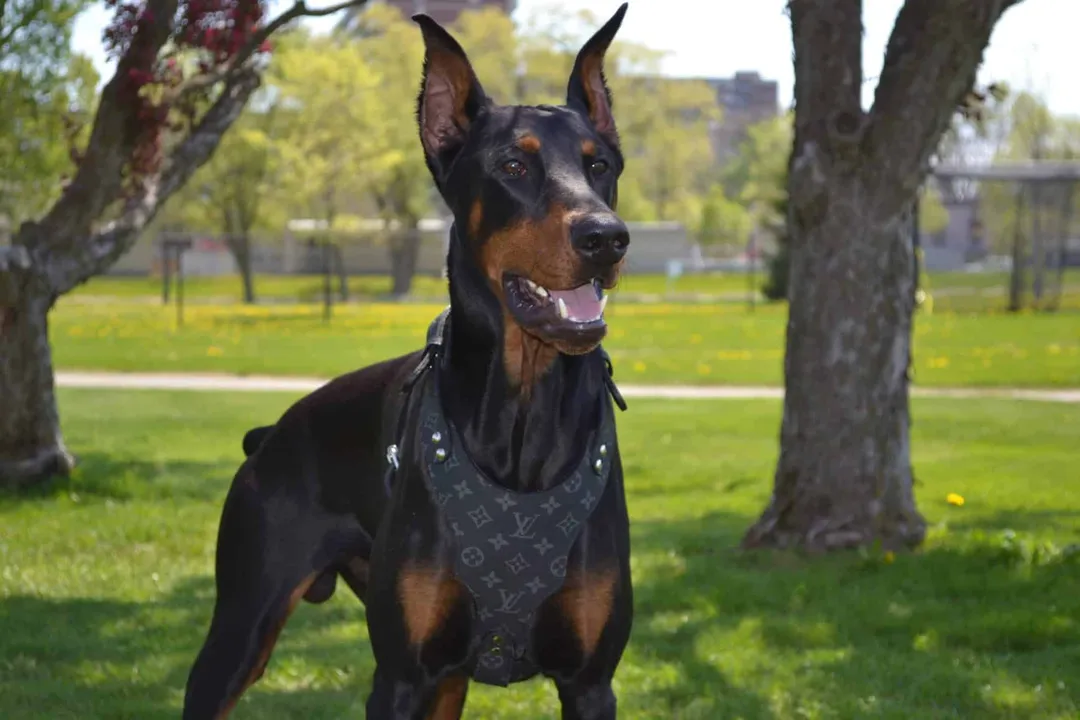
The Doberman Pinscher often projects an image of sheer, unwavering intensity. With their sleek, muscular build and intelligent gaze, they certainly look like the personal bodyguards they were originally intended to be. [4][7] However, beneath that imposing exterior lies a breed known for profound loyalty, surprising sensitivity, and a high degree of intelligence that makes them fascinating companions. [3][5] Understanding what makes this breed tick requires digging past the stereotypes associated with their famous silhouette. [7]
# Creator's Tale
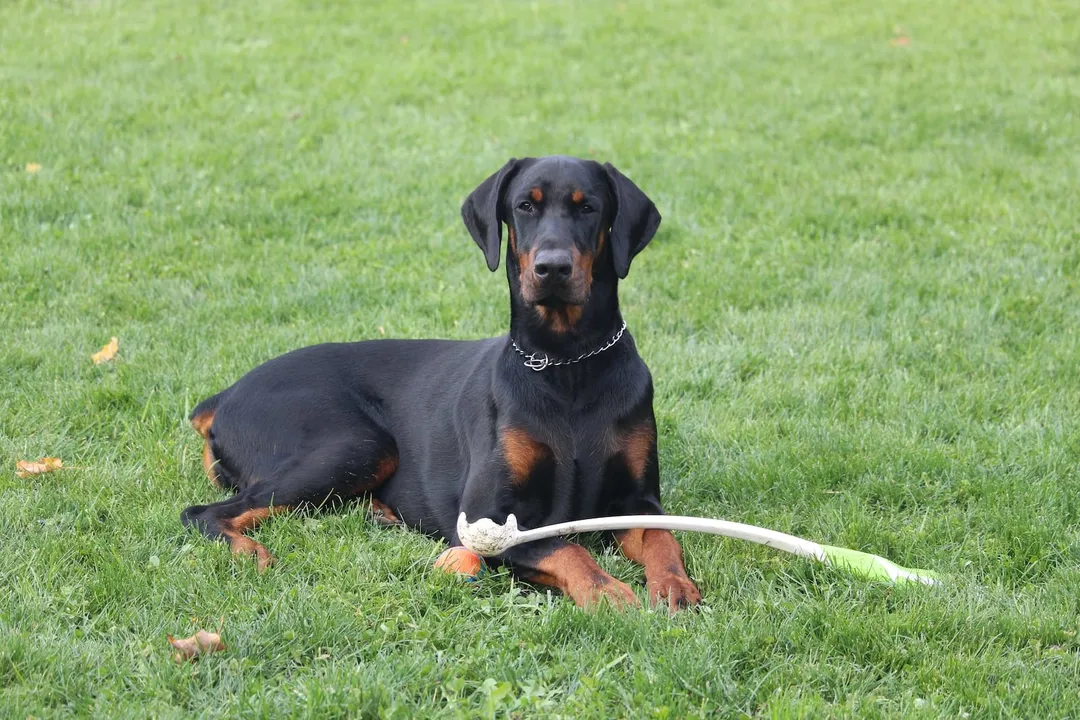
The story of the Doberman begins in late 19th-century Germany, specifically in the town of Apolda. [1][9] The breed’s development is credited entirely to one man: Karl Friedrich Louis Dobermann. [1][3] This gentleman held a rather unique combination of jobs in his community; he was the town tax collector, dogcatcher, and night watchman. [1][3][9] Carrying large sums of money while working alone at night meant that Mr. Dobermann likely needed a dedicated protector by his side. [1]
It is widely believed that Dobermann used the dogs he had available through his role as dogcatcher to selectively breed the traits he desired: courage, speed, stamina, and intelligence. [1][9] While the exact mix of breeds used remains somewhat a mystery, historical speculation points toward breeds such as the Rottweiler, the German Pinscher, the Greyhound, and possibly the Weimaraner. [1][3][7] The goal was to create the perfect personal protector—a dog that was sharp, fast, and intimidating. [3] The resulting breed was initially known in Germany as the Dobermann Pinscher, honoring its creator, Louis Dobermann. [1]
# Smart Ranking
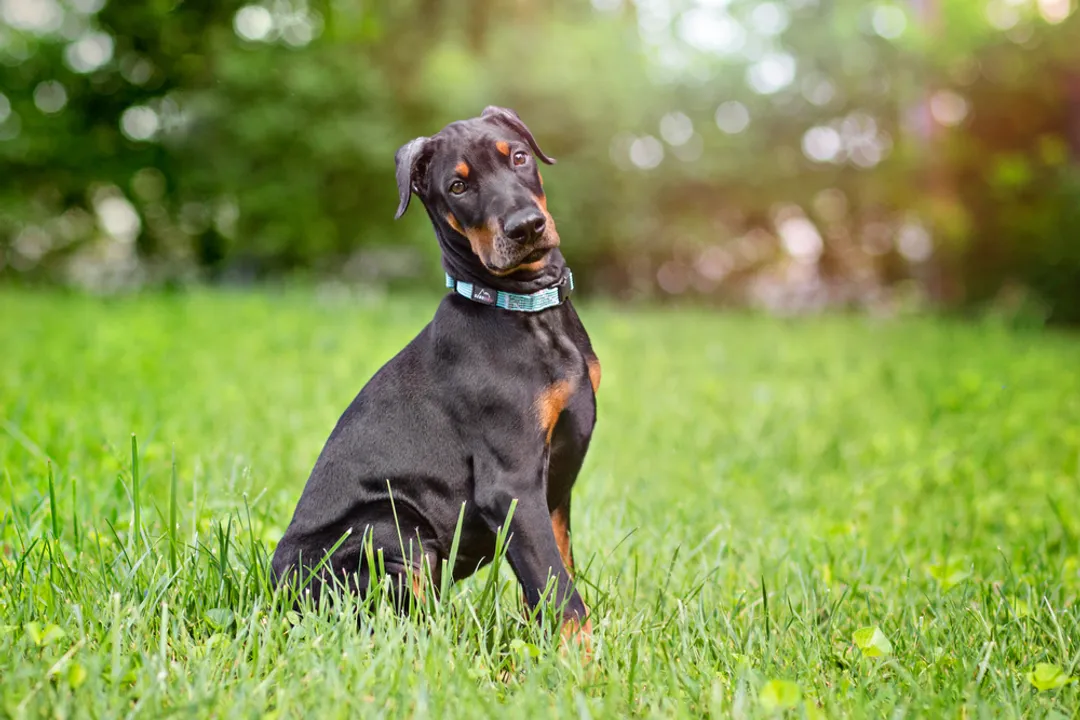
If you are looking for a canine companion that can truly keep up with complex instructions and learn commands quickly, the Doberman ranks near the very top of the list. [4] In the famous intelligence study conducted by canine psychologist Stanley Coren, Dobermans secured a spot in the top five most intelligent breeds. [1][4] They are generally ranked as the fifth smartest dog breed. [1][7]
This high placement means that Dobermans typically learn a new command in five repetitions or fewer and have an obedience success rate of over 95 percent on the first command given. [1][4] This level of innate intelligence is a double-edged sword, however. While it makes training incredibly rewarding, it also means they require consistent mental engagement. [8] A Doberman left to its own devices without mental challenges can quickly become bored, which might lead to destructive behaviors or anxiety. [5] Their need for mental work is as important as their need for physical exercise; they aren't just built for running, they are built for thinking. [7]

# Loyal Nature
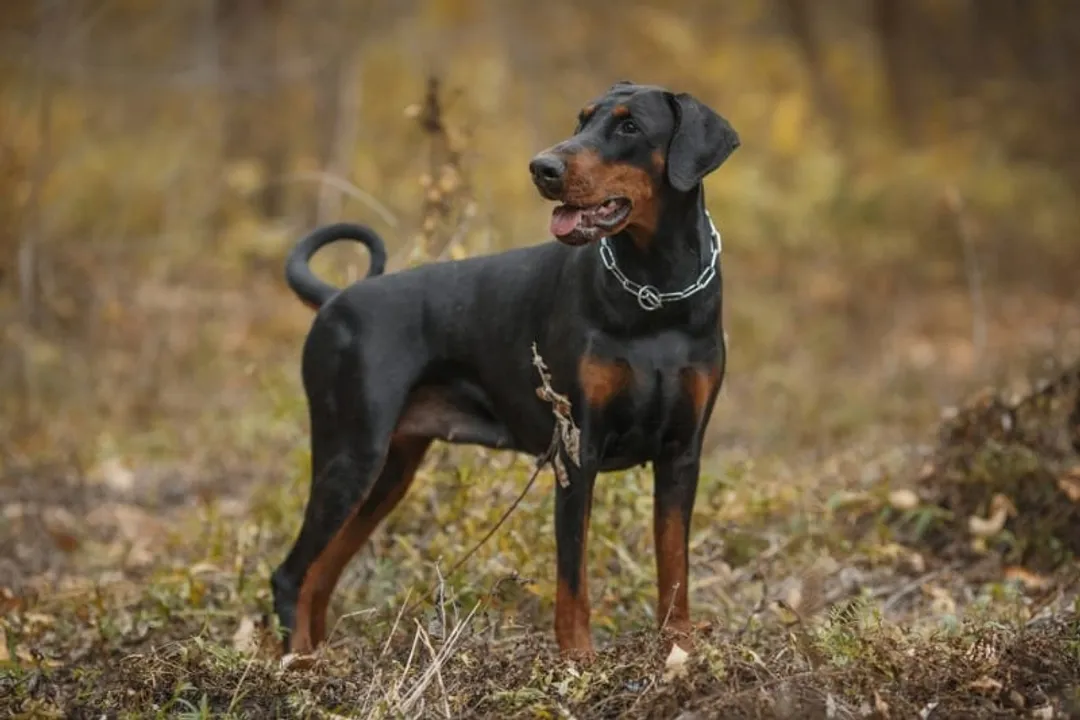
The reputation of the Doberman as a fiercely loyal dog is well-earned. [4] They bond intensely with their immediate family members, often described by owners as "velcro dogs" because they prefer to stay within sight or physical contact with their people. [5][8] This deep connection forms the foundation of their guarding instincts. [3] They are not typically the type of dog that wanders off; their focus is intently fixed on their primary social group. [4]
Yet, their temperament is often misunderstood by the general public, who associate them only with aggression due to their history as guard dogs. [7] In reality, Dobermans are frequently described by their families as surprisingly gentle, loving, and even clownish when they are relaxed and secure in their home environment. [5][7] They crave interaction and thrive on being included in family activities, whether that involves a demanding training session or simply lounging near their owner while they watch television. [5] This inherent sensitivity means that harsh training methods are entirely counterproductive; positive reinforcement works best because they genuinely want to please their owners. [9]
If you are considering bringing one of these dogs home, understand that their alertness means they are very tuned in to household dynamics. [8] They are fantastic watchdogs because they notice everything, but this vigilance requires management through early, thorough socialization to ensure they see novel people and situations as normal rather than threats. [5]
# Tail History
One of the most visible historical aspects of the Doberman Pinscher is the traditional appearance involving cropped ears and a docked tail. [1][7] Historically, both cosmetic procedures were performed to align with the breed's function as a guard dog; proponents argued that the procedures minimized potential targets for an attacker. [1] The tail was often docked very close to the body, and the ears were surgically altered to stand erect. [3]
Today, however, the practice of docking and cropping is viewed very differently across the globe. [7] Many countries, including much of Europe, have banned cosmetic surgery on dogs altogether, meaning Dobermans registered there possess their natural, long, hanging tails and floppy ears. [7] Even in the United States, organizations like the American Veterinary Medical Association (AVMA) oppose non-therapeutic cosmetic alteration. [7] Observing a natural-tailed Doberman can be surprising for those only familiar with the traditional look, revealing a softer profile that more clearly shows their emotional state through tail wags. [7] It's worth noting that a Doberman's natural tail is relatively long and thin, designed to taper to a point. [9]

# War Heroes
The Doberman’s intelligence and courage quickly propelled them into serious working roles shortly after their development. [4] They served with distinction in several major global conflicts, earning high praise for their capabilities. [1] During World War I, Dobermans were heavily utilized by the American military in various capacities, serving as messengers, sentries, and attack dogs. [1][4] They were so effective in these roles that they earned the nickname "Marines' Doberman". [1][4]
Their reputation carried through to World War II, where they continued to serve as war dogs for the US Marines. [4] A famous example of their bravery involves the heroic actions of a Doberman named Kurt, who saved the lives of an entire Marine platoon by sacrificing his own life to warn them of an approaching enemy patrol. [4] This dedicated service cemented their place not just as companions, but as true canine heroes. [1]
# Varied Coats
While most people picture the classic black and rust Doberman, the breed standard actually accepts four primary colors. [1][7] The two most common are Black/Rust and Red/Rust (often called Brown/Rust). [1][7] However, the breed also comes in Blue/Rust and Fawn/Rust (Isabella/Rust). [1][7]
It's important to understand that the Blue and Fawn colors are not simply a result of poor breeding; they are accepted variations within the breed standard, though they are less common. [1] The blue coat appears as a diluted black, and the fawn coat is a diluted red or brown. [1] Genetically, these dilute colors are caused by a specific recessive gene that reduces the pigment intensity. [1] If you see a Doberman that appears slate grey or a pale, light tan, you are likely looking at one of these less common, yet still purebred, color variations. [1][7]
If you find yourself considering a Blue or Fawn Doberman, be aware that while they possess the same temperament and intelligence as their black counterparts, some breeders suggest that the dilute-colored dogs can sometimes have a slightly increased propensity for certain skin issues, possibly due to the underlying genetic factors affecting pigment production. [1] This isn't a universal rule, but it’s a good piece of context for prospective owners to research when selecting a puppy from any color line. [1]
# Lifespan Considerations
For a large, active breed, the Doberman Pinscher generally has a lifespan comparable to many medium-sized dogs, though this can vary significantly based on genetics and care. [3] On average, owners can expect their Doberman to live between 10 to 13 years. [3][7] While 13 years is certainly a respectable age for a dog of this size, it means that owners must be prepared for the relatively shorter companionship compared to smaller breeds. [3] Owners who provide excellent veterinary care, appropriate nutrition, and plenty of mental and physical stimulation often see their dogs reach the higher end of this range. [8]
Their high energy level requires owners to be highly active themselves. A common point raised by Doberman owners is that while the physical exercise is necessary, the mental workload is what truly tires them out. [5] A Doberman that is mentally stimulated—through advanced obedience, agility, tracking, or even complex puzzle toys—is usually a calmer, healthier dog at home, which indirectly contributes to a better quality of life and potentially longevity. [7]
# A Note on Their Senses
Dobermans possess incredibly keen senses that contribute to their effectiveness as protectors. [4] Their hearing is exceptionally sharp, allowing them to detect subtle sounds long before a human might notice anything amiss. [4] This acute hearing is part of why they make such alert watchdogs, often barking at distant sounds that seem completely silent to us. [4] Furthermore, their sense of smell is also very strong, though perhaps not as famously utilized as that of a Bloodhound or German Shepherd. [4] The combination of high intelligence and excellent sensory perception means they process their environment constantly, reinforcing why they need a secure, predictable environment managed by a confident owner. [5]
#Videos
5 Facts About the Doberman You Never Knew - YouTube
Doberman Pinscher - Top 10 Facts - YouTube
Related Questions
#Citations
Fun Facts About Dobermans: Doberman Pinscher Dog Breed ...
5 Facts About the Doberman You Never Knew - YouTube
12 Interesting Facts About the Doberman Pinscher (Vet-Reviewed)
9 Things You Probably Don't Know about the Doberman Pinscher
15 Interesting Facts About Doberman Pinschers - Reddit
10 surprising Doberman facts - PetsRadar
Interesting facts about dobermans! | Luxury Dog Leather Products.