What are fun facts about Beagles?
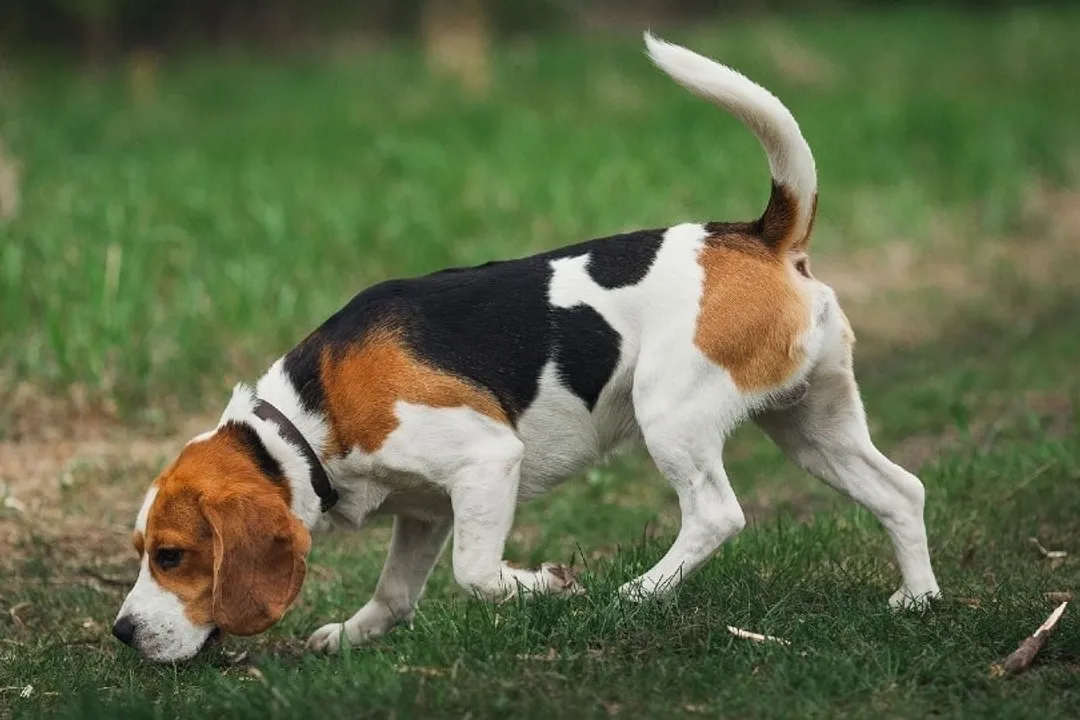
The Beagle, with its perpetually hopeful expression, floppy ears, and famously appealing aroma, has charmed humans for centuries, not just as a companion but as a working dog whose primary tool is the air around him. These merry hounds are instantly recognizable, but beneath that classic tri-color coat lies a history packed with fascinating trivia, dedicated service, and a personality driven entirely by scent. [1][6] They are bundles of energy wrapped in a manageable package, making them perpetual favorites in the dog world. [6]
# Nose Rank
The most celebrated feature of the Beagle is undoubtedly its nose—a sophisticated piece of biological equipment that dwarfs the capacity of nearly every other canine. [1][2][6] In the entire canine kingdom, only the Bloodhound is generally considered to possess a superior sense of smell. [1][6][8] This extraordinary olfactory ability stems from having one of the largest olfactory systems relative to body size among all dog breeds. [6] They possess approximately 220 million olfactory receptor cells, allowing them to track scents with incredible precision, even when the scent is days old. [1][2]
This talent isn't just for show or backyard games; it translates directly into vital public service. A specialized division of scent-detecting dogs, affectionately nicknamed the Beagle Brigade, is employed by the United States Department of Agriculture (USDA) at major ports of entry. [1][6] These dogs are trained to sniff out prohibited agricultural items—fruits, vegetables, meats, and plants—that travelers might unknowingly carry across borders. [1][6] Their success rate is impressive, often leading to the seizure of illegal food items that could harbor invasive pests or diseases harmful to domestic agriculture. [1] One interesting point to note about using Beagles specifically, compared to larger tracking breeds, is their relatively small stature. This means they can maneuver easily through baggage claim areas and don't intimidate travelers as much, making them approachable ambassadors for the agency. [6]
# Ancient Lineage
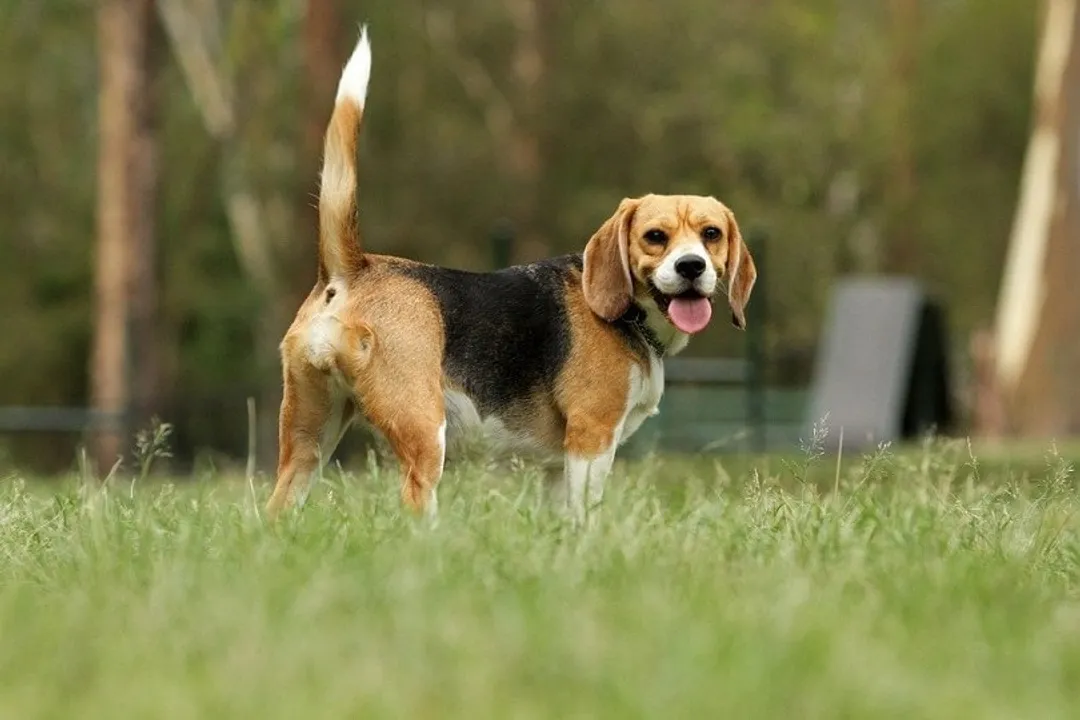
The Beagle's origins are somewhat murky, leading to several plausible theories about the root of its name and ancestry. [8] The name itself is thought by some experts to stem from the Old French word beigle or perhaps the Middle English begyle, meaning "open throat," which fittingly describes their tendency to bay loudly while hunting. [8] Others suggest a connection to the Welsh beag, meaning "small". [8] Regardless of the nomenclature's origin, the breed's roots trace back deep into history. [8] Small hounds similar to the modern Beagle were documented as far back as ancient Greece. [8]
For centuries, they were primarily used as scenthounds for hunting small game, particularly rabbits and hare. [8][9] Their small size made them perfectly suited for hunting on foot, allowing hunters to follow them easily through dense underbrush where larger hounds might struggle or become lost. [8][9] This historical role cemented their need to work as a pack, a social instinct that remains very strong in modern pets. [1][6]

# Pocket Size
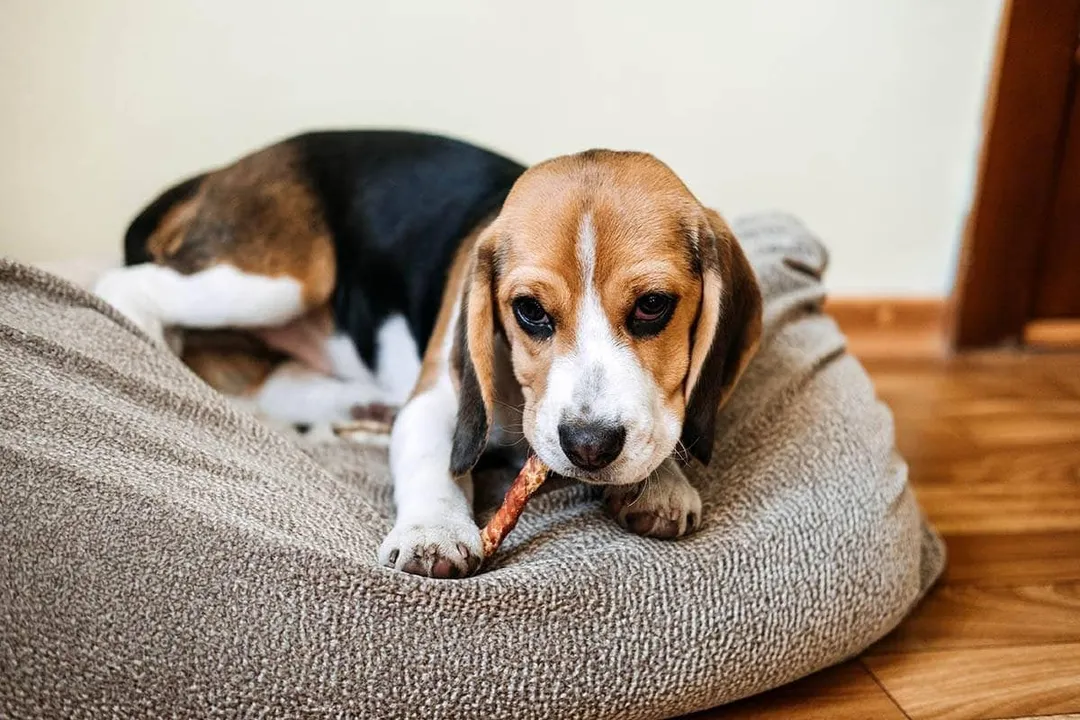
When considering the physical characteristics of a Beagle, size is a key differentiator, though perhaps not in the way most people initially think. The American Kennel Club (AKC) recognizes two distinct height varieties for the breed, based on measurements taken at the shoulder. [1][8] One class consists of Beagles standing under 13 inches tall, and the second class comprises those standing 13 inches and not exceeding 15 inches. [1][8] Any Beagle over 15 inches tall is disqualified from competitive showing. [1][8]
What's truly remarkable is the historical precursor to these standards: the pocket Beagle. [2][6][7] These were miniature versions, often small enough to be carried in a hunter's saddlebag. [2][6][7] While the official breed standard today caps them at 15 inches, the persistence of these smaller dogs in the breed's history speaks to a long-standing human preference for a diminutive, portable scent hound. It is fascinating to consider how selective breeding over generations narrowed the acceptable height range, potentially sacrificing the ultra-small traits of the pocket Beagle in favor of uniformity in the show ring, yet that foundational desire for a hand-sized hunting companion clearly influenced the breed's development significantly. [2] A modern Beagle, even one falling into the smaller category, carries that heritage, though they certainly require more exercise than one that could be tucked into a bag!
# Vocal Nature
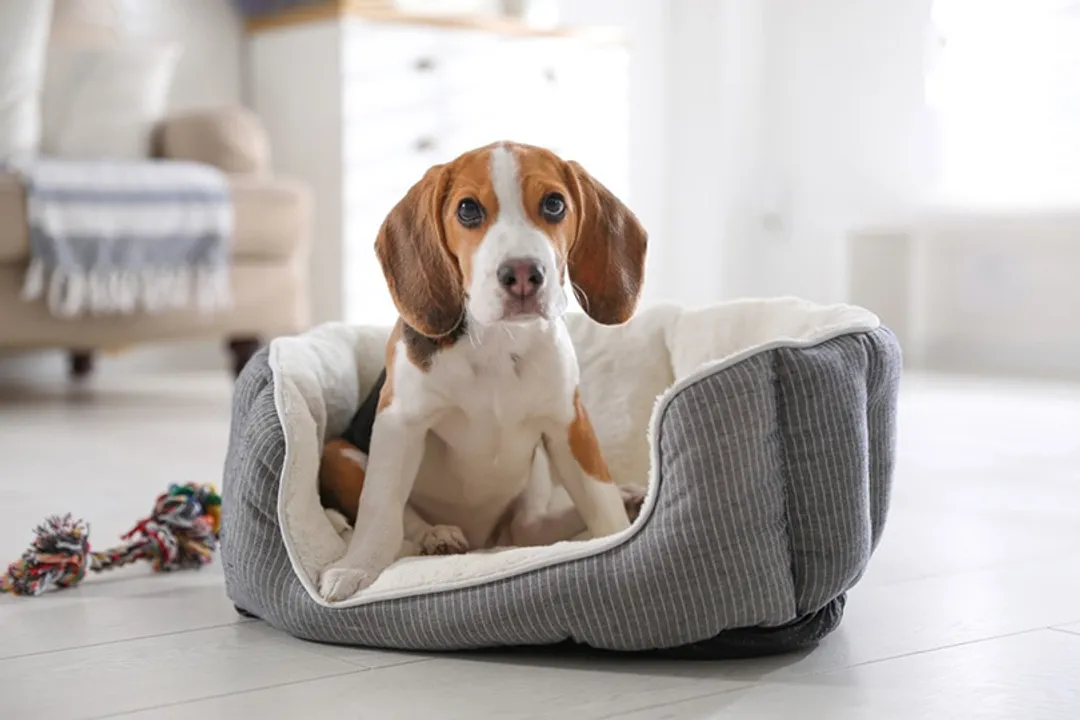
If you are looking for a quiet companion, the Beagle might present a delightful, yet challenging, contradiction. [6] These dogs were selectively bred to communicate their findings to hunters over long distances through a distinctive vocalization known as baying. [6] A Beagle's repertoire includes barks, howls, and the characteristic bay—a deep, drawn-out sound. [6] This sound isn't just noise; it’s an announcement of a trail found. [8]
The sound is unmistakable, often described as a throaty, musical howl. [6] While charming when heard occasionally during a game of fetch or in their own yard, this vocal tendency can become a significant issue in densely populated areas or when the dog is left alone for extended periods. [4] Their drive to communicate, coupled with their status as pack animals, means that if a Beagle senses a disruption or simply feels lonely, the baying may begin. [4] Owners often learn quickly that managing a Beagle's environment to minimize external triggers is key to maintaining neighborly relations. [4]

# Pop Culture Icon
Few breeds can boast the worldwide recognition of the Beagle, largely thanks to one of the most famous cartoon characters in history: Snoopy. [1][5] Snoopy, Charlie Brown's imaginative companion from Charles M. Schulz's Peanuts comic strip, cemented the Beagle's image in popular culture as friendly, slightly goofy, and prone to daydreaming atop his doghouse. [1][5] This cultural saturation has certainly played a role in the breed’s lasting popularity, often drawing in new owners who are attracted to the friendly, relatable image Snoopy projects. [1]
# Driven Temperament
Beagles are celebrated for being friendly, funny, and excellent with children, earning a reputation as a wonderful family dog. [1][6] They thrive on companionship and generally do not do well when isolated for long stretches. [6] This pack mentality is deeply ingrained, meaning they prefer the company of their human family or other dogs. [1]
However, that same instinct that makes them great companions also fuels their notorious curiosity and single-minded focus when they catch a scent. [2][6] Once a Beagle locks onto a smell, their world narrows, and almost nothing else registers—including their owner’s recall command. [2][6] This single focus is what made them superb hunters but can translate into a significant wandering tendency in a modern setting. [2] If they find an interesting scent trail while off-leash, they are highly likely to follow it, often forgetting their surroundings entirely. [2] For prospective owners, understanding this drives every training decision. Since the Beagle’s nose is biologically wired to overpower its ears when a good scent is present, owners must invest heavily in secure fencing or dedicated, leashed exercise routines rather than relying solely on voice recall in open areas. [4] A six-foot fence is often recommended to contain an adventurous Beagle who decides that the neighbor’s prize-winning petunias smell far more interesting than staying put. [4] Their intelligence is high, but it is frequently directed by their nose, making motivation for basic obedience often dependent on tasty, high-value rewards rather than just a desire to please. [2] This dual nature—a loving lap dog one minute and an intrepid, scent-driven explorer the next—is the true essence of the Beagle fun fact collection.
#Videos
9 Facts About Beagles you didn't know! - YouTube
Related Questions
#Citations
Beagle Facts You May Not Know - American Kennel Club
5 Fun Facts You Probably Didn't Know about Beagles
9 Facts About Beagles you didn't know! - YouTube
what things i should know before having a beagle? - Reddit
Four Fun Facts About Beagles - National Kennel Club
24 Incredible Vet-Verified Facts About Beagles - Dogster
5 Things You Didn't Know About Beagles - Nationwide Pet Insurance
Beagle - Wikipedia
beagle - Kids | Britannica Kids | Homework Help