What are chicken snakes good for?
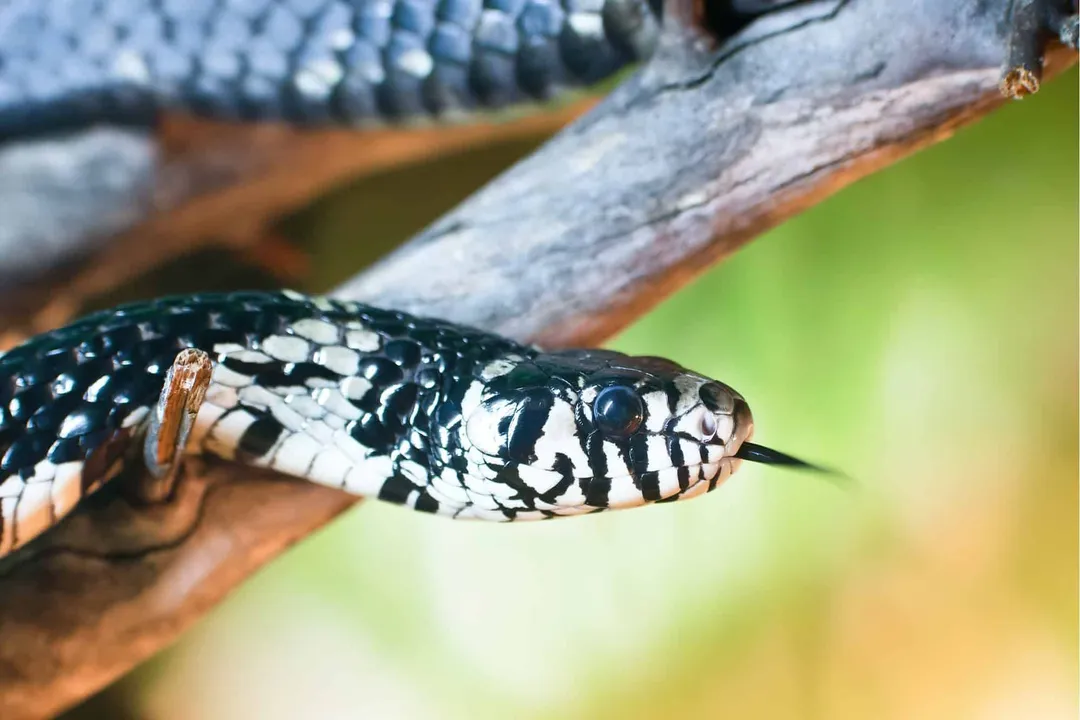
The term “chicken snake” immediately brings to mind images of a scaly intruder eyeing a fresh clutch of eggs, yet this common name often belies a more complex ecological role. These snakes, frequently identified as Rat Snakes within the Elaphe obsoleta complex, are creatures of contradiction on rural properties. [2][7] While they certainly earn their reputation by preying on poultry eggs and occasionally young chicks, their presence is strongly correlated with the suppression of more destructive pests. [2][5] Understanding what these non-venomous reptiles are "good for" requires weighing their occasional culinary interest in the coop against their constant, free labor in controlling rodent populations. [4]
# Rodent Control
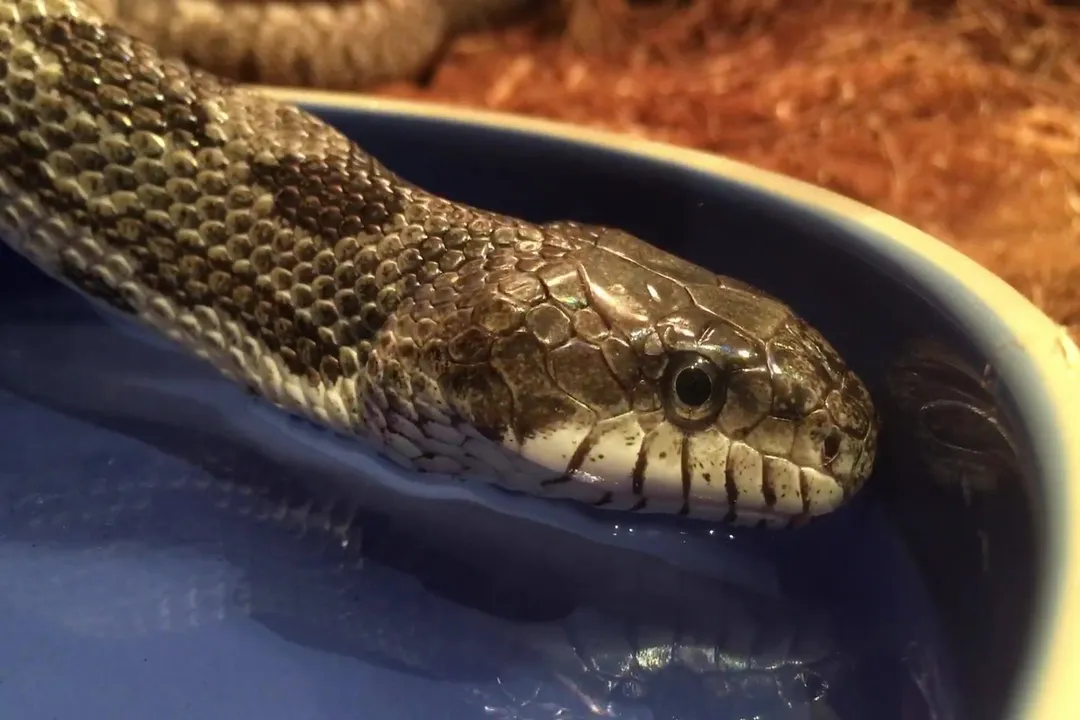
The most significant ecological service provided by the snake commonly known as the chicken snake is pest management. [5] Farmers and homesteaders often struggle with populations of mice and rats that consume stored grain, damage infrastructure, and spread disease. [6] Chicken snakes actively hunt these creatures. [4] A single snake can consume a substantial number of rodents over its lifetime, offering continuous, natural population control that doesn't rely on chemical application or expensive traps. [5]
This natural predation extends beyond just rodents. These snakes also consume other small animals, including birds and their eggs when available. [2][4] However, when one weighs the value, a single large snake removing dozens of roof rats—which can destroy insulation, chew wiring, and consume significant feed—over the course of a season represents a substantial economic benefit to the farm. [5] Consider this: If a snake eats twenty rat nests worth of feed and damages wiring equivalent to $$50$1$ each, the net gain from the snake’s presence is considerable, provided the owner takes simple precautions to secure the actual poultry stock. [3] This proactive pest removal is often why many experienced keepers of livestock view them as welcome neighbors, provided they keep their distance from the nesting boxes. [6]
# Coop Conflict
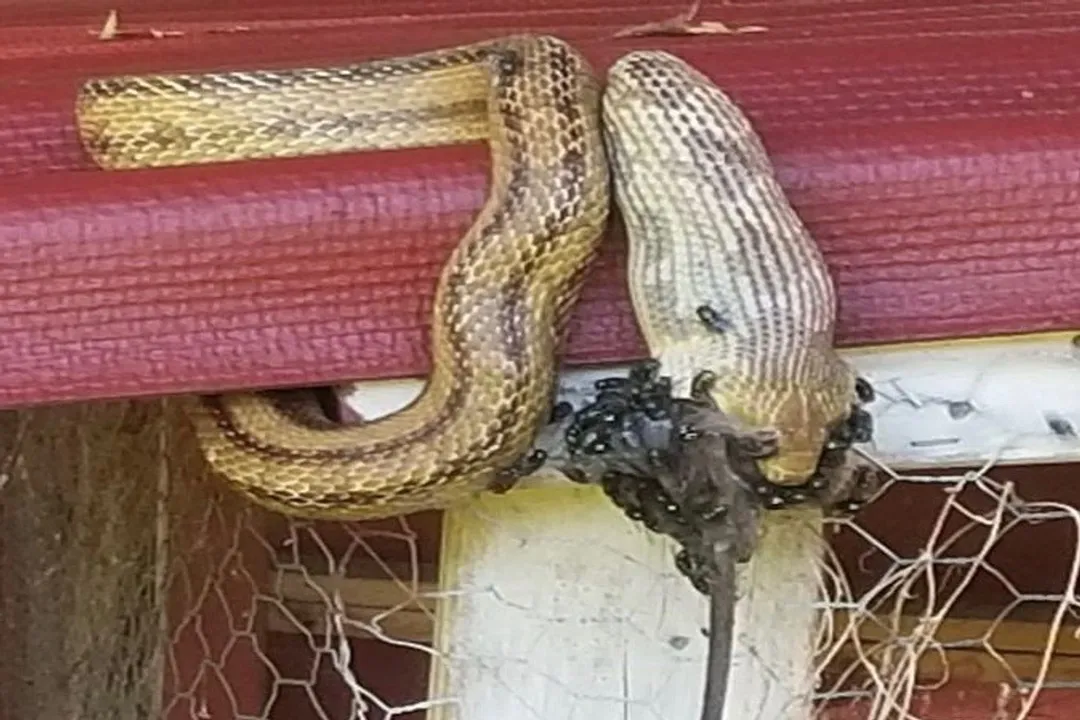
Despite their beneficial rodent control, the reason they carry the name “chicken snake” is unavoidable: they have a strong attraction to poultry eggs. [2] They are notorious for raiding nests in search of a high-protein meal. [5] While they may occasionally take a very small chick, eggs represent a more reliable and easier target for them. [2] Sources indicate that chicken snakes will consume eggs from a wide variety of fowl. [2] This behavior creates direct friction between the snake's natural foraging and the homesteader's primary goal of egg production.
This conflict is less about malice and more about instinct and opportunity. A snake searching for warm-blooded meals or high-energy sustenance will naturally investigate an enclosed space that smells of birds and contains easily digestible, nutritious eggs. [1] The snake isn't specifically targeting the farmer’s chickens; it is targeting an easy, calorie-dense food source that happens to be located where the chickens are kept. [5] The presence of one snake may attract others, especially if the environment proves consistently rewarding in terms of food availability. [1]
# Species Traits
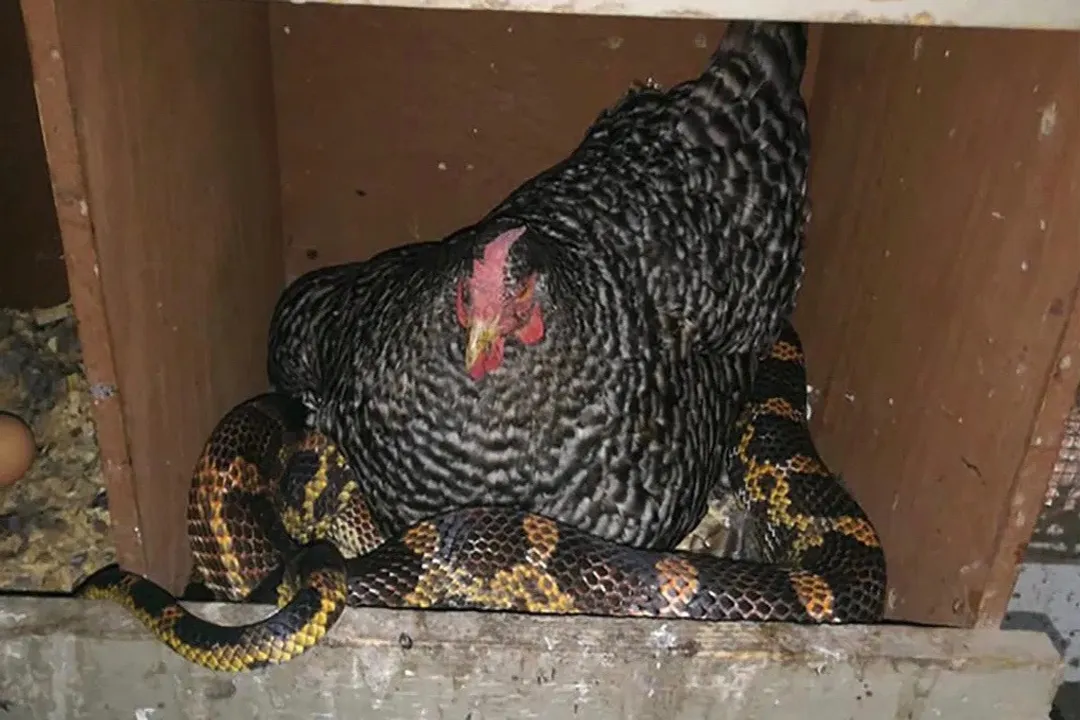
The common name "chicken snake" is generally applied to species of Rat Snakes found across the Eastern and Southern United States. [7] Importantly for human safety, these are non-venomous snakes. [4] They rely on constriction to subdue prey, rather than venom delivery systems. [4] Their presence is often noted around barns, sheds, and other farm structures where rodents congregate. [1][7]
These snakes are known for their climbing ability, which allows them to reach nests that might be elevated off the ground. [4] When handled or threatened, like many wild snakes, they can become defensive. However, many individuals kept in captivity, or those observed frequently in the wild without provocation, are described as relatively docile or calm. [1] Their appearance can vary, but often they are dark in coloration, which helps them blend into shaded areas of farm buildings. [2]
Here is a brief comparison illustrating their dual nature:
| Role | Primary Benefit | Primary Drawback | Primary Prey/Target |
|---|---|---|---|
| Pest Control | Eliminates rats and mice, preventing feed loss and disease spread. [4][5] | N/A | Rodents, small mammals, small birds. [2][4] |
| Coop Interaction | N/A | Direct consumption of valuable eggs and occasional small chicks. [2][5] | Chicken, duck, or turkey eggs. [2] |
# Captive Care
Beyond their role in the wild ecosystem, some chicken snakes are kept in domestic environments as pets. [1] Individuals who keep them report that they can become quite friendly, especially if handled consistently from a young age. [1] In a controlled setting, their primary value shifts entirely from ecological service to companionship and observational interest. People who keep them note they are capable of recognizing their keepers. [1] A key characteristic noted by keepers is their willingness to move into human structures, such as moving into a barn space, which explains why they are so frequently encountered on homesteads. [1]
When kept as pets, their dietary needs are easily met with appropriately sized rodents, which allows owners to appreciate their predatory skill without suffering the consequences of lost eggs. [1] This captivity removes the primary conflict point—the unsecured chicken coop—and leaves only the beneficial traits, such as impressive size and generally manageable temperaments for an experienced snake owner. [1]
# Farm Defense
For the homesteader wishing to retain the snake’s pest control services while protecting their laying flock, management is key rather than outright eradication. [5] Since the snake is drawn to the easy meal provided by an unsecured coop, the solution is environmental security. [8] This involves preventing access to the eggs in the first place, which is an effective strategy because a snake that cannot find an easy meal is more likely to move on to another location. [8]
The best defense centers on physical barriers. The primary actionable step is to ensure all openings into the coop or nesting area are sealed with hardware cloth—specifically material with a mesh size small enough to exclude rodents, typically ¼ inch mesh. [8] This mesh size is crucial because rats can squeeze through surprisingly small gaps, and the snake will follow the rodents to the source. [8]
A proactive defense strategy that homesteaders often find successful involves sealing up the structure before the main nesting season begins. If the snake does not establish a reliable food source in the vicinity early on, it is far less likely to become a persistent problem later in the year when eggs are abundant. [5] This preventative maintenance—checking foundations, ensuring doors seal tightly, and covering ventilation openings—turns the beneficial predator into a distant ally rather than an immediate threat to productivity. [8] For areas where snakes are endemic, accepting a small, manageable loss of eggs can be the trade-off for years of free, continuous rodent control.
Related Questions
#Citations
Have a very friendly chicken snake that has moved into the barn ...
Black rat snake living up to it's "chicken snake" moniker. Eggs are ...
Chicken Snake - Spilotes pullatus - A-Z Animals
Chicken Snakes - The Southern Agrarian
What is a chicken snake? - Quora
Snakes in the Coop - Murray McMurray Hatchery Blog
Protecting Your Chickens From Snakes