West Siberian Laika Evolution
The story of the West Siberian Laika is intrinsically linked to the vast, ancient landscapes of the Ural Mountains and Western Siberia, tracing its lineage back through millennia of adaptation to harsh northern environments. These dogs were not developed in a centralized kennel setting; rather, they evolved as indispensable working partners to various indigenous peoples across immense geographical areas, including the Khanty and Mansi. [1][3] Their very existence is a testament to survival, where only the most capable hunters endured the rigorous selection pressures of the taiga and tundra. [7] Before any official breed standard existed, the Laikas were defined by their utility—a living tool for hunting game ranging from small fur-bearers to large elk. [10]
# Geographic Origins
The development of the Laika breeds, including the West Siberian variant, centers on the northern regions of Russia, particularly the area between the Ural Mountains and the Ob River. [3] This geographical isolation helped maintain distinct populations adapted to specific local hunting conditions. [7] The ancestral stock was comprised of various indigenous Spitz-type dogs used for hunting and guarding. [3] The crucial distinction that began to form the West Siberian Laika involved dogs predominantly used by the Mansi and Khanty peoples in the West Ural and West Siberian forest zones. [2] This regional specialization meant that the dogs' morphology and temperament were finely tuned to the local prey base and hunting styles, which often involved tracking and baying game until the hunter arrived. [10]
# Distinguishing Lineages
It is important to note that the concept of a single "Laika" is broad, encompassing several regional breeds developed across Northern Russia. [2] The West Siberian Laika (WSL) is frequently contrasted with its close relative, the East Siberian Laika (ESL). [1] While both share common ancestry as northern hunting dogs, the evolutionary split seems strongly tied to geography and the dominant types found in those respective zones. [1][3] The ESL generally originates further east, in the regions around Lake Baikal and the Lena River basin, and historically, the ESL standard suggested a slightly larger and sometimes heavier dog compared to the WSL. [1] The WSL, as its name implies, developed west of this boundary, often reflecting a slightly lighter build better suited for agility in the dense West Siberian forests. [1][2] Understanding this split is key to appreciating the specific evolutionary path the WSL took, favoring traits necessary for their specific ecological niche. [7]
# Standardization Process
The formal evolution of the West Siberian Laika into a recognized breed occurred much later than its ancient origins, driven by the organized efforts of Russian cynologists in the 20th century. [3] In the early days of organized dog breeding in the Soviet Union, efforts were made to consolidate and standardize the various local hunting dogs. [2] The WSL breed was officially established by combining the indigenous dogs from the West Ural region, specifically the Mansi and Khanty lands, to create a uniform type suitable for a national standard. [3] This process often involved selecting the best working specimens for conformation as well as ability. [7]
The official standardization process required defining precise physical characteristics and temperamental requirements, moving the breed from a loose collection of local landraces to a defined entity. [6] The Federation Cynologique Internationale (FCI) recognizes the breed, listing it under Group 5 (Spitz and primitive types), Section 2.2 (Northern Hunting Laikas). [6] This formal recognition solidifies its status as a distinct evolutionary branch shaped by human intervention on top of natural selection. [3]
For anyone studying the breed's morphology, the FCI standard provides the blueprint that guided recent evolution. [6] Key traits emphasized include a dry, strong build, moderate size, alert expression, and a thick, weather-resistant double coat adapted to severe cold. [6][10] When comparing the older, unstandardized stock with modern champions, one might observe a slight shift in proportions or coat density, a common side effect when working toward a specific aesthetic while trying to preserve working ability. [7]
A fascinating point in the breed's recent history involves genetic work. Modern DNA analysis, as implied by ongoing studies on Laika genetics, helps map the degree to which these standardized dogs still reflect their ancient, localized origins, or if crossbreeding during the standardization period introduced genetic drift. [9][4] This scientific perspective offers a layer to the evolution story that simple historical accounts miss. For instance, tracing genetic markers might reveal whether the WSL population maintained a closer link to the ancient populations of the Urals compared to the dogs developed further east. [4]

# Working Traits Shaping Form
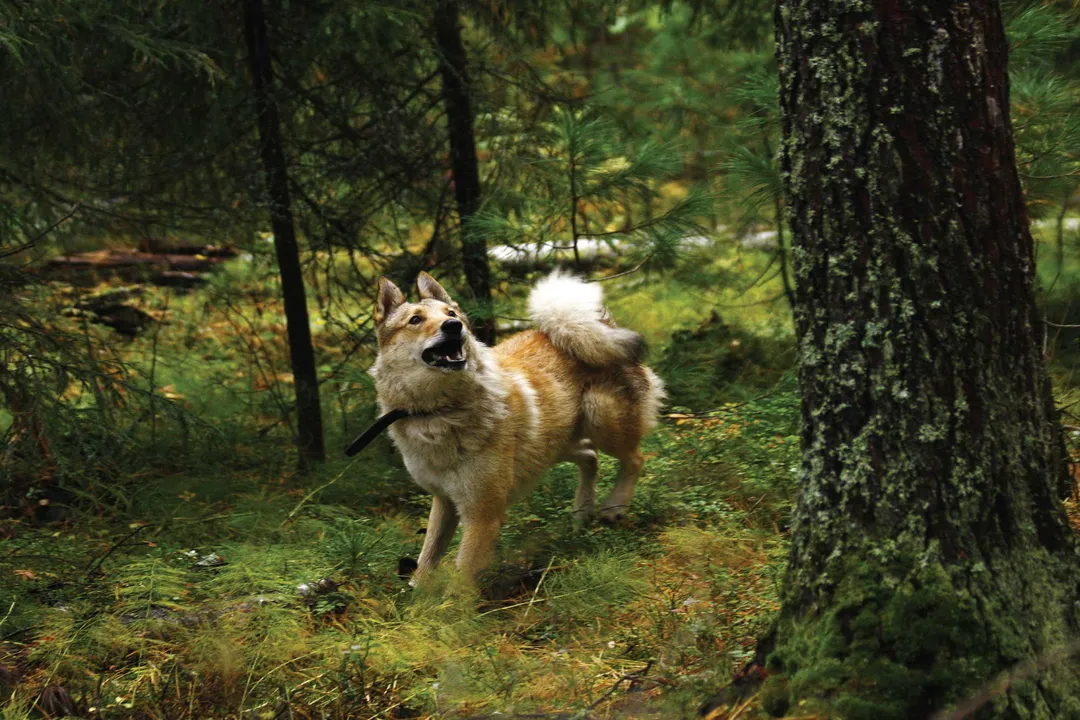
The evolution of the West Siberian Laika was overwhelmingly directed by its purpose: hunting in challenging, often snowy, forested terrain. [10][7] This functional requirement heavily influenced the traits prioritized by local hunters, long before official kennel clubs intervened.
# Hunting Style
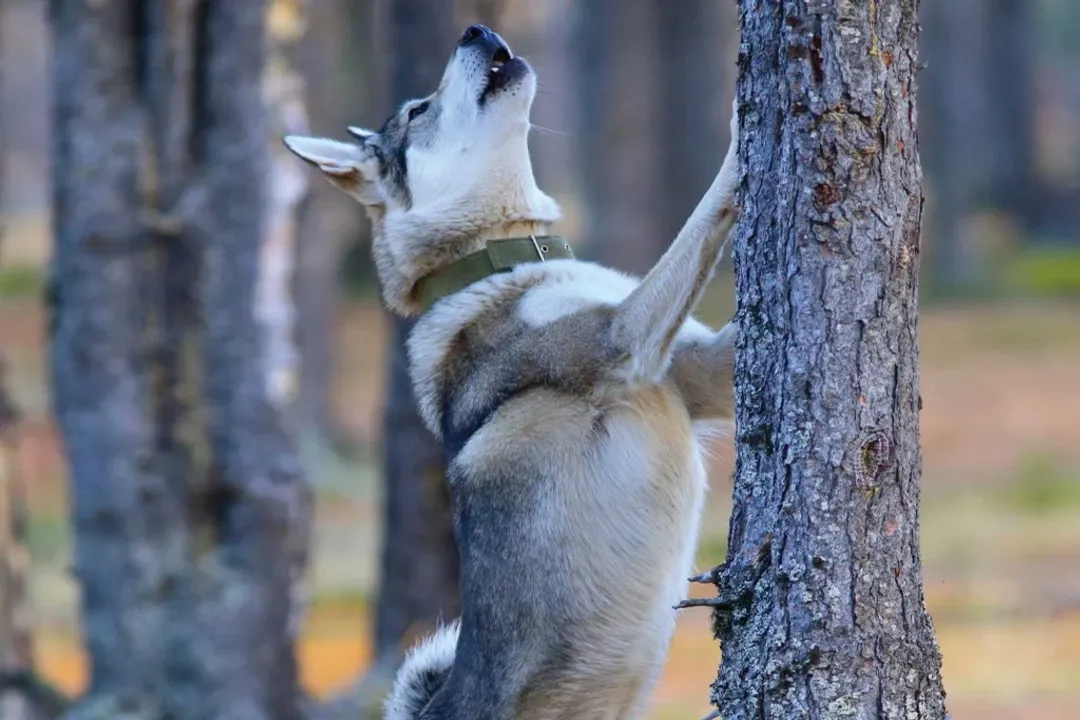
The WSL is primarily used for pointing, treeing, and baying game. [1] They are prized for their tenacity and independence when tracking scent. [10] They work ahead of the hunter, often communicating their progress or the location of game through distinctive barking, or 'laika'. [7] This required a dog with:
- Stamina: The ability to cover vast distances over varied, difficult terrain for extended periods. [10]
- Intelligence and Independence: They must be able to solve tracking problems on their own but remain responsive to recall. [1]
- Vocalization: A sharp, clear bark to indicate findings, differentiating it from general restlessness. [7]
- Coat: A dense, harsh outer coat with a soft undercoat to resist snow, ice, and wind. [6]
This functional selection pressure meant that dogs exhibiting poor stamina, low prey drive, or poor coat quality were simply dropped from the breeding pool by natural attrition or lack of utility. This intense, practical culling process is a far stricter evolutionary driver than any show ring preference. [7]
# Genetics and Modern Context
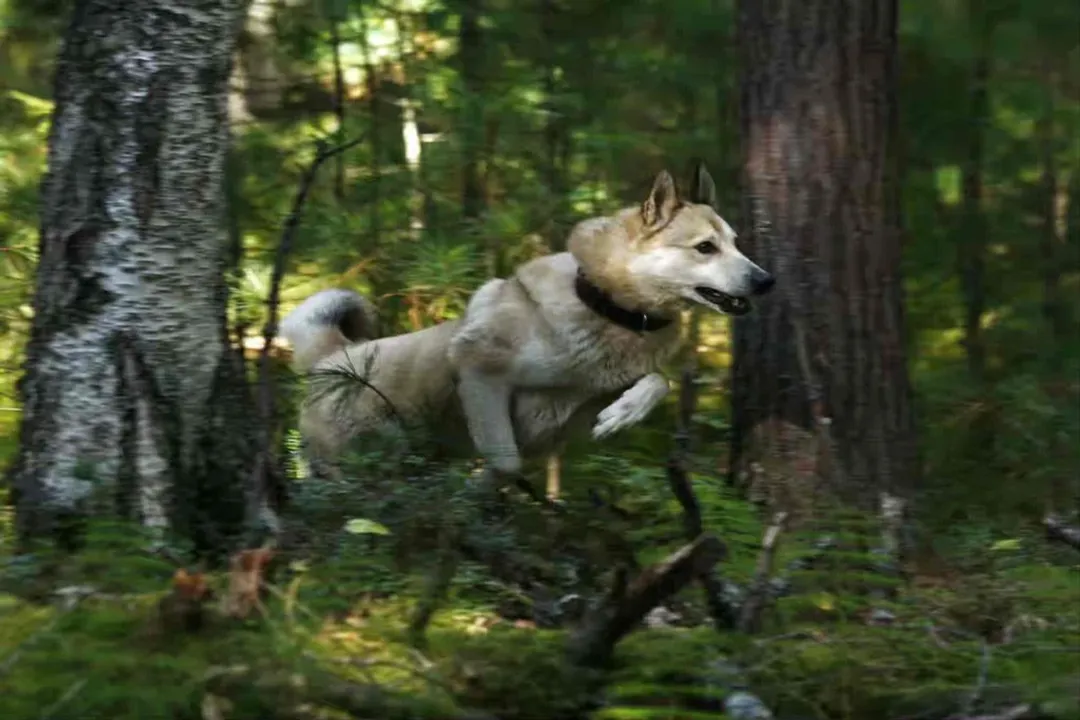
The West Siberian Laika, like many ancient landraces, represents a population that successfully navigated thousands of years of natural selection before modern kennel club registration. [3] Information on genetic testing suggests that these dogs often possess a high degree of genetic diversity when compared to breeds developed more recently or through intense line breeding. [8] Wisdom Panel data, for example, often groups Laikas with other primitive Spitz types, highlighting their deep genetic roots. [8]
The genetic makeup of the WSL, according to some modern analyses, shows a clear link to the ancestral Northeast Asian dog populations, which is expected given their geography. [9] The fact that the breed was consolidated from local types across a wide area means that while a standard exists, the underlying genetics likely still hold echoes of those distinct local populations—a slight variation in build or temperament between a dog whose ancestry is heavily Mansi versus one whose ancestry is heavily Khanty. [2][4]
One observation often made by long-time handlers in the field is the subtle difference in scenting ability between the established Laika types. While the standard demands excellent hunting ability for all, the specific prey base—like the forest-dwelling sable versus larger game—may have historically favored slightly different scenting muscles or jaw strength among the regional dogs that fed into the WSL standard. This suggests that the evolution hasn't entirely stopped, even under the FCI umbrella, as local breeders still select for practical performance in their specific region.
# Physical Manifestation of Evolution
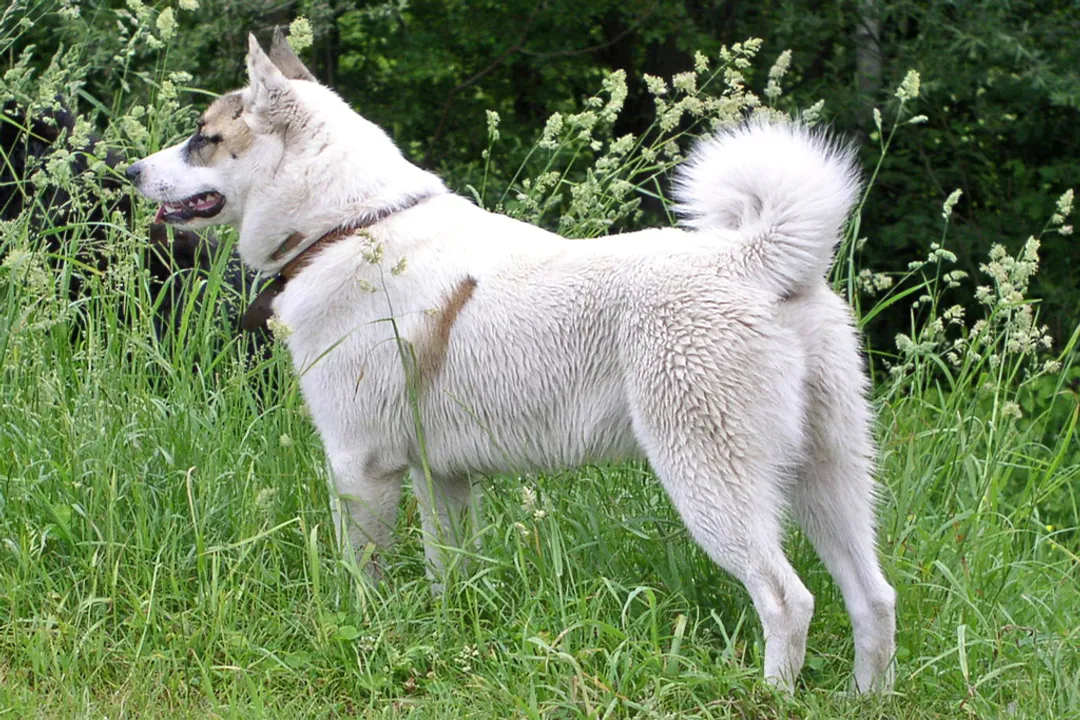
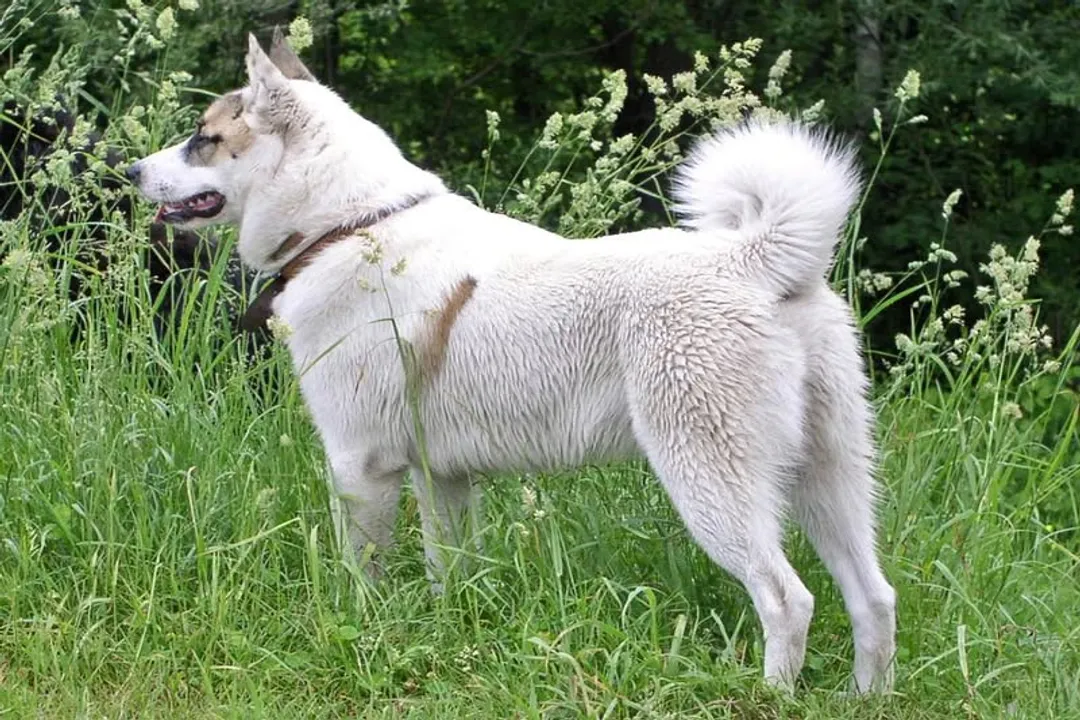
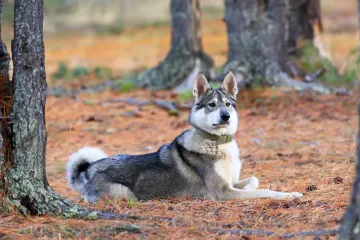
The physical description of the West Siberian Laika is a direct physical record of its functional evolution. [6][10] Their appearance is characteristically Spitz: prick ears, a tightly curled tail carried over the back, and moderate angulation. [6]
| Trait | Description Emphasized by Standard | Evolutionary Purpose |
|---|---|---|
| Coat | Double, dense, straight, harsh outer coat; soft, thick undercoat. [6] | Protection against extreme cold and wet conditions. [7] |
| Tail | Thick at the base, carried tightly curled over the back or slightly down when relaxed. [6] | Prevents heat loss from the tip; less likely to freeze or become damaged during dense brush work. [3] |
| Build | Dry, strong, moderate size; strong loin and firm feet. [6][10] | Endurance, agility, and sure-footedness on varied, potentially icy, terrain. [1] |
The eyes are generally dark, slightly oblique, conveying an alert and intelligent expression, which is critical for a dog expected to read subtle environmental cues during a hunt. [6] The overall impression should be of strength without heaviness, a balance achieved through rigorous selection for work efficiency. [7]
# Modern Recognition Challenges
While the West Siberian Laika is recognized by major international bodies like the FCI, [6] its visibility and acceptance in some Western countries remain limited compared to more established international breeds. [3] This can create a bottleneck in the breed's recent evolution, as the population outside Russia might be smaller and potentially subject to different selection pressures, sometimes favoring conformation over drive. [7]
A critical point for any developing or specialized breed is maintaining the working gene pool. If selection heavily favors show ring traits—such as a specific head shape or coat texture that might interfere with scenting or endurance—the functional evolution that defined the breed over centuries can be reversed. [7] For the WSL, preserving the independent, intense drive to hunt is paramount; without it, they are simply a Spitz-type dog, not a Laika. [1] Breeders dedicated to the line must continuously evaluate if the dogs they produce can still perform the difficult tasks their ancestors mastered. [10]
For potential owners, this history translates into specific needs. A WSL is not merely a companion dog; it is a highly specialized, high-energy primitive hunter. The evolutionary drive for self-sufficiency means they require significant mental engagement to prevent destructive behaviors born of boredom. [10] This instinct is baked in; it is the evolutionary signature they carry from the taiga, and it must be respected. [4] Considering that these dogs evolved to work independently across miles of wilderness, managing a modern, confined environment requires an understanding of that deep-seated need for purpose. [1] This is where many modern owners underestimate the practical demands inherited from the breed’s long functional history.
Related Questions
#Citations
The West Siberian Laika to the East Siberian Laika - Project Upland
East Siberian, West Siberian & Russian European Laika
West Siberian Laika - Wikipedia
Modern Siberian dog ancestry was shaped by several thousand ...
West Siberian Laika or WSL. Photos limited A breed of spitz–type ...
[PDF] West-Siberian Laika - FCI Standard No
Remembering Laika, a space pioneer (article) by Kalikiano Kalei on ...
West Siberian Laika Facts - Dog Breeds - Wisdom Panel
Articles | Siberian Husky Genetics
West Siberian Laika | Dog Breed Facts and Information - Wag!