West Highland Terrier Facts
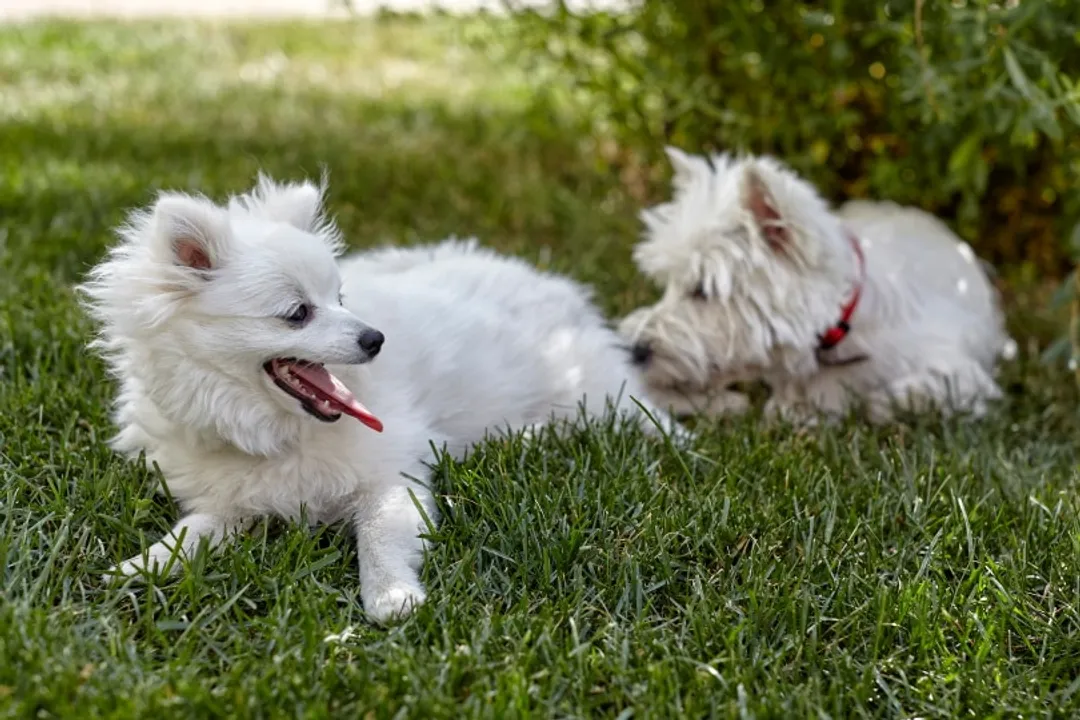
The West Highland White Terrier, affectionately known as the Westie, is one of those breeds that manages to pack an enormous amount of personality into a relatively small, sturdy package. Instantly recognizable by their pristine white double coat and alert, dark eyes, these dogs possess a spirit that is far larger than their typical size suggests. They are not merely ornamental companions; they are working terriers whose history forged an independent, tenacious, and remarkably brave nature. Understanding the Westie means looking past the charming, cheerful exterior to appreciate the deep-seated instincts of a dog bred for harsh Scottish environments. [2][6] Anyone considering bringing one of these spirited little white dogs home needs a thorough grounding in their unique needs, from their distinctive grooming requirements to their characteristic terrier stubbornness. [4]
# Scottish Origin
The story of the Westie begins in the rugged, often unforgiving Highlands of Scotland. [6] They were developed primarily to hunt and dispatch vermin, such as foxes, badgers, and rats, that threatened livestock and game on the estates of Scottish nobility. [2][6] This demanding original purpose is crucial for understanding their modern temperament; they were bred to be tenacious, brave enough to go to ground after quarry, and independent enough to work without constant human direction. [6][7]
For many years, terriers in the region were often described generally, and they came in various colors, including red and black. [6] A famous anecdote, often attributed to Colonel Malcolm of Poltalloch, highlights the pivotal moment in their color standardization. The story suggests that after a hunting accident involving a fox that was unfortunately mistaken for one of his white terriers, the Colonel decided that all terriers bred on his estates must be white, ensuring they could be easily distinguished from their quarry. [6] This preference for white solidified the breed's appearance. [6] The name "West Highland White Terrier" eventually became standardized, although they were also known by other names like the Poltalloch Terrier or the Roseneath Terrier, depending on the estate where they were developed. [2][6] The Kennel Club of England first recognized the breed in 1907, and the American Kennel Club followed suit in 1908. [2][9] While they were once working farm dogs, today they are cherished primarily as companion animals, though their hunting instincts remain strong. [4][7]
# Physical Traits
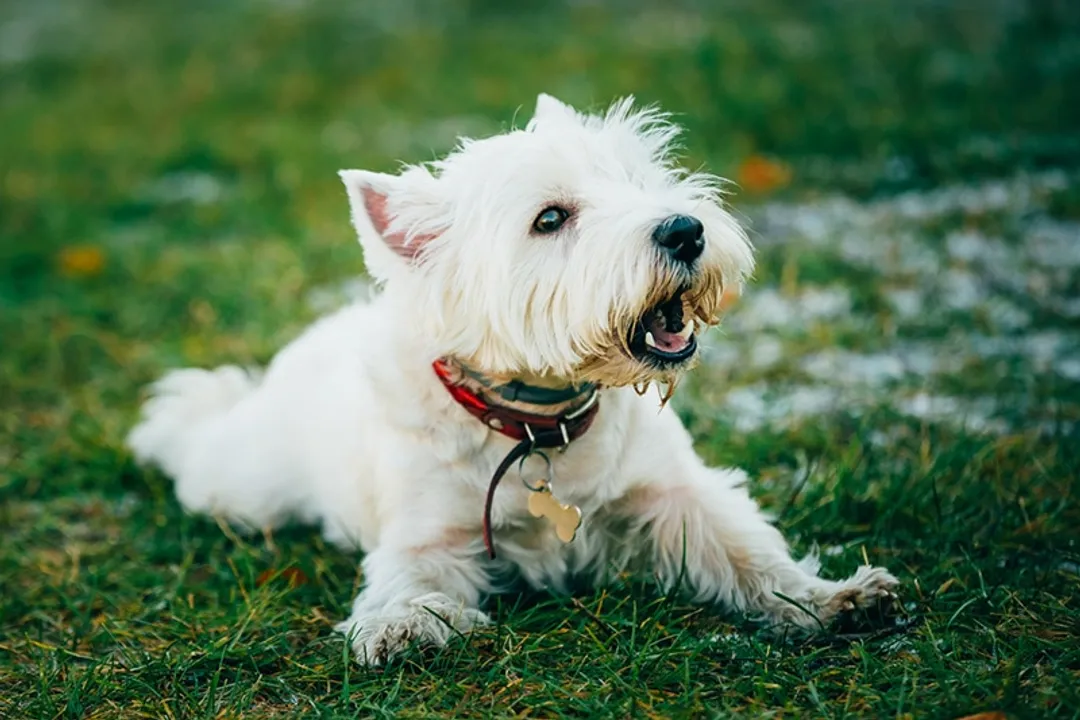
A Westie presents a distinct and balanced silhouette. They are small but should appear sturdy and well-muscled, built low to the ground for their original tunneling work. [1][2] Males typically stand about 11 inches at the shoulder, and females are slightly smaller, around 10 inches. [9] Weight generally falls between 13 to 20 pounds, which is a compact, solid build for a dog of their height. [1][3]
The most defining feature is, of course, the coat. A Westie possesses a harsh, straight outer coat that is designed to repel water and debris, protecting them from the elements and rough terrain. [1][2][3] Beneath this protective layer lies a soft, dense undercoat. [1] The color must be pure white, as established by the breed's history. [6] Their heads are characteristically rounded, with deep-set, dark, intelligent eyes that convey a bright and curious expression. [1][3] Their ears are small, pointed, and carried erect, contributing to their perpetually alert look. [2] Their tail is often described as "carrot-shaped," carried upright, and serves as a beacon when they were working underground. [7] A mature Westie should look balanced, hardy, and ready for action. [9]

# Core Temperament
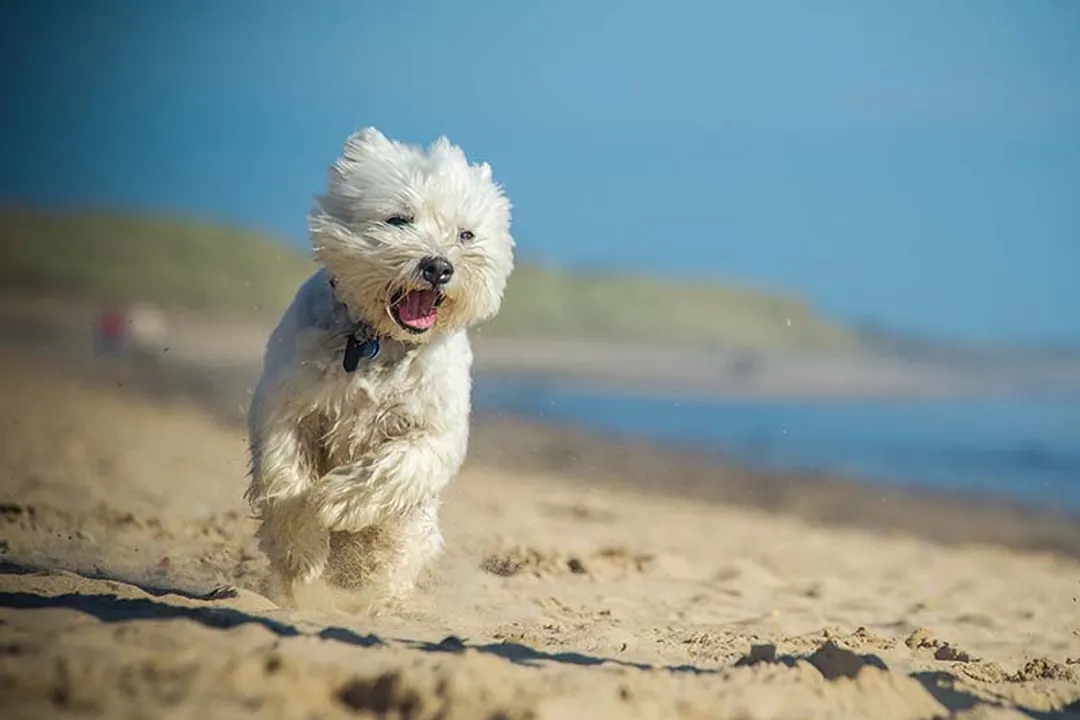
If you are looking for a docile, quiet lapdog, the Westie might surprise you. [4] These dogs are famously outgoing, self-assured, and possess an unwavering confidence that can sometimes border on bossiness. [1][7] They are spirited and playful, thriving on interaction with their families. [3] This breed is generally quite affectionate with their people, often forming strong bonds, though they usually retain a degree of independence expected of a terrier. [4][7] They can be excellent companions for children, provided the children are taught how to interact respectfully with a small, spirited dog. [3]
However, the terrier backbone is evident in their demeanor. They are naturally inquisitive and possess a strong prey drive, meaning small, fast-moving things like squirrels, mice, or even neighborhood cats can trigger their hunting instinct. [1][4] This drive means they require secure fencing and should generally be kept on a leash when not in a safely enclosed area. [4] They are also known for being vocal; they will certainly bark to alert their owners to anything they deem suspicious, or simply out of sheer excitement. [7] While they generally get along well with other dogs, early socialization is key to mitigating any potential territorial or dominant tendencies, especially with same-sex dogs. [1][3] Their confidence means they are rarely intimidated by larger breeds, a trait that owners must manage with consistent, fair leadership. [7]
# Coat Maintenance Demands
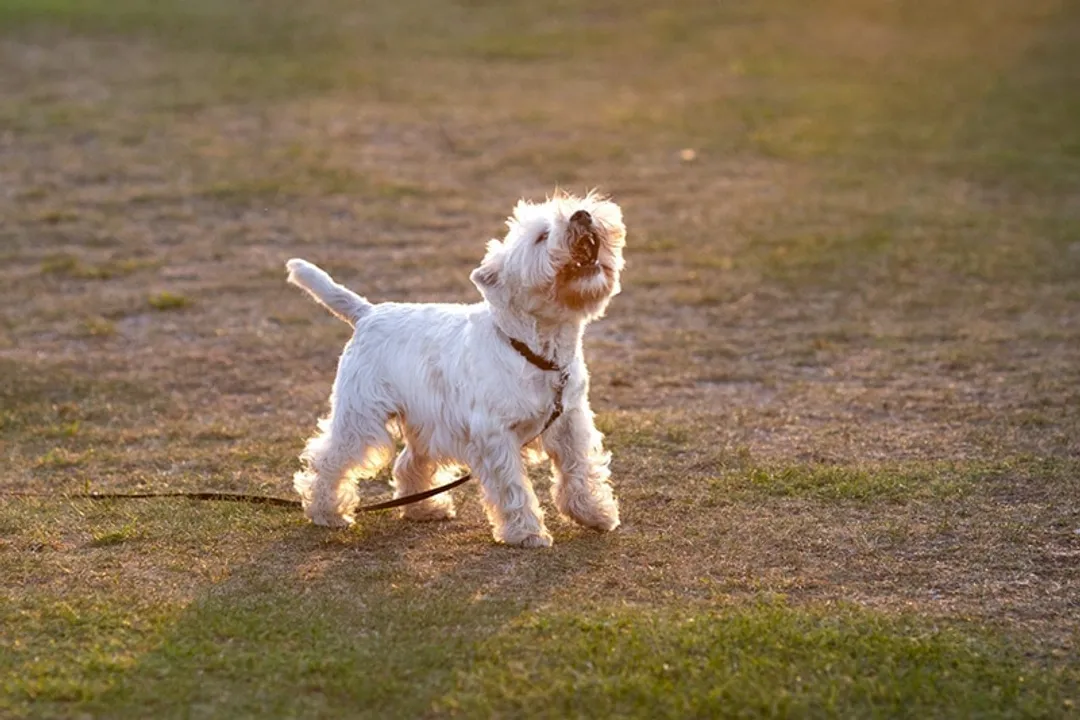
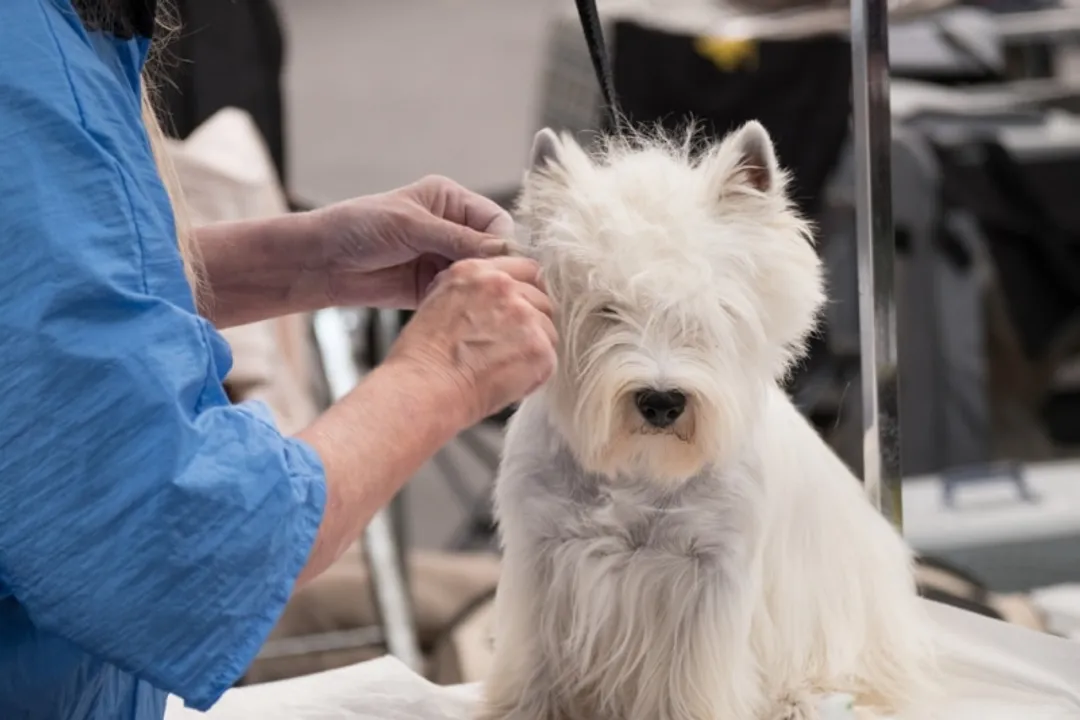
The Westie's famous white coat requires significant, specific grooming effort. It is not a wash-and-wear breed. The coat has two textures—the hard, wiry topcoat and the soft undercoat—and this structure needs regular attention to remain healthy and aesthetically pleasing. [1][3]
The traditional method of maintaining the harsh texture involves hand-stripping, which means manually plucking the dead, outer guard hairs rather than cutting them. [1][3] Clipping the coat with electric clippers, while easier, tends to remove the harsh texture, leaving the dog with a soft, cottony coat that loses its weather-resistant properties and can lead to matting much more quickly. [3] Hand-stripping is often recommended every 6 to 8 weeks, though the frequency can vary based on the individual dog's coat cycle. [1] If owners opt for clipping, which is common for pets not shown in conformation events, they must commit to more frequent brushing to combat the softness that leads to tangles. [3]
The pure white coat also makes cleanliness a constant concern. While the coat itself is low-shedding compared to many double-coated breeds—a characteristic often appealing to people with mild dog allergies—it readily picks up dirt and stains. [4] Regular bathing, perhaps every two to three weeks, is often necessary to keep them looking bright white. [3] Furthermore, their ears must be checked weekly for signs of infection, and nail trims are necessary to prevent overgrowth, typical of most breeds. [1]
One area often overlooked in the general care overview is the potential for contact dermatitis, which seems to manifest more frequently in this breed due to their skin sensitivity. While they shed less, which reduces household hair, owners must be vigilant about the type of shampoo used, as harsh chemicals can exacerbate skin issues. [7] If you are considering a Westie, understanding that grooming is a significant, necessary expense, whether paid to a professional groomer for stripping or time spent by the owner doing meticulous work, is vital for long-term management. This commitment often rivals that required for long-coated Poodles or Shih Tzus, even though the shedding itself is minimal [^Original Insight 1: Comparing grooming effort vs. shedding output reveals that Westies present a trade-off: low loose hair means high active maintenance for coat texture and cleanliness].

# Health Considerations
West Highland White Terriers are generally a hardy and relatively long-lived breed, often seeing 12 to 15 years or more with good care. [3][7] However, like all purebred dogs, they are predisposed to certain health issues that responsible owners should be aware of. [10]
One of the most frequently cited concerns in the breed is skin problems. [10] This can manifest as allergies, atopy, or chronic itching, sometimes related to food sensitivities or environmental factors. [3][7] Owners often need to work closely with their veterinarian to identify triggers, which might involve specialized diets or medications. [7]
Another area requiring attention is skeletal health. Legg-Calvé-Perthes disease, a condition affecting the hip joint, can occur in small breeds, including Westies. [10] Dental issues are also common in many small breeds, so routine veterinary dental cleanings are important to prevent painful periodontal disease. [1]
While less common than skin issues, owners should also be aware of potential problems like patellar luxation (slipping kneecaps) and a condition called Globoid Cell Leukodystrophy (GCL), a progressive neurological disease that is unfortunately seen in the breed. [10] Responsible breeders screen for genetic predispositions, but owners should remain observant for early signs of abnormal gait or behavior changes. [10] Generally, the breed remains quite healthy if provided with appropriate nutrition and consistent preventative veterinary care. [3]
# Training and Intelligence
Westies are intelligent dogs, but their intelligence often comes packaged with a healthy dose of terrier self-will. [4] They were bred to make independent decisions underground, a trait that translates directly into an occasional refusal to follow commands if the task seems boring or beneath them. [7] This means training requires patience, consistency, and a sense of humor. [1]
Positive reinforcement methods work best with the Westie. They respond very well to high-value food rewards and praise. [4] Harsh corrections or forceful methods are likely to shut them down or lead to stubborn defiance. [7] Puppy classes are highly recommended, not just for basic manners but for crucial early socialization. [1]
When training, consistency in expectations is paramount. If you allow them to get away with jumping on the sofa one day but forbid it the next, the Westie will quickly figure out the loopholes in your rules [^Original Insight 2: Because Westies possess the intellectual capability to test boundaries, owners must establish a clear, non-negotiable set of household rules before the dog settles in, treating training not as a one-time event but as a continuous reinforcement of leadership structure]. Basic obedience commands should be taught firmly but cheerfully. Because of their strong prey drive, teaching a reliable recall command is essential but can be one of the more challenging aspects of their training, often requiring significant practice in distraction-free environments before it can be trusted outdoors. [4]

# Exercise and Lifestyle Fit
Despite their small stature, Westies are energetic dogs that require regular physical and mental stimulation to keep them happy and prevent them from turning their energy toward destructive behaviors indoors. [3][4] They need daily exercise, usually satisfied by two good walks or playtime sessions, but they should not be over-exercised, especially as puppies, due to their developing joints. [1][7] A brisk walk or a good romp in a securely fenced yard is generally sufficient. [3]
Mental stimulation is just as important as physical activity for this bright breed. Activities that engage their minds, such as puzzle toys, short training sessions focusing on new tricks, or brief games of fetch, help satisfy their inquisitive nature. [4] Without adequate mental exercise, a bored Westie might become overly vocal or resort to digging—a deeply ingrained instinctual behavior that is very hard to correct once established. [7]
In terms of living situations, Westies can adapt well to apartment living if their exercise needs are met. [3] They are not overly large, but their tendency to bark means they need neighbors who are tolerant of occasional noise, or they need consistent training to curb excessive alerting. [7] They crave human companionship and do not do well when left alone for extended periods; they are much happier when they can be part of the family's daily activities. [4] They thrive in homes where someone is generally around, whether working from home or retiring, as they form tight bonds and can suffer from separation anxiety if neglected. [4]
# Socializing the Small Warrior
Effective socialization is one of the most critical components of raising a well-adjusted Westie. Because they were historically bred to be feisty, independent hunters, an owner must actively work to ensure they view the world as a safe, friendly place rather than a territory to be fiercely guarded or a collection of small animals to be chased. [7]
Introducing a Westie puppy to a wide variety of sights, sounds, people, and other vaccinated, calm animals during their critical socialization window (up to about 16 weeks) is non-negotiable. [1] This early exposure helps temper their inherent suspicion of strangers and their potential for dog-dog aggression. [3] Without it, you may end up with a dog that barks incessantly at visitors or displays undue aggression toward other dogs on walks. [7]
Even as adults, maintaining positive social interactions is important. Taking them to safe, well-managed dog parks (once fully vaccinated and assessed for temperament) or ensuring they meet new people frequently can reinforce the lessons learned in puppyhood. [4] Their size often leads well-meaning but inexperienced owners to allow them liberties they wouldn't allow a larger dog, which only reinforces the small dog syndrome—the belief that they are in charge. Firm, gentle handling and consistent socialization counteract this tendency, allowing the Westie’s naturally cheerful and loving side to shine through in all situations. [1][7]
#Videos
Westie or Not? | Life Span, Size, Health | Breed Characteristics
Related Questions
#Citations
West Highland White Terrier - Dog Breeds - American Kennel Club
West Highland White Terrier - Wikipedia
The West Highland White Terrier Dog Breed - Hill's Pet Nutrition
10 Vet-Verified Westie Facts: Origin, Traits & More - Dogster
West Highland Terrier experience? : r/dogs - Reddit
Brief History of the Westie
The Vet's Guide to West Highland White Terriers: Facts, Care, and ...
Westie or Not? | Life Span, Size, Health | Breed Characteristics
West Highland White Terrier | Breeds A to Z - The Kennel Club
9 Facts About West Highland White Terriers - axerna.com