Weimardoodle Physical Characteristics
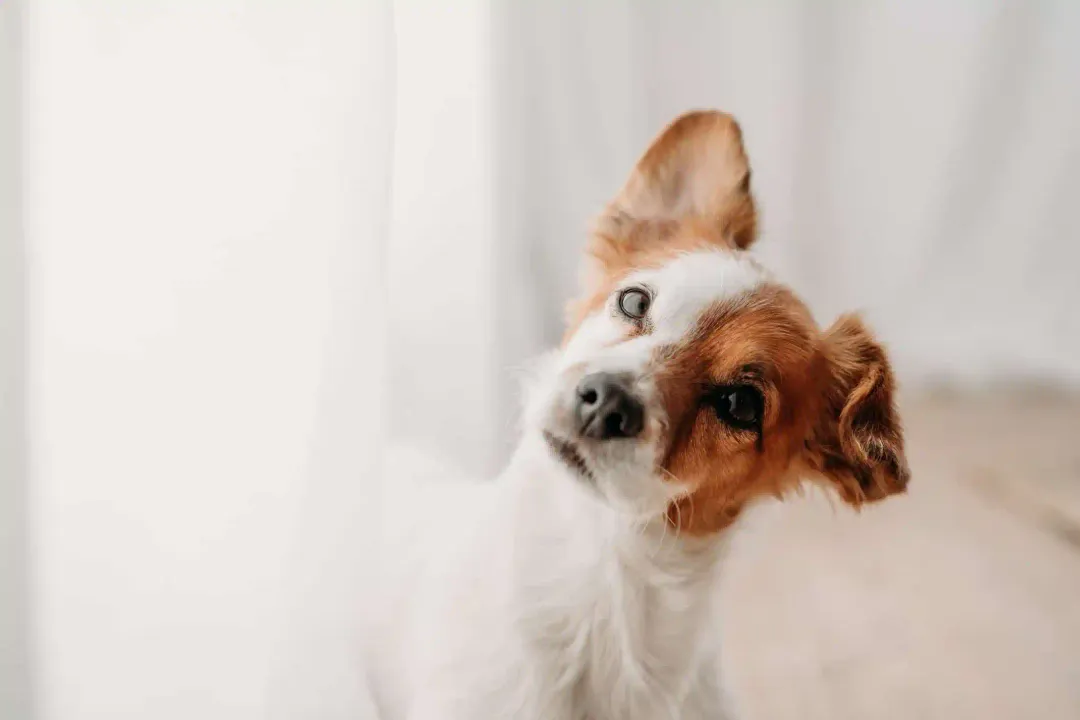
The Weimardoodle presents a fascinating study in canine aesthetics, being the intentional cross between the elegant Weimaraner and the intelligent Poodle. [1][2] As with any designer mix, predicting the exact physical manifestation is less of a science and more of an educated estimation based on the dominant traits passed down from its purebred parents. [3] Owners should anticipate a dog that carries the sleek sophistication of the Weimaraner alongside the textured coat potential of the Poodle. [4][5] The result is not a single, standardized look, but rather a spectrum of appearances defined by height, coat texture, and that signature smoky coloration. [6][7] Understanding these physical characteristics requires looking closely at how the traits from each parent breed mix and mingle in the offspring. [8]
# Size Weight
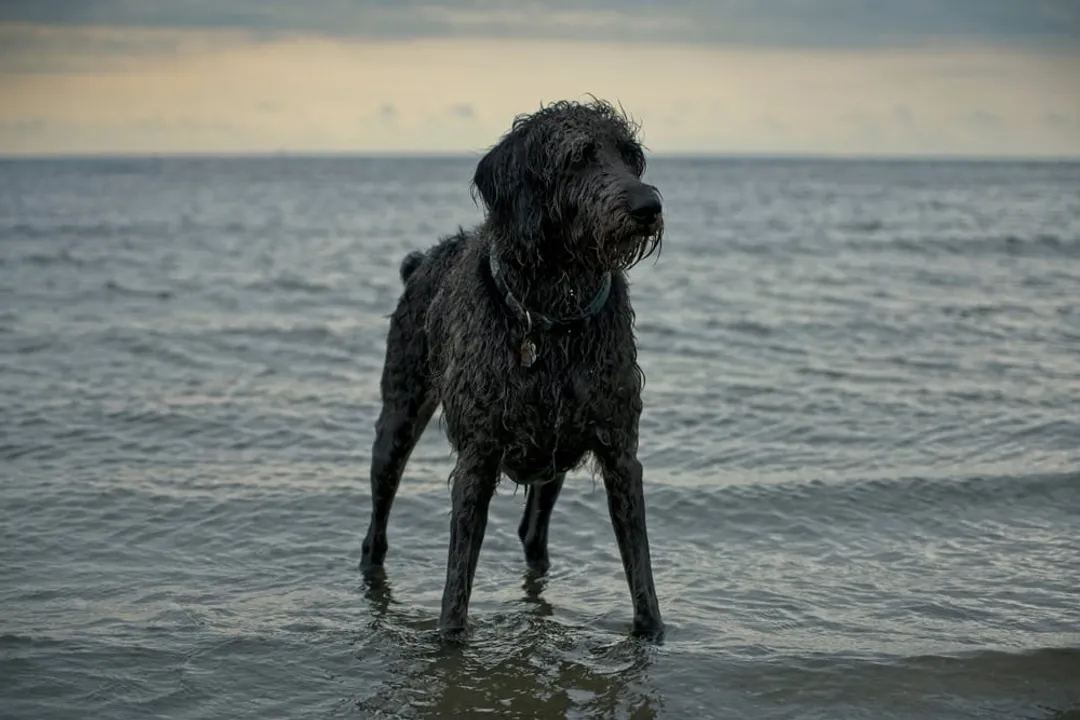
Determining the precise size of a Weimardoodle before it reaches full maturity can be tricky, primarily because the Poodle parent can introduce significant size variation. [1][5] When people speak of Weimardoodles, they are most often referring to the cross involving a Standard Poodle, which typically results in a medium-to-large dog. [7][8]
For a Standard Weimardoodle, the adult height generally falls in the range of 22 to 27 inches at the shoulder. [1][5] Weight is equally variable, usually settling between 45 and 90 pounds, depending heavily on the Poodle’s genetic contribution. [1][3][7] If the Poodle parent was a Miniature or Toy variety, the resulting cross—sometimes referred to as a Miniature or Toy Weimardoodle—will be substantially smaller, though these pairings are less common in intentional breeding programs. [5] The Weimaraner parent contributes a generally leaner, more athletic build, contrasting slightly with the sometimes stockier look of a Standard Poodle, leading to a dog that often appears graceful and substantial. [4]
It is genuinely important for prospective owners to inquire about the specific size of the Poodle used in the pairing. [6] If a breeder is unable to provide a clear lineage regarding the Poodle's size class (Standard, Mini, or Toy), it becomes difficult to project an adult weight with any confidence, meaning a dog expected to be in the 60-pound range could potentially drift toward 80 or even slightly above if the Weimaraner genes are less dominant regarding leanness. [4][8] This variability means that a backyard enthusiast might end up with a much larger dog than anticipated if they are relying solely on the "Standard" label without confirming the parentage. [6]
# Coat Texture
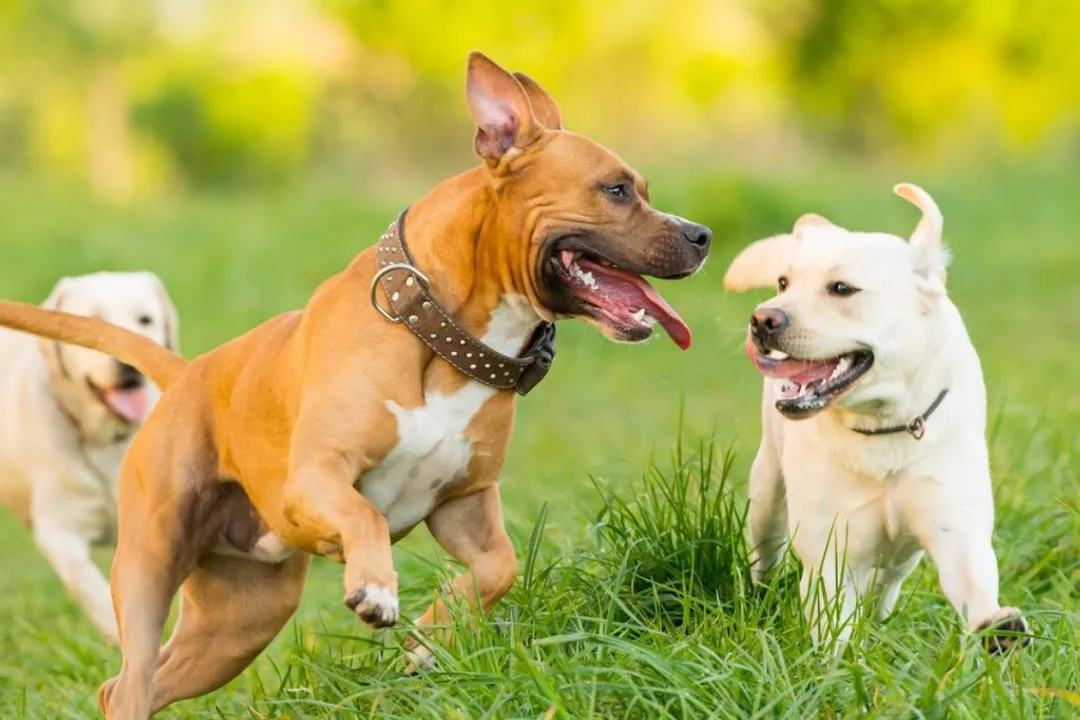
The coat is perhaps where the hybrid nature of the Weimardoodle is most visually apparent, as it is a direct manifestation of blending two very different hair types: the short, smooth coat of the Weimaraner and the dense, curly, virtually non-shedding coat of the Poodle. [1][3]
The resulting coat texture can fall along a wide spectrum: [5][8]
- Wavy/Shaggy: Many Weimardoodles exhibit a moderate wave, often described as shaggy or soft. [1][7] This coat usually retains some of the low-shedding qualities inherited from the Poodle side but requires more regular maintenance than a Weimaraner's smooth coat. [4]
- Curly: A tighter, curlier coat suggests a stronger inheritance from the Poodle side. [3] These dogs typically shed very little, making them a popular choice for allergy sufferers, though grooming needs increase significantly. [2][7]
- Straight: Less common, but some Weimardoodles inherit a straighter coat, perhaps leaning closer to the Weimaraner's texture but often thicker or softer than the purebred. [5]
Shedding is a key consideration. While the Poodle parent contributes the gene for minimal shedding, it is not guaranteed in every cross. [1][3] Most Weimardoodles are considered low-shedding dogs, but they are not truly hypoallergenic, a term that should be used cautiously when describing any hybrid. [2][7] Regardless of the texture, regular brushing is necessary to prevent matting, especially in the wavy or curly varieties. [4] If a dog inherits a coat that is more Poodle-like, they will likely need professional grooming every six to eight weeks to maintain comfort and hygiene. [5]
# Color Variations
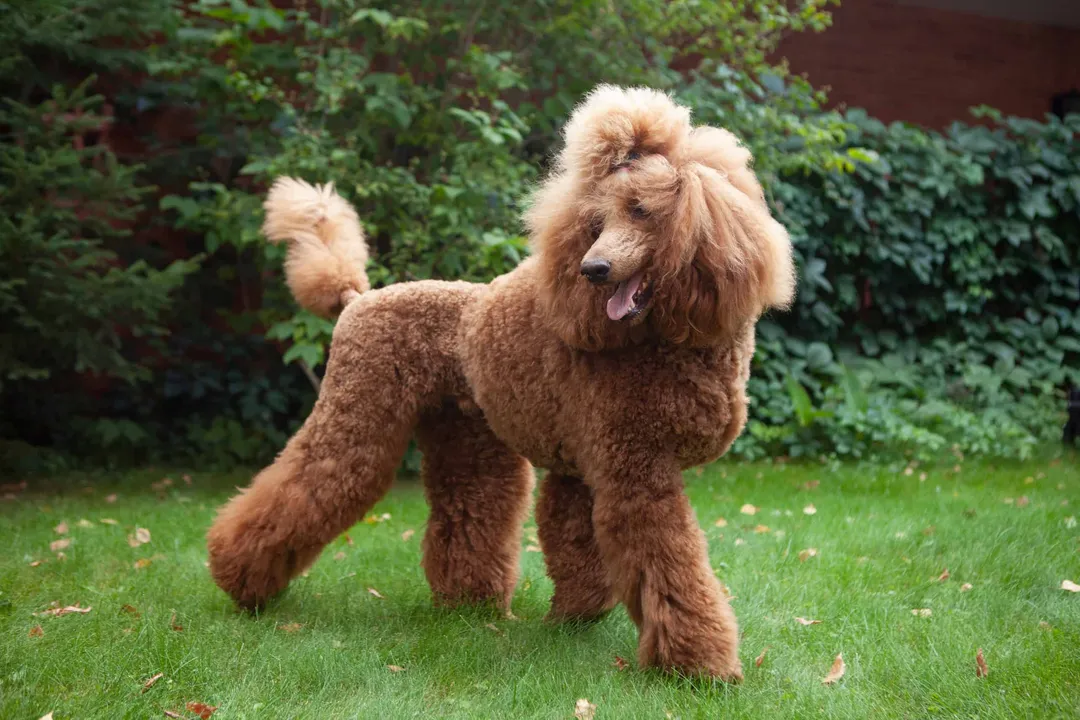
The color profile of the Weimardoodle is usually dictated by the Weimaraner parent, which is famously known for its distinct solid gray coloration. [1][3] However, the Poodle’s genetic contribution can introduce nuances or entirely different colors depending on the Poodle's background. [2][5]
The most sought-after and recognizable colors include:
- Silver or Blue-Gray: This classic "Weim" color is the most common outcome. The shade can range from a very pale, almost shimmering silver to a darker, more pronounced blue-gray. [1][3]
- Charcoal: A deep, dark gray that sometimes appears almost black in poor lighting. [7]
- Black: If the Poodle parent was black, the offspring may also present as solid black. [5]
- Fawn or Tan: Occasionally, faded or brownish undertones may appear, though these are less typical of the desired standard. [4]
A point of interest for new owners involves the depth of the color over time. Many Weimaraner mixes will appear darker as puppies, sometimes exhibiting shadowy or patterned markings that fade as they mature into their adult smoky hue. [8] It is uncommon, but some crosses might exhibit white markings, though these are generally discouraged in breed standards if they appear prominently. [7] If you are set on a specific shade of gray, observing the puppy's parents can offer the best clue, though coat dilution genes always keep a slight element of surprise in the mix. [1][2]
# Facial Details
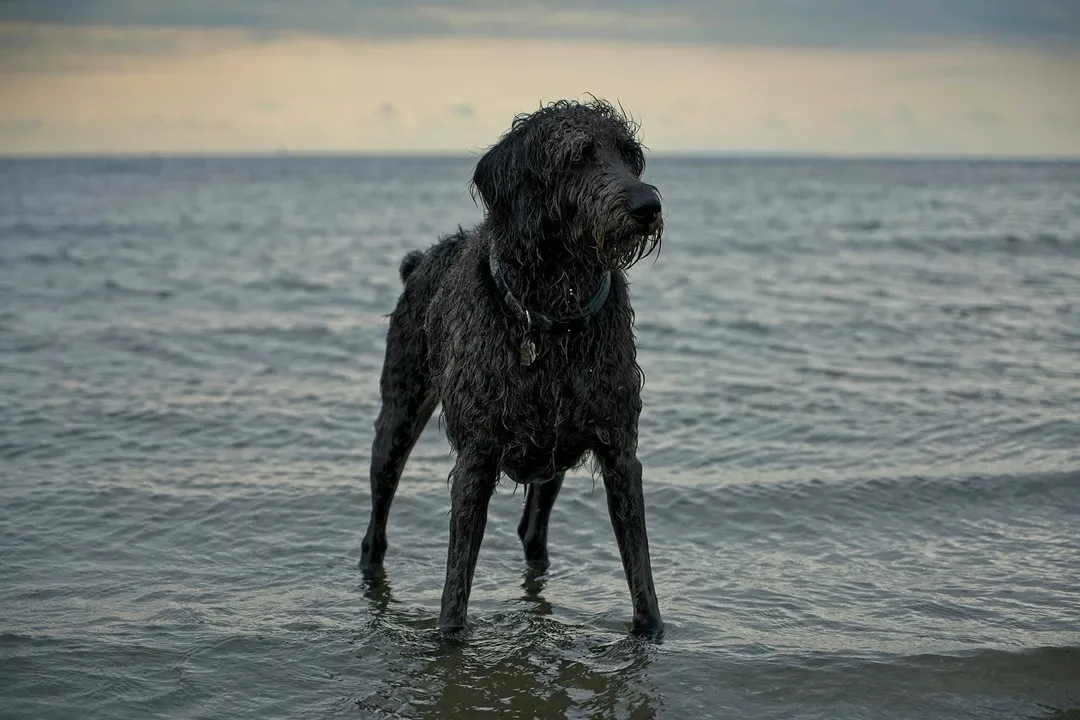
The head and facial features combine the noble carriage of the Weimaraner with the distinct head shape of the Poodle, creating a generally elegant profile. [4]
# Eyes
The eyes are often highlighted as one of the most striking features, typically inheriting the luminous coloring of the Weimaraner. [1][3] Commonly seen eye colors include light amber, gray, or blue. [7] It is very common for Weimardoodle puppies to be born with blue eyes that gradually shift to their adult color—often amber or gray—as they grow older. [5][8] This transition period can sometimes leave owners wondering what the final color will be, as the blue can linger well into the first year of life. [3]
# Ears Muzzle
The ears are characteristically pendulous, meaning they hang down, taking the long, velvety drape from both parent breeds. [1][2] They are generally set high on the head and frame the face nicely. [4] The muzzle tends to be moderately long and strong, more aligned with the Weimaraner's athletic structure than the Poodle's more refined features. [7] The nose color usually matches the coat, often appearing gray or black. [1]
# Developmental Consistency
One challenge in describing the Weimardoodle physically is the difference between F1 (first-generation cross) and subsequent generations (F1b, F2, etc.). [5] F1 Weimardoodles are produced by crossing a purebred Weimaraner and a purebred Poodle, often resulting in the highest degree of physical variation because the traits from each parent are equally represented. [1][8] For instance, an F1 cross might produce one litter where half the puppies have tightly curled, non-shedding coats, and the other half have soft, wavy coats that shed moderately. [5] As generations advance (e.g., F1b, where an F1 mix is crossed back to a Poodle), breeders aim for more predictable traits, usually seeking to lock in the low-shedding coat while retaining the Weimaraner coloring. [4][7]
The overall impression one gets when looking at a well-bred Weimardoodle is that of an athletic, medium-to-large dog with a refined head, expressive eyes, and a coat that begs for a good brushing. [3][6] They carry themselves with an air of distinction inherited from both sides of their lineage, making them instantly recognizable as a unique crossbreed. [2][7]
| Physical Trait | Common Range (Standard Cross) | Note on Variability |
|---|---|---|
| Height (Shoulder) | 22 – 27 inches | Varies based on Poodle parent size [1][5] |
| Weight | 45 – 90 pounds | Heavily influenced by Poodle genetics [3][7] |
| Coat Texture | Wavy, Curly, or Straight | Highly unpredictable in F1 generation [4][8] |
| Primary Color | Silver, Blue-Gray, Charcoal | Can include black depending on Poodle heritage [1][5] |
| Eye Color | Amber, Gray, Blue | Blue eyes often fade with maturity [3][7] |
While the physical appearance is captivating, it is worth remembering that these dogs are built for activity, inheriting the stamina of the Weimaraner and the energy of the Poodle. [6] Their physical structure supports high energy levels, which means that even the most beautiful, perfectly colored specimen will need consistent physical and mental outlets to remain happy and well-adjusted within the home environment. [2][4]
Related Questions
#Citations
Weimardoodle Dog Breed Information & Characteristics - DogTime
Weimardoodle Dog Breed Complete Guide - A-Z Animals
Weimardoodle (Weimaraner & Poodle Mix): Info, Pictures, Care ...
Weimardoodle Dog Breed: Info, Pictures, Care & Traits - Hepper
Weimardoodle Breed Information, Characteristics & Heath Problems
Weimardoodle: Not Suitable For These Types of People
Weimardoodle Dog Breed Health, Temperament, Training, Feeding ...
Weimardoodle Dog Breed Information and Pictures
Weimardoodle - Sidewalk Dog