Weaver Birds Facts

Weaver birds, belonging to the family Ploceidae, stand out in the avian world not just for their songs or plumage, but for their astonishing structural engineering skills. These small birds are nature’s top architects, crafting nests so complex and durable they often resemble carefully woven baskets or ornate hanging ornaments. The sheer effort and precision involved in their construction have earned them this title, turning simple twigs and grasses into sophisticated dwellings.
This family encompasses a large group of passerine birds found across the continents of Africa and Asia. Their architectural genius lies in transforming flexible, natural fibers into stable, functional homes, often suspended high above the ground or water. This ability to manipulate materials is a defining characteristic of the group, setting them apart even among other nest-building birds.
# Material Science
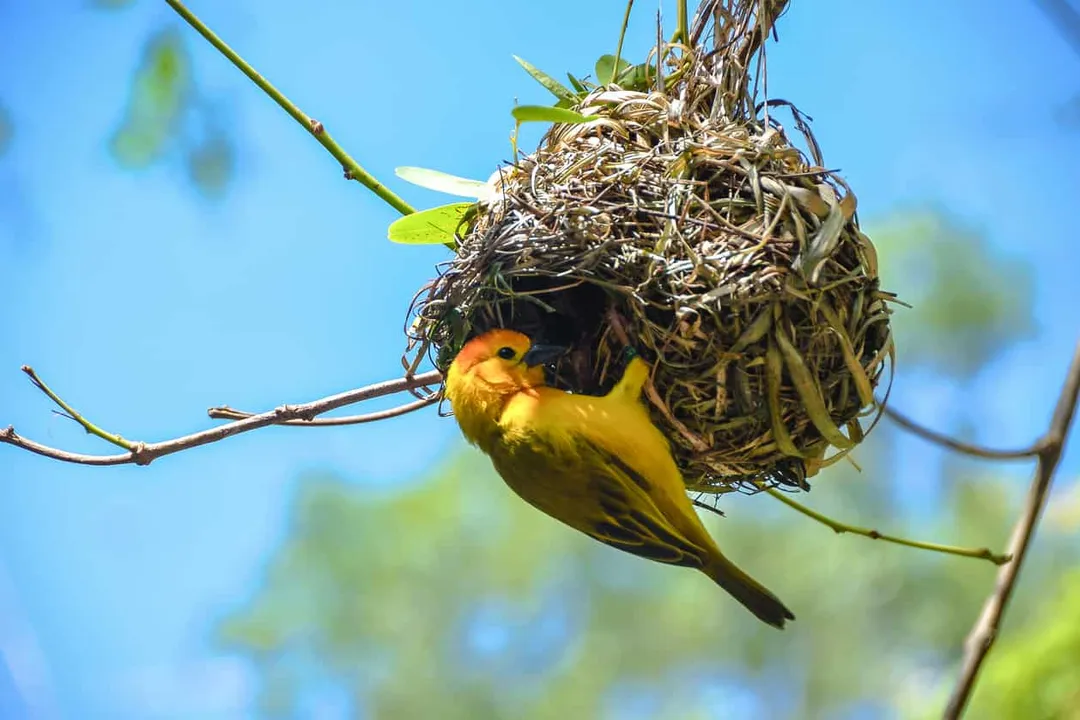
The primary materials birds like the Baya Weaver employ are generally strands of grass, reeds, or pliable twigs. The process requires significant dexterity; the bird must select the right length and tensile strength of material to ensure the structure holds its shape and weight. They weave these components together meticulously, often using their beaks as both needle and shuttle to lock the fibers into place. This manipulation is not random; it’s an instinctive mastery of tensile strength and knotting techniques, essential for producing a secure structure.
# Courtship Design
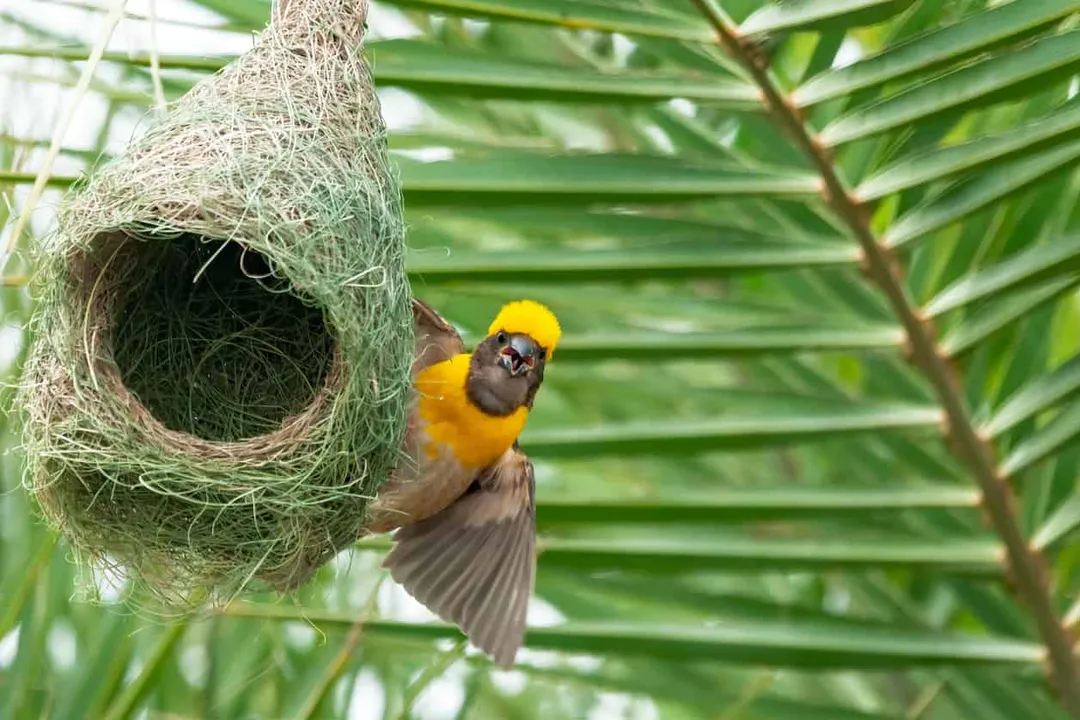
The construction phase is intrinsically linked to reproduction, making the weaver bird a brilliant strategist in mate selection. In many species, it is solely the male who undertakes the enormous task of building the nest, often presenting several semi-finished or complete structures to prospective mates. A female bird will carefully inspect the structural integrity, the neatness of the weave, and the overall quality of the male’s architecture. An interesting observation here is how the cost of construction acts as an honest signal: a poorly built nest might indicate an inexperienced or unhealthy male who lacks the time or vigor necessary for proper engineering, immediately filtering out less capable partners before mating even occurs [Original Insight 1]. The female's final choice is often based on these tangible, visible measures of the male's genetic fitness, validated by his architectural prowess.

# Structural Diversity
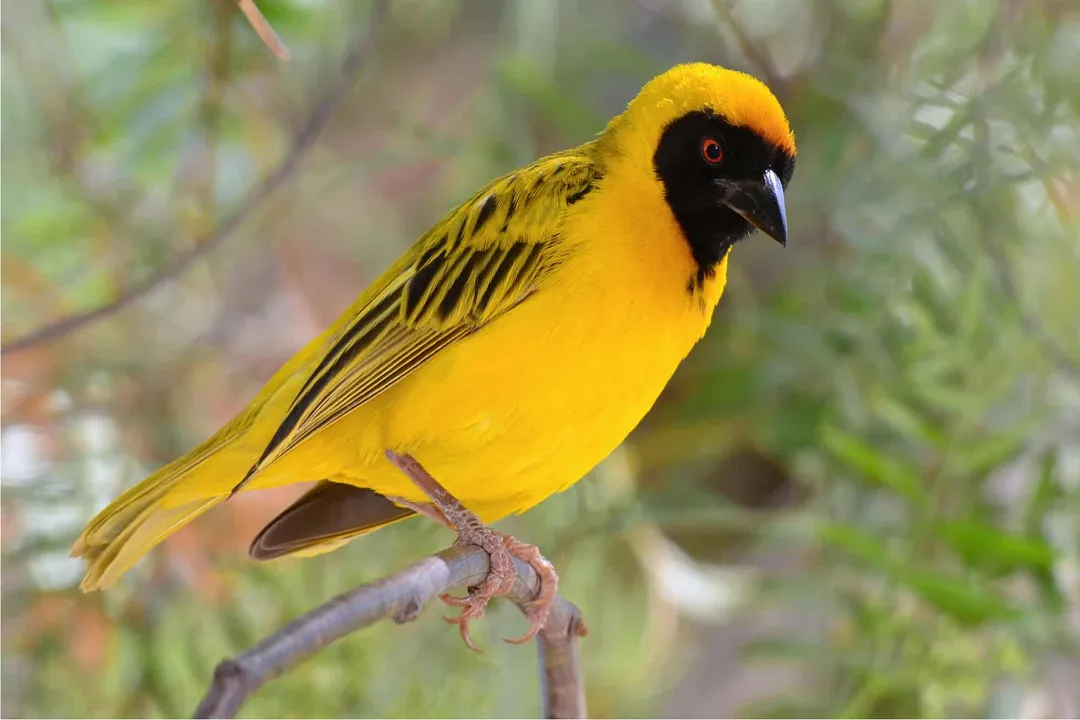
While many think of a single, dangling pod, weaver nests display fascinating variety, often determined by the species. Some build solitary nests suspended precariously from slender tree branches or reeds, protecting the entrance hole from predators. Other species opt for a communal approach, creating vast, intricate structures that house numerous pairs. These communal nests can be massive, showing an organized division of labor, though the core weaving principles remain consistent across the family. It is worth noting that while the main structure protects the eggs and chicks, the entrance is frequently oriented downwards, acting as a natural deterrent against snakes or monkeys reaching inside.
# Engineering Comparison
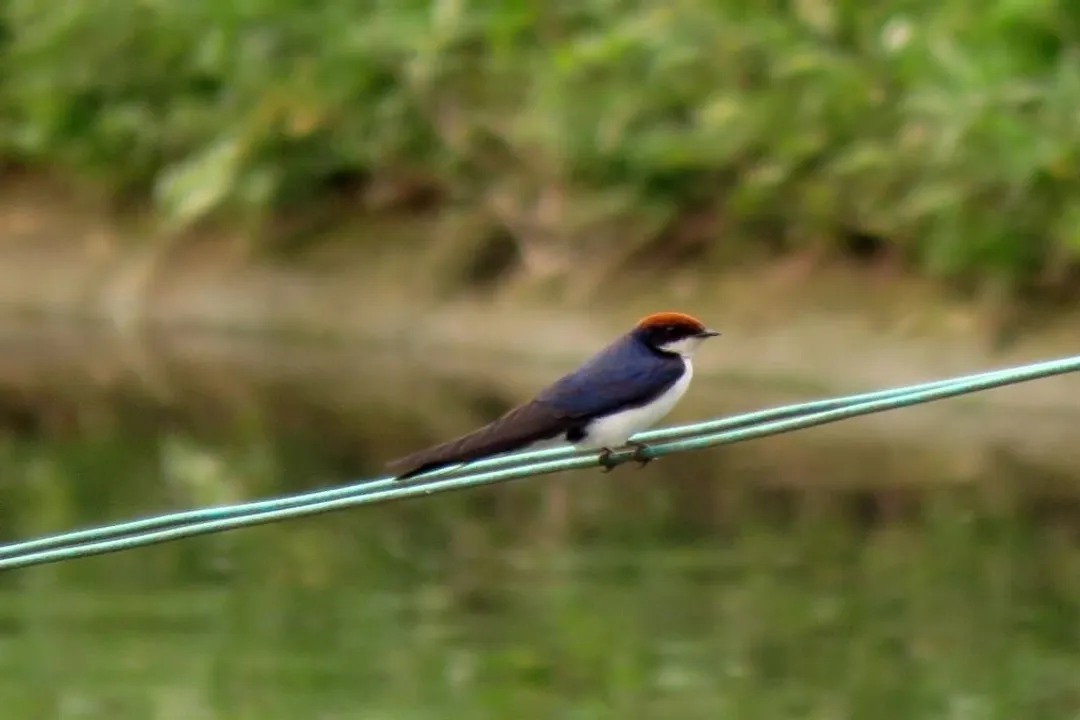
If we consider nest building across the animal kingdom, the weaver bird’s method involves far more interlocking than simple gluing or mud-packing seen in other birds. For instance, a swallow uses mud daubed together, relying on adhesive strength, whereas the weaver relies almost entirely on friction, tension, and precise looping of pliable materials. This reliance on purely woven structure suggests an evolutionary pressure favoring dexterity and material science over material strength, perhaps because flexible grasses are more widely and consistently available in their specific habitats than mud or rigid sticks [Original Insight 2]. Their finished nests can sometimes withstand significant wind and rain due to this woven flexibility.

# Finished Home
The result of this dedicated labor is a highly functional, often elaborate home. The final shape varies widely, sometimes resembling a retort or a long-necked flask. The dedication required for this building process underscores the deep instinctive drive these birds possess, linking their survival and reproductive success directly to their building aptitude.
#Videos
Baya Weaver Nests: Nature's Most Intricate Avian Architecture
Why Weaver Birds Are Nature's Master Builders!
Related Questions
#Citations
Weaver Birds: Nature's Master Architects Bird Facts
Weaver Birds – Nature's Top Architects | KFBG Blog
🐦🪺🐍The weaver bird is not just a master architect but also ...
Baya Weaver Nests: Nature's Most Intricate Avian Architecture
Fun Facts Friday: Nature's Architects Ingenious Animal Homes
Nature Secrets on Instagram: "Weaver Bird: The Master ...
The Extraordinary Weaver Bird: Nature's Architect and Engineer