Weasel Evolution
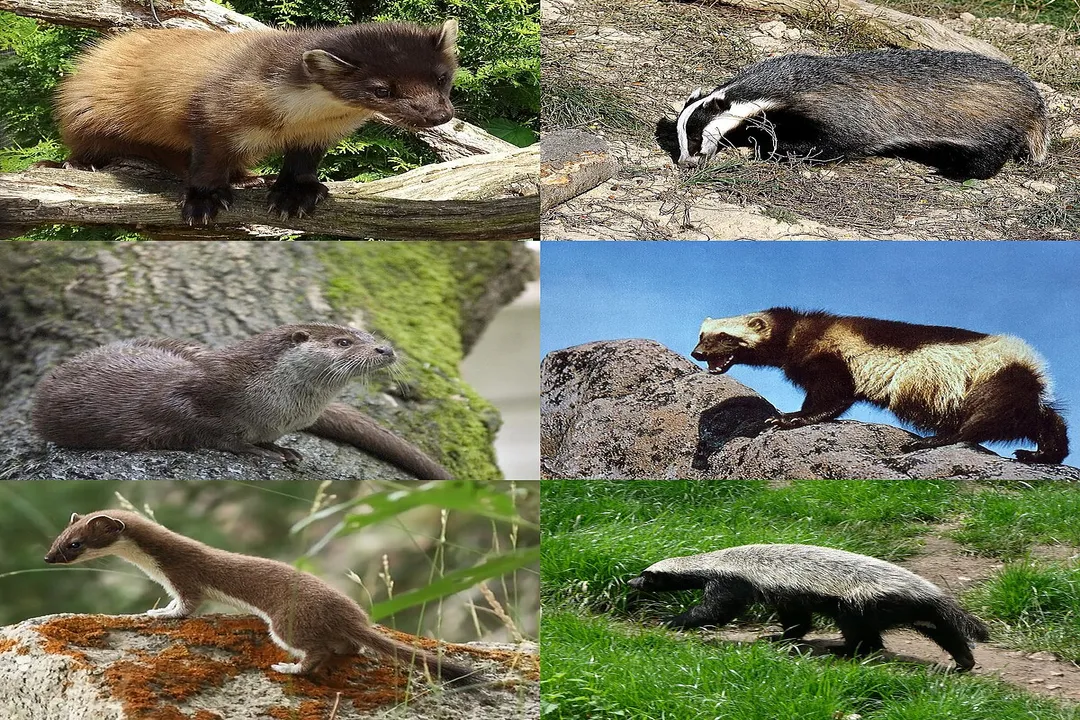
The sleek, sinuous form of the weasel—long body, short legs, and an insatiable curiosity—represents a highly specialized design that has allowed its relatives to colonize nearly every corner of the globe. This body plan, characteristic of the family Mustelidae, is the result of tens of millions of years of evolutionary refinement within the order Carnivora. Tracing this lineage backward reveals not just the story of the modern weasel, but also clues about the very earliest successful land mammals that navigated a world dominated by reptiles.
# Early Mammalian Context
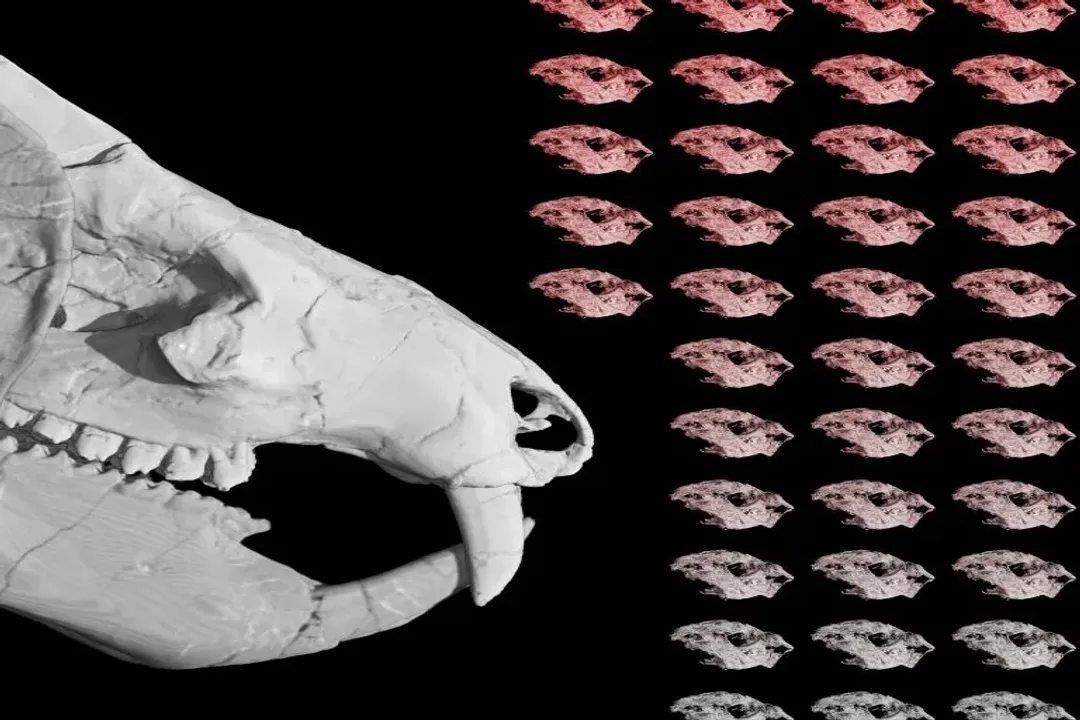
To appreciate the weasel's success, one must look back to the Paleogene period, the era following the demise of the non-avian dinosaurs. The radiation of mammals into newly vacated ecological niches drove significant diversification, and among the survivors were the ancestors that would eventually give rise to modern carnivores. Weasel-like fossils, sometimes dubbed "weasel-like carnivorans," provide important glimpses into this early diversification.
These early forms, which appeared in the fossil record, help scientists reconstruct the phylogenetic relationships among modern carnivorans. They represent an important stage in the evolution of the Musteloidea superfamily, which includes weasels, skunks, raccoons, and red pandas. Analyzing these ancient remains offers insights into how the initial mammalian body plans adapted to terrestrial life, setting the stage for the specialized predators we see today. One significant observation from paleontology is that certain weasel-like creatures were present relatively early in the Cenozoic era, suggesting the underlying biological blueprint for this body type was established long before the full diversification of later families.
# Mustelid Origins
The family Mustelidae itself is nested within the larger superfamily Musteloidea. Molecular data and fossil evidence help map out the relationships, though the exact timing and placement of major splits can involve ongoing research and sometimes yield slightly different results depending on the methodology used.
The evolution within Musteloidea shows a complex pattern of divergence and dispersal across continents. Specifically concerning the Mustelidae lineage, molecular studies often place their origins deep within the Cenozoic, marking a significant branch point among the carnivorans. When examining the relationships between different groups within Musteloidea, the relationships among mustelids, mephitids (skunks), and procyonids (raccoons) have historically been complex, with different studies pointing to various branching orders, though modern comprehensive analyses have provided clearer trees.
We can organize the broad evolutionary steps of this group using the inferred divergence times from molecular clock analyses:
| Superfamily | Major Clade | Estimated Divergence Time (Approx.) | Key Feature/Context |
|---|---|---|---|
| Carnivora | Ursidae (Bears) | Earliest | Reference Point |
| Musteloidea | All Musteloidea | ~42 Million Years Ago (MYA) | Initial split from other carnivorans |
| Musteloidea | Procyonidae (Raccoons) | ~39 MYA | Early divergence within the superfamily |
| Musteloidea | Mephitidae (Skunks) & Mustelidae | ~34 MYA | Skunks and weasels split from their common ancestor |
| Mustelidae | Diversification | Post-34 MYA | Rapid diversification into modern subfamilies |
A fascinating aspect is the comparison of molecular clock estimates with the fossil record. While fossils help anchor the timeline, molecular divergence estimates can sometimes suggest earlier origins for certain splits than what is clearly evidenced in the stratigraphy, which may indicate gaps in the fossil record or challenges in calibration. For instance, the differentiation of the Musteloidea group seems to have occurred during the Eocene, a period of significant mammalian expansion.

# Dispersal and Biogeography
The story of the weasel lineage is inextricably linked to the shifting geography of the Earth. The successful colonization of various habitats required movement across land bridges and adaptation to new climates. Early Musteloidea members dispersed widely across the Northern Hemisphere.
The biogeographic history of these weasel-like carnivorans shows major dispersal events. One key finding is that the ancestors of the modern Mustelidae likely spread rapidly across North America and Eurasia. The diversification that led to the vast array of modern mustelids—from otters to badgers to stoats—was heavily influenced by these movements and subsequent periods of isolation or connection between continents.
If we look at the spread of the Musteloidea superfamily, we see evidence of incursions into South America via the Great American Biotic Interchange (GABI). However, the Mustelidae family's main radiation appears well-established before these later transcontinental movements fully shaped the modern distribution. The genetic evidence suggests a complex history involving multiple dispersal events rather than a single wave, with some lineages potentially evolving specific traits in isolation before re-connecting with others. Understanding these movements helps explain why we find specialized weasel relatives in vastly different environments today, from the Arctic to tropical rainforests.
# The Specialized Form
What made this particular body plan so successful? The answer lies in the classic weasel morphology: elongation and flexibility. This design is an evolutionary jackpot for exploiting tight spaces and chasing prey underground or into crevices where larger, bulkier predators cannot follow.
The success of this form is reflected in the diverse ecological roles members of Mustelidae have adopted. Consider the contrast between a river otter and a European polecat; both are mustelids, but one is aquatic and the other terrestrial and subterranean-focused. Yet, both retain that core elongated, low-slung structure, albeit modified for their specific environments—streamlined for swimming versus powerfully built for digging. This demonstrates the remarkable phenotypic plasticity that the ancestral weasel-like body allowed for when subjected to different selective pressures. It suggests that the genetic toolkit for extreme body elongation was present early on, allowing for varied modifications later.
For instance, in the case of the sea otter, a mustelid, the body is still long, but the limbs have become adapted as flippers, and the pelt has become incredibly dense for insulation in cold marine waters. This adaptive radiation, stemming from a common, likely terrestrial ancestor, showcases the power of stabilizing selection for the general shape combined with disruptive selection for specialized appendages and insulation.
It is worth noting that while the general weasel shape is iconic, the family tree also includes creatures that deviate significantly. For example, the giant short-faced weasel (Arctomeles cayopangensis) exhibited a much more robust build than its slender cousins, illustrating that even within the core group, ecological demands can push forms toward heavier musculature and broader skulls, rather than just elongation.
# Insights from Fossil Analogues
The scientific pursuit of weasel evolution often involves placing modern forms in context with extinct relatives. One way to analyze this is by looking at musteloid fossils that predate the clear split of all modern families. Paleontologists often examine skulls and teeth—the most durable parts—to infer diet and relationship.
If we were to create a hypothetical comparison between an early Oligocene musteloid fossil (let's call it Protosmustela) and a modern least weasel (Mustela nivalis), we might observe:
- Protosmustela (Oligocene Analog): Slightly larger skull volume relative to body size, broader molars suggesting a more generalized diet (perhaps including more insects or fruit), and a less pronounced sagittal crest (the ridge on the top of the skull where jaw muscles attach).
- Mustela nivalis (Modern): Very streamlined skull, hyper-carnassial teeth adapted for slicing flesh, and a very well-developed sagittal crest indicating powerful biting force necessary for killing small, struggling prey quickly.
This comparison highlights an evolutionary trend towards hypercarnivory and specialization in the direct weasel line, likely driven by increased competition or the availability of abundant small rodent prey as grasslands expanded in later epochs. It represents a refinement of the ancestral carnivoran toolkit into a highly efficient, flesh-specialized predator. The evolutionary pressure appears to favor maximizing bite efficiency over generalized crushing strength in the smaller forms.
# The Modern Scope
The family Mustelidae is immensely successful, boasting around 56 species across 25 genera, making it one of the most speciose families within the order Carnivora. This diversity is a direct testament to the evolutionary success of their ancestral body plan and the varied ecological niches they have managed to occupy since their divergence from other Musteloidea.
The modern distribution shows that while many species, like the various types of true weasels (Mustela genus), are found across the Northern Hemisphere, evolutionary centers and unique radiations exist globally. For instance, the honey badger (Mellivora capensis) in Africa represents a lineage that has specialized in a vastly different niche, showing extreme tenacity and a diet that includes venomous snakes, a niche rarely shared by its smaller, slender relatives.
When considering the breadth of this family, it's easy to focus only on the classic, slender weasels. However, the family tree includes massive marine predators (sea otters), burrowing specialists (badgers), and arboreal hunters (martens). The common thread, visible even in the widest forms like the wolverine (Gulo gulo), remains the structure of the feet and the fundamental skull architecture inherited from those ancient weasel-like carnivorans that first scampered across the Paleogene landscape. The wolverine, for example, is often called the "skunk bear" but remains firmly within Mustelidae, representing an evolutionary push toward large size and resistance to cold, demonstrating the limits of morphological adaptation within this group.
The success story is one of adaptation through modification of a functional template. The ancestral form provided the key traits—agility, scent-based tracking capability, and relatively small size—and subsequent evolution tweaked these traits for specialized survival, whether that meant a longer torso for chasing mice down burrows or thicker fur and powerful shoulders for surviving harsh winters. The evolutionary path of the weasel is less about reinventing the wheel and more about perfecting the performance of a very well-designed original chassis.
Related Questions
#Citations
Weavile Pokédex: stats, moves, evolution & locations
Weasels in Stone: Mustelid Evolution - Synapsida
Mustelidae - Wikipedia
Evolutionary and biogeographic history of weasel-like carnivorans ...
Weasel-Like Fossils Reveal Evolutionary Clues of the First Mammals
Buizel (Pokémon) - Bulbapedia
Mustelid evolution : r/SpeculativeEvolution - Reddit
Evolution of musteloids - Chris J. Law
Evolutionary and biogeographic history of weasel-like carnivorans ...
Evolutionary and biogeographic history of weasel-like carnivorans ...