Vole Physical Characteristics
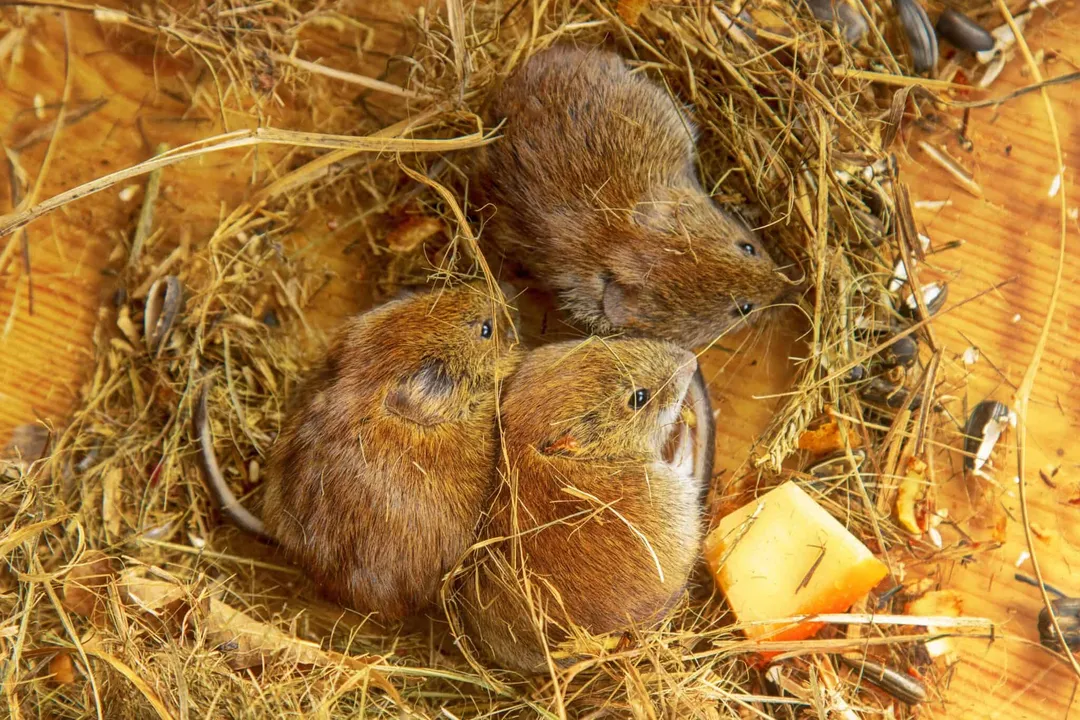
Voles are often recognized by the damage they inflict—gnawed bark, destroyed root systems, and intricate networks of surface runways—rather than by a close-up viewing of the animal itself. Because they are small, frequently semi-fossorial, and often mistaken for common mice, shrews, or moles, accurately identifying their physical attributes is the essential first step before addressing any damage they cause. While there are approximately 155 different species of voles globally, they generally share a common blueprint: a small, compact, ground-dwelling rodent physique built for living close to the earth.
# Stout Build
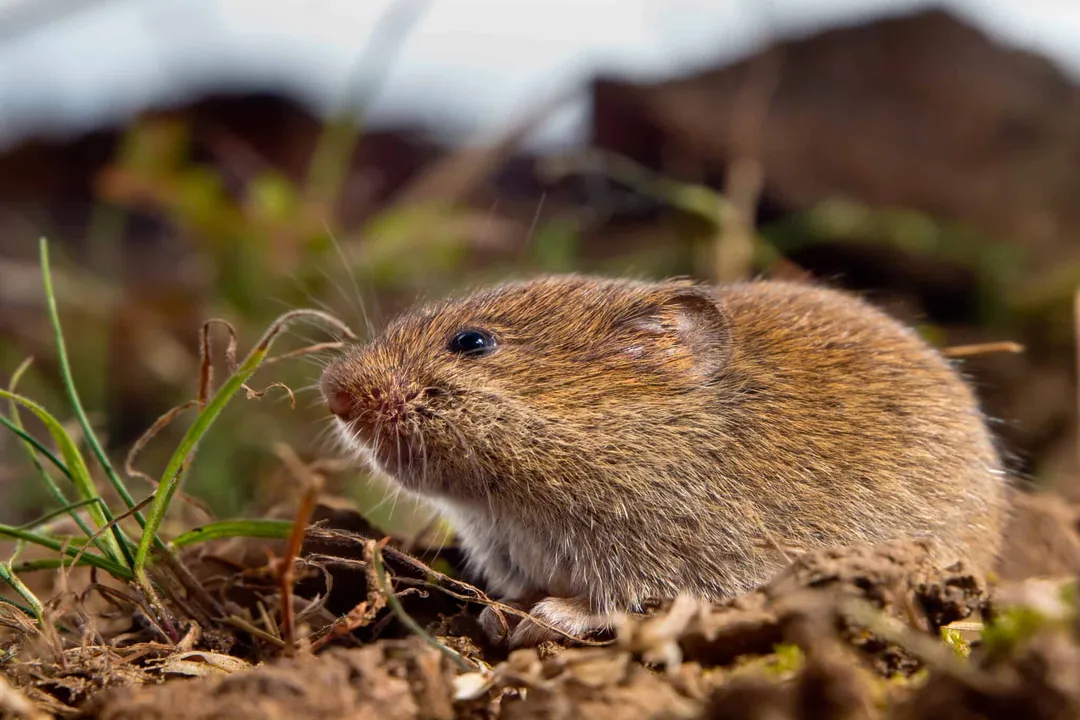
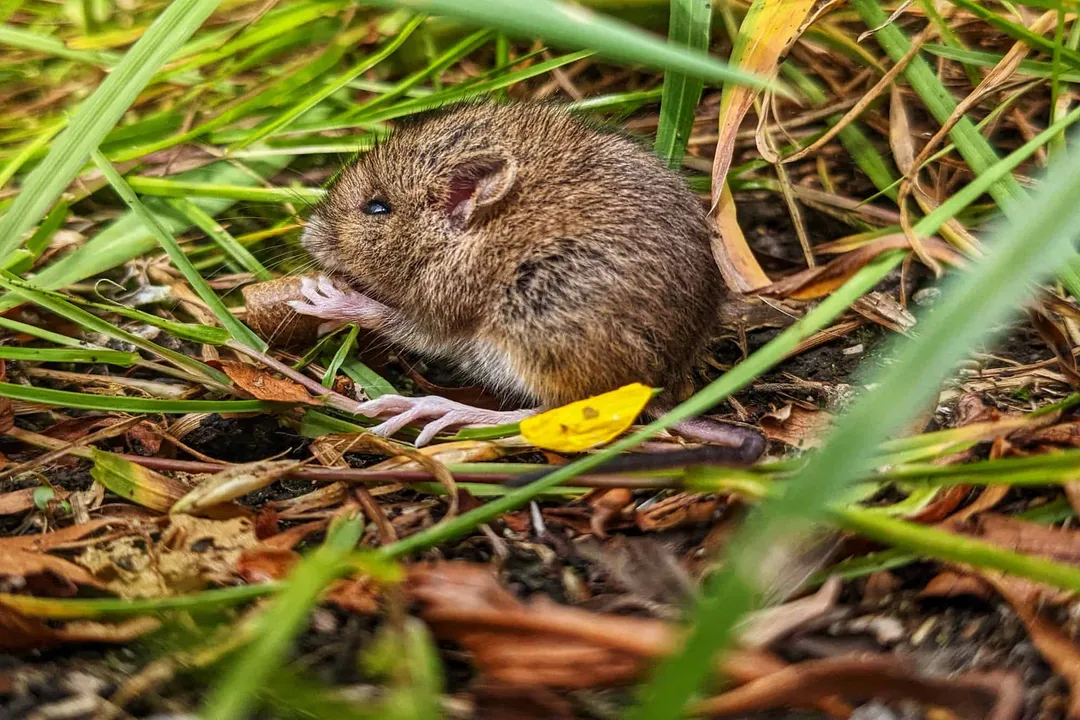
The overall structure of a vole is decidedly stout. They possess a chunky body supported by short legs, features that contrast sharply with the more slender build of a true mouse. Physically, voles are characterized by a relatively short neck, which contributes to a slightly rounder head appearance compared to their mouse relatives.
The size range across all species is quite broad. Generally, voles grow to be between 8 and 23 centimeters (3 to 9 inches) in total length, or 4 to 9 inches long when the tail is included in the measurement. However, looking at specific North American examples, the Meadow Vole (Microtus pennsylvanicus) is reported to have an adult total length ranging from 5.5 to 7.5 inches, while the European Common Vole (Microtus arvalis) averages about 113.66 mm (4.47 inches) in body length. Similarly, their weight is typically low, often around 1.6 ounces (approximately 46 grams) for the Meadow Vole, while the Common Vole averages around 27.5 grams. Given this spread in reported measurements across various species and geographies, it suggests that the precise dimensions of any single vole encountered will depend heavily on its specific species and the quality of its localized environment.
The features that give voles their characteristic "hidden" appearance are their eyes and ears. They possess small eyes, often described as black, and ears that are typically small and inconspicuous. In many species, these ears are so furred that they barely protrude from the surrounding pelage, sometimes appearing absent at a quick glance. This modification of reduced external features makes perfect sense for an animal that spends significant time moving through dense ground cover or underground tunnels.
# Fur Tail
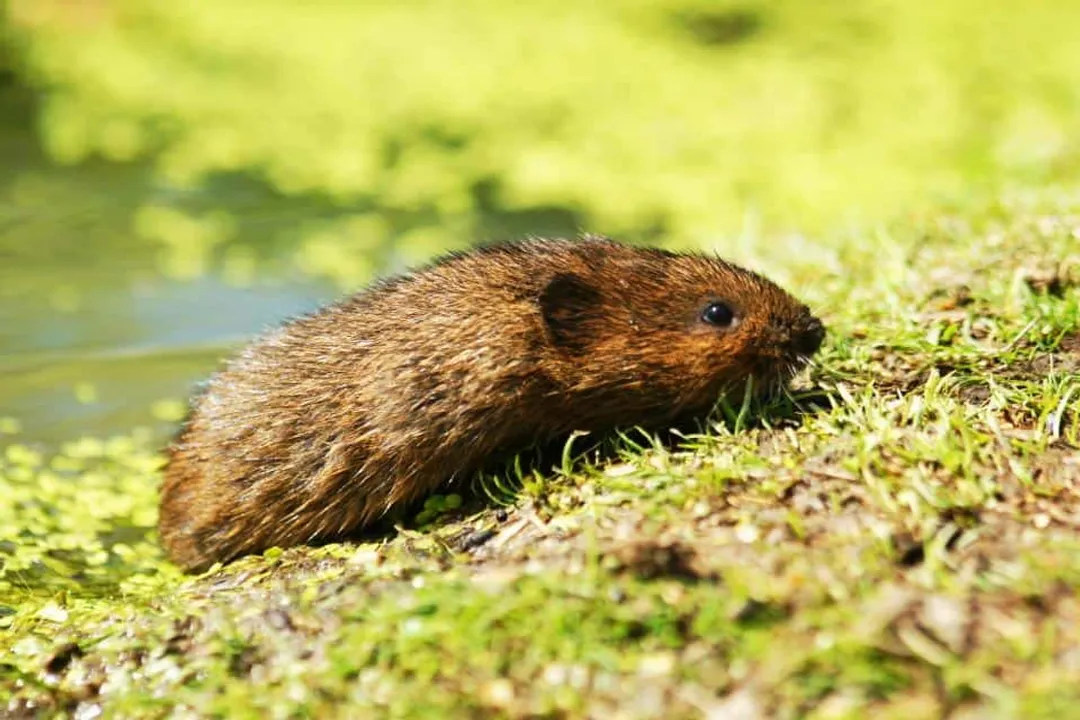
The pelage, or fur, of an adult vole usually presents in muted, earthy tones. The upper parts of the body commonly range from a chestnut-brown mixed with black to a dull, grizzled chestnut or yellowish-brown. This darker dorsal coloration gradually shifts to paler underparts, which are often described as dark gray, silvery gray, or buffy. The density of the fur is important for insulation, as the dense underfur is generally covered by thicker, longer guard hairs.
The distinction between a vole and a mouse often comes down to a single, very visible feature: the tail. Voles are distinguished from mice by their short, furry tails. Where a mouse might have a tail that extends nearly half its body length, a vole’s tail is significantly shorter. For the Meadow Vole, the tail is only about one-third of the total body length and is typically bicolored. In contrast, the tail of a Pine Vole (Microtus pinetorum) is described as barely bicolored or uniform in color. This short tail is another physical clue confirming their terrestrial, burrowing lifestyle, as a long, scaly tail (like a mouse's) would be cumbersome underground or caught in tight tunnels.
# Specialized Features
Beyond general body shape, voles possess specific anatomical traits that place them firmly within the rodent order and distinguish them from similar-looking mammals.
# Dentition
Vole dentition is a key identifier separating them from mice and lemmings. Voles feature molars that are high-crowned and possess angular cusps, a structure designed for grinding tough vegetation. This contrasts with the low-crowned molars with rounded cusps found in common mice. Specifically for the Common Vole, researchers note that the first lower molar and the last upper molar exhibit a high number of angles and loops that characterize their unique tooth patterns. Like many rodents, their incisors grow continuously.
# Feet and Locomotion
Their short legs are built for stability and digging, reflecting their semifossorial existence. The feet themselves offer another subtle physical clue. For species like the Common Vole, the hind feet are equipped with longer claws than the front feet, aiding in excavation. Furthermore, the feet are notably hairy, with fine hair extending from the nails down to the heels. This physical characteristic of hairy feet suggests that their movement along the packed dirt or vegetation of their runways is optimized for traction and protection, which is why removing that underlying cover for habitat modification often disrupts their travel patterns so effectively.
# Species Contrast
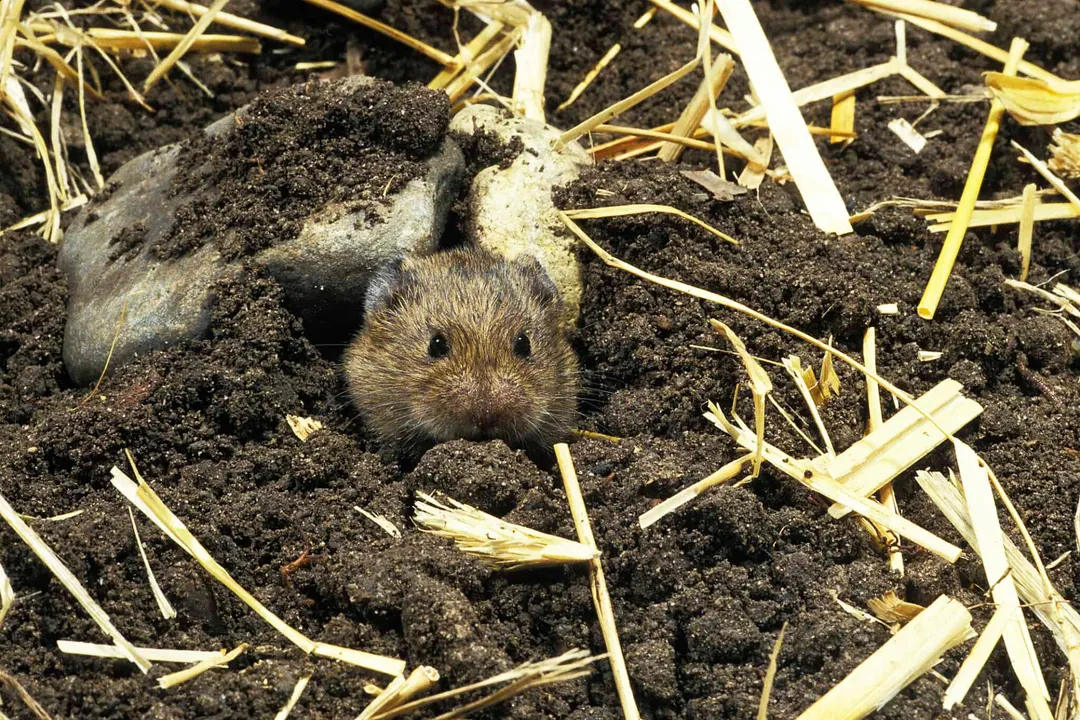
While the general description covers the subfamily well, there are physical differences between common species that determine the type of damage seen. For instance, when comparing the Meadow Vole to the Pine Vole, the tail length rule still applies, but habitat use correlates with physical expression:
- Meadow Vole (M. pennsylvanicus): Tends to have a bicolored tail. Its morphology supports above-ground activity, evidenced by extensive surface runways where vegetation is clipped or trampled.
- Pine Vole (M. pinetorum): Features soft, dense brown fur and a tail that is less distinctly bicolored. It is more adapted to an underground life, creating complex tunnel systems and focusing damage on root systems rather than using surface runs.
These variations in physical adaptations, such as tail structure influencing runway use, demonstrate how different species within the Microtus genus have fine-tuned their bodies for slightly different ecological niches, even when sharing similar habitats.
In summary, the vole’s physical form is that of a compact, short-limbed rodent defined by a blunt snout, hidden ears, and a short, furry tail—all adaptations supporting a life spent mostly underground or beneath a thick blanket of grass. When distinguishing one from a mouse, focus first on the body's overall robustness and the tail's brevity, then confirm with the specialized high-crowned, angular molars. These seemingly small details about their physical makeup are inextricably linked to their highly successful, prolific, and often destructive habits.
Related Questions
#Citations
Vole - Wikipedia
Microtus arvalis (common vole) - Animal Diversity Web
Facts About Voles | Vole Facts | Havahart®
Voles - Penn State Extension
Voles: The Rodent You Need To Watch Out For
SUNY ESF Meadow Vole
Vole Animal Facts - A-Z Animals
Meadow Vole - Montana Field Guide
Voles | NWCTP - National Wildlife Control Training Program