Vizsla Facts

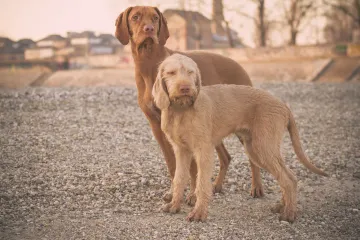
The Hungarian Vizsla is a striking dog, immediately recognizable by its sleek, short coat shimmering in shades of golden rust or deep russet, often leading to comparisons with a statue carved from polished wood. Beyond their good looks, these dogs possess a complex personality that makes them intensely loyal companions, albeit ones that demand significant commitment from their owners. They are generally medium-sized sporting dogs, possessing a lean, muscular build that speaks to their working heritage. Males typically weigh between 55 and 65 pounds, with females slightly lighter, usually ranging from 45 to 60 pounds. Their height at the shoulder often falls between 21.5 and 24.5 inches, depending on sex.
# Hungarian Roots
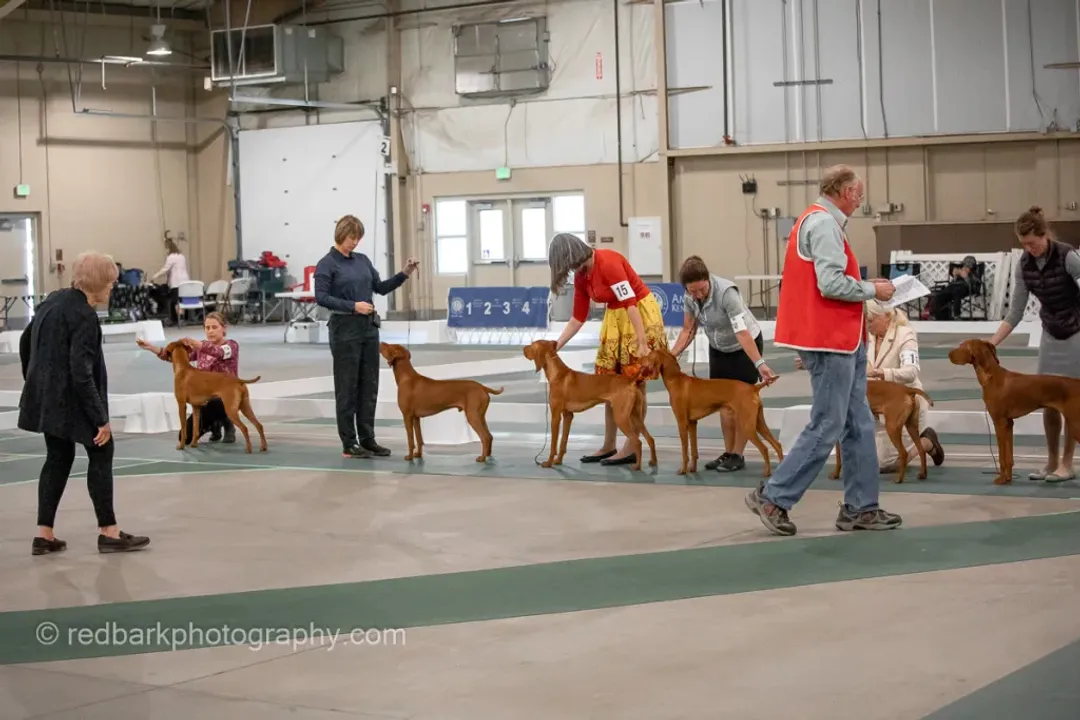
The breed’s history is firmly rooted in Hungary, where they were developed centuries ago. Their development was closely tied to Hungarian aristocracy, who prized them as versatile hunting dogs. The Vizsla’s primary role was to locate, point, and retrieve game both on land and in water, often working alongside falconers or fowlers. This dual-purpose capability—being excellent pointers and solid retrievers—is key to understanding their modern temperament. They are sometimes referred to as the "Hungarian Pointer". While their exact lineage is somewhat obscured by history, they are believed to share ancestry with dogs like the Weimaraner and Turkish Pointer. Their numbers dwindled severely during the World Wars, leading to concentrated efforts in their native country and later in the United States and England to preserve the breed standard. They were officially recognized by the American Kennel Club (AKC) in 1930.
# Physicality and Coat
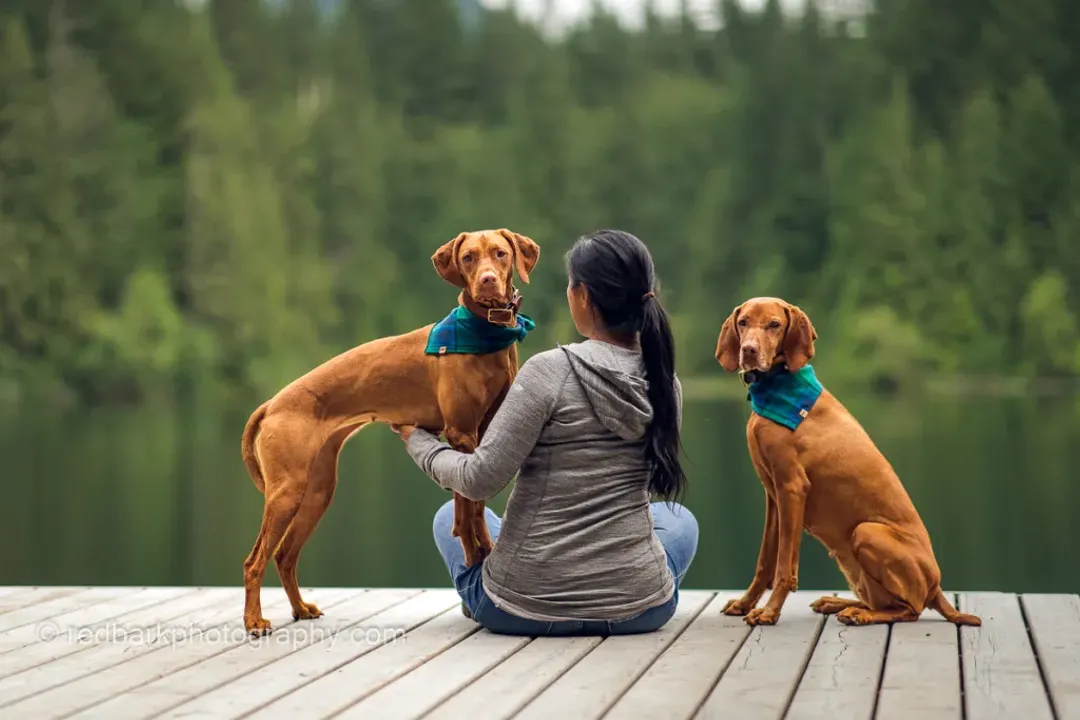
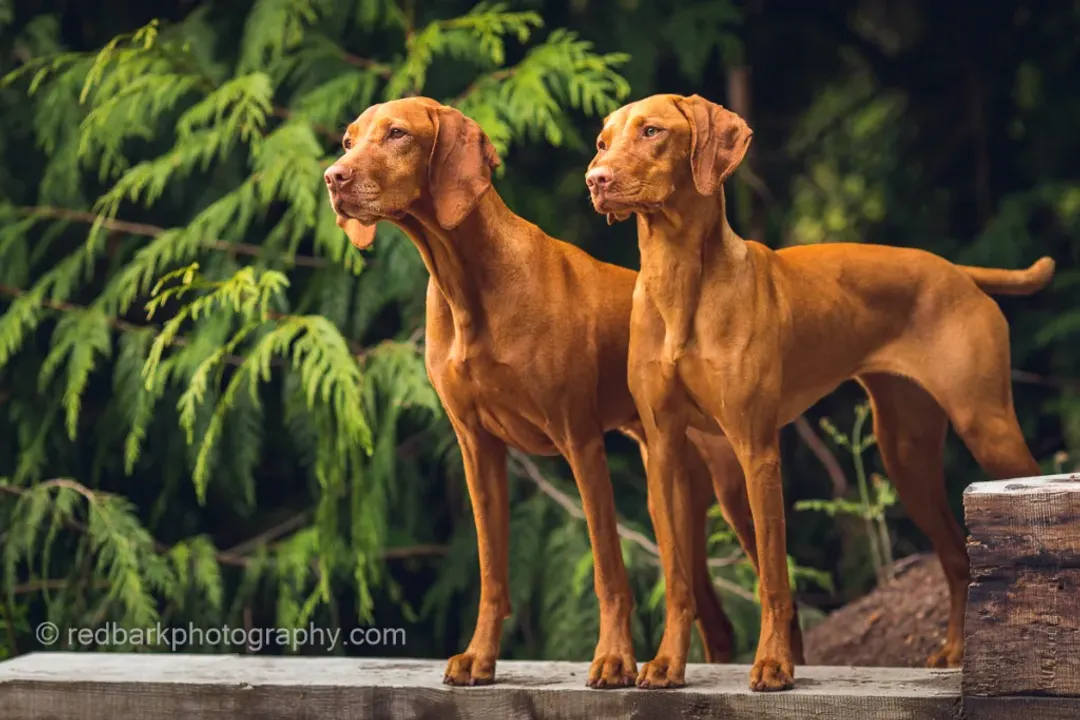
The Vizsla’s physical profile is characterized by elegance and athletic capability. They have distinctive, floppy ears that hang close to the cheek, framing an intelligent and noble expression. Their eyes typically match the coat color, giving them an amber or hazel gaze. One of the breed’s most notable features is its short, dense, smooth coat that requires minimal grooming, which is a significant draw for many potential owners. This short coat is also relatively easy to care for, though owners often note that they do shed, contrary to some popular misconceptions about "hypoallergenic" or non-shedding breeds. While shedding is present, it is generally less profuse than in long-haired breeds. The preferred color is a solid, uniform russet gold, a shade that can vary from light golden to a darker, deeper russet. Observing how a Vizsla's coat color deepens and shines after consistent, high-intensity outdoor activity versus a more sedentary life provides a real-time visual indicator of their fulfillment level; a dull coat often signals an under-exercised or bored dog.

# Temperament Profile
If there is one defining characteristic of the Vizsla, it is their intense affection and desire to be near their people. They have earned the nickname "Velcro dog" due to their tendency to stick close to their owners, often demanding physical contact. This sensitivity means they thrive in family settings where they are included in daily activities, rather than being relegated to a backyard kennel. They are known to be gentle and affectionate family companions.
However, this need for closeness is paired with a high level of intelligence and energy, which requires careful management. They are biddable and eager to please, which aids in training, but their sensitivity means harsh training methods are counterproductive. Positive reinforcement is the accepted standard for these sensitive souls. A key aspect of living with a Vizsla is managing the potential for separation anxiety; because they bond so strongly, being left alone for long periods can lead to destructive behavior or excessive vocalization. While they are wonderful with children when properly socialized and supervised, their high energy means interactions with very small children must be monitored to prevent accidental knocking over. The common owner sentiment is that a Vizsla wants to be under your feet or draped across your lap, irrespective of size.
# Energy Demands
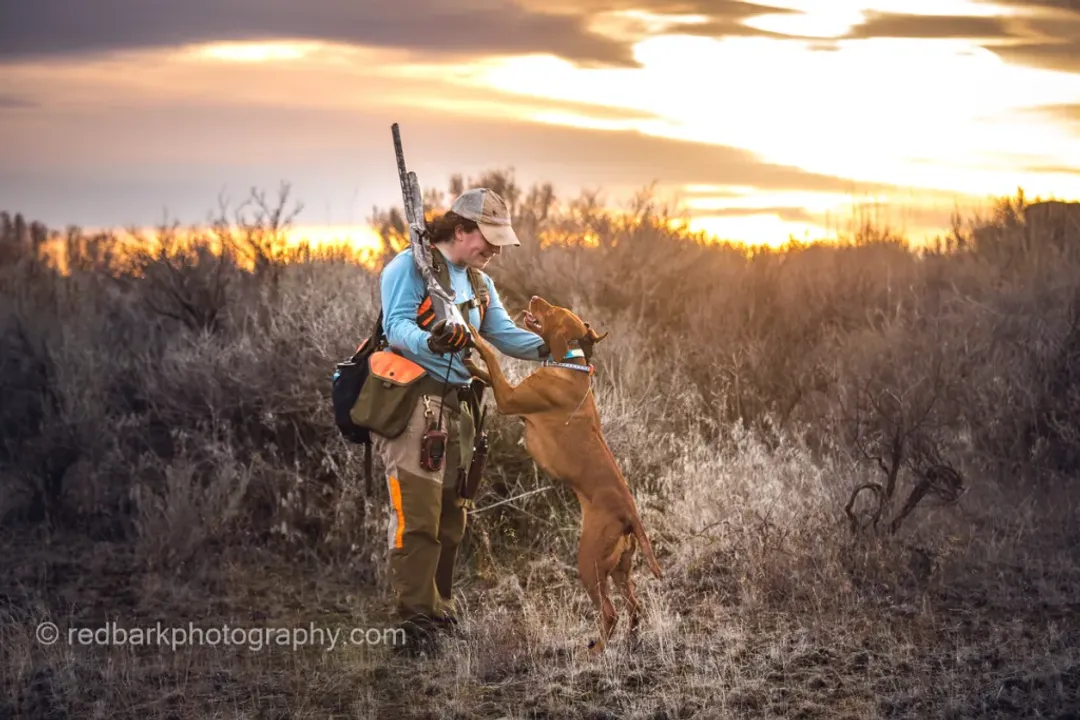
The Vizsla is fundamentally a sporting dog, and this heritage dictates a significant need for physical and mental exertion. They are not low-energy lap dogs, despite their cuddly nature. A common oversight for new owners is underestimating the daily exercise requirement; a simple walk around the block will not suffice for an adult Vizsla. They require intense, vigorous activity every single day to remain happy and well-behaved.
This exercise should ideally incorporate activities that utilize their natural instincts, such as retrieving games, long runs, or participation in dog sports like agility or field trials. A Vizsla that does not receive adequate physical discharge is highly likely to develop behavioral issues, often manifesting as destructive chewing or excessive energy bursts referred to colloquially as "zoomies". To effectively manage this energy, owners must structure their dog’s day around intense play. For instance, incorporating a 30-minute session of fetch in a large, securely fenced area followed by a structured obedience drill can be far more satisfying for the dog than an hour-long, meandering on-leash walk. This combination addresses both the physical need for running and the mental need for direction and work.
# Training and Socialization
The Vizsla’s intelligence makes them highly trainable, provided the owner can keep their attention. They learn new commands quickly, often astonishing their owners with their aptitude. However, their sensitivity is a double-edged sword; they respond poorly to firm reprimands or physical corrections. They learn best through consistency, patience, and positive rewards, such as praise or treats.
Socialization must begin early and be maintained consistently. Exposing a Vizsla puppy to a wide variety of sights, sounds, people, and different environments before they are 16 weeks old helps prevent timidity or overly cautious behavior later in life. Because they are so eager to please their handlers, they often excel in competitive obedience. However, their desire to stay close to their owner can sometimes translate into being too focused on the handler in distracting environments, requiring the owner to actively teach them to work independently for short periods. Teaching your dog to stay reliably on their mat while you move around the house, perhaps starting with just five minutes of separation, is a crucial initial step in managing their inherent clinginess and building foundational self-soothing skills.
# Health Considerations
As a generally healthy breed, the Vizsla boasts a life expectancy often ranging from 12 to 15 years. While robust, like all purebred dogs, they can be predisposed to certain health concerns. Responsible breeders screen for these issues. Owners should be aware of conditions such as hip dysplasia, a malformation of the hip joint. They can also be prone to certain eye conditions, including progressive retinal atrophy (PRA), which can lead to blindness. Furthermore, their deep chests mean they may be susceptible to bloat, or gastric dilatation-volvulus (GDV), a life-threatening emergency. Being aware of the signs of bloat—unsuccessful attempts to vomit, restlessness, and a distended abdomen—is vital for any owner, as rapid veterinary intervention is required.
Another point of note, often mentioned in owner discussions, relates to their coat. While the short coat is low-maintenance in terms of brushing, the lack of undercoat means they are sensitive to cold weather. Owners in cooler climates must recognize that a Vizsla will likely need a protective coat during winter outings to prevent them from becoming chilled quickly.
# Lifestyle Fit
Understanding the Vizsla's requirements is key to determining if they are the right fit for a prospective owner. They are not ideally suited for apartment living unless the owner is dedicated to providing intense daily exercise outside the apartment, perhaps early mornings at a dog park or specialized sporting venue. They bond so deeply that they are often miserable when left alone frequently. This makes them a poor choice for individuals who work long hours away from home or who prefer a more independent companion.
The ideal home environment involves an active family or individual who enjoys outdoor pursuits and wants a dog that can join them—hiking, running, swimming, or retrieving in the field. Their intelligence means they also benefit significantly from mental challenges; puzzle toys or scent work games can tire them out just as much as physical running. If you are looking for a dog that will happily nap on the sofa after a brisk walk, the Vizsla might be a mismatch, as they often require more exertion than many assume. They are truly a high-commitment breed, offering unmatched loyalty in return for their specialized needs being met. Owners frequently emphasize that while the energy level is demanding, the bond they form with this devoted breed is profoundly rewarding.
# Breed Specifics Summary
To distill some of the specific characteristics, a quick comparison of key breed data can be helpful for prospective owners:
| Trait | Detail | Source |
|---|---|---|
| Average Weight (Male) | 55–65 lbs | |
| Coat Type | Short, smooth, dense | |
| Energy Level | Very High | |
| Grooming Needs | Low (minimal brushing) | |
| Known Nickname | Velcro Dog |
This table highlights the trade-off: minimal coat care for maximal exercise commitment. The Vizsla offers a unique blend of aristocratic looks and intense, athletic drive, making them far more than just a handsome face in the dog world. Their sensitivity requires an owner who is emotionally intuitive, capable of setting firm boundaries through positive methods while recognizing the dog's need for constant companionship. Their suitability hinges entirely on matching their very high activity and social requirements with the owner's lifestyle capacity.
#Videos
ALL ABOUT VIZSLA: HUNGARIAN SPORTING DOG - YouTube
Related Questions
#Citations
Vizsla Dog Breed Information - American Kennel Club
Vizsla - Wikipedia
13 Things You Might Not Know About Vizslas - Rover.com
Vizsla Basics: 101 Guide to Everything You Need to Know
Vizsla: Dog Breed Information, Form, Function, History, and More
Pros and Cons of Vizslas? - Reddit
Hungarian Vizsla Dog Breed Information | Purina UK
ALL ABOUT VIZSLA: HUNGARIAN SPORTING DOG - YouTube
Breed History - Vizsla Club of America