Is a Yorkie a feline or canine?
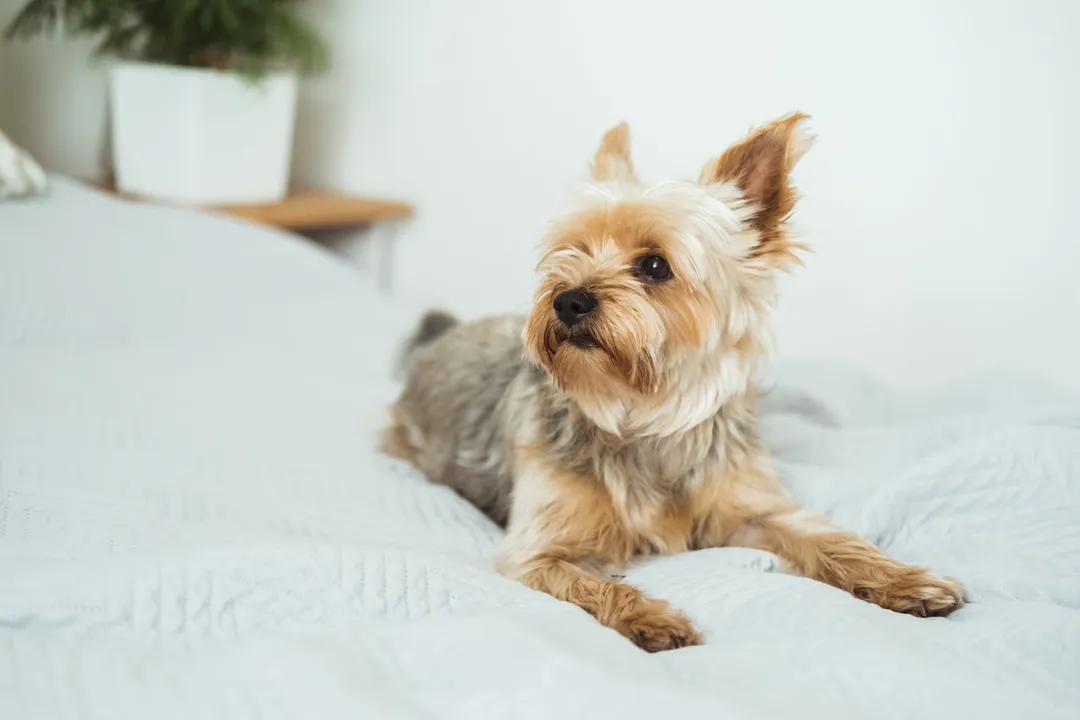
The small, spirited companion known affectionately as the Yorkie is, without question, a member of the canine world. This breed, formally recognized as the Yorkshire Terrier, belongs squarely within the Canidae family, sharing ancestry with wolves, foxes, and all other recognized dog breeds. [4][8] Despite any fleeting confusion that might arise from their delicate stature or luxurious, flowing coat, every established standard—from breed registries to genetic science—confirms their dog identity. [1][4] They are not felines; they are robust little terriers at heart, miniaturized but not fundamentally changed in their fundamental classification.
# Breed Confirmation
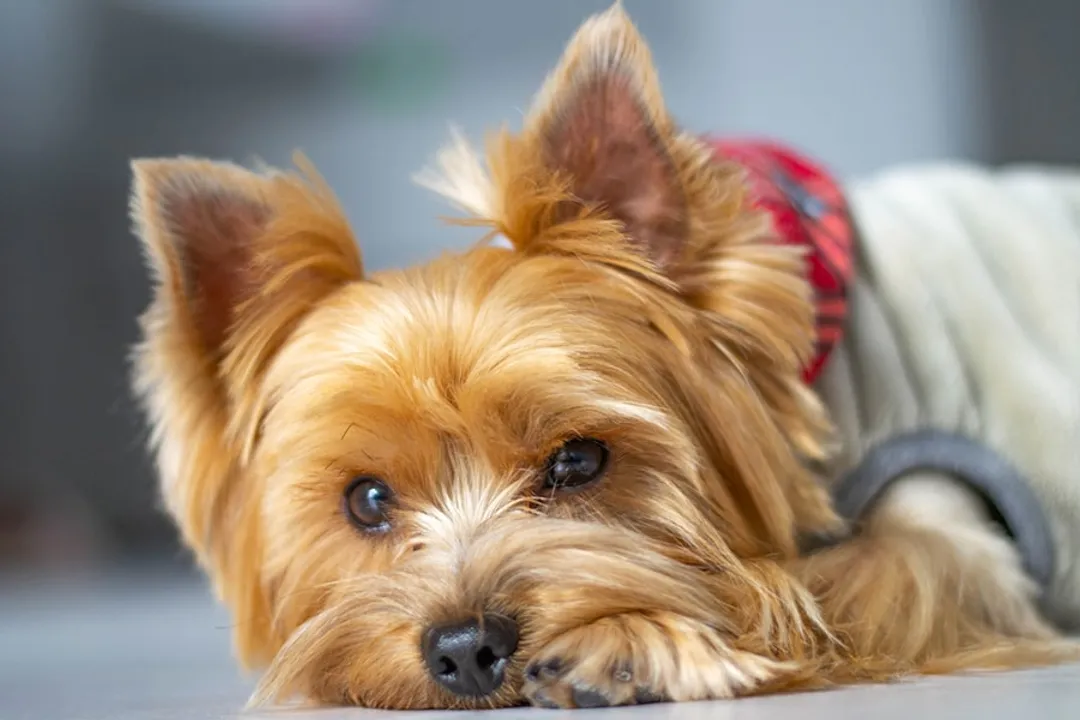
The identification of the Yorkshire Terrier as a canine is not a matter of opinion; it is a matter of scientific and kennel club classification. [4][8] Modern canine DNA testing is capable of distinguishing breed heritage with high accuracy, and these tests firmly place the Yorkie within the dog lineage, distinct from any species in the Felidae family. [4] The American Kennel Club, for instance, categorizes them within the Toy Group, a classification reserved exclusively for dog breeds. [1][2][5] To put it simply, if you encounter a Yorkie, you are looking at a tiny dog, often described as having a "big dog" personality packed into a very small frame. [1][2] This grouping, the Toy Group, speaks to their history as companion animals rather than utility workers, a status they earned after their original jobs were complete. [5]
# Working Origins
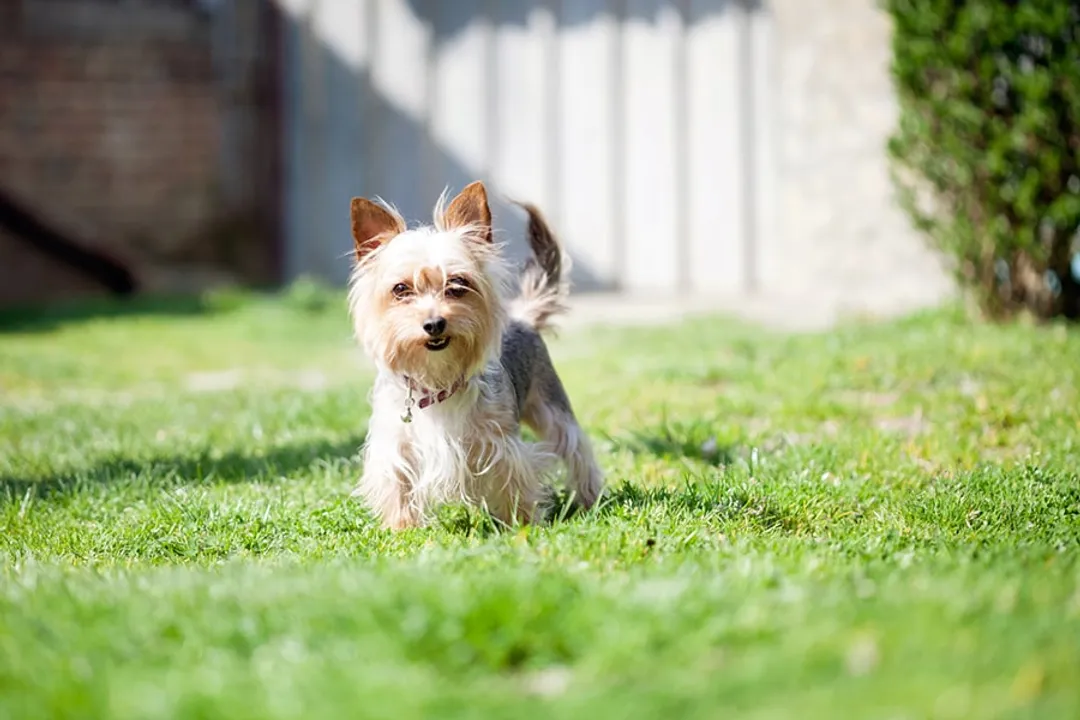
Understanding the Yorkshire Terrier requires a look back at the industrial grit of 19th-century England, specifically the county of Yorkshire. [8] These dogs were not initially bred for the show ring or the lap of luxury; they were working dogs, integral to life in the mills and mines. [5][8] Their primary, and quite serious, task was vermin control—specifically, hunting rats. [5][8] This background helps explain why, despite their elegant appearance today, they possess the characteristic tenacity and courage often associated with terrier breeds. [1]
Their history reveals a fascinating contrast: a dog small enough to navigate tight spaces where rats hid, yet brave enough to confront them. The standard description notes their coat as being long and silky, typically a steel-blue color on the body with bright tan or gold on the head and legs. [8] This striking visual presentation, which now earns them ribbons at dog shows, was perhaps secondary to their effectiveness as small, determined hunters when they were first developed around the mid-1800s. [8]
# Toy Structure
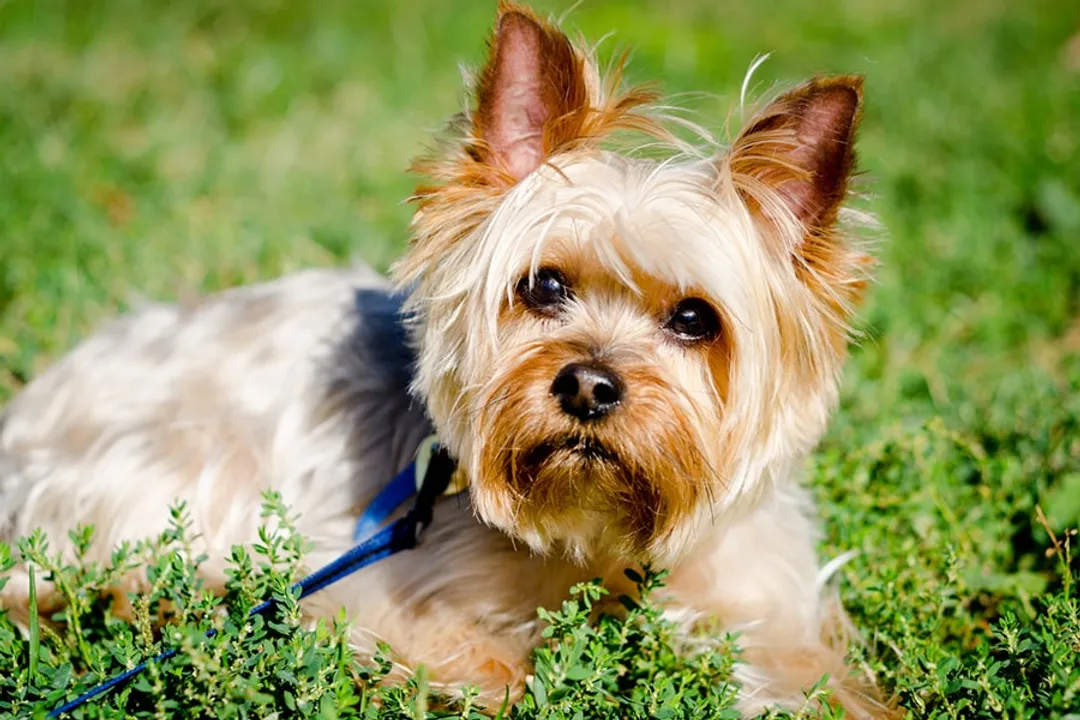
The modern Yorkshire Terrier adheres to a relatively strict physical standard, cementing its role as a diminutive breed. [1] They are small dogs, often weighing around seven pounds or less, which is a key characteristic of their Toy Group membership. [1][2][5] This tiny stature means that prospective owners must be mindful of potential dangers that larger pets or even careless human movement could pose. [7] A dog this small requires an environment adapted to its size, where they are not accidentally stepped on or overwhelmed by larger canine companions. [7]
It is interesting to note how many modern owners fail to connect the breed's current lap-dog status with its historical utility. A dog that was expected to chase down pests underground now often resides on silk pillows. This transition from mine-worker to pampered pet highlights one of the most significant shifts in canine domestication over the last century. [5] The dog's physical structure—its small frame and often fragile bones—demands a careful re-assessment of its daily activity. For example, while they have the energy of a terrier, their small lung capacity and tendency towards tracheal issues mean that long, strenuous hikes typical for larger dogs must be replaced with frequent, short walks and indoor play sessions to keep them fit without stressing their respiratory system. This adaptation of activity to structure is crucial for their long-term well-being.
# Personality Traits
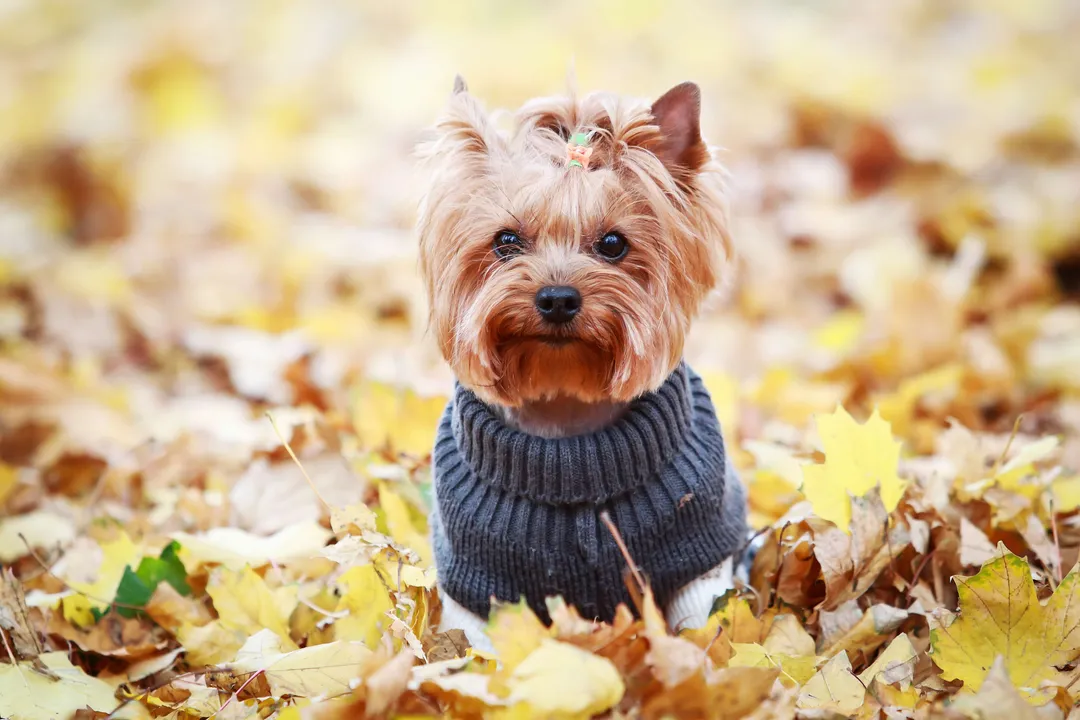
If the Yorkie's classification is canine, its personality is pure terrier mixed with devoted companion. They are frequently described as spirited, sometimes sassy, and undeniably courageous. [1][2][3] This breed temperament means that while they adore their families and are extremely affectionate, they also carry an independent streak and can exhibit stubbornness. [1][5] This combination of traits makes training a necessity, not a suggestion. [5] Consistent, positive reinforcement works best, as they respond poorly to harsh methods, a common trait among many toy breeds developed heavily for companionship. [1]
They are known to be highly protective of their people, often barking to alert their owners to perceived threats—a trait that perhaps stems from their historical vigilance against vermin. [2][3] This makes them excellent little watchdogs, though their volume can sometimes exceed their physical deterrent capacity. Owners often find themselves dealing with a small dog who genuinely believes they are a Great Dane in disguise.
# Maintenance Requirements
Caring for a Yorkshire Terrier involves specific attention to two main areas: coat maintenance and common health vulnerabilities. [3][5][7]
# Coat Care
The famous long, silky coat requires dedicated grooming. If allowed to grow to its full length, it needs daily brushing to prevent painful matting. [5] Many owners opt for a "puppy cut," which shortens the hair for easier management, though this still requires regular professional trimming. [5] Furthermore, due to their facial structure, they can be prone to developing tear stains beneath the eyes, necessitating routine cleaning around the orbital area. [7]
# Health Spotlight
While generally sturdy dogs, Yorkies are predisposed to certain genetic conditions that owners should be aware of. Luxating patella, where the kneecap slips out of place, is a concern. [3][6] Dental health is another significant issue; their small mouths can lead to overcrowding of teeth, increasing the risk of periodontal disease, making regular vet check-ups and at-home brushing vital. [3][7] Perhaps most concerning for owners of puppies is the risk of hypoglycemia, or low blood sugar, which can be dangerous for very small dogs who haven't established consistent eating habits. [3][6]
When comparing the routine care for a Yorkie to a larger, short-haired breed like a Labrador, the time commitment for grooming is drastically different, often requiring 30 minutes or more daily for coat maintenance alone, which is significantly more than the weekly wipe-down a Lab might need. [5] However, the larger dog's needs might center more on joint support or sustained cardiovascular exercise, which the Yorkie cannot handle safely. This highlights the need for owners to tailor their care routines not just to the breed, but to the specific physical limitations imposed by its size.
# Companionship Status
Ultimately, the Yorkshire Terrier has cemented its place as a beloved companion animal globally. [1][2] While their ancestry is rooted in hard work and pest control, their modern identity is firmly established as a devoted family member. [8] Their intelligence, coupled with their desire to be near their owners, makes them excellent candidates for various dog sports, though their training must respect their terrier spirit—a spirit that can sometimes lead them to challenge authority if not managed with consistency. [5]
They are not simply pets; they are integrated family members whose small size belies their significant personalities. This breed requires socialization and training early on to ensure their inherent boldness manifests as confidence rather than unwarranted aggression towards strangers or other animals. [1][2] For those willing to dedicate themselves to their unique grooming and health needs, the reward is an affectionate, lively, and unquestionably canine friend. [1]
Related Questions
#Citations
Yorkshire Terrier (Yorkie) Dog Breed Information
Yorkshire Terrier (Yorkie) - Dog Breeds - PetMD
The “Yorkie”: Yorkshire Terrier Facts - ASPCA Pet Insurance
Yorkshire terrier | Breed Details - HealthGene Toronto, ON
Yorkshire Terrier Dog Breed Guide - Care Credit
Yorkie Day - Port St. Lucie - Morningside Animal Hospital
Yorkshire Terrier - Breed Info – Foothill Animal Hospital
Yorkshire Terrier (Yorkie) | Size, Breed & Coat - Britannica
What is the main difference between Yorkie and Yorkshire Terrier?