Is a nutria a rat or beaver?
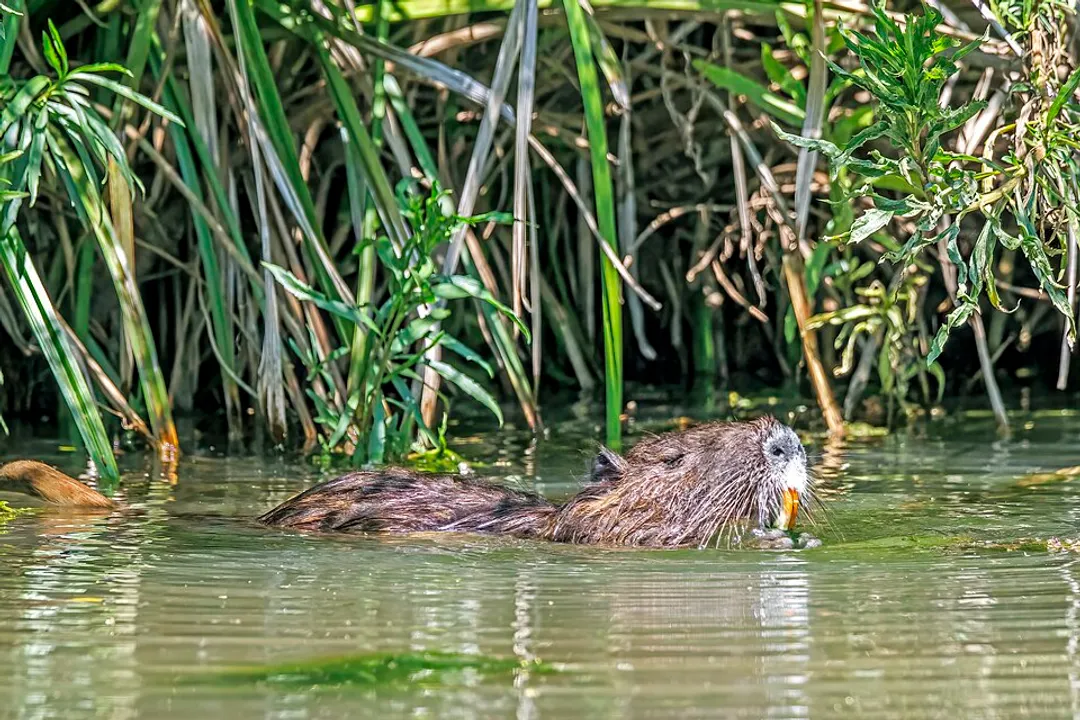
The confusion surrounding various large, semi-aquatic rodents is understandable, particularly when dealing with non-native species that overlap in habitat and general shape. When observers encounter an animal swimming or feeding near a freshwater marsh, riverbank, or canal, they often default to familiar categories: is it a rat, or is it a beaver? The reality, for many regions now dealing with invasive populations, is that the animal might be a nutria, scientifically known as Myocastor coypus. [1][4][9] This South American native, also commonly called coypu or coypu rat, possesses features that borrow from both ends of the rodent spectrum, leading to frequent misidentification. [4][8][9]
# Defining Features
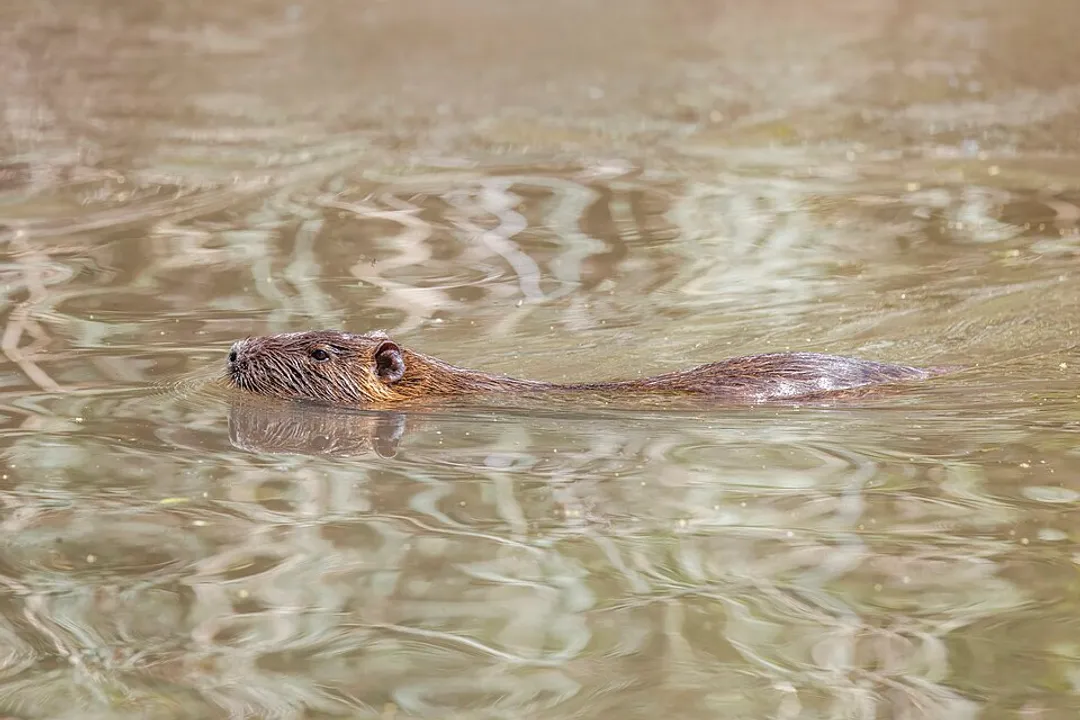
To properly categorize the nutria, it is best to first establish its defining physical characteristics. Nutria are substantial, semi-aquatic rodents. [1][3] Their appearance is generally stocky, with a large body that is somewhat round when observed closely. [5] A key feature visible even from a distance involves the head: they tend to have small ears and eyes that are situated relatively high on the head. [4][5]
The most immediate giveaway, which separates it from many other common water rodents like muskrats, is often its coloration and dental structure. Nutria are renowned for their bright, unmistakable orange or yellow incisor teeth. [2][6][9] This vivid dentition is hard to miss when the animal surfaces to feed or vocalize. Their hind feet are also noteworthy, featuring five toes that are partially webbed, aiding their movement in aquatic environments. [3]
# Tail Structure
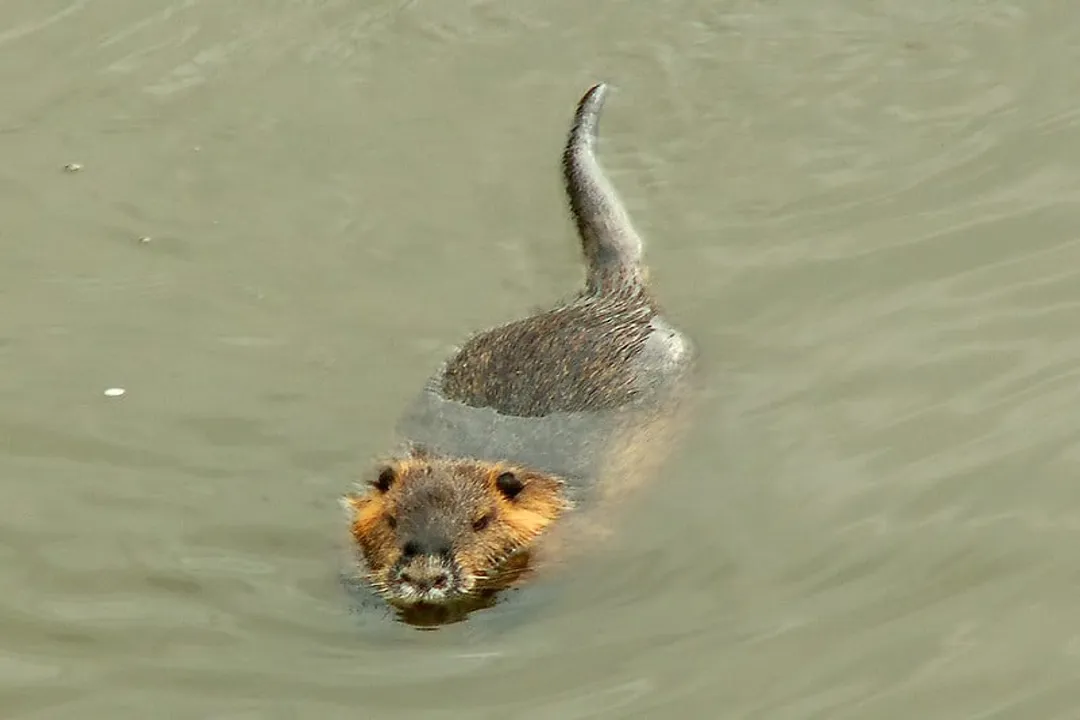
The tail is perhaps the most crucial element in distinguishing the nutria from its common look-alikes. While the animal itself is a large rodent, its tail does not match the typical image we hold of a beaver. A beaver is characterized by a broad, flat, paddle-like tail. [2][10] In sharp contrast, the nutria sports a tail that is long, round, and cylindrical, often described as rat-like in shape, though it is generally thicker than a true rat's tail and covered sparsely with hair rather than being fully scaly. [1][4][9][10] This rounded tail structure is a primary diagnostic marker in the field. [7]
# Beaver Distinction
The comparison between a nutria and a beaver is perhaps the most frequent source of error because both animals are large, semi-aquatic herbivores that build burrows and thrive in similar wetland habitats. [7] However, several physical differences make a correct identification straightforward once you know what to look for.
The most significant difference lies in that tail structure already mentioned. A beaver’s tail is its defining tool and identifier: it is wide, flat, and scaly, used for slapping the water as a warning and for ruddering while swimming. [2][10] The nutria’s tail, being long, round, and thin, offers no such profile. [4][10]
Size is another factor. While both are large, the nutria is substantially smaller than a beaver. [2][10] A beaver is the larger of the two North American waterway residents, meaning a perceived medium-sized animal is more likely the invasive nutria than the native beaver. Additionally, while both are rodents, the beaver’s face and structure differ significantly from the nutria’s more compact head shape and smaller ears. [4][5]
| Feature | Nutria (Myocastor coypus) | Beaver (Castor canadensis) |
|---|---|---|
| Tail | Long, round, cylindrical, sparsely haired [1][10] | Broad, flat, paddle-like, scaly [2][10] |
| Size | Smaller than a beaver [2][10] | Largest rodent in North America |
| Incisors | Bright orange/yellow [2][6] | Typically lighter or less distinctly colored |
| Hind Feet | Partially webbed [3] | Fully webbed [4] (implied by comparison/habitat) |
# Rat Comparison
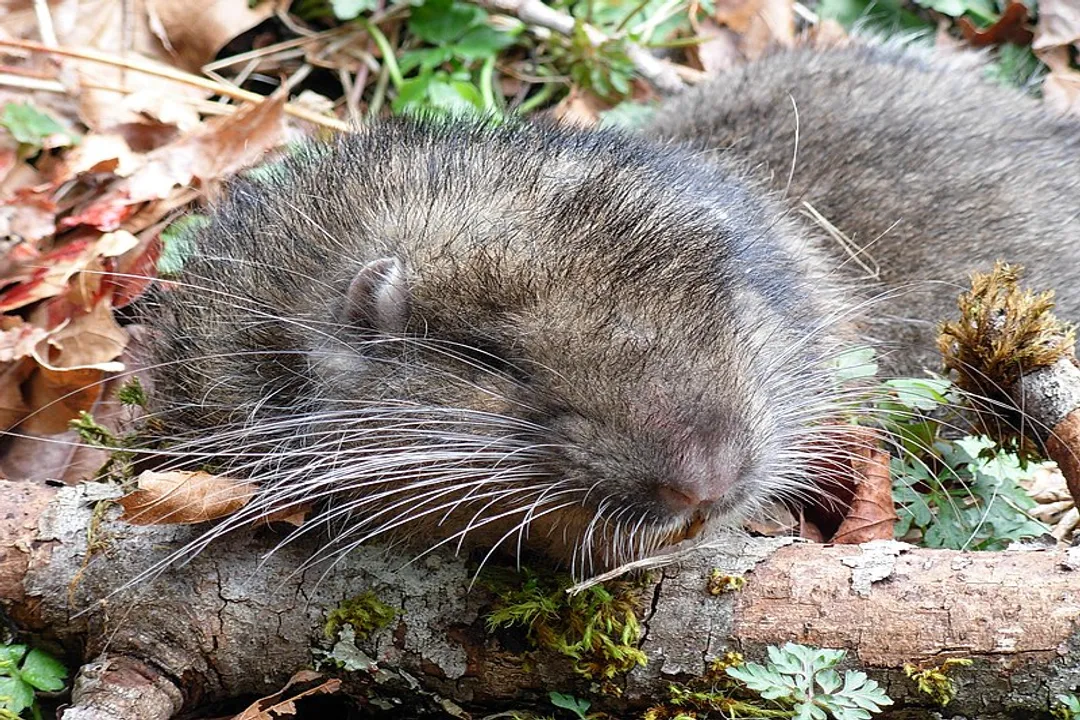
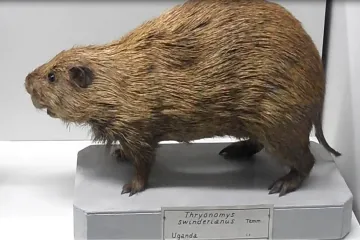
When compared to a common rat, the distinction usually centers on scale and habitat preference. While the nutria's tail is round like a rat's, the animal’s overall bulk sets it apart. The nutria is significantly larger than most common rat species found in the same environments. [8] Furthermore, the nutria is almost exclusively associated with aquatic habitats—marshes, lakeshores, and slow-moving water systems—whereas many common rats are found closer to human structures or drier banks, though they can swim. [3][5] The prominent orange teeth are also a trait far more pronounced in the nutria than in typical commensal rats. [2]
It is worth noting that in some areas, like Virginia, the nutria is specifically referred to as the "coypu rat". [8] This common nomenclature certainly contributes to the ambiguity, even though the nutria belongs to a different genus (Myocastor) than the true rats (Rattus). [1] The difference in sheer body mass alone should prompt an observer to rule out a standard rat.
# Invasive Impact
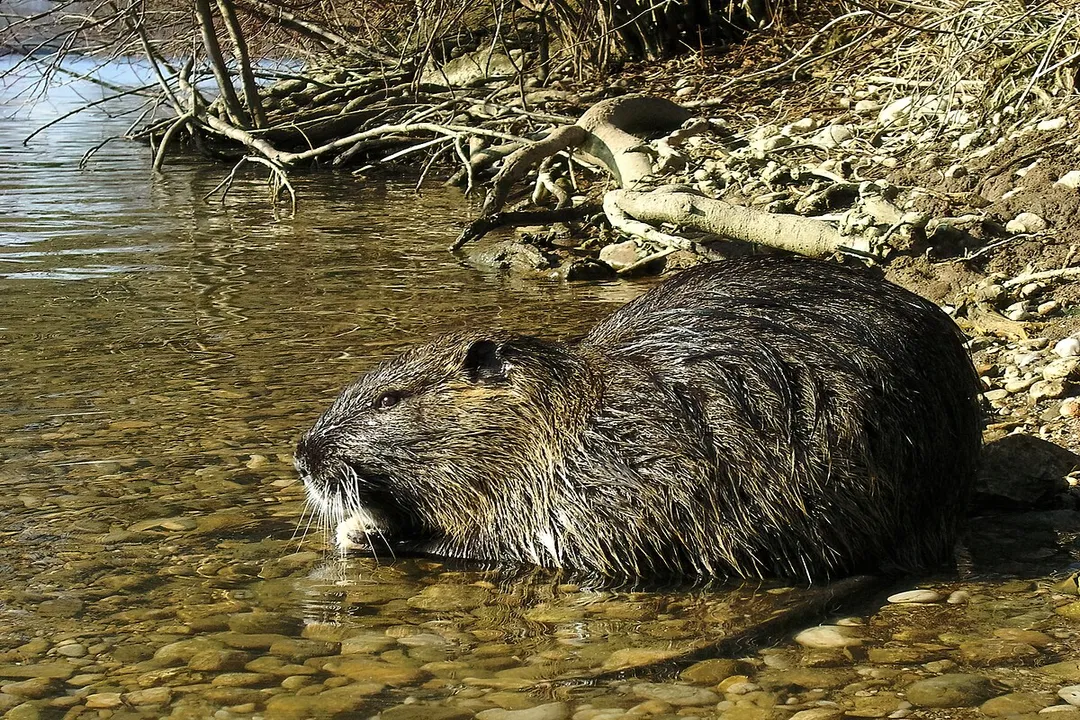
Understanding the identity of this animal is critical because the nutria is an invasive species in many parts of the world, including the United States. [1][3][9] Originally hailing from South America, its introduction outside its native range has led to significant ecological disruption. [1][9]
Once established, nutria populations can grow rapidly. They are voracious eaters, capable of consuming a substantial portion of their body weight daily—estimates suggest they can eat up to 10% of their body weight in vegetation each day. [5] This high consumption rate means they rapidly deplete native aquatic plants, which are vital food sources and habitat structure for native wildlife. Their burrowing behavior, often excavated into riverbanks, levees, and dikes, causes severe erosion and structural damage. [4][8] This combination of habitat destruction through eating and physical undermining of soil makes their control a priority in areas where they are established. [3]
# Field ID Tips
For those who spend time near waterways in regions where nutria are known to occur, developing an observational habit can aid in quick identification. If you see an animal that looks like a large muskrat but is significantly bigger—perhaps approaching the size of a small dog, but much lower to the ground—your attention should immediately focus on its tail and teeth. [8][9]
One practical tip for quickly gauging relative size without a direct measurement is to compare the animal's head size to a common object you might have on hand, like a standard water bottle or even your own hand if the animal is close enough. While a muskrat's tail is also rounded, it is much smaller overall than a nutria. [8] If the animal appears too large to be a muskrat but its tail lacks the flat profile of a beaver, the brilliant orange of its incisors acts as an immediate confirmation of a nutria sighting. [2][6]
Another subtle observation relates to their movement patterns. Because their eyes are set high on their heads, they can often swim with just their eyes and nose above the water line, giving them a somewhat stealthy appearance typical of many semi-aquatic predators, even though they are herbivores. [5] This high placement of sensory organs is an adaptation to keep watch while submerged, an attribute shared to some degree by beavers, but the accompanying appearance of a long, skinny tail rules out the latter.
# Management Necessities
Because the nutria poses a significant threat to local ecosystems and infrastructure due to its intense feeding habits and burrowing construction, managing its population is often necessary where it is established. [3][5] This means that knowing whether you are looking at a protected native species like a beaver or an invasive one like the nutria is essential for local wildlife authorities. [7] In states and regions where the nutria has been designated an invasive pest, reporting sightings and populations is a critical step in containment and eradication efforts. [3][8]
If you suspect you have encountered a nutria, particularly if you notice evidence of extensive burrowing along a waterway or unusual damage to bank vegetation, contacting the appropriate local wildlife agency is the recommended course of action. [8] This ensures that the animal is correctly identified by experts—confirming the absence of the flat tail or the presence of the bright teeth—and that appropriate management strategies can be implemented according to local regulations for invasive species control. [2][6] Mistakenly managing a protected native species while allowing an invasive one to flourish is a scenario everyone in conservation seeks to avoid, making accurate initial identification paramount for effective habitat protection. [10]
Related Questions
#Citations
Nutria - Wikipedia
Is it a beaver or a nutria? Here are some ways to tell the difference ...
California's Invaders: Nutria
Nutria | Internet Center for Wildlife Damage Management
[PDF] Nutria, An Invasive Rodent - usda aphis
Nutria | Washington Department of Fish & Wildlife
Nutria share almost all the same traits with a beaver except that they ...
How to Identify a Nutria... - Conservation Management Institute
Nutria - Ontario's Invading Species Awareness Program |
Beaver Look-Alikes - Occidental Arts & Ecology Center