Are there inland taipans in America?
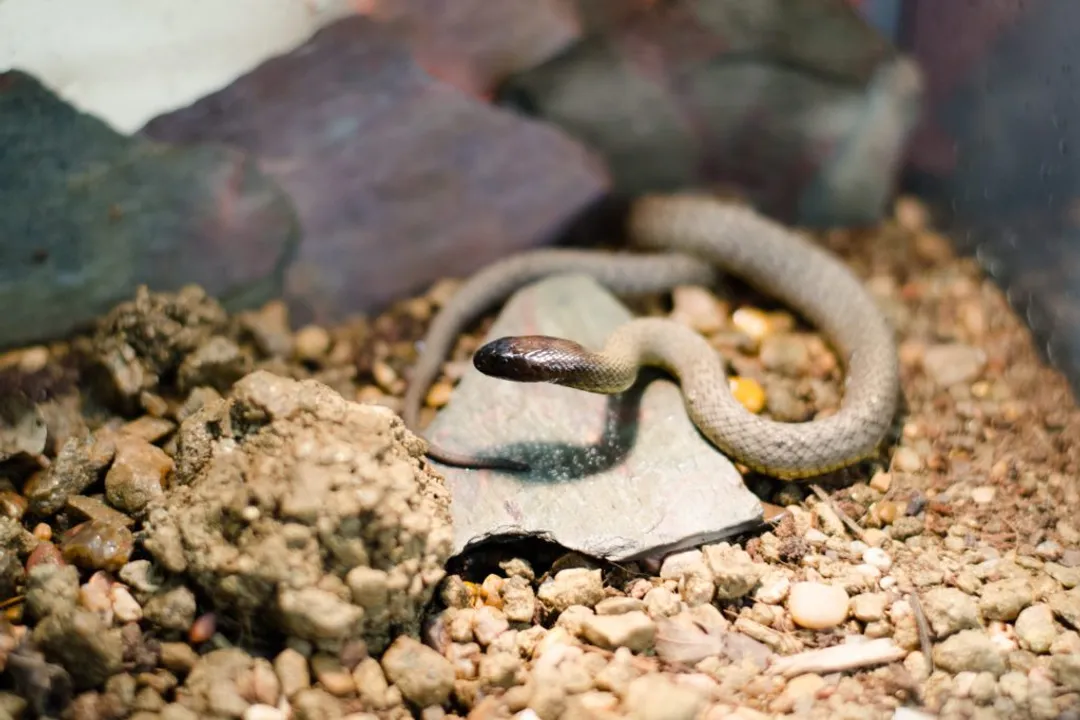
The Inland Taipan, often whispered about in hushed tones among herpetologists, is a creature shrouded in reputation. Its name is synonymous with danger, leading many to wonder about its presence outside its native lands. While these fearsome reptiles are strictly Australian natives, they do make appearances within the borders of the United States, though not where one might expect—you will not find them roaming the American outback or wilderness areas. Their existence here is entirely confined to the careful, controlled environments of accredited zoos and, more controversially, private collections.
# Australian Roots
The natural home of Oxyuranus microlepidotus, the Inland Taipan, is the arid, remote regions of central Australia. It is here, far from most human contact, that this snake reigns supreme in terms of toxicity. The snake possesses the most potent venom of any terrestrial snake species found anywhere in the world. This venom is an extremely powerful cocktail designed to quickly incapacitate its prey, often small mammals. Research underscores this danger: an untreated bite from an Inland Taipan can result in fatality within a startling thirty to forty-five minutes. This terrifying potential explains why, even in its native habitat, human encounters are rare. The snake is notably shy and prefers to retreat rather than confront, a survival instinct that keeps it hidden away from the surface and potential threats.
# American Habitats
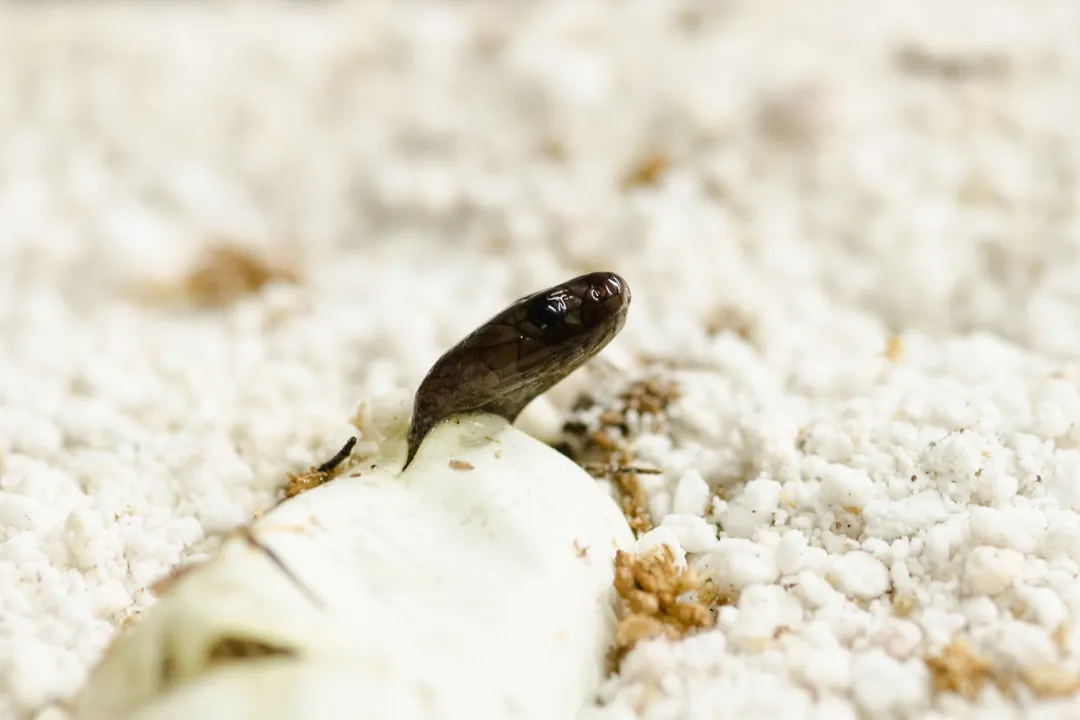
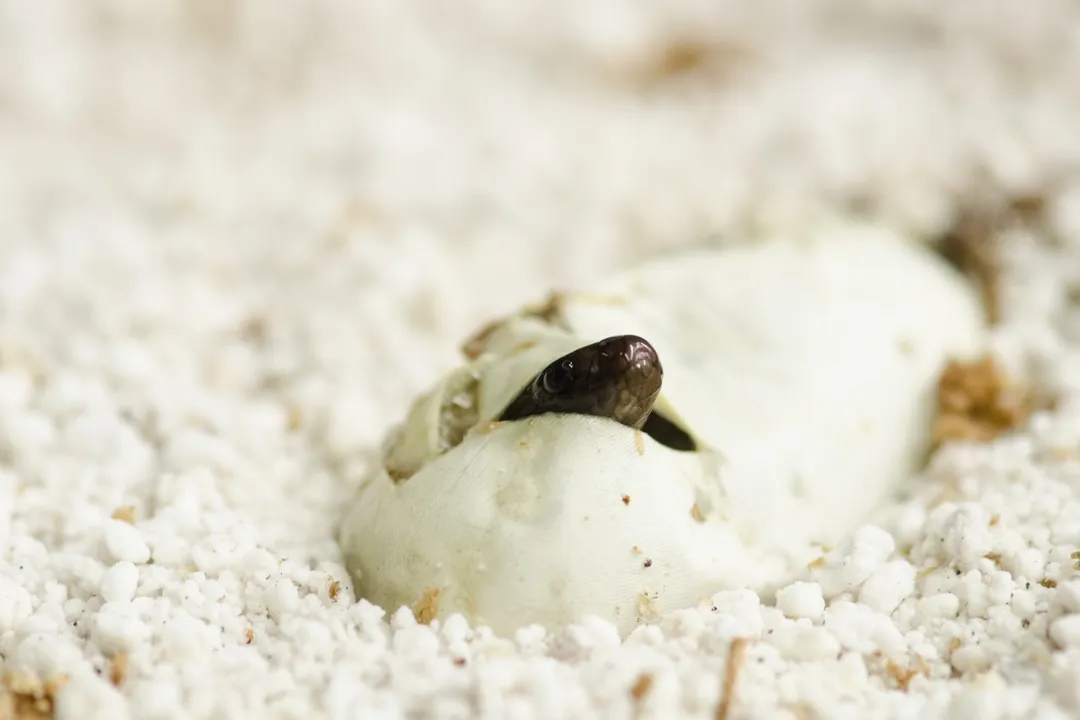
The fact that the Inland Taipan is present in America at all speaks to the dedication—and sometimes the controversy—surrounding venomous reptile keeping. In controlled settings, these animals are displayed for educational purposes, although their rarity suggests that viewing one is a special event. For instance, the Animal World & Snake Farm Zoo in New Braunfels, Texas, made news in 2017 when they became the first and only zoo in Texas to successfully breed the species. At that time, the Texas facility noted they were one of only three zoos in the entire United States that exhibited the Inland Taipan. Elsewhere, facilities like the Omaha Henry Doorly Zoo & Aquarium also house these snakes for public viewing. Given the specialized knowledge, security measures, and specific logistical hurdles required for these highly venomous animals, their presence in accredited zoos is a testament to high-level animal husbandry and a commitment to venomous species education.
It is perhaps more telling to consider the context of their presence in private hands. The extreme toxicity of their venom and the limited availability of appropriate antivenom in the US mean that they are rarely kept in captivity overall. When they are kept outside of accredited institutions, the situation can quickly devolve, as evidenced by well-publicized incidents. One notable case involved a keeper in South Carolina who was bitten while reportedly handling the snake without protective equipment. Such an event immediately strains local medical resources, requiring great effort and rapidly depleting scarce stocks of the specific antivenom needed to treat such a bite.

# Private Risk
The story of the South Carolina keeper serves as a stark illustration of the risks associated with owning the world’s most venomous land snake in a country where they are not indigenous. When the keeper was bitten, the ensuing emergency brought intense scrutiny to the practice of keeping such exotic venomous animals privately. The aftermath was severe: not only did the keeper face life-altering medical consequences, including the need for dialysis, but the entire collection of venomous snakes belonging to that individual also faced termination. Because no zoological institution was prepared or willing to take in a large influx of venomous snakes with potentially unknown health histories or diseases, the decision was made to euthanize the entire collection. This consequence highlights a significant secondary risk: irresponsible private ownership can lead directly to the loss of rare specimens that could have benefited public education and conservation programs had they been housed elsewhere.
The history of taipan bites in the US is sparse, which ironically underscores the danger when an incident does occur. Prior to the recent South Carolina event, there was mention of only one prior recorded fatality in US history—a bite that occurred on September 11th. This context makes the South Carolina incident one of several documented but highly unusual occurrences of this Australian species causing harm on American soil. Community discussions surrounding these events suggest that behavior deemed careless or reckless by experienced keepers—such as handling an animal without proper safeguards—is often met with swift condemnation, as such actions threaten the stability of the entire hobby.
# Safety Logistics
The very fact that medical facilities struggle to manage an Inland Taipan bite speaks volumes about their status in the US. Unlike more commonly encountered pit vipers, the specialized antivenom for the Inland Taipan is not readily stockpiled everywhere. A facility must be specialized or have prior arrangements to stock this antidote, or rely on emergency transfers from facilities that do. The need for specialized captive breeding programs, like the one achieved in Texas, is partly driven by the difficulty in acquiring these snakes legally and safely from their native range.
When considering the rarity of these snakes in the US, it’s fascinating to observe the differences in how their danger is perceived compared to native venomous species. In Australia, while feared, the Inland Taipan's remote habitat keeps fatalities low, with only one recorded human death attributed to the snake in its natural environment. In contrast, the few bites that occur in the US happen in highly artificial, high-risk scenarios involving keepers, making the consequences immediate and potentially catastrophic due to logistical gaps in emergency response. The snake's venom is so effective that even modern medicine struggles to treat its effects swiftly, meaning the primary defense against fatality rests entirely on the keeper’s flawless safety protocols, which, when breached, create a public health ripple effect that few local systems are prepared for.
If one were tracking the general discourse among reptile enthusiasts online, you might notice that events involving such rare, deadly species often generate intense, emotional responses online, sometimes leading to the removal or locking of discussion threads across forums due to the inability of participants to remain civil when debating keeper responsibility. This tendency reflects the tension between the desire to conserve and display such magnificent, deadly animals, and the absolute necessity of zero tolerance for mistakes involving them. The ultimate question remains: are the educational benefits derived from having a handful of these snakes in zoos across America worth the inherent, albeit remote, risk posed by the small number kept privately? The answer often seems to lie in how quickly institutions can step in when a private keeper fails to manage that risk.
#Videos
Zach at the Zoo: Meet the Inland Taipan - YouTube
How Dangerous is the World's Most Venomous Snake? - YouTube
Related Questions
#Citations
Why no discussions on the South Carolina inland taipan on Reddit?
AWSFZ Hatches World's Most Venomous Land Snake
Zach at the Zoo: Meet the Inland Taipan - YouTube