How venomous is a keelback?
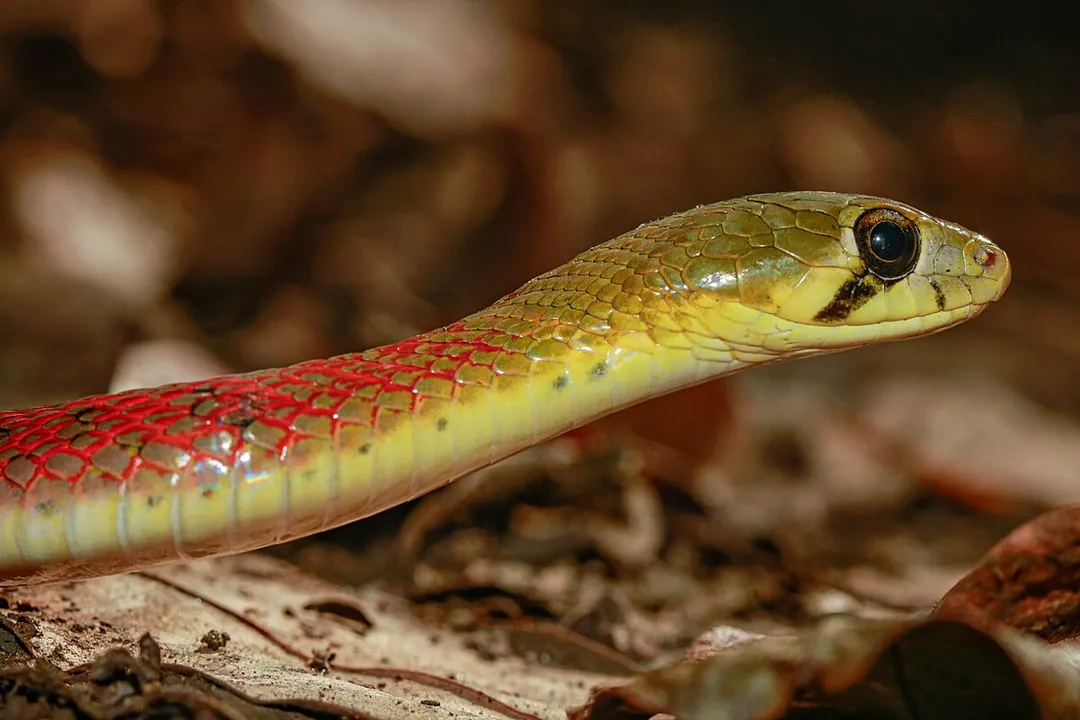
The simple question of how venomous a keelback snake is quickly reveals a complex answer, largely because "keelback" serves as a common name for several, sometimes unrelated, groups of snakes found across different continents. For some observers, particularly those in Australia, the term refers to a group of entirely harmless reptiles. For others, particularly those in East Asia, the name is instantly associated with one of the world's most dangerous rear-fanged snakes. [6][3] To understand the true threat level, one must differentiate between the species lumped under this broad descriptor.
# Grouping Keelbacks
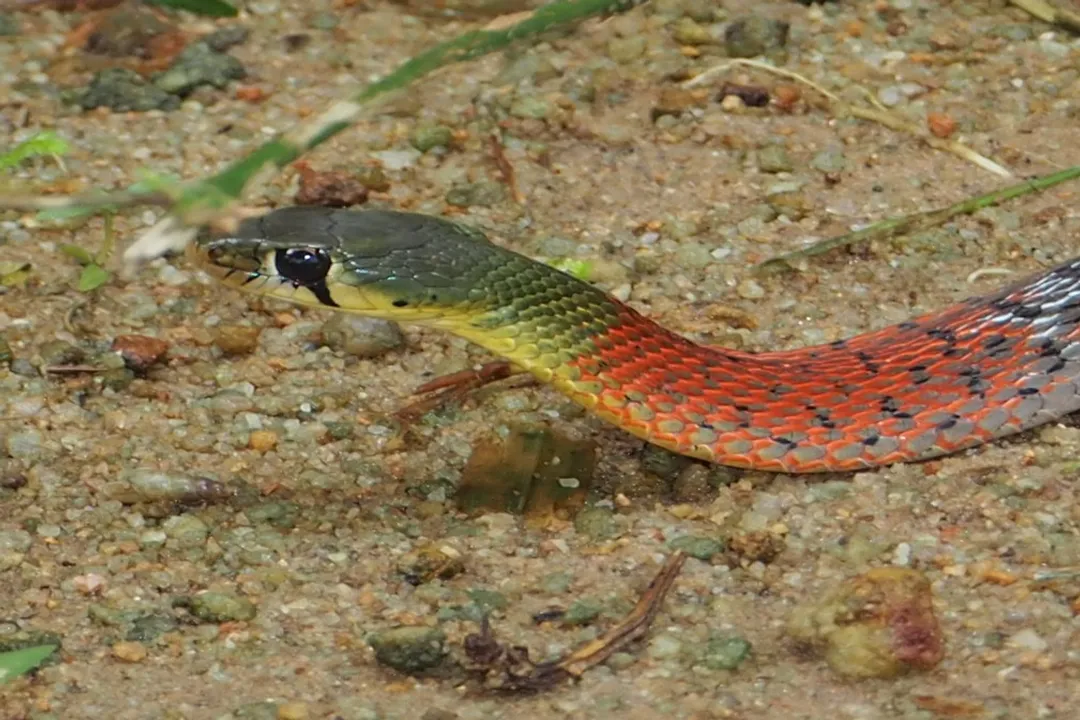
The term "keelback" itself describes a physical characteristic—a dorsal ridge that runs down the snake's back, making the scales feel raised or keeled rather than smooth. [6] This characteristic is present in various snake families globally, leading to confusion when the name is used in isolation.
# The Harmless Counterpart
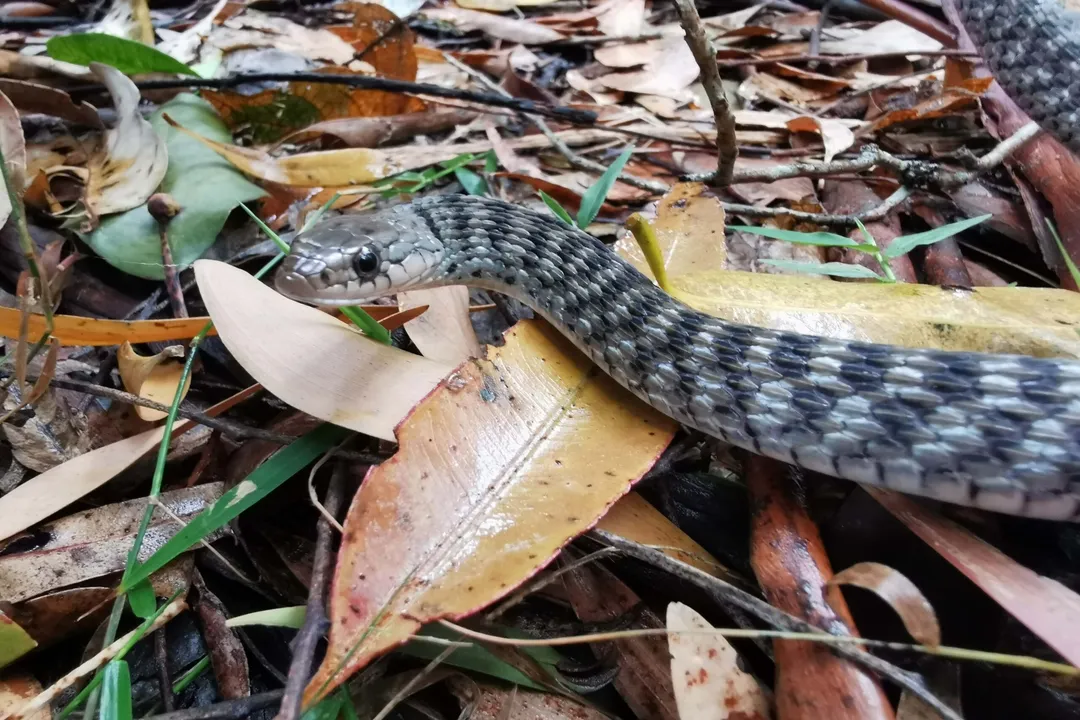
In places like the Australian Sunshine Coast, the snakes commonly referred to as keelbacks belong to the family Natricinae or related groups and are generally considered non-venomous. [6] These snakes pose no medical threat to humans through biting, which is a crucial distinction for local residents and wildlife handlers alike. [6] For individuals concerned about these specific local species, the venom question is settled: they are safe to observe and handle with standard reptile precautions, provided one is certain of the identification. [6]
# The Medically Significant Lineage
In stark contrast are the species belonging to the genus Rhabdophis, often called Keelbacks in Asia, such as the Tiger Keelback (Rhabdophis tigrinus) and the Red-necked Keelback (Rhabdophis subminiatus). [1][4][7] These snakes are definitively venomous and are considered medically significant. [1][9] When venom is the topic of discussion, it is these Rhabdophis species that command serious attention due to the severity of their effects. [3][4]
# Venom Mechanics
The venom apparatus in the Rhabdophis genus is unusual for snakes encountered in terrestrial settings. These snakes possess rear fangs. [1][4][9] Snakes with front fangs (solenoglyphous, proteroglyphous, or opisthoglyphous) usually pose a more direct threat during a defensive strike, as their delivery system is optimized for quick envenomation. [1] Rear-fanged snakes, while venomous, typically need to chew or hold onto their prey or threat for the venom to be effectively injected deep into the tissue. [1][9] This mechanism can sometimes lead to an underestimation of their danger by those unfamiliar with their biology. [4]
# Coagulopathy Crisis
The primary danger associated with the venom of both the Tiger Keelback and the Red-necked Keelback is its profound effect on the blood clotting system, known as coagulopathy. [1][2][3][8] Bites from these snakes can cause spontaneous bleeding and severely impair the body's ability to form clots. [1][3] This effect is similar to that seen with certain pit vipers, but the mechanism in Rhabdophis is distinct. [1] Bites from these species have been fatal in humans, underscoring the serious medical significance of their bite. [1][3] In cases of severe envenomation, specific antivenom treatment is necessary. [1]
# Toxin Origin and Sequestration
One of the most fascinating aspects of the Rhabdophis venom system relates to its potential origin. While they possess Duvernoy's glands which produce the venom, evidence suggests these snakes also accumulate toxins derived from their diet, specifically from the toads they consume. [1][4][5] This is a point of ongoing scientific interest, as it blurs the line between what is strictly venomous (toxins produced by the animal itself) and what is poisonous (toxins absorbed from the environment or diet). [5] The toxins they sequester from toads are thought to be stored, particularly in the neck glands, adding another layer to their chemical defense. [4] It is worth noting that the toxins from a Tiger Keelback, for instance, can potentially be transmitted through skin contact, even if the snake is deceased, highlighting the persistence of the chemical threat. [3]

# Species-Specific Venom Profiles
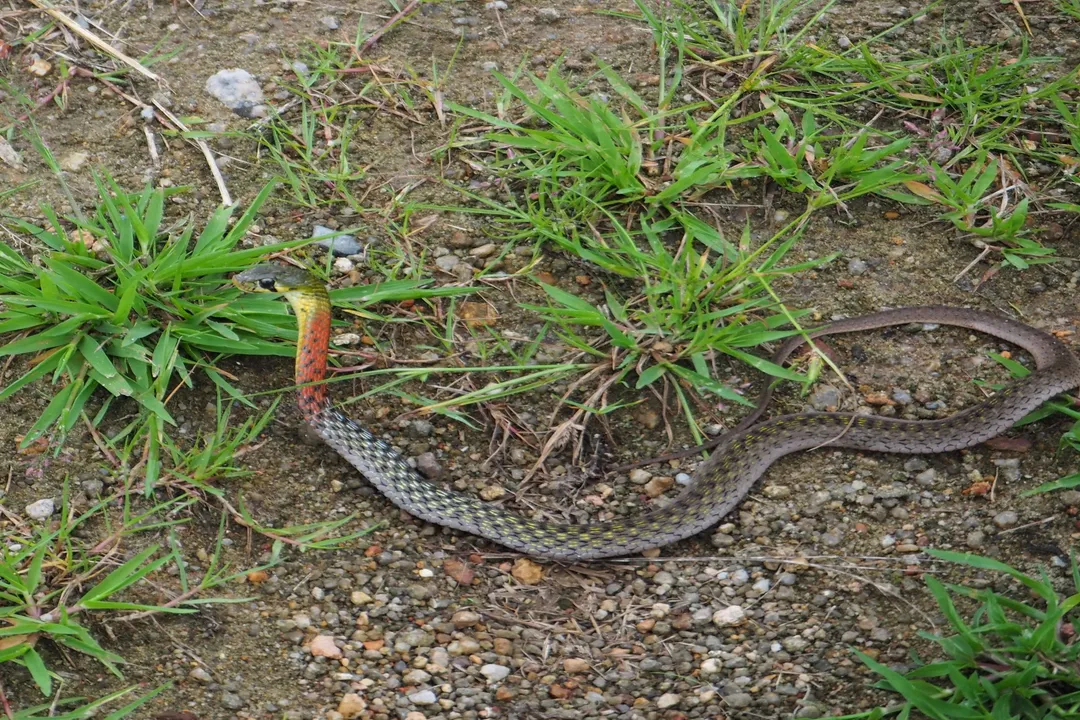
While the general pathology is similar, the specific species within the Rhabdophis genus carry slightly different notoriety.
# Red-Necked Keelback
The Red-necked Keelback (Rhabdophis subminiatus) is found across a broad region, including Hong Kong, where it is recognized as venomous and medically important. [9] Like its cousins, it is equipped with rear fangs and its bite is known to cause coagulopathy. [2][9] Field observations confirm that handling or approaching these snakes requires caution due to their potential to bite defensively and inject venom. [8]
# Tiger Keelback
The Tiger Keelback (Rhabdophis tigrinus) is frequently cited as one of the most venomous snakes in the world, an assessment largely driven by the severity of its coagulant effects. [3][7] Reports from regions like Japan confirm the high toxicity of their venom. [7] The combination of its potent venom and the way it sequesters toxins from its amphibian prey places it in a unique category among venomous snakes. [4][5]
# Responsible Encounter Assessment
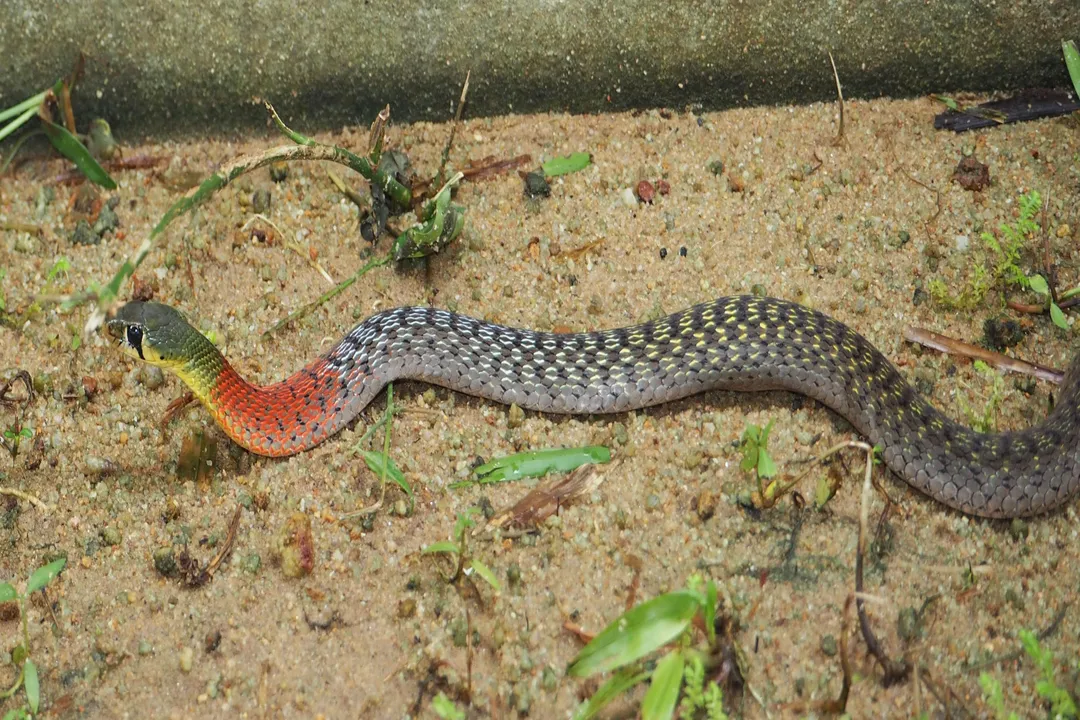
Understanding the venom profile of a keelback is not just an academic exercise; it is a matter of safety, especially given the overlapping common names. If one encounters a snake identified as a keelback, the immediate questions should be: Where is this snake geographically located, and which species is it?
For instance, if you are in Southeast Asia or East Asia, the snake is highly likely to be one of the venomous Rhabdophis species, and the standard assumption must be that the snake is medically significant, regardless of its temperament at the moment of encounter. [1][9] Even if the snake is encountered in a setting where it is known to have recently fed on toxic toads—potentially increasing its own toxicity—the safest protocol is to treat it as a life-threatening hazard. [4]
If, however, the identification points conclusively to one of the Australian keelbacks, the level of concern shifts entirely to non-venom status. [6]
Here is a simple comparison to highlight the risk differential:
| Snake Group | Location Context | Venom Status | Primary Danger Mechanism |
|---|---|---|---|
| Rhabdophis spp. (Tiger/Red-necked) | East/Southeast Asia | Venomous | Severe Coagulopathy [1][3] |
| Australian Keelbacks (Natricinae relatives) | Australia | Non-Venomous | None (standard bite risk) [6] |
One useful measure when assessing any rear-fanged snake is to consider how an expert might handle it. An experienced herpetologist encountering a Rhabdophis will treat it with the same extreme caution afforded to a cobra or viper, using long tongs or highly protected hands, precisely because a defensive chew can still deliver a full dose of venom that targets the very foundation of circulatory survival—clotting. [1][9] This professional respect for rear-fanged venom delivery is a good template for general caution, even if the snake appears docile. Realistically, the likelihood of a fatal outcome from an Australian keelback is zero, while for the Rhabdophis genus, it remains a documented possibility requiring medical intervention. [1]
Related Questions
#Citations
Rhabdophis subminiatus - Wikipedia
Red-Necked Keelback Snake: Venomous and Poisonous Species
Meet The World's Foremost 'Venomous-Poisonous' Snake ... - Forbes
TIL about the Tiger Keelback snake, one of the very few poisonous ...
Venom, Poison, or Both? - Nick's Wild Life
Keelback Snake | Freshwater Snake
People often ask us about whether Green Keelbacks are dangerous ...
Red Neck Keelback - Rhabdophis helleri — HongKongSnakeID.com