How would you describe a tortoise?
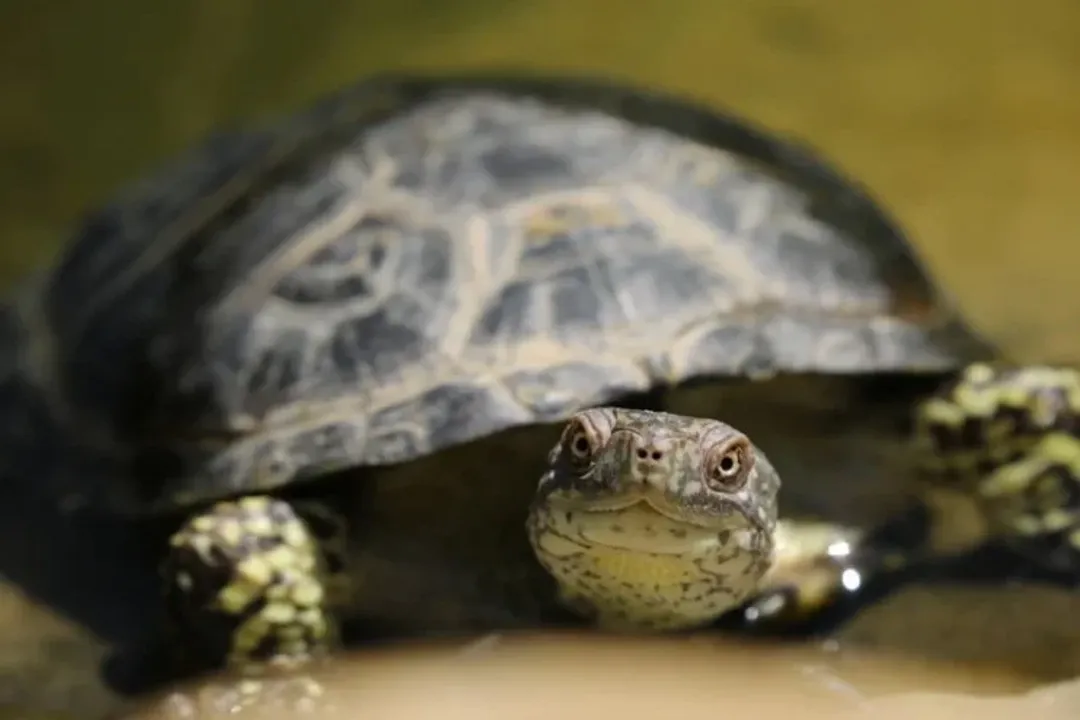
To describe a tortoise is to introduce an icon of resilience, a creature whose very silhouette speaks of antiquity and slow, deliberate existence. These reptiles belong to the order Testudines, [1] which also encompasses turtles and terrapins. [3][5] What immediately sets them apart, the defining characteristic visible to any observer, is their shell, which is fundamentally terrestrial in nature. [1][5] They are reptiles, covered in scutes, and they spend their entire lives on land, rarely, if ever, venturing into deep water. [1][5][9]
# Reptilian Traits
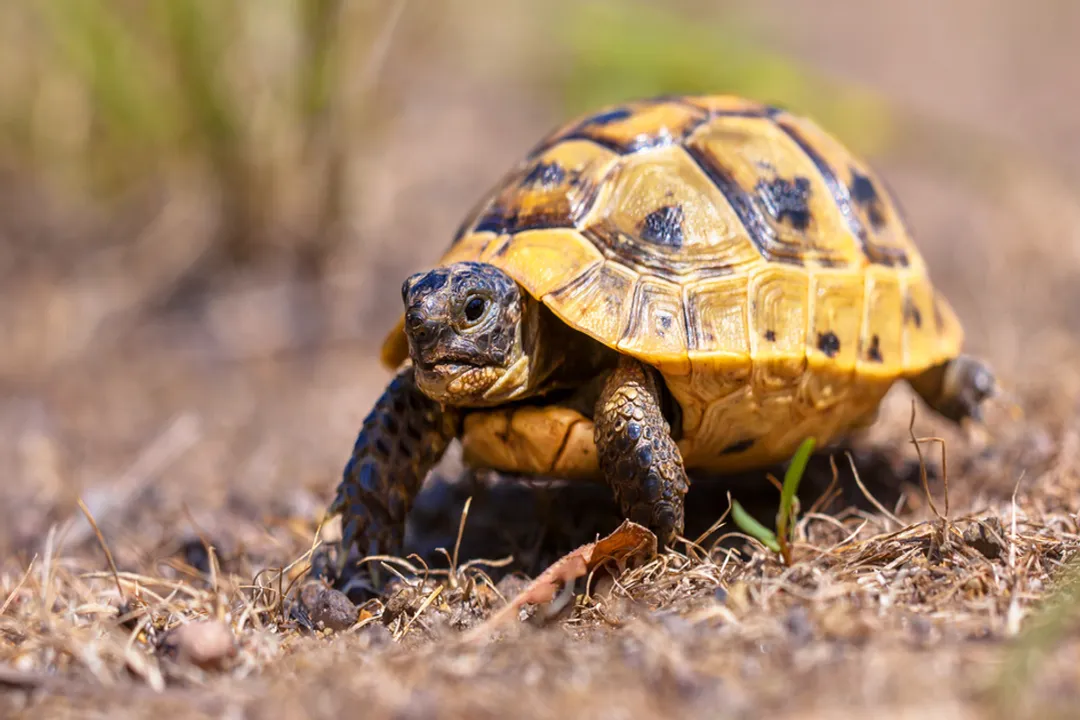
As members of the reptilian class, tortoises are ectotherms, meaning they rely on external sources, like the sun, to regulate their body temperature. [5] This dependence often dictates their daily rhythms; basking in the warmth is crucial for proper bodily function, followed by seeking shade when the heat becomes too intense. [7] They are characterized by dry, scaly skin, which helps minimize water loss—a vital adaptation for creatures often inhabiting arid environments. [1][7] Their respiration involves lungs, and they possess a beak-like mouth structure instead of true teeth, perfect for clipping tough vegetation. [1][5] The variety within the tortoise group is vast, spanning numerous genera and species, each adapted to specific ecosystems, from deserts to scrublands. [1][5] A key feature in their description is their generally dome-shaped shell, a clear contrast to the flatter shells seen in many aquatic relatives. [1][9]
# Shell Structure
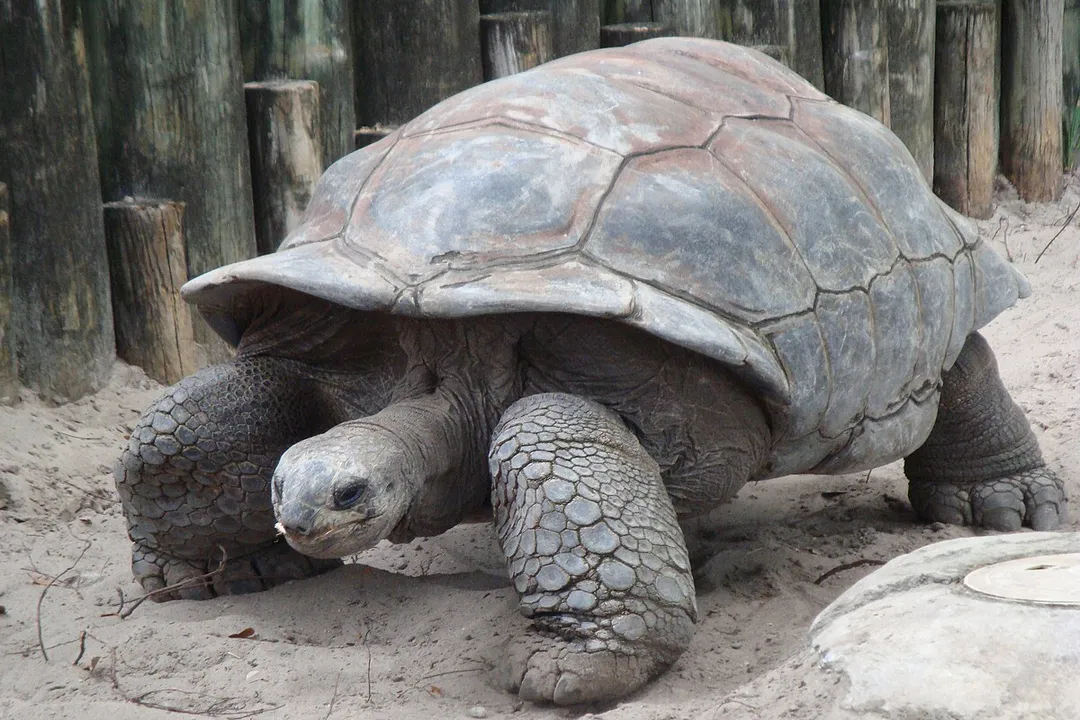
The tortoise’s shell is not merely armor worn externally; it is an intricate, living part of their skeleton, a feature that demands careful consideration when describing them. [1][5] This structure is composed of two main parts: the upper shell, called the carapace, and the lower, flatter section known as the plastron. [1][5] These two halves are fused together by a bony bridge, creating a solid, protective fortress that encapsulates the animal’s body. [1] The shell itself is made up of numerous bony plates, covered by epidermal scutes made of keratin, the same material that forms human fingernails. [1]
When comparing the shell shapes across different species, one observes remarkable specialization. For instance, the desert tortoise often has a flatter, more streamlined carapace compared to the extremely high-domed shells of certain island species, though the general terrestrial blueprint remains consistent. [7] This bony structure means that as the tortoise grows, so too does its shell, which expands in layers, sometimes showing rings that can vaguely hint at age, much like the rings of a tree. [1] This anatomical commitment to the shell necessitates a specific gait and posture, prioritizing defense over speed. [5]
# Terrestrial Movement
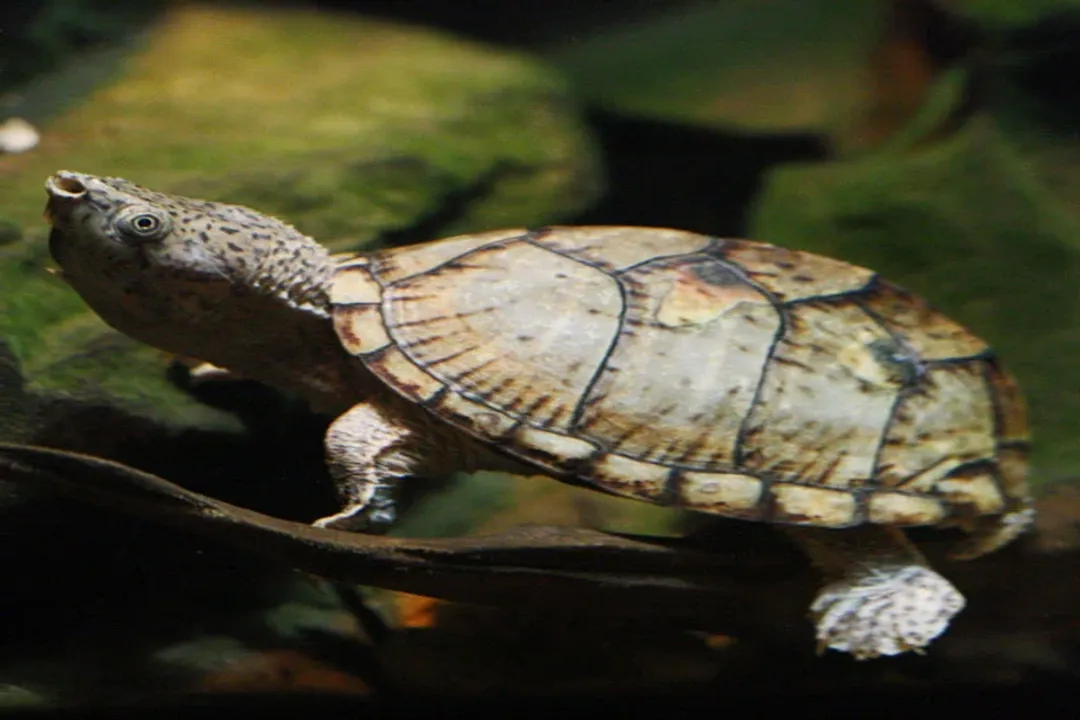
The way a tortoise moves contributes significantly to how we perceive them—steadfast and unhurried. This slow pace is directly linked to their anatomy, particularly their limbs. [5] Tortoises are built for walking on solid ground. Their legs are stout, column-like, and elephantine, designed to support the significant weight of their shell over long distances on uneven terrain. [1][5] They possess blunt, thick claws suited for gripping soil and occasionally digging, rather than the webbed feet or flippers characteristic of aquatic turtles. [1][9]
To better illustrate the difference in locomotion suggested by their build, consider this basic comparison of appendages designed for different realms:
| Feature | Tortoise Limbs | Aquatic Turtle Limbs | Purpose/Adaptation |
|---|---|---|---|
| Shape | Club-like, elephantine | Flattened, paddle-like | Terrestrial support vs. swimming efficiency |
| Feet | Stumpy, often with heavy claws | Webbed or fully formed flippers | Traction/digging vs. propulsion in water |
| Gait | Slow, deliberate walking | Swimming or brief terrestrial movement | Energy conservation on land vs. aquatic maneuverability |
| [5][9] |
This structural specialization means that while a tortoise can certainly swim if absolutely necessary, it is an awkward and energy-draining activity for them, unlike their semi-aquatic cousins. [9] Their primary existence is firmly rooted on the land they inhabit. [1]
# Dietary Habits
The description of a tortoise's diet reveals its primary role as a herbivore in its ecosystem. The vast majority of tortoise species consume grasses, leaves, flowers, and succulent fruits. [1][5] They are adapted to process coarse, fibrous plant matter efficiently. [1] For species like the Desert Tortoise, their diet heavily features native annual wildflowers and grasses, consuming the flowers when available, which provides essential moisture during drier periods. [7]
This herbivorous nature means they generally require less intense protein intake than carnivores, contributing to their famed longevity. A fascinating side note, often overlooked when discussing their main diet, is that they occasionally ingest soil or feces. [7] This behavior, while perhaps unappetizing to consider, can be an important way for them to supplement essential minerals and vitamins that might be lacking in their vegetative intake. [7] Observing this need for minerals highlights that even the most specialized herbivores must sometimes opportunistically forage for necessary micronutrients that aren't immediately apparent in the green parts of the plants they primarily favor. For pet owners, mimicking this diverse, high-fiber, low-protein intake is critical, as excessive amounts of fruit or animal protein can lead to severe health issues, such as pyramiding of the shell. [3]
# Longevity Records
Perhaps the most astonishing aspect of describing a tortoise is addressing its lifespan. They are synonymous with extreme longevity. [1][5][6] While many reptiles live for decades, tortoises routinely surpass a century. [1] Some individuals are reliably documented to have lived past 150 years. [6] The sheer duration of their lives is difficult for humans to comprehend, often spanning multiple generations of human observers. [5]
This incredible lifespan is intrinsically linked to their slow metabolism and cautious lifestyle. [5] Because they cannot flee quickly from predators, they have evolved to conserve energy, grow slowly, and live for an exceptionally long time, essentially hedging their reproductive bets over many decades. [5] This slow pace extends to everything they do, from eating to movement, which helps minimize metabolic stress over time. Considering the implications of owning a creature that can easily outlive you provides a unique perspective on stewardship; caring for a tortoise requires thinking in terms of multi-generational commitment, far beyond the typical pet ownership window. [5]
# Habitat Diversity
Tortoises are found across diverse continents, though they are notably absent from Antarctica and Australia. [1] They inhabit various environments, but common associations include arid regions, deserts, scrublands, and dry grasslands. [5][7] The Desert Tortoise, for example, is perfectly engineered for the Mojave and Sonoran Deserts of North America, where survival hinges on managing extreme heat and prolonged drought. [7]
In these harsh settings, adaptation means digging. [7] The Desert Tortoise is an expert excavator, creating burrows that can descend several meters deep. [7] These underground retreats are essential for thermoregulation; they provide a cool refuge during scorching summer days and a relatively stable environment to survive cold winter nights, sometimes entering periods of inactivity or hibernation depending on the climate. [7] This contrasts with some Old World tortoises found in lusher areas, which might utilize denser vegetation for cover rather than deep excavations. [1] Understanding the specific habitat—whether it’s the dry, rocky slopes of the Mediterranean or the sandy plains of the African plains—is key to describing the specific species accurately. [5]
# Threats and Protection
Despite their reputation for toughness, modern tortoises face significant and escalating threats, making their description incomplete without mentioning their conservation status. [2] Many species are classified as threatened or vulnerable, with extinction risks being very real. [2] The primary dangers they face are human-related. [2][5]
Habitat loss and fragmentation are critical issues, driven by development, agriculture, and infrastructure projects that carve up the slow tortoise's necessary range. [2][7] In environments like the American Southwest, highways often present impassable and lethal barriers for slow-moving tortoises, leading to high mortality rates on roadways. [7] Furthermore, the illegal pet trade targets charismatic species, removing them from the wild to supply the pet market. [2] While captive breeding programs exist, they cannot replace the genetic diversity lost when wild populations decline. [2]
Another significant factor, particularly in North America, is disease. For example, upper respiratory tract disease (URTD) has devastated wild populations of the Desert Tortoise. [7] This disease, which can cause lethargy, discharge, and blindness, spreads easily, especially where tortoises congregate, such as in burrows or at limited water sources. [7] This ecological vulnerability, stemming from slow reproduction rates and reliance on specific, often fragile, ecosystems, places a heavy responsibility on humans to protect these ancient reptiles. [2][5] Recognizing a tortoise today means acknowledging its status as an ancient survivor fighting modern pressures. [6]
Related Questions
#Citations
Tortoise - Wikipedia
Tortoises: Facts, Habitat, Diet, and Conservation Efforts | IFAW
Turtle and Tortoise | San Diego Zoo Animals & Plants
What is a tortoise? - Find out more about these land ... - Twinkl
Tortoise | Reptile, Habitat, Diet, & Lifespan | Britannica
The remarkable features and symbolism of the tortoise
Desert Tortoise Fact Sheet - Desert Museum
Tortoises 101 - Nauti-lass Ponds & Critters, inc.
What's the Difference Between Turtles and Tortoises? - Nashville Zoo