How often do Mayan cichlids reproduce?
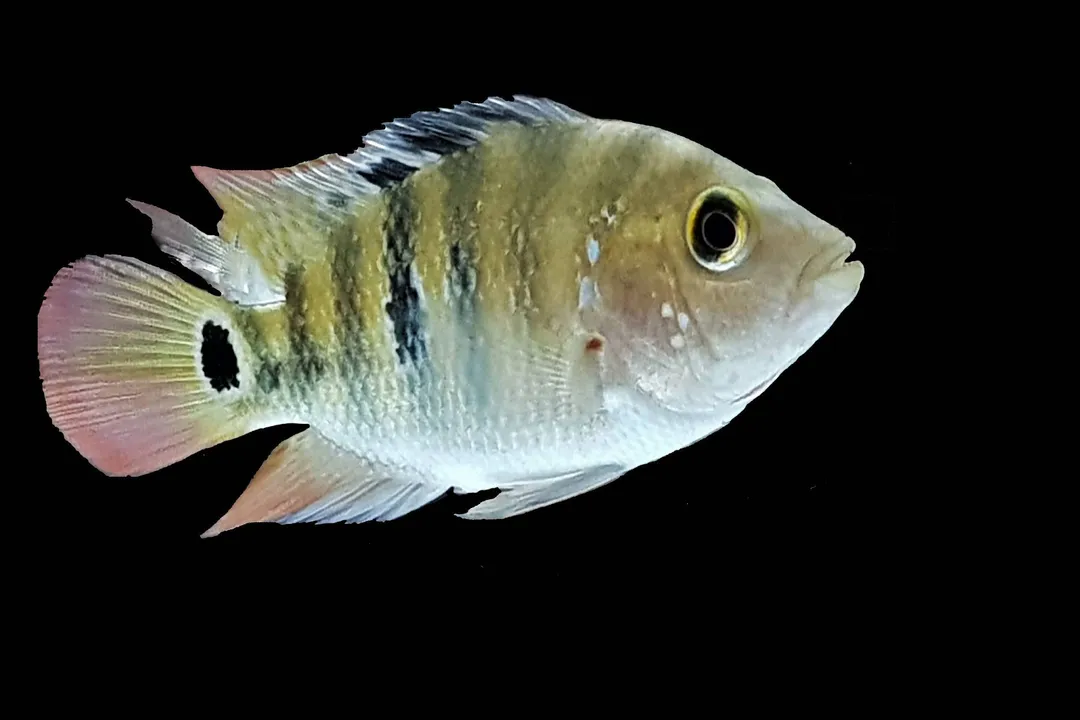
The reproduction cycle of the Mayan cichlid, Cichlasoma urophthalmus (also known by synonyms like Herichthys cyanoguttatus in some older texts or simply urophthalmus), is characterized by remarkable speed and high output, particularly when environmental conditions are favorable. [5][8] For aquarists aiming to keep these fish, the generally accepted timeframe for a subsequent spawning event, provided the pair is ready and the environment is pristine, hovers around once every three to four weeks. [3] Some keepers even suggest that under perfect aquarium conditions, the fish can manage a breeding cycle that repeats on a nearly monthly basis. [4] This rapid turnaround allows a successful pair to produce multiple clutches of fry in a single year. [1][7]
When looking at the situation in their native range or established invasive habitats, the species is described as being highly prolific, capable of reproducing throughout much of the year if the water remains warm enough to support their metabolism. [5] Considering that an optimal aquarium setup might facilitate spawning every 21 to 28 days, this translates to perhaps 13 to 17 potential breeding opportunities annually in a controlled setting. This contrasts with the wild, where they are noted to spawn "several times a year". [1] This difference highlights how minimizing environmental stress—such as temperature fluctuations or resource scarcity—can dramatically compress the reproductive interval, turning what might be a seasonal or intermittent breeder in nature into a near-constant producer when stability is achieved in an aquarium. [3][4]
# Reproductive Triggers
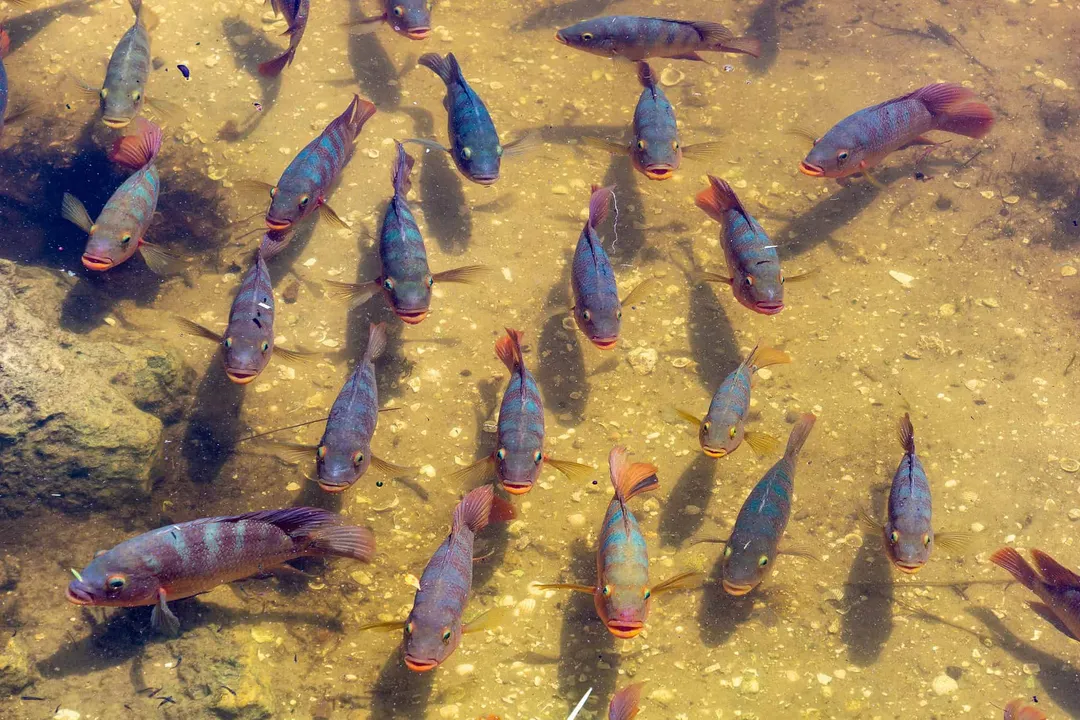
The frequency of breeding is less about a set calendar date and more about achieving specific environmental cues that signal plentiful resources and safety for offspring. [3] Mayan cichlids are substrate spawners, and their readiness to reproduce is strongly tied to water quality and temperature consistency. [5]
In the wild, suitable temperatures in their natural Central American range permit year-round activity. [5] For captive specimens, consistent warmth is key; maintaining stable temperatures, often in the mid-to-high 70s or low 80s Fahrenheit (around 25°C to 28°C), encourages the pair to remain in a breeding state rather than cycling into a period of rest. [3][4] If the temperature drops significantly or fluctuates too widely, the frequency will naturally slow down, regardless of the pair’s pairing success. [7]
To successfully maintain this rapid three-to-four-week cadence, an aquarist must pay close attention to water chemistry beyond just temperature. Successful repeat spawning requires clean water; high nitrate levels or sudden changes in pH can stress the pair, causing them to abandon their territory or postpone spawning altogether. [3] An actionable husbandry technique derived from this need for consistency is to maintain an established, aggressive water change schedule between spawning events. Instead of waiting until a decline is visible, preemptively performing partial water changes immediately after fry separation—but before the next predicted mating cycle—ensures the environment is refreshed without shocking the recovering parents, directly supporting the short intervals observed in expert setups. [3][4]
# Spawning Behavior
Before the actual deposition of eggs, the pair establishes a territory, which is common behavior among many cichlids. [6] This territorial establishment often involves vigorous cleaning and defending of a chosen flat rock, large leaf, or other hard surface. [6] The pair will aggressively drive away other tank inhabitants, meaning that to achieve frequent reproduction, the cichlids often require a dedicated, spacious breeding tank where they can maintain this defended area without undue interruption. [3][5]
The eggs themselves are laid in a cluster on the chosen surface. [7] Both the male and female participate in guarding the eggs and the resulting fry, showcasing parental care common to many members of the Cichlidae family. [6] This shared duty helps ensure the high survival rate necessary for such a successful species, though the level of continued involvement can vary between individual pairs. [5]
# Quantifying Success
The reproductive success of the Mayan cichlid is rooted in the sheer quantity of gametes produced, which provides a buffer against natural predation or environmental loss. [7][8] Females are noted to be capable of producing clutches ranging up to approximately 300 eggs at a time. [7] While this number is an upper estimate, even smaller clutches represent significant reproductive output for a fish of this size. [6]
When comparing species, this prolific nature places the Mayan cichlid among the faster breeders in the cichlid hobby, with some enthusiasts even suggesting it might rival or surpass other commonly bred rift lake or South American species in terms of sheer frequency when conditions align perfectly. [9] The combination of frequent spawning cycles (monthly) and substantial clutch sizes (hundreds of eggs) is what leads to the categorization of this fish as having a "high reproductive potential". [7]
# Maturation Speed
The speed at which a Mayan cichlid reaches reproductive capability also contributes to how quickly their population can expand, both in the wild and in controlled environments. [8] These fish are known to mature relatively quickly. [8] While precise age data can vary based on feeding and environment, they are generally considered sexually mature within their first year of life. [5] Achieving maturity quickly means that a population introduced to a new area—or a new batch of fry hatched in an aquarium—can begin contributing to the next generation rapidly, compounding the effect of their short inter-brood interval. [1][8] For instance, a female hatched in the spring might easily be spawning by the following spring, potentially creating three or four generations in just two years under warm, stable conditions. [5]
# Invasive Status Context
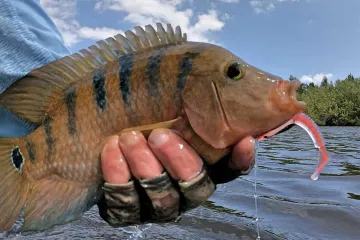
Understanding the frequency of reproduction is vital because the Mayan cichlid has established itself as an invasive species in locations like South Florida. [1][5] Their ability to reproduce often, coupled with high survival rates, allows them to rapidly colonize new water bodies. [8] Their tolerance for a wide range of salinities, from freshwater to brackish conditions, adds another layer of resilience, but it is their reproductive speed that allows populations to explode quickly once established in suitable thermal areas. [1][5] In places like the Everglades canals, where warm water is available almost year-round, the reproductive schedule approaches its absolute maximum potential, making population control exceedingly difficult. [1][5]
If a system allows for the consistent, warm water environment that encourages a 3-week breeding cycle, the cumulative effect is the swift establishment of an established population base, which is why regulatory bodies track their presence closely. [1][7] This high breeding frequency means that if even a small, stable breeding group gains a foothold, the environmental impact spreads rapidly due to the constant influx of new juveniles. [8]
Related Questions
#Citations
Mayan Cichlid (Cichlasoma urophthalma) - Species Profile
Mayan Cichlid Fish Facts - Mayheros urophthalmus - A-Z Animals
Mayan Cichlid (Cichlasoma urophthalmus) - The Aquarium Wiki
Mayan cichlid - Mayaheros urophthalmus - Aqua-Fish.Net
Mayan Cichlid – Discover Fishes - Florida Museum of Natural History
Mayan cichlid: Fishing Regulations, Lures, Behavior, and ... - Fishbox
[PDF] Mayan Cichlid (Mayaheros urophthalmus)
Cichlasoma urophthalmus - Global Invasive Species Database
Fastest breeding cichlid? - Reddit