How often should I feed damselfish?

Determining the right feeding schedule for damselfish is a frequent topic among marine aquarium keepers, and the general advice often centers on consistency rather than excessive volume. [1][4] For most common damsel species kept in a home reef aquarium, feeding them once a day is a very common practice, though some keepers opt for twice daily feedings to better mimic natural grazing patterns. [1][2][4] Care guides for specific varieties, such as the Yellowtail Blue Damsel, often suggest feeding between one and three times per day, emphasizing that the quantity is more crucial than the exact number of feedings. [6]
# Daily Schedule
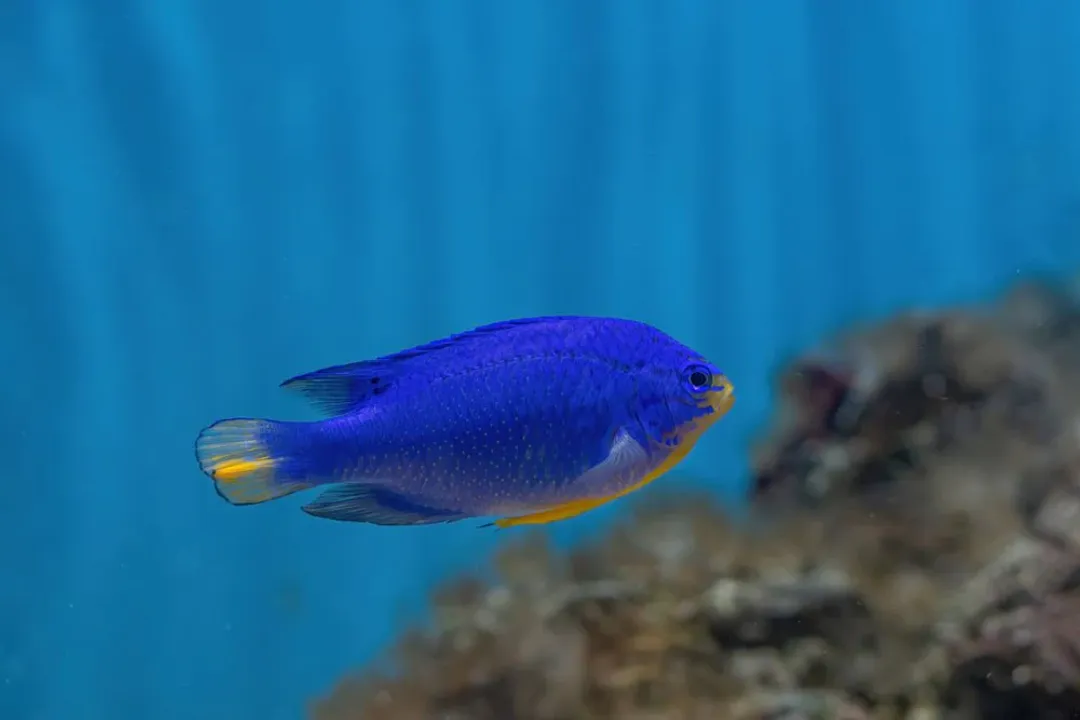
The consensus across various experienced hobbyist discussions suggests that consistency is key for these hardy fish. [1][2] If you choose to feed once daily, ensure it is at the same time each day to maintain stability within the tank environment. [4] If you opt for twice-a-day feeding, separating the meals by at least eight hours is a good practice, ensuring that the first feeding is fully consumed before the second is offered. [2] This rhythm helps keep their metabolism active without overloading the small biological filter system in a typical home setup. [4] For instance, keeping Azure Damsels fed once daily is often sufficient for their dietary needs. [7]
This contrasts slightly with some recommendations for more active or larger marine fish, which might warrant two substantial meals. However, damsels, being relatively small, territorial, and quite adept at finding microfauna in a mature reef tank, generally do not require the same high-frequency feeding schedule as, say, Tangs or Anthias. [3]
# Portion Control
Regardless of whether you choose one or two feedings, the most critical factor overriding the frequency question is how much you are feeding. [1][6] A universal rule applied across almost all marine fish feeding advice is to provide only what the fish can completely consume within a very short window, usually cited as one to three minutes. [1][6]
If food remains floating or sinking after three minutes, you have fed too much, regardless of the frequency schedule you have chosen. [6] Excess food breaks down rapidly, spikes nitrates and phosphates, and severely degrades overall water quality, which is particularly stressful for small, aggressive fish like damsels. [6]
Considering the general bio-load, a good starting point for a standard juvenile or single adult damsel is simply a tiny pinch of dry food or a single small cube of frozen food, split between the two daily feedings if you choose that route. If you are keeping a group, such as the nine damsels mentioned by one concerned keeper, you must ensure each individual gets a chance to eat without the leftovers fouling the water. [4] In these group scenarios, feeding slightly more frequently (e.g., twice daily) but with much smaller amounts at each interval often works better than one large daily feeding, as it distributes the nutrient input across the day. [2]
It is worth noting that if you see uneaten food accumulating on the substrate or clinging to rockwork just 15 minutes after feeding, adjust your portion size down immediately. Monitoring the health and activity of your fish—such as observing a Blue Devil Damselfish actively hunting detritus—can be a better indicator of hunger than strictly adhering to a pre-set volume. [9]
# Food Variety
The type of food you offer directly impacts how often you should feed, as different foods offer different nutritional densities and digest at varying rates. [6] A diet consisting solely of low-quality, dust-like dry flakes might require more frequent feeding to meet their caloric needs compared to a nutrient-dense frozen offering. [7]
High-quality prepared foods are highly recommended for damsels. [6] These typically include:
- Frozen Foods: Mysis shrimp and brine shrimp (often enriched) are excellent staples. [6][7] For species like the Azure Damsel, frozen foods are a primary dietary component. [7]
- Dry Foods: High-quality flakes or small pellets formulated for marine omnivores or omnivorous/carnivorous fish are suitable. [6]
If you are feeding a highly nutritious frozen diet, once per day is usually adequate because the nutritional benefit is maximized per feeding event. [9] If you are relying heavily on dry flakes, you might lean toward two smaller feedings to ensure complete nutrient absorption, especially if the fish are highly active or growing. [6] When feeding species like the Blue Sapphire Damsel, which may be slightly more predatory, incorporating meaty frozen foods alongside vegetable matter helps ensure a balanced intake. [3] A good practice is to alternate between frozen and dry foods throughout the week rather than feeding the same thing every day.
# Species Needs
While the general guidance holds true, it is important to recognize that the term "damselfish" covers a massive range of species with varying temperaments and metabolic rates. [8] For example, the Blue Devil Damselfish, known for its high activity, might benefit slightly more from consistent, smaller caloric intakes throughout the day compared to a more sedentary species. [9] Similarly, Cross Damsels have specific care requirements that dictate their feeding frequency, usually aligning with the once-daily standard but requiring high-quality nutrition. [8]
If you keep very aggressive, territorial damsels, feeding them slightly more often when young and small can sometimes reduce territorial nipping among tankmates, as a full stomach often leads to less intense aggression cycles. A practical consideration here is to feed first thing in the morning when the fish are most active and looking to establish dominance, which can diffuse early-day territorial disputes. This minor adjustment in timing within the established frequency helps manage behavior more effectively than simply adding an extra feeding session later in the day. [4]
For any new damsel, start with a conservative feeding schedule—once daily—and observe for one week. If the fish seems lethargic, its colors look dull, or it appears overly skinny, slowly increase to twice daily, reducing the portion size at each meal accordingly. Conversely, if you notice excess food waste or cloudy water within a few hours of feeding, reduce the portion size or revert to once daily immediately. This observational method builds trust in your own system's specific needs, which often vary slightly from textbook recommendations based on your filtration and tank volume. [1][6]
Related Questions
#Citations
how often to feed damsel's ? perfered food? | Reef2Reef
How often should i feed damsels and how much - Reef Central
Any advice on feeding a Blue Sapphire Damsel? : r/ReefTank - Reddit
how many times are u suppose to feed nine damsels?
How often to feed fish and recommended brand? - Facebook
Yellowtail Blue Damsel Care Guide - Coralife
Azure Damsel - Fish World - Saltwater Aquariums in Richmond VA
How to Care for Cross Damsel Fish - iReef
Blue Devil Damselfish Care Guide - Reef Chasers