How many hearts does a newt have?
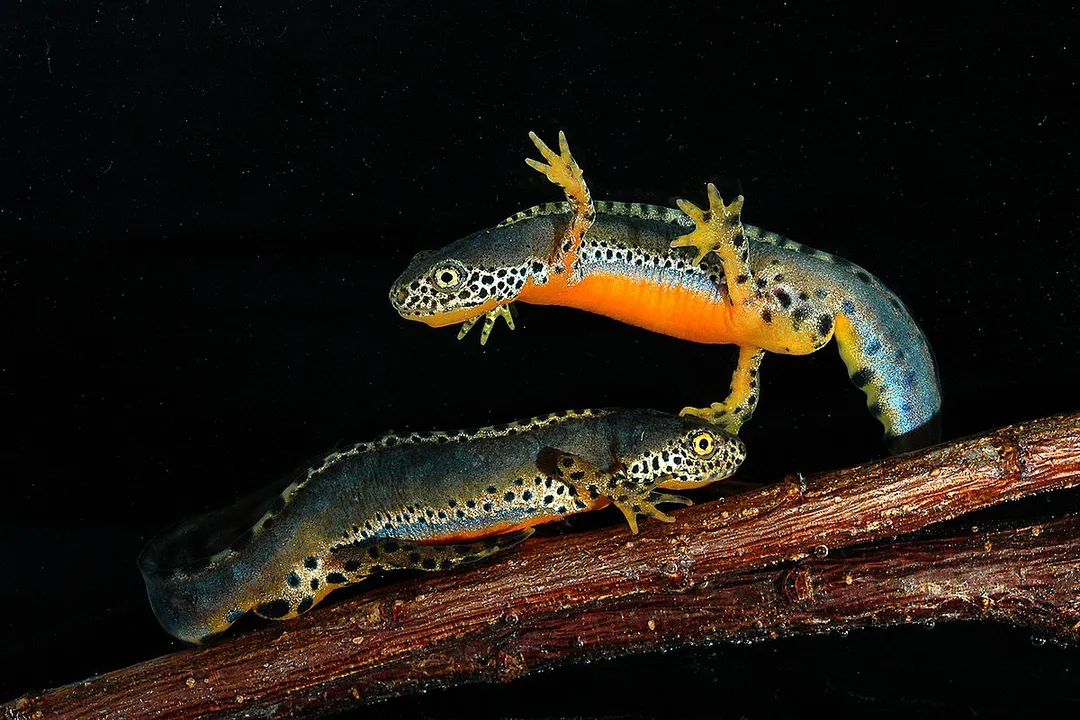
The circulatory system of an amphibian, specifically the newt, revolves around a single, highly specialized organ responsible for pumping life through its body. While the casual observer might assume complexity in their exotic appearance, the fundamental architecture of their primary circulatory pump adheres to the pattern seen across most tetrapods: the newt possesses one heart. This single organ, however, is anything but simple, especially when one examines its remarkable ability to heal itself following severe damage.
# Single Organ
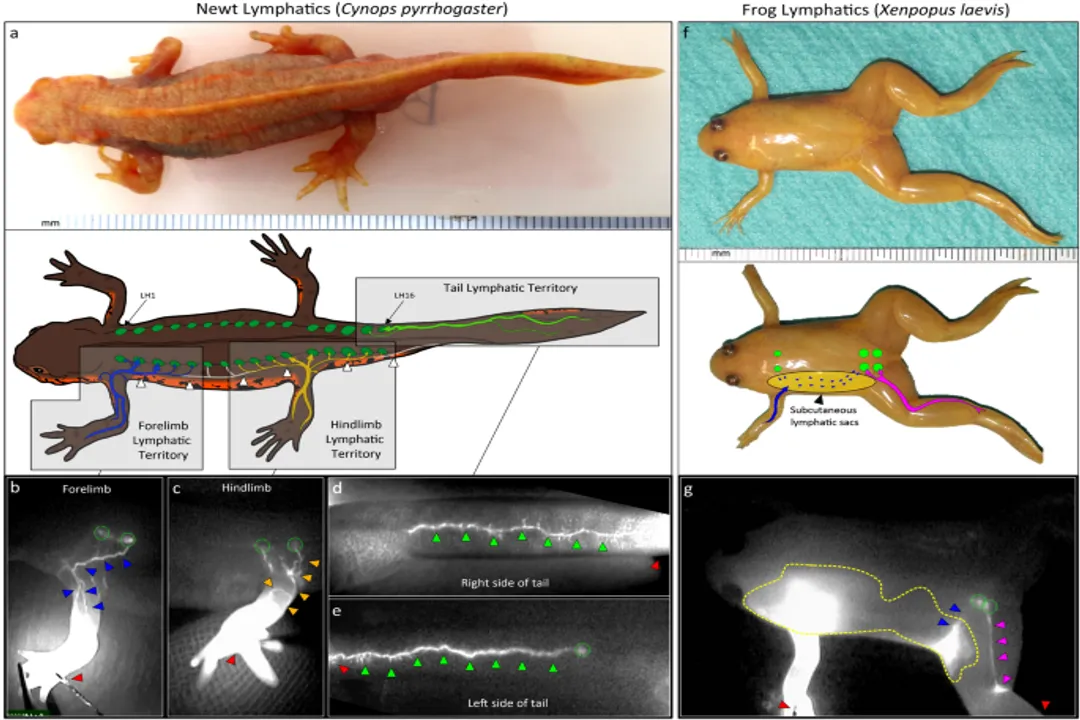
A newt, like all members of the order Urodela, is a vertebrate, and its circulatory system is closed, meaning blood remains contained within vessels circulating from the heart to the tissues and back again. The presence of only one heart is standard for amphibians, distinguishing them from invertebrates like earthworms, which can possess multiple aortic arches that function similarly to simple hearts, or insects, which have a dorsal, tube-like heart structure. The simplicity in number belies the functional sophistication necessary for an animal that transitions between fully aquatic larval stages and often terrestrial adult forms, requiring circulatory adjustments to breathe both through gills and through the skin and lungs.
# Chamber System
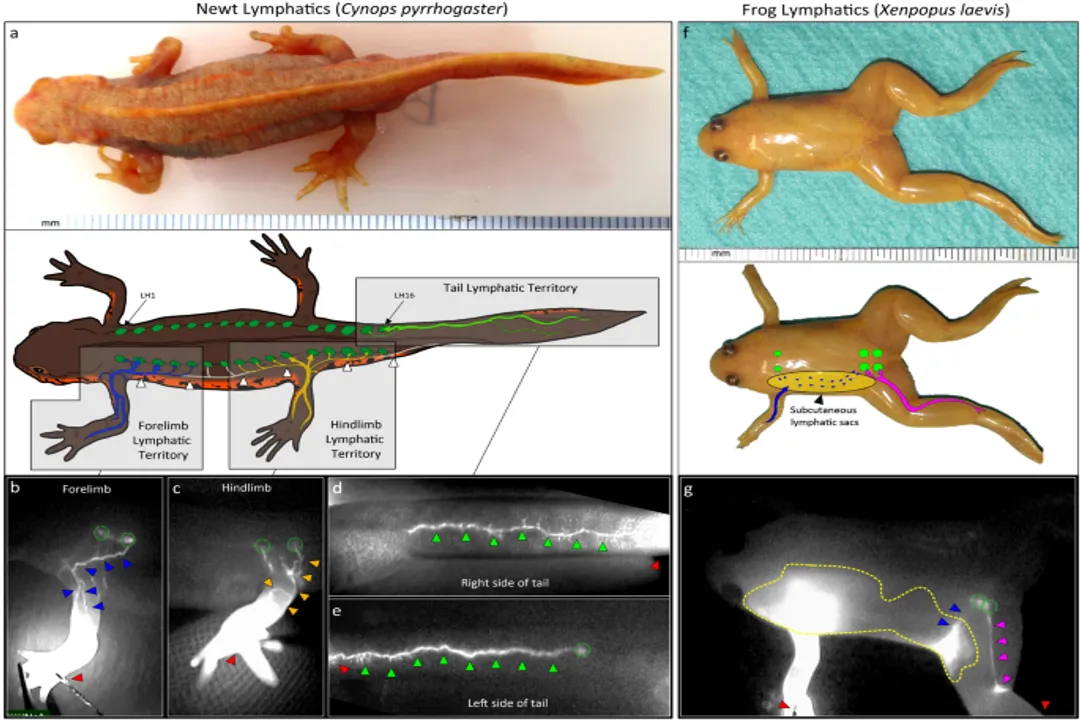
The internal design of the newt’s heart is characteristic of amphibians, differing significantly from the four-chambered hearts of mammals and birds, which provide complete separation between oxygenated and deoxygenated blood. Instead, the amphibian heart is three-chambered, composed of two atria—a right and a left—and a single, muscular ventricle.
This structure dictates the flow: deoxygenated blood returning from the body enters the right atrium, while oxygenated blood returning from the lungs (or skin) enters the left atrium. Both atria empty into the shared ventricle. Although blood mixes to some extent in the single ventricle, the structure of the ventricle itself, often featuring internal ridges or folds, helps direct the flow so that most deoxygenated blood is routed toward the lungs for re-oxygenation, and oxygenated blood is sent out to the rest of the body. The presence of the single ventricle means that the newt's circulation is partially double, unlike the single-circuit system found in fish, but less efficient than the fully separated system of endotherms.
# Cardiac Repair
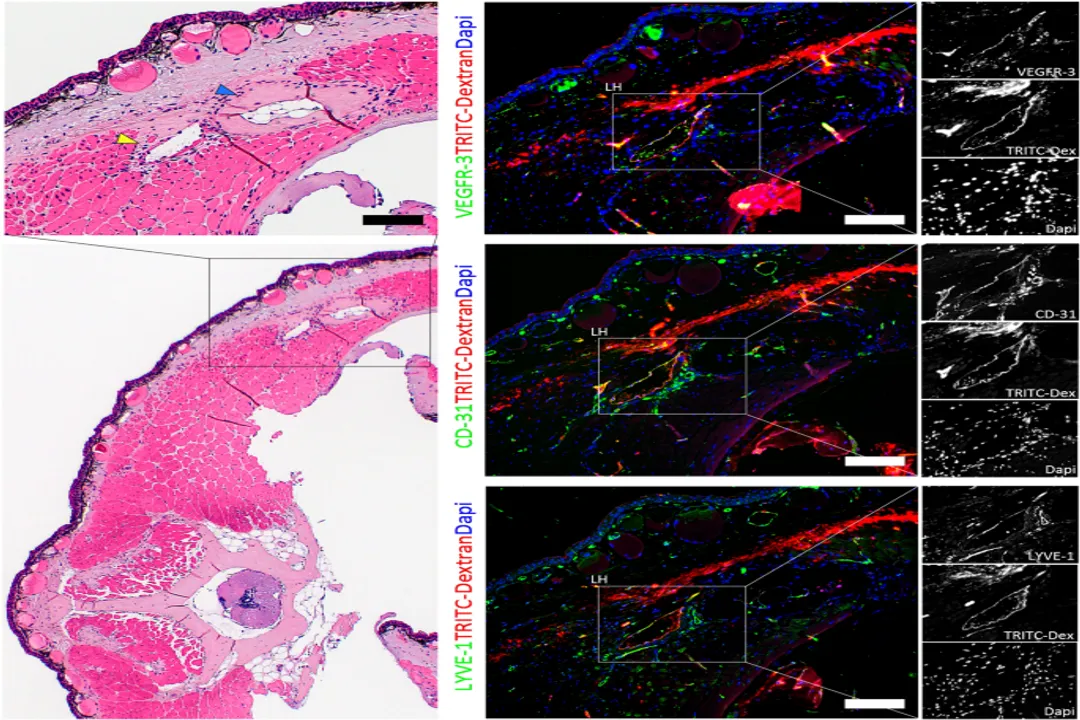
What truly sets the newt’s heart apart from that of mammals is not its basic structure, but its extraordinary capacity for regeneration. Adult newts, such as the widely studied Notophthalmus viridescens (the red-spotted newt), exhibit perfect cardiac regeneration following injury, such as the resection of heart tissue or the intentional induction of myocardial damage. When the heart muscle is damaged, the tissue does not form a scar composed of fibrous connective tissue, as is the case in humans and other mammals. Instead, the damaged area is completely replaced with functional, scar-free heart muscle.
This regenerative mastery is deeply connected to the specialized nature of their heart muscle cells, the cardiomyocytes. Mammalian cardiomyocytes, once mature, exit the cell cycle and are incapable of proliferation to replace lost tissue, which is why a heart attack leads to permanent scarring. Newt cardiomyocytes, however, retain the ability to re-enter the cell cycle, divide, and differentiate to regenerate the lost myocardium.
If newts can perfectly regenerate their heart muscle without scar tissue, which is a hallmark of maturity in most tetrapods, it suggests their entire cellular maintenance system, not just the heart, operates on a fundamentally different timeline or regulatory mechanism than mammals. This difference might be linked to the complete absence of fibrotic scarring seen after injury in species like the red-spotted newt.
# Muscle Life Cycle
The process by which the newt heart muscle cells (cardiomyocytes) repair themselves involves a complex cascade of cellular signaling. Research has identified that the successful regeneration is driven by the re-programming of these existing, differentiated muscle cells to revert to a proliferative state. This process is distinct from relying heavily on a pool of resident stem cells, though other cell types are also involved in rebuilding the tissue scaffolding.
The signal to regenerate is crucial. Studies looking at how this change is induced reveal that specific genetic and molecular pathways are activated to push the mature heart cells back into division. Understanding the exact molecular cues that trigger this reversal—essentially making an adult cell behave like an embryonic cell—is one of the most active areas of cardiac biology research today. The ability of newts to respond to injury by initiating this full regeneration, rather than a fibrotic response, provides a direct, living model for investigating therapies that might someday prompt human hearts to heal themselves in a similar fashion.
# System Variations
While the heart is singular, the overall circulatory needs shift dramatically throughout the newt's life cycle. The larval stage, often aquatic, breathes primarily via gills, requiring blood flow adapted for this respiratory surface. As the newt undergoes metamorphosis, the gills typically regress, and lungs develop, necessitating a cardiovascular restructuring to efficiently handle pulmonary respiration. Furthermore, newts—like many amphibians—rely heavily on cutaneous respiration (breathing through the skin), meaning a significant portion of blood flow must be routed close to the surface where gas exchange can occur.
This constant environmental adaptability requires fine-tuning of blood pressure and flow distribution, all managed by that single, adaptable three-chambered pump. The efficiency of this system, despite its relative simplicity compared to mammals, highlights evolutionary success in balancing metabolic demands across water and land.
# Comparative View
When looking at other salamanders, the basic pattern holds true; the presence of one three-chambered heart is the standard amphibian design. However, the regenerative capacity seems to be a key feature distinguishing newts and salamanders from most other vertebrates studied.
The efficiency of this cellular reprogramming suggests that the extracellular matrix environment in a newt following injury might inherently signal for cell division rather than scar formation, a stark contrast to the signaling cascade observed in adult mammalian hearts. This implies that the initial biological response to mechanical trauma is programmed very differently at the cellular level, favoring complete structural reinstatement over rapid, but imperfect, patching. While the sources focus heavily on the heart tissue itself, it is worth noting that general tissue healing in amphibians often outpaces that of reptiles or mammals, suggesting a broader, systemic advantage in rapid, scar-free tissue remodeling that benefits the heart immensely.
The newt’s single, three-chambered heart is thus a masterclass in physiological balance and biological persistence. It manages the dual demands of aquatic and terrestrial life, and critically, it possesses an intrinsic biological software patch allowing it to undo severe trauma and restore full function, a feat that remains the biological aspiration for human medicine.
Related Questions
#Citations
Newt - Wikipedia
Structural and functional analysis of the newt lymphatic system
What's the Difference Between a Newt and Salamander?
Re-programming of newt cardiomyocytes is induced by tissue ...
Eye of Newt - Northwest Trek
Cryo‐injury procedure‐induced cardiac regeneration shows unique ...
Newt - The Jungle Bunch Wiki - Fandom
Newt - Meaning, Types, Uses, Toxicity, Conservation and FAQs