How long do Alaskan Pollock live?
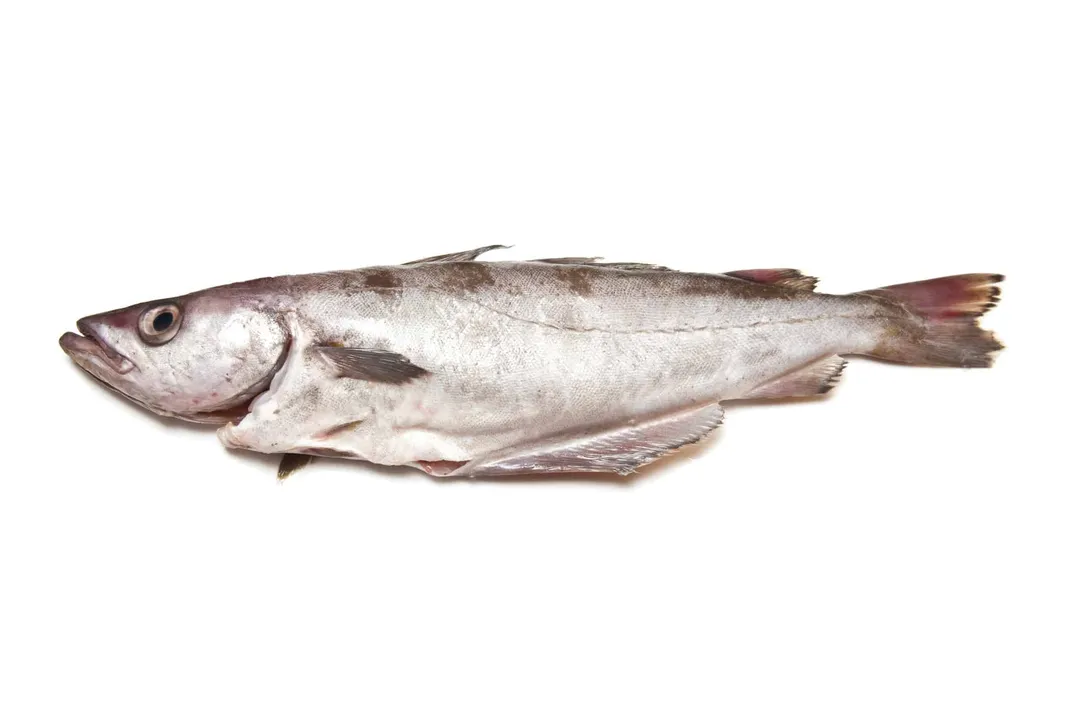
The lifespan of the Alaskan Pollock (Gadus chalcogrammus) is a figure subject to slight variation depending on whether one is discussing the typical age reached in the wild or the biological maximum observed in scientific sampling. This commercially important whitefish, abundant in the chilly waters of the North Pacific, including the Bering Sea and the Gulf of Alaska, possesses a history stretching back further in time than many casual consumers might imagine.
# Aging Methods
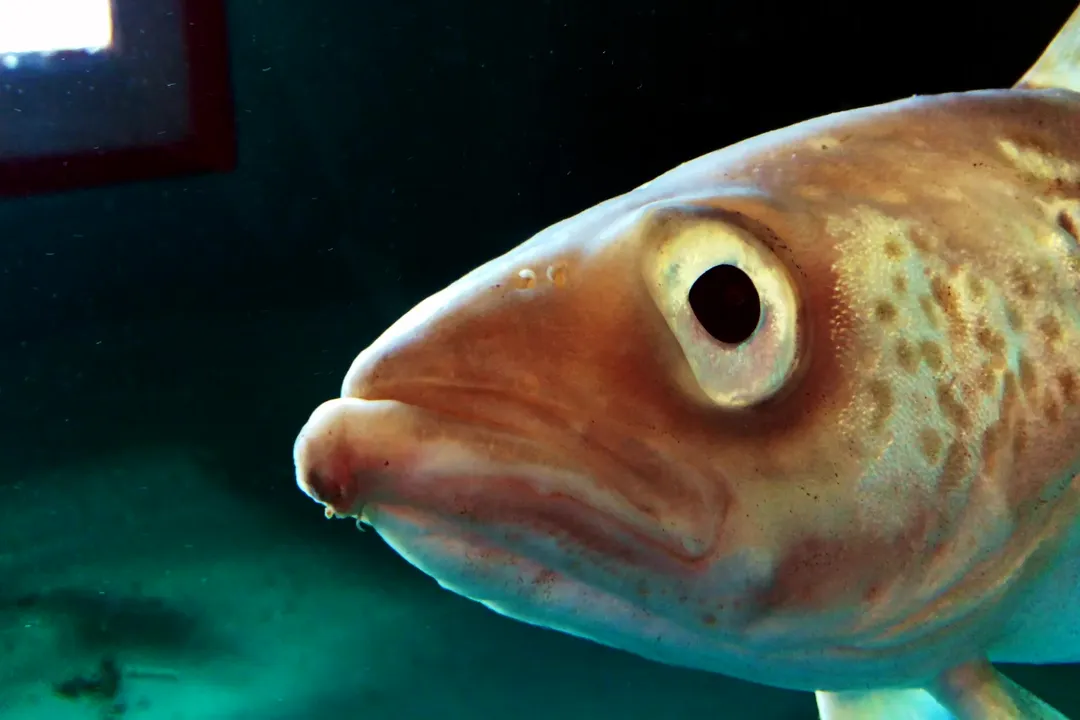
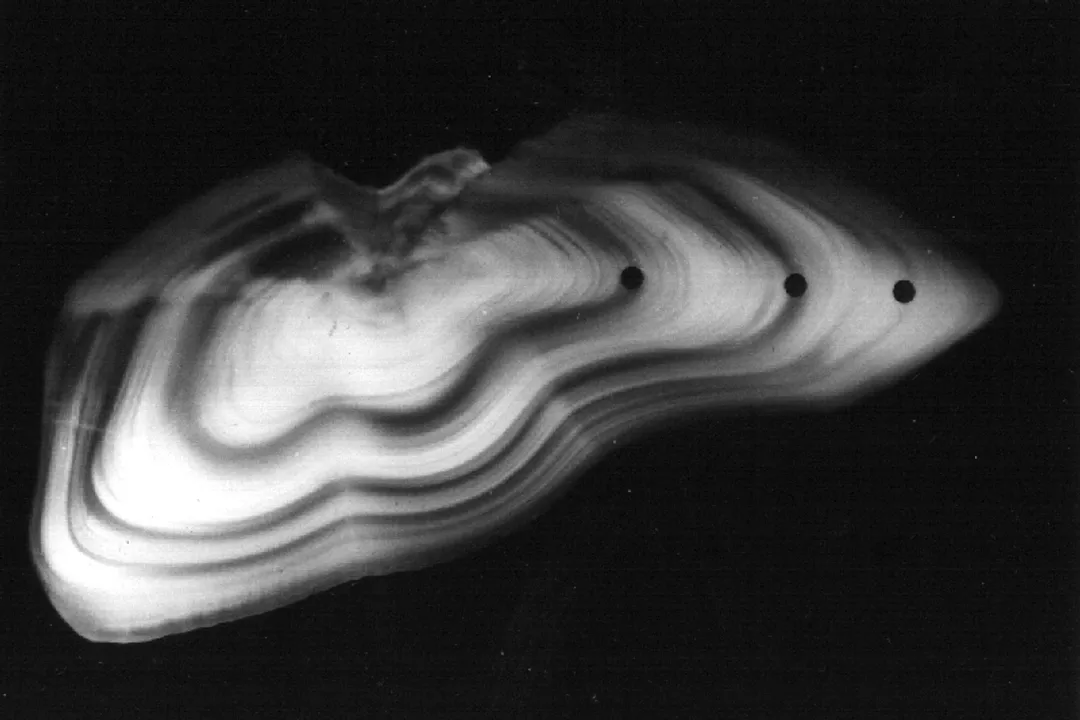
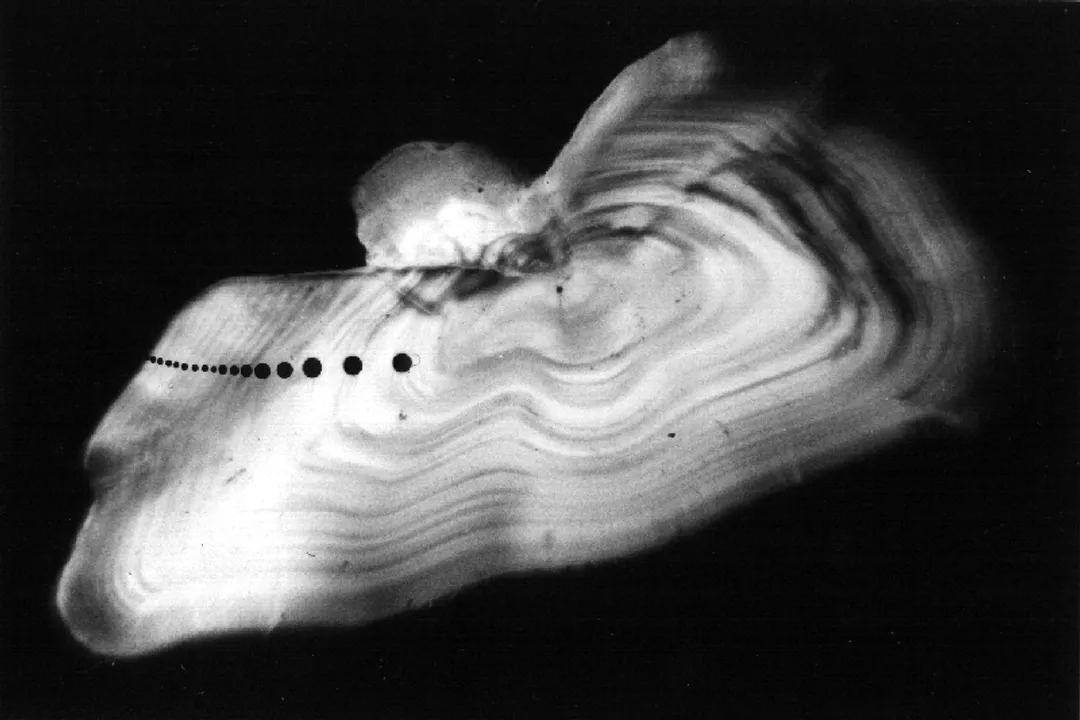
Determining the exact age of a wild fish requires more than just a ruler; it involves precise biological investigation. For species like pollock, scientists often rely on analyzing hard body parts that show growth rings, much like counting the rings on a tree stump. In the Northwest Atlantic populations, for example, researchers frequently examine otoliths, which are small, dense ear bones found in the fish’s head. By preparing and examining the cross-section of these stones under magnification, experts can count the annuli, or opaque rings, which represent periods of fast growth, typically corresponding to warmer seasons. This technique provides the foundational data for establishing lifespan estimates.
# Years Lived
When looking across various records and general assessments, a consensus starts to form around the typical age profile for these fish. Many sources suggest that Alaskan Pollock commonly live to around 13 years in the wild environment. Other common estimates place their general lifespan potential up to about 15 years. However, the species' biological capability stretches further than these typical observations suggest. Scientific records indicate that Alaskan Pollock can reach an age of 20 years. More remarkably, the oldest recorded specimen discovered during sampling was a female fish documented to be 27 years old.
It is striking to observe the difference between the common expectation and the recorded potential. If we consider the frequently cited 13-year average against the maximum documented age of 27, we see that the potential for a single pollock to survive is more than double its observed common tenure. This gap often signals the profound impact of environmental pressures, including predation and, significantly, commercial fishing, which preferentially targets larger, older individuals, thereby compressing the observed age distribution of the remaining stock.
# Habitat Influence
The Alaskan Pollock inhabits vast, cold areas of the North Pacific Ocean, generally occupying the shelf and upper slope regions. The specific environmental conditions of these deep, productive waters dictate their growth rates and overall survival. While they are highly adaptable, their long-term existence is intertwined with the stability of their ecosystem. Changes in ocean temperature, for instance, pose a notable threat to these cold-water species. Shifts in ocean climate can affect the availability of their primary food sources or directly impact their reproductive success, creating downstream effects on how many individuals survive long enough to approach their maximum potential age. The fact that they are generally present in large, dense schools across the Bering Sea suggests that high productivity supports their existence, but vulnerability to large-scale changes remains a persistent factor affecting population longevity.
# Size Correlation
Age in fish is usually directly proportional to size, though growth rates can slow considerably once sexual maturity is reached. Alaskan Pollock are known for being relatively fast-growing compared to some of their groundfish relatives. A fish approaching the 15-year mark would certainly be a substantial specimen, likely well over 20 inches in length and weighing several pounds, depending on the specific region's conditions. Conversely, the younger, more common 3- to 5-year-old fish that make up much of the harvestable biomass are considerably smaller. Understanding this relationship between age and size is essential for fishery managers. For example, management quotas often target fish below the maximum known age to ensure reproductive sustainability, acknowledging that the older, larger females carry disproportionately larger quantities of high-quality eggs, making the survival of those few individuals approaching 20 years critically important for stock renewal.

# Commercial Relevance
Because Alaskan Pollock are so numerous and represent such a massive global fishery, their life history data is rigorously collected and analyzed by various government agencies. This species is vital for producing everything from fish sticks and fast-food sandwiches to surimi products. The data gathered on their growth and mortality rates directly informs the Total Allowable Catch (TAC) set each year by regulatory bodies. If the assessment models show that the population structure is skewed too heavily toward younger fish—perhaps due to a strong recruitment year followed by heavy fishing—managers must exercise caution to prevent the removal of too many individuals before they have a chance to spawn multiple times. This constant monitoring, relying on age determination methods like those used on the otoliths, ensures that this resource remains available, balancing human needs with the biological reality of the fish’s natural life cycle.
Related Questions
#Citations
Pollock: Age Determination Methods for Northwest Atlantic Species
Walleye pollock | Washington Department of Fish & Wildlife
Alaska Pollock Facts - Birds Eye
Facts: The Alaska Pollock - Facebook
Learn About the Pollock – Fishing - Guidesly
Climate change threatens one of the most important fish, the Alaska ...
Pollock Fish Facts - A-Z Animals
Alaska pollock - Wikipedia
Walleye Pollock - Alaska Sealife Center