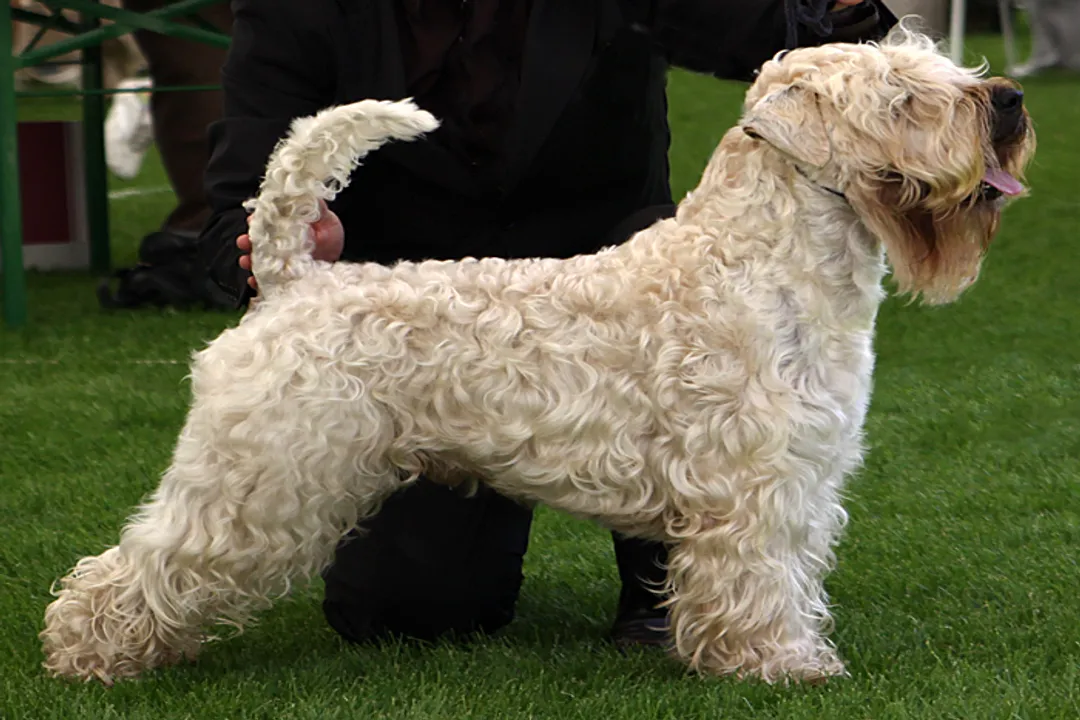
What does the standardization shift in coat color from multicolored early dogs to fixed wheaten represent?
A shift in emphasis from color utility to color aesthetics and conformity.
The move during the formal standardization period to exclusively favor the lighter, golden-hued wheaten coat marks a profound evolutionary divergence for the breed when compared to its history as a farm dog. In the early stages of development, coat color was purely functional; darker coats or brindled patterns were acceptable as long as the coat provided necessary protection against the elements and rough work—utility over appearance was the rule. However, as breeders steered the Wheaten toward recognition and the exhibition ring, the focus dramatically pivoted. The selection of the standardized wheaten shade reflected a conscious decision to prioritize specific aesthetics and conformity to a written standard over the previous practical considerations of pigmentation, signaling the breed's departure from its purely utilitarian past.