Wheaten Terrier Facts
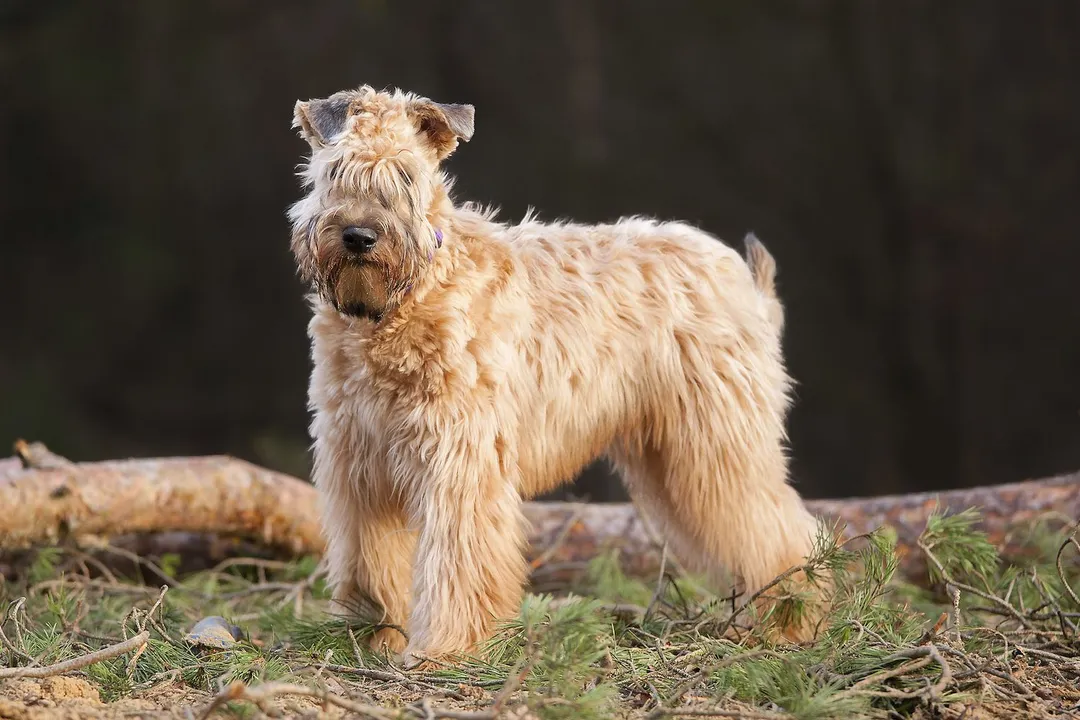
The Soft-Coated Wheaten Terrier presents a unique profile within the canine world, immediately setting itself apart from its scrappier terrier cousins with its signature, flowing coat. Hailing from Ireland, this breed wasn't developed for the aristocratic hunt; instead, it was the indispensable, all-purpose companion of the Irish peasant farmer. For over two centuries, the Wheaten performed nearly every task required on the farm, including herding livestock, guarding the homestead and family, and diligently controlling rodent populations. Due to laws that restricted landowning gentry to keeping hounds like Irish Wolfhounds or Beagles, the resourceful farmer turned to the Wheaten, earning it the moniker "Poor Man's Wolfhound". It shares common ancestry with the Kerry Blue Terrier and the Irish Terrier, but its varied utility meant that appearance was secondary to function, leading to a wide variation in look until formal recognition. The Irish Kennel Club officially acknowledged the breed in 1937, though it took until the 1940s for the first Wheatens to reach the United States, with full recognition by the American Kennel Club occurring in 1973.
# Irish Roots
The history of the Wheaten is intrinsically linked to the necessity of the Irish countryside. Their early life was one of utility; they were expected to be versatile workers that could transition from driving cattle to hunting vermin without complaint. This history of self-reliance and varied duties is still evident in the modern dog, which often excels in activities such as tracking, obedience, and agility. Docking the tail was historically common, done specifically to denote them as farm dogs under the law of the time. Today, enthusiasts often point out that the Wheaten might be considered the original Irish Terrier, from which other Irish breeds were derived, a claim also made by several of its terrier relatives.
# Silken Appearance

The Wheaten Terrier is a medium-sized dog, typically standing between 17 and 19 inches at the shoulder for males, and slightly shorter for females, weighing generally between 30 and 40 pounds. The overall structure is described as square, sturdy, and well-built, presenting an image that breeders sometimes romantically describe as an "iron fist in a velvet glove".
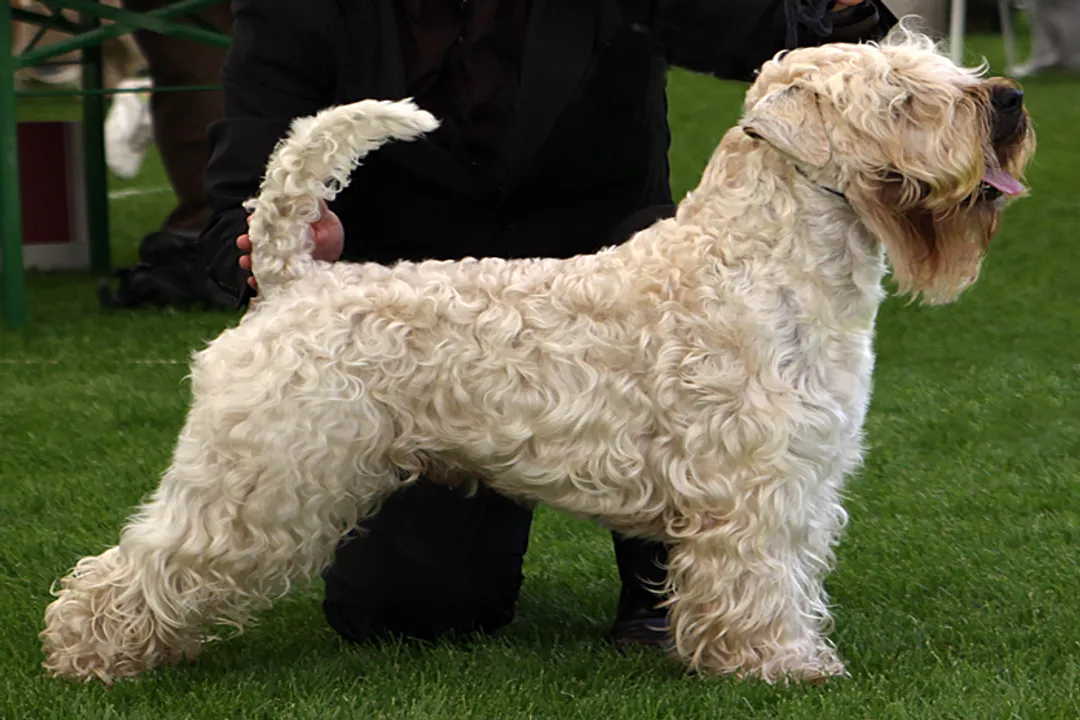
The coat is, without question, the breed's defining feature. It is a single-layered, soft, and silky coat that is gently wavy or loosely curled. It is also notable for being low-shedding, making the breed a potential candidate for allergy sufferers, although no dog is entirely hypoallergenic as dander and saliva are still produced.
Perhaps one of the most surprising facts for a new owner is that Wheatens are not born their signature color. Puppies typically arrive with dark coats, manifesting in shades of red, brown, mahogany, or even white, and often have darker coloring around the muzzle or ears. This dramatic transformation is gradual; the puppy coat darkens and then begins to lighten around six months of age, with the full, standard wheaten color often not fully established until the dog is between one and three years old. Furthermore, any subsequent hair grown over a wound or injury will temporarily return in the darker puppy shade before eventually reverting to wheaten.
There is also a subtle but important distinction in coat presentation that owners might encounter: the Irish versus the American coat type. Breeders who favor the original Irish standard describe this coat as silkier, wavier, and more closely laid to the body, often with a more waterproof and slightly oilier texture that may tangle less. In contrast, the American variety is often described as thicker and fuller, sometimes appearing "bouffant," and may require more grooming attention due to its quicker growth rate.

# Wheaten Personality
If the coat suggests softness, the terrier spirit underneath confirms their lineage. The Wheaten personality is generally characterized as upbeat, lively, affectionate, and deeply devoted to its family. They possess an extroverted nature and are known for being extremely friendly and playful, traits that endure well into their senior years. They bond closely with their people and crave inclusion in all family activities.
The most famous behavioral trait is the Wheaten Greetin’. This enthusiastic reception upon a family member’s return—even after a short absence—often involves exuberant jumping and face-licking. While they can be cuddly, this jumping means that proper training is crucial, especially if there are very small children in the home, as their bouncy nature can lead to knocking little ones over.
Wheatens are considered less scrappy than some other terriers, but they are certainly not a sedentary breed. They are vigilant watchdogs, quick to alert their owners to newcomers, though they are more likely to offer a wagging tail than aggression once the initial alert is given. However, their background as vermin hunters means they possess a strong prey drive, making introductions to cats or other small pets require careful socialization. Furthermore, they can be prone to wandering or escaping if unsupervised, so secure fencing is essential. If left alone for extended periods, their need for companionship can manifest as destructive behavior or excessive barking.
# High Energy Demands
This breed demands a moderate to high level of daily activity that should not taper off much even as they age. A baseline of at least one to two hours of dedicated exercise per day is generally recommended. This is not a breed that thrives by being left in the yard alone; they much prefer active engagement with their owners. Ideal activities include brisk walks, jogging, hiking, fetching, and participating in dog sports like agility or flyball. Due to their strong prey drive and curiosity, off-leash time should only happen in very securely fenced areas, as they are likely to chase anything that moves, ignoring calls to return.
It is important to note that Wheatens are often described as heat-sensitive dogs, meaning vigorous activity must be minimized or avoided in high temperatures to prevent overheating.
A practical consideration for potential owners is the combination of high energy and their tendency to roam or dig. If you have a yard, owners must regularly inspect and potentially fortify the perimeter to prevent escapes, especially during puppyhood when exploratory behavior is at its peak. For owners in apartments or dense city settings, this breed can adapt, but only if the commitment to providing sufficient structured walks and play sessions is absolute, as mental engagement is as vital as physical output. If their quick minds are not kept busy constructively, they will readily devise their own entertainment, which often involves destructive chewing or digging.
# Coat Commitment
If the energy level is high, the grooming requirement is arguably higher. The beautiful, silky Wheaten coat is a commitment that requires daily attention to prevent painful matting and tangling.
The foundation of coat care is daily brushing. This should involve a thorough going-over with a pin brush or slicker brush to remove loose hair and debris, followed by a combing session using a metal comb to ensure all tangles are worked out down to the skin. Any mats found should be gently teased apart with fingers, brushes, or the comb—never cut with scissors, as this can leave holes or damage the natural hang of the coat.
Beyond the daily brushing, a bath is usually necessary about once a month, depending on how frequently the dog gets dirty, which is common as the coat readily picks up dirt, food, and debris. Crucially, professional trimming is required every four to eight weeks to maintain a manageable length. Owners often elect for a "pet cut" or all-over trim, which reduces the sheer volume of hair to contend with daily compared to keeping the full show-length coat.
Considering the transition period when their adult coat comes in (7 to 24 months), this is when grooming effort must spike dramatically. Because the coat texture and oiliness change as the dog matures, mats can form extremely quickly. A helpful approach during this phase is to introduce very short, 5-minute "puppy trim" sessions twice daily, using the same tools you use for regular brushing, which helps acclimate them to the necessary handling for the full adult coat schedule later on.
Regular checks are also required for the ears, which are floppy and can trap moisture, increasing the risk of infection, and the nails should be trimmed monthly.
# Terrier Mindset
Training a Wheaten requires a different approach than training a breed bred purely for biddability, like a retriever. Wheatens are intelligent, but they are also keenly willful and often possess their own agenda. While they respond well to positive reinforcement—praise, treats, and play—they can be stubborn and sensitive to harshness, which may cause them to shut down mentally.
The key difference lies in their motivation. Where some breeds obey simply to please their owner, the terrier mentality asks, "What's in it for me?".
An original insight for any terrier owner is to treat training less as a command/obey sequence and more as a creative problem-solving partnership. If you rely on repetition alone, you will bore this clever breed, and they will actively look for loopholes in your rules, testing boundaries constantly. Instead of giving up when they challenge a command like "no jumping," a successful Wheaten owner figures out why the dog is jumping (excitement, seeking attention) and redirects that energy into an acceptable outlet, like a brief tug game or a specific trick that earns a high-value reward, thus satisfying their need to "work" for the payoff. Consistency in all areas—not just training—is non-negotiable, as they are keenly observant of where boundaries actually lie.
Early and consistent socialization is critical to ensure they grow into well-adjusted adults, comfortable around new people and situations, which can mitigate any potential for same-sex dog aggression or general wariness of strangers.

# Health Watch List
Generally, the Soft-Coated Wheaten Terrier is considered a relatively healthy breed with a good lifespan, often reaching 12 to 15 years, though one UK study placed the average slightly lower at 13.7 years. Responsible breeding practices, which include specific health testing recommended by parent clubs, are vital for mitigating inherited risks.
The breed is most notably predisposed to two serious protein-wasting conditions that demand owner vigilance:
- Protein-Losing Enteropathy (PLE): Protein is lost via the gastrointestinal tract, leading to symptoms like vomiting, diarrhea, and edema (swelling). This is often associated with Inflammatory Bowel Disease (IBD) in the breed.
- Protein-Losing Nephropathy (PLN): Protein is lost through the kidneys, with symptoms including increased thirst and urination, and edema. Research suggests these two conditions can sometimes occur together, with PLE sometimes following a PLN diagnosis.
Other key genetic predispositions include:
- Addison's Disease (Hypoadrenocorticism): The adrenal glands fail to produce necessary hormones; periodic electrolyte testing is recommended.
- Renal Dysplasia: A congenital disorder affecting kidney development.
- Degenerative Myelopathy (DM): A neurological condition akin to ALS in humans, causing progressive weakness and eventual paralysis of the hindquarters. A genetic test is available for this.
- Atopy: Significant skin allergies causing itchiness, often targeting the paws, belly, and ears, frequently starting between one and three years of age.
- Joint Issues: Hip and elbow dysplasia, which leads to arthritis, is a risk, and maintaining a healthy weight is crucial to delay its onset.
Finally, dental health cannot be overlooked. While they may not be prone to guarding food, dental disease is the most common chronic problem across all dogs, and if severe issues like tartar buildup and subsequent infection are left untreated in a Wheaten, it is estimated that their lifespan could be cut short by one to three years. Daily tooth brushing is strongly recommended to protect their overall systemic health.
Related Questions
#Citations
Soft Coated Wheaten Terrier - Dog Breeds - American Kennel Club
Soft-Coated Wheaten Terrier: Dog Breed Characteristics & Care
Soft-coated Wheaten Terrier - Wikipedia
[breeds] What are the pros and cons to owning a wheaten terrier?
Wheaten Terrier Dog Breed Guide | BorrowMyDoggy
Soft Coated Wheaten Terrier - All About Dogs - Orvis
Soft Coated Wheaten Terrier Dog Breed Information | Purina UK
Soft Coated Wheaten Terrier - Arcanum Veterinary Service