How is the typical Leghorn disposition often described around human interaction?
Answer
Flighty, nervous, or somewhat timid
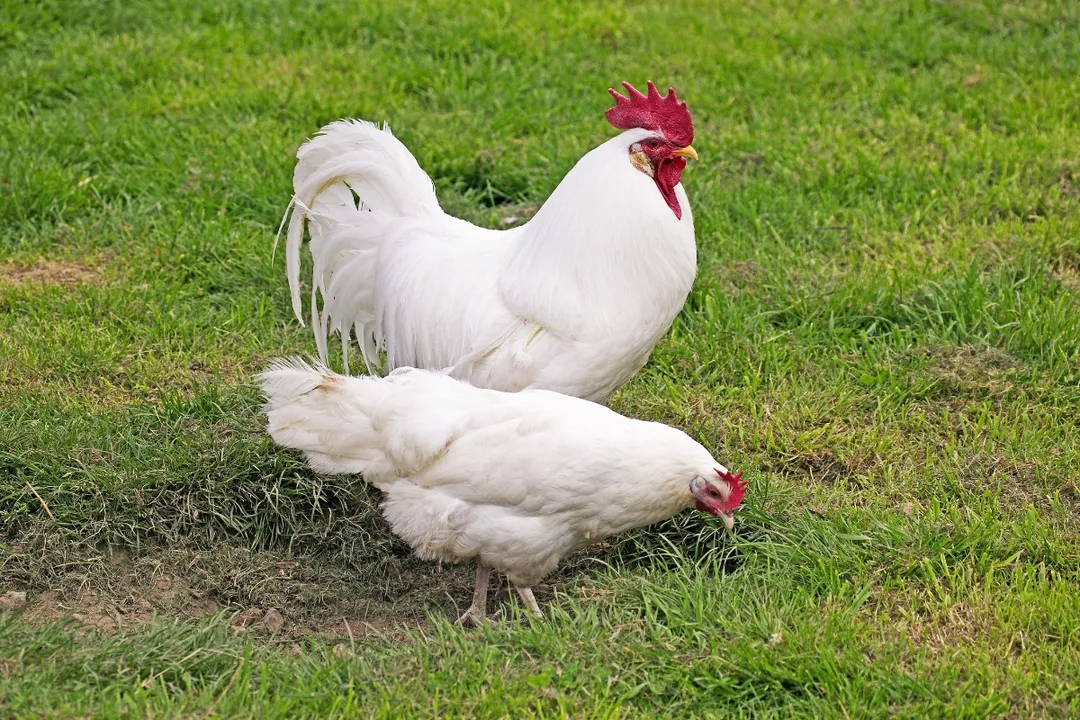
The personality of the Leghorn is frequently cited as a polarizing characteristic among poultry keepers. They are commonly characterized using terms that suggest high alertness and wariness, such as flighty, nervous, or timid. This inherent alertness, while helpful for predator detection, often manifests as skittish behavior around people, meaning they are generally not selected by keepers desiring a bird that enjoys being handled or cuddled. However, consistent, gentle handling from hatching can potentially mitigate this behavior and result in a tame companion.
#Videos
Pros and Cons of Raising LEGHORNS for EGGS on your Homestead
Leghorns: NOT the Chicken Breed for Beginners! 5 Reasons They're ...
Related Questions
What primary metric defines success for the specialist Leghorn breed?At what surprisingly early age might White Leghorns begin producing eggs?What is the typical approximate weight for a standard White Leghorn hen?How is the typical Leghorn disposition often described around human interaction?What specific physical features of the Leghorn are susceptible to frostbite in harsh winter climates?What fence height must keepers often address due to the Leghorn's tendency to fly?Which breeds are suggested alternatives if a keeper prioritizes meat or winter hardiness over pure egg volume?What husbandry issues can arise in Leghorns kept in large, dense flocks due to stress or boredom?How does the 5-pound Leghorn laying 300 eggs compare in efficiency calculation to a 7-pound Orpington laying 200 eggs?What classic characteristic is typically seen on the earlobes of Leghorns, associated with white egg layers?