What are the cons of Havapoo?

The appeal of the Havapoo, a cross between the charming Havanese and the intelligent Poodle, often centers on the hope of inheriting only the best traits from both parent breeds. While they frequently deliver on companionship and manageable shedding, prospective owners must look closely at the drawbacks inherent in this mixed heritage. Acknowledging these cons upfront is the most responsible step toward ensuring a good match, as these delightful but demanding little dogs require significant commitment in several key areas.
# Grooming Time Cost
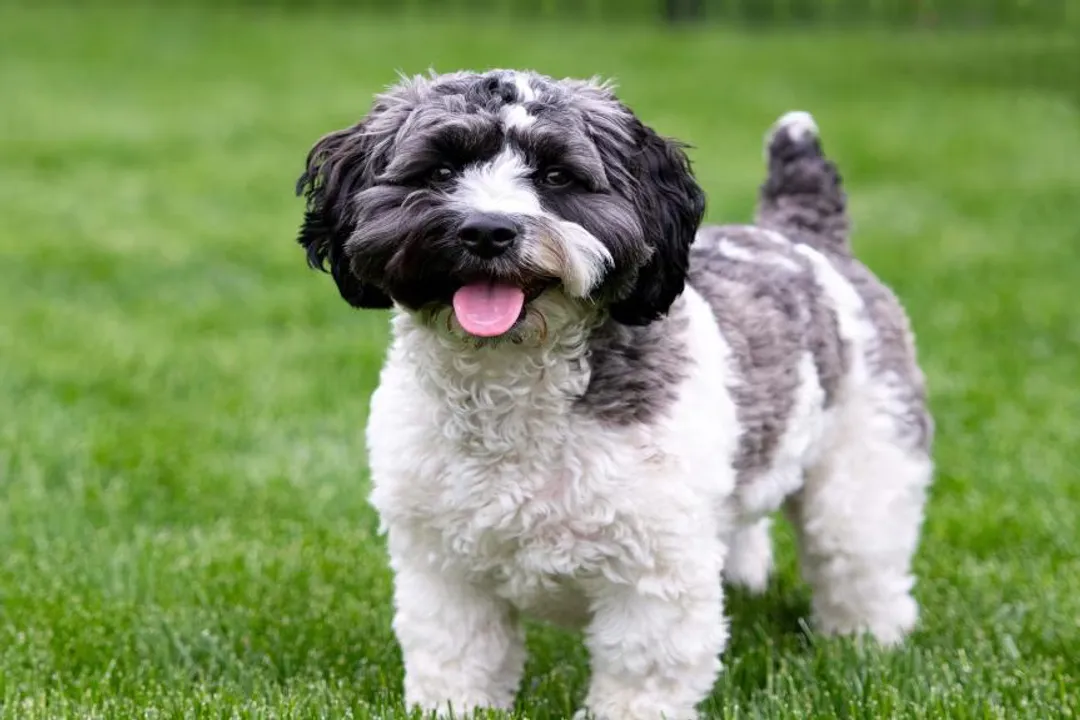
Perhaps the most consistently cited drawback of the Havapoo is the intense commitment required for coat maintenance. [3][4][8] Because both parent breeds are known for long, luxurious coats, their offspring almost always inherit fur that requires dedicated, frequent care to prevent painful matting. [3] While the low-shedding aspect is attractive for allergy sufferers, this usually translates directly into high-grooming needs. [4]
Havapoos typically need to be brushed at least a couple of times a week, if not daily, to keep the coat free from tangles. [3][4] If the Havapoo inherits the silkier, Havanese-style coat, owners may find it tangles very easily. [2] Even if they take after the Poodle with a denser, curlier coat, daily upkeep is still necessary, especially if the owner wishes to keep the coat long. [1][3] If the dog is allowed to become matted, a groomer will often have no choice but to shave the coat completely short. [1]
This leads to a significant recurring financial and time investment. Owners must budget for regular professional grooming appointments, often needing a trip to the groomer every four to six weeks, or perhaps every six to eight weeks if kept in a shorter clip. [3][4][6] For many households accustomed to simpler coats, this represents a massive shift in routine. Considering that professional grooming for a small dog can easily cost upwards of sixty to eighty dollars per session, this ongoing maintenance can easily translate to over a thousand dollars annually, just in grooming fees, not counting the daily time spent combing and bathing in between appointments. [1][6] If an owner is not prepared for this dedicated daily brushing—which can take significant time—they risk either an unhappy, painfully matted dog or a hefty, regular bill for professional clipping. [1]
# Coat Unpredictability

The desire for a designer dog often rests on the promise of a perfect blend, but the Havapoo introduces a degree of genetic lottery that many prospective owners do not fully appreciate until the puppy is home. Since the Havapoo is a cross between the Havanese and the Poodle, their final physical traits, particularly the coat, are highly variable. [4]
Owners may end up with a coat texture favoring the Poodle (dense and curly) or the Havanese (silky and straight). [4] One comparison noted that one family’s two Havapoos resulted in one having a dense, curly Poodle-like coat and the other having a longer, straight coat prone to tangles like a Havanese. [2] This unpredictability extends to size as well, with a mix involving a Toy Poodle yielding a much smaller dog than one crossed with a Standard Poodle. [4] This uncertainty means that an owner researching the low-shedding benefit of the Poodle might end up with a dog that strongly favors the high-maintenance coat of the Havanese. [1] Furthermore, some long-time Havanese enthusiasts suggest there is little point in seeking out a Havapoo when the parent breeds are already quite similar, arguing that responsible breeders rarely cross purebred lines intentionally. [1][2]

# Neediness Anxiety
Both the Havanese and the Poodle were bred for companionship, and this shared trait often manifests strongly in the Havapoo, leading to potential difficulty when they are left alone. [3] Havapoos thrive on close companionship and do not handle isolation well. [3][8] A bored, lonely dog with excess energy is susceptible to developing separation anxiety. [3][8] While some owners believe this anxiety is inherent, experienced Havanese owners suggest that most cases of separation anxiety are human-made, meaning the dog has not been properly raised or trained to tolerate brief absences. [6] If an owner works long hours outside the home and cannot provide consistent companionship or mental engagement, the Havapoo may resort to destructive behaviors or excessive barking as a coping mechanism. [3][4]
# Fragile Structure
While Havapoos are generally considered sturdy for toy breeds, their small stature (often weighing under 15 pounds) presents a physical vulnerability that must be managed. [3][4][8] This fragility is a significant consideration for families with very young children or households with larger, more boisterous dogs. [3] Interactions must be closely supervised to prevent accidental injury; a rambunctious play session or an overzealous greeting from a large dog could lead to serious harm. [3][6] One owner comparing their Havapoo to their Havanese noted the Havapoo felt like a "tiny little guy who feels breakable with bird bones," whereas the Havanese felt like a "tank". [2] This structural concern requires an owner to be constantly vigilant, ensuring the dog is protected from jumping off high furniture or taking accidental tumbles down stairs until fully mature. [6]

# Health Inheritance
Despite the concept of "hybrid vigor"—the idea that mixing breeds leads to inherently healthier dogs—Havapoos are still susceptible to health issues common in both the Havanese and Poodle lineages. [5][8] Owners must be prepared for potential care related to several inherited conditions:
- Dental Disease: Small and toy breeds, including the Havapoo, are particularly prone to periodontal disease (gum disease). [3] This often necessitates frequent home brushing (at least three times a week) and annual professional dental cleanings. [3]
- Orthopedic Issues: Patellar luxation, where the kneecap shifts, is common in smaller dogs and may require surgery if severe. [3][8] Legg-Calve-Perthes disease, which involves the deterioration of the femur head, is also noted as a risk for small breeds. [3]
- Vision and Thyroid: There is a risk of Progressive Retinal Atrophy (PRA), an eye disorder that leads to blindness. [3] Additionally, hypothyroidism (an underactive thyroid) is mentioned as a potential concern that can slow metabolism. [8]
- Ear Infections: Due to their floppy ears, Havapoos can be susceptible to ear infections, requiring routine cleaning and veterinary consultation on ear hair management. [8]
Prospective owners should factor potential health costs into their budget, as these conditions can require specialized veterinary intervention throughout the dog’s lifespan. [8]
# Vocal Tendencies
While often praised for their affectionate nature, Havapoos can inherit the Havanese tendency to be alert watchdogs, which translates into a potential for frequent barking. [3][4] They may vocalize when excited, bored, or simply seeking attention. [4] While training can help curb excessive noise, owners must be prepared that this breed may be more vocal than some other small companions. [4] When introducing a Havapoo into an apartment setting, managing this vocalization is crucial to maintaining neighborly peace. [4]
The physical maintenance, the unpredictability of the coat, and the high need for dedicated companionship form a clear set of challenges for any potential Havapoo owner. It’s essential to recognize that choosing a mixed breed means accepting traits from both sides of the family tree, often requiring higher-than-average commitment in caretaking, especially concerning coat upkeep and attentiveness.
If you find yourself unable to commit to the daily brushing regimen, it is worth noting that keeping the Havapoo in a very short "puppy cut" may lessen the daily workload, though professional trims will still be necessary every 6 to 8 weeks to maintain that short style. [6] A practical way to look at this is to calculate the annual cost of professional maintenance required just to avoid the daily combing; if you must visit the groomer every six weeks for a maintenance trim, that time spent commuting and waiting is often equivalent to or more than the time spent brushing at home, effectively doubling the perceived time commitment when factoring in travel and appointment logistics. [1] If daily attention is an issue, proactively integrating short, focused training sessions where the dog must engage with you—even just five minutes several times a day—can help satisfy their mental need for interaction without demanding hours of lap time. [4] This targeted engagement can sometimes temper separation distress before it escalates to destructive behavior. [3]
#Videos
Havanese: PROS & CONS of the breed - YouTube
Related Questions
#Citations
Havapoo Dog Breed Health and Care - PetMD
Havapoo: Your Complete Guide - Dog Academy
Experience with Havenese and Havipoos? : r/Havanese - Reddit
Is the Havanese the right pet for us? What about the Havapoo?
Everything You Need To Know About Havapoos - A Pup Above
Havanese Pros and Cons; Is this the righT breed for you?
Havanese: PROS & CONS of the breed - YouTube
Havapoos | Wag!