What are the cons of a Shiloh Shepherd?
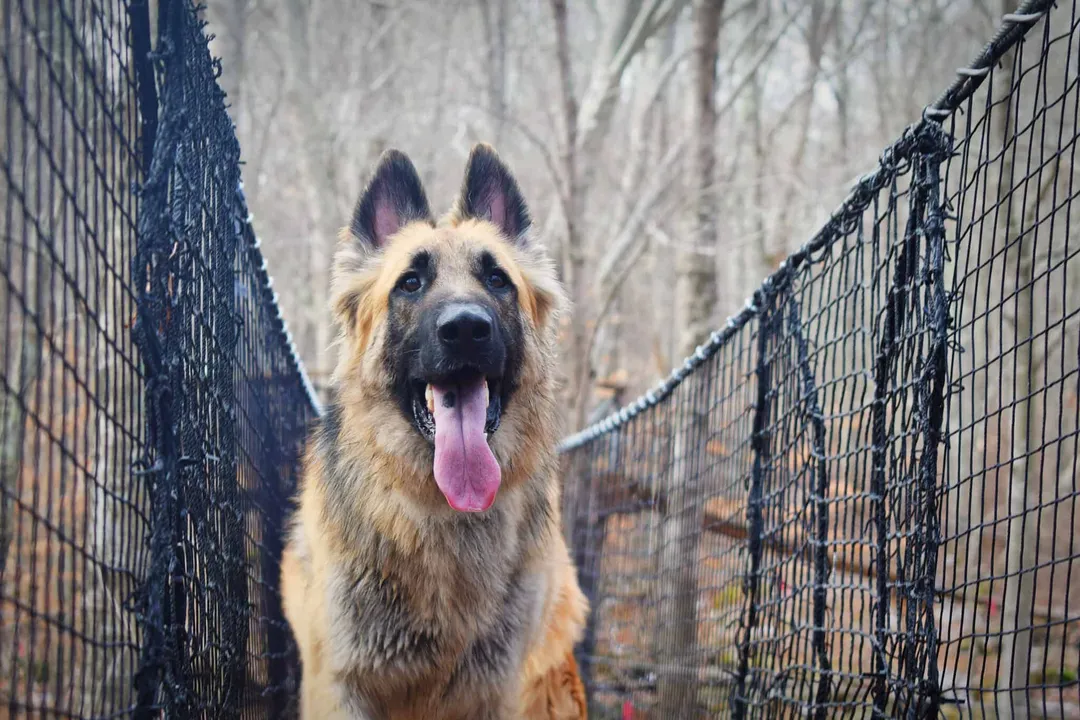
While the Shiloh Shepherd is often celebrated for its imposing yet gentle demeanor, a prospective owner must look closely at the potential drawbacks before bringing one of these giants home. Choosing any large, relatively new breed involves navigating potential challenges related to health, temperament demands, and lifestyle compatibility. Acknowledging these cons upfront is not about deterring interest, but ensuring that the commitment matches the reality of owning a dog that can easily weigh near or over 100 pounds. [5]
# Large Dog Needs
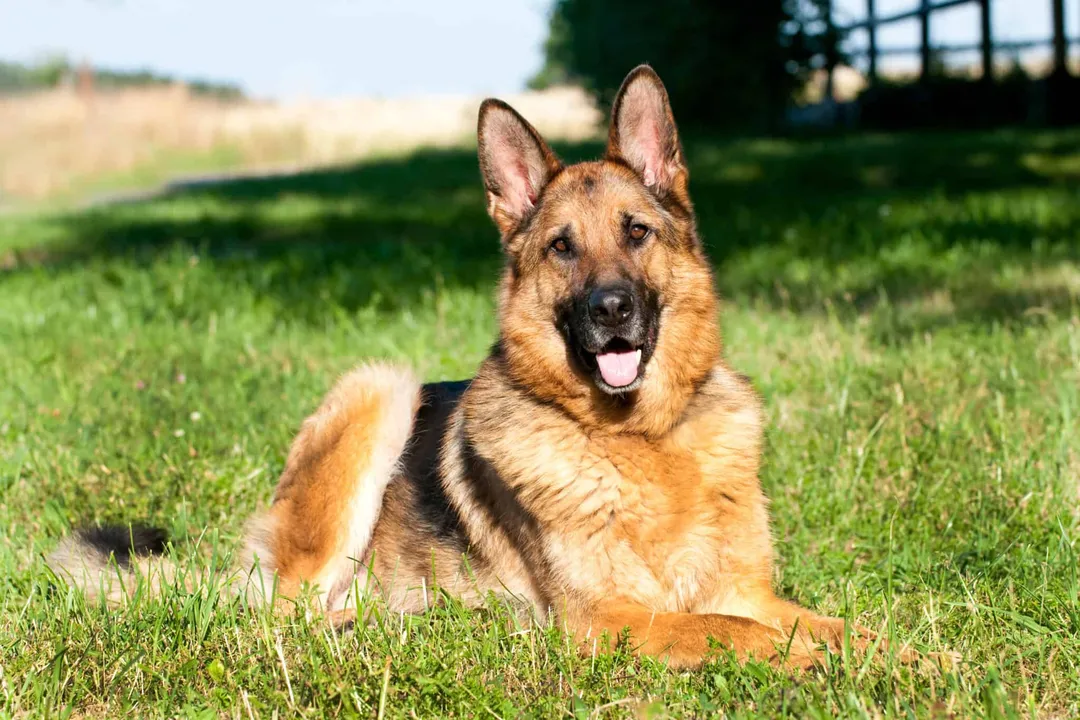
One of the most immediate considerations involves sheer physical space and the associated costs of ownership for a big dog. Shiloh Shepherds are impressive animals, sometimes reaching weights up to 100 pounds. [5] This substantial size dictates that they are generally not suited for small apartment living or homes without secure, adequately sized outdoor space. While they are devoted companions, confining such a large, energetic animal to a small footprint will almost certainly lead to frustration for both the dog and the owner. [5]
The financial commitment scales directly with size. From initial adoption or purchase from a reputable breeder—which can take time and effort due to their specialized status—to lifelong maintenance, costs are higher. Large breeds consume more food, require larger crates, and, critically, their medical costs are often magnified. For instance, administering medication is simpler with a smaller breed; dispensing joint supplements or large quantities of prescription food for a 100-pound dog represents a significant monthly expenditure. [5] Furthermore, procedures like general anesthesia or emergency surgery carry a higher price tag for a giant breed compared to a medium-sized dog. If a large dog develops chronic orthopedic issues, the long-term cost of specialized diets, physiotherapy, and necessary medications can easily exceed the budget set for a smaller companion breed. [4] Prospective owners should realistically budget not just for the average annual expenses, but for the potential extraordinary expenses associated with large-breed ailments like dysplasia.
# Health Risks
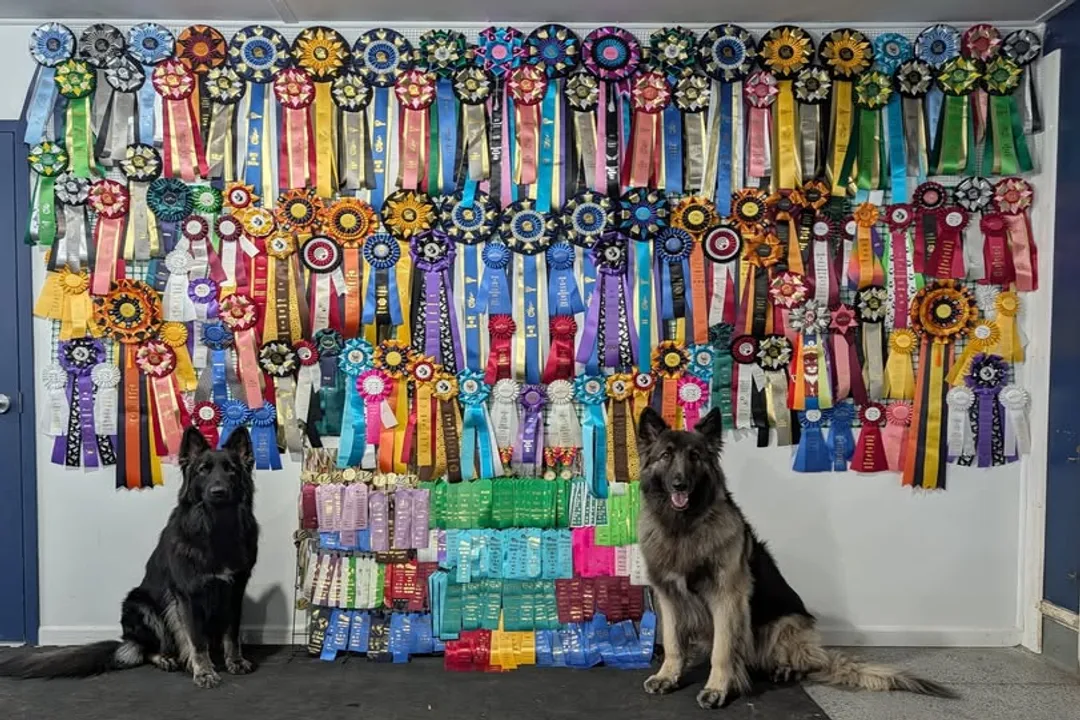
As a breed developed from the German Shepherd, the Shiloh Shepherd unfortunately inherits some of the orthopedic vulnerabilities common to that lineage. [4] The most prominent concern is hip and elbow dysplasia. These conditions involve improper formation of the joints, leading to pain, arthritis, and reduced mobility over time. [4] While responsible breeders screen their stock rigorously for these issues, the genetic potential remains, and owners must remain vigilant about weight management and appropriate exercise to protect the dog's joints throughout its life. [4]
Another serious, though less common, concern for deep-chested, large breeds like the Shiloh is Gastric Dilatation-Volvulus (GDV), commonly known as bloat. [4] This is a life-threatening condition where the stomach fills with gas and then twists. [4] It requires immediate emergency surgery and is a significant risk factor for dogs of this body type.
Beyond structural and acute life threats, there are other potential genetic disorders that reputable organizations track. These can include inherited eye diseases, which require routine screening, and the possibility of degenerative myelopathy (DM), a progressive spinal cord disease that also affects their lineage. [4] Responsible breeding programs actively test for and work to eliminate these conditions, but the responsibility remains on the owner to seek out transparent breeders who provide health clearances, as not all dogs will be entirely free from inherited predispositions. [4]
# Training Intensity

Shiloh Shepherds are highly intelligent animals. [1][5] While intelligence is often listed as a positive trait, it represents a major management challenge if not properly channeled. These dogs require significant mental stimulation—more than just a walk around the block. A bored Shiloh Shepherd is often a destructive one. [5] Their keen minds will seek out problems to solve, which might manifest as unraveling cushions, chewing baseboards, or figuring out how to open cabinets containing high-value items. [1]
This intelligence is paired with a noted sensitivity. [1] Many accounts suggest that harsh, punitive, or inconsistent training methods are ineffective and can actually cause this breed to shut down or become anxious. [1] They thrive on positive reinforcement and clear, consistent leadership. [1] If an owner is seeking a highly independent dog that can be left to figure things out on its own, the Shiloh will disappoint, potentially leading to behavioral issues stemming from confusion or frustration. [1] For someone new to dog ownership, or someone who prefers a lower-maintenance mindset, the mental load required to keep a Shiloh engaged and happy can feel overwhelming. [5] If you are not prepared to dedicate time daily to complex training sessions, scent games, or advanced obedience, their potential for misbehavior increases markedly.
# Separation Stress
The breed is often described as extremely devoted and known for forming intense bonds with their primary family members. [1] This closeness is wonderful, but it carries a significant downside: a strong predisposition toward separation anxiety. They are often labeled as "velcro dogs". [1]
When left alone for long stretches—especially if they are not already accustomed to being by themselves from puppyhood—they can become distressed. [5] This distress can lead to destructive behavior, excessive barking or howling, and accidents inside the house, even if they are fully house-trained. [5] For individuals or families where the dog will frequently be left alone for standard workdays, or who travel often, this breed may struggle immensely. They are not breeds that typically do well when relegated to an outdoor kennel or left isolated in a backyard; they need to be part of the family unit. [1] Managing this attachment requires proactive desensitization training from day one, which is another layer of commitment required above and beyond basic obedience.
# Availability Concerns
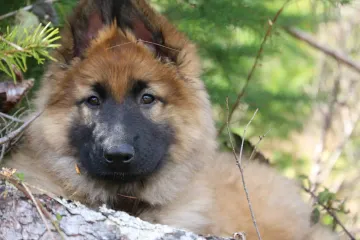
Unlike established breeds with decades of widespread registration and known quantities, the Shiloh Shepherd is a newer development, often traced back to the efforts of breeders seeking a gentle giant descended from the German Shepherd. [2] This relatively lower prevalence means that finding a puppy can be difficult. [2] Reputable breeders who prioritize health testing and temperament are often booked out months, sometimes years, in advance. This waiting period can be a disadvantage for someone wanting a dog immediately. [2]
Furthermore, because the breed is still evolving and not universally recognized by major kennel clubs, there can be a wider variation in temperament, size, and structure between different breeding lines. [3] A dog from one kennel might have a slightly different drive or energy level than a dog from another kennel, even if both claim to follow the breed standard. New owners must do extensive homework to vet the specific lineage they are considering, as standards are maintained through dedicated breed clubs rather than broad international governing bodies. [3] If someone is looking for the standardization and predictability found in an established breed, the Shiloh Shepherd might present an element of uncertainty that requires careful investigation.
# Coat Maintenance
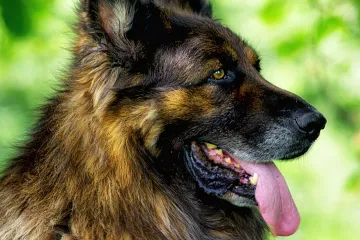
While perhaps less critical than health or temperament, the grooming requirements of a double-coated dog like the Shiloh Shepherd should not be overlooked. They shed, and they shed seasonally, often quite heavily. [5] Owning a Shiloh means accepting that dog hair will be a regular part of your environment, especially during the twice-yearly "blowouts" when they shed their undercoat. [5]
While routine maintenance involves frequent brushing to prevent matting and manage the shedding, owners must be prepared for the sheer volume of hair generated. This isn't a wash-and-wear breed; they require dedicated time with a slicker brush and undercoat rake to keep their skin healthy and the coat manageable indoors. [5] For allergy sufferers or those who prefer a consistently clean, low-shedding household, the Shiloh Shepherd coat presents a significant ongoing management issue.
# Temperament Mismatches
It is commonly reported that Shilohs are good with children when properly socialized, owing to their gentle nature. [5] However, their sheer size and energy, especially as adolescent puppies, mean they can inadvertently injure very small children through clumsy play or accidental knocking over. [5] While they are not aggressive, their enthusiasm must be tempered by supervision, especially around toddlers. A small child who trips over an overly excited, 80-pound adolescent who is merely trying to greet them can easily get hurt.
Additionally, while they are good family dogs, their protective instincts mean they need early and ongoing exposure to various people, sounds, and environments to ensure they grow into confident, well-adjusted adults rather than overly wary or nervous guardians. [1] A lack of early, positive socialization experiences can exacerbate any inherent tendency toward suspicion, leading to a dog that is difficult to manage in public settings or around unfamiliar guests. They need to learn that the world outside their immediate family is safe, which requires consistent effort from the owner. [1]
#Videos
6 Reasons You SHOULD NOT Get A Shiloh Shepherd - YouTube
Shiloh Shepherd Advantages and Disadvantag - YouTube
Related Questions
#Citations
6 Reasons You SHOULD NOT Get A Shiloh Shepherd - YouTube
Shiloh Shepherd Pros And Cons - HIGHLAND HILLS SHILOHS
r/dogs on Reddit: [BREED] Can anyone educate me about (and ...
Common Disorders - ISSA - Shiloh Shepherd
Everything you want to know about the Shiloh Shepherd - BetterPet
Frequently Asked Questions - TSSR .::. The Shiloh Shepherd Registry
Shiloh shepherds as pets and working dogs - Facebook
German Shepherd vs. Shiloh Shepherd: 8 Key Differences Explained