What are the pros and cons of owning a corgipoo?
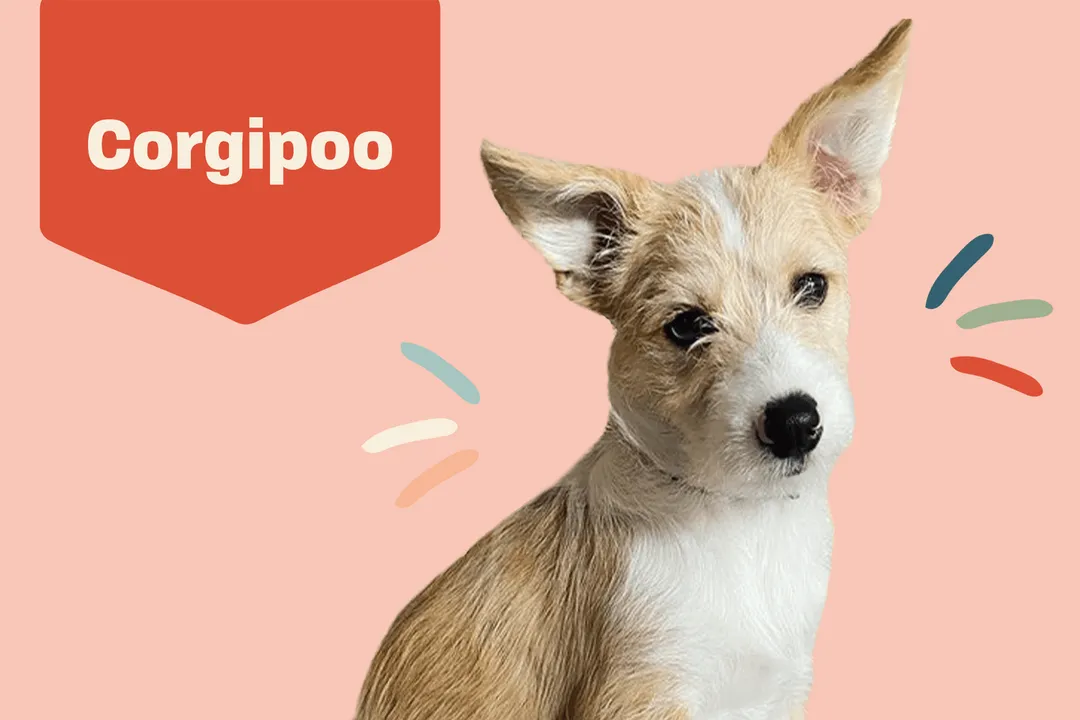
The Corgipoo, a charming cross between the sturdy Pembroke Welsh Corgi and the clever Poodle, presents an intriguing mix for prospective dog owners looking for a companion that often blends the best—or sometimes the most challenging—traits of both parent breeds. [1][5] As a designer dog, their exact look, size, and temperament can vary significantly depending on which parent's genes are dominant in the resulting litter. [3][8] Understanding the spectrum of possibilities is key to deciding if this spirited hybrid fits your lifestyle. [2]
# Size Range

Generally, the Corgipoo lands in the small to medium-sized category. [1][6] Weights typically range from about 10 pounds up to 30 pounds, reflecting the influence of the Toy, Miniature, or Standard Poodle parent. [2][5] Their height often stays relatively low, influenced by the Corgi's famously short legs. [6] This compact stature makes them quite adaptable, often fitting well into apartment living or smaller homes, provided their exercise needs are met. [1][2]
# Coat Traits

One of the most appealing aspects for many potential owners involves the coat, which is inherently unpredictable. [3] A Corgipoo’s coat can range from the Corgi’s thick, double coat to the Poodle’s tightly curled, low-shedding hair. [5] Many Corgipoos end up with a wavy or shaggy texture that sheds moderately. [8] Because they inherit traits from both sides, the shedding level is never guaranteed to be non-existent, which is a point often misrepresented about Poodle mixes. [3]
# Grooming Demands
If the coat leans toward the Poodle side, featuring curlier or denser hair, the grooming commitment skyrockets. [5] These coats require regular, often daily, brushing to prevent painful matting. [8] Owners should budget not only time but also potential expense for professional grooming every six to eight weeks to maintain coat health and hygiene. [5] Conversely, if the coat resembles the Corgi’s, it will still require consistent brushing, perhaps a few times a week, but the matting risk is slightly lower compared to the tightly curled version. [2] For those families leaning toward the Poodle influence, committing to professional clipping becomes a non-negotiable recurring cost factored into ownership, often much more intensive than the routine care needed for a purebred Corgi. [3]

# Temperament Mix

The personality of a Corgipoo is a fascinating blend of the Poodle’s high intelligence and the Corgi’s affectionate, sometimes bossy, nature. [1][5] They are frequently described as highly playful and eager to please, forming strong bonds with their human families. [2][6]
# Intelligence Factor
The Poodle lineage generally ensures a high degree of intelligence, making them quick studies in many respects. [1] However, the Corgi side can introduce a notable streak of stubbornness. [8] This combination means that while they can learn commands quickly, they might sometimes decide not to obey if they feel the command isn't worthwhile or if a more pressing, self-directed task (like monitoring the yard) takes precedence. [6] This intellectual spark means they require mental stimulation just as much as physical activity to prevent boredom-induced mischief. [2]
# Vocal Tendencies
Both parent breeds are alert dogs, and the Corgipoo frequently inherits this trait, often making them excellent watchdogs. [5] They are quick to bark or vocalize when they detect something unusual, which is a definite pro for home security. [1] However, this can quickly become a con in close-quarters living situations, such as apartments or townhomes, requiring dedicated early training to manage excessive barking. [8]
# Exercise Needs
Despite their smaller stature, Corgipoos are not low-energy dogs; they require consistent physical activity to remain happy and well-behaved. [3][6] They often possess a moderate to high energy level. [1] Daily walks, engaging play sessions, and opportunities to run in a securely fenced area are important. [2] Owners who lead active lifestyles or enjoy hiking might find this breed a wonderful companion. [6] If their exercise requirements are neglected, pent-up energy often manifests as destructive chewing or excessive barking. [8]
# Herding Instincts
A critical behavioral aspect to consider stems directly from the Corgi heritage: herding instincts. [5] These dogs were bred to move livestock, often by nipping at the heels of stragglers. [1] In a home environment, this can translate into nipping at the heels of running children or even adult ankles. [5] If a Corgipoo strongly favors this genetic influence, proactively teaching them acceptable outlets for this natural drive—perhaps through dedicated fetch sessions or involving them in structured, low-impact dog sports—becomes an essential early training goal. Redirecting this instinct into positive channels ensures better harmony within a busy household. [1][3]
# Health Concerns
Like all purebreds and designer crosses, Corgipoos are susceptible to certain health predispositions inherited from their parent breeds. [6] Responsible breeders screen for these issues, but potential owners must be aware of the risks. [5]
Common concerns linked to the Corgi side include hip and elbow dysplasia and various eye conditions. [1][6] From the Poodle side, issues like progressive retinal atrophy (PRA) and certain endocrine disorders can sometimes surface. [1][5] Furthermore, because of the Corgi’s long back and short legs, owners must be vigilant about preventing activities that strain the spine, such as jumping off high furniture, regardless of the Poodle genetics introduced. [3][6]
# Training and Socialization
The combination of high intelligence and potential stubbornness creates a training scenario that demands consistency and a positive approach. [8] They respond well to positive reinforcement techniques, such as praise and treats, which appeal to their desire to please. [2][6]
# Socialization Importance
Early and thorough socialization is crucial for this breed. [8] Exposure to a variety of sights, sounds, people, and other well-behaved dogs during their formative puppy weeks helps temper any inherent wariness or bossiness. [5] A well-socialized Corgipoo matures into a confident, friendly companion, whereas one that is insufficiently exposed might become timid or overly protective. [2]
# Suitability for Owners
The ideal Corgipoo owner is someone who values interaction and is prepared to engage actively with their pet, rather than just providing a dog bed and food dish. [1] They thrive on being part of the family activity. [6]
They are generally not recommended for first-time owners who lack experience in managing stubborn or highly intelligent breeds, though their small size might initially mislead novice owners into thinking they are "easy" dogs. [3][8] A dedicated owner who understands the need for firm, kind, and consistent training, coupled with a willingness to manage their grooming needs, will find the Corgipoo to be an exceptionally loyal and entertaining companion. [2][5] Their tendency toward separation anxiety means they do not do well if left alone for extremely long periods daily, favoring homes where someone is often present. [1]
| Trait Category | Potential Positive | Potential Negative |
|---|---|---|
| Size | Adaptable to apartment living [1] | Small stature doesn't mean low energy [3] |
| Coat | Potential for low shedding [5] | High risk of severe matting if wavy/curly [8] |
| Temperament | Highly intelligent and affectionate [1][2] | Can inherit Corgi stubbornness and bossiness [6] |
| Behavior | Excellent watchdogs [5] | Prone to excessive barking [8] |
| Health | Generally sturdy mixes | Spine risk (Corgi legs) and inherited issues [1][6] |
When considering the long-term cost of ownership, it is helpful to compare the annual investment. A family budgeting for standard vet care and moderate food costs might find their spending significantly skewed by high-maintenance coat care if they receive a curlier coat type. For example, assuming professional grooming costs $75-$120 every six weeks for a moderate-sized dog, that adds 1,040 annually, on top of standard supplies, which must be planned for just to maintain their coat health. [3][5] This financial reality should be weighed against the pleasure of owning a lower-maintenance, shorter-haired Corgipoo, which might only require better quality brushes and less professional intervention. [2]
# Life Expectancy
The Corgipoo typically enjoys a good lifespan, often ranging between 10 to 15 years. [6] This relatively long life expectancy means prospective owners are committing to a decade or more of active pet ownership, requiring stable future planning regarding their dog’s care and well-being. [1][5] Prioritizing routine veterinary check-ups, especially focusing on those orthopedic and eye screenings common to the parent breeds, supports reaching the higher end of this longevity range. [6]
Related Questions
#Citations
Corgipoo Dog Breed Facts & Information - Rover.com
Corgipoo: Characteristics & Care | Wag!
Corgipoo Dog Breed Information and Characteristics - Daily Paws
Corgipoo: Is This the Right Dog for Your Lifestyle? - Adopt a Pet
Corgipoo Dog Breed Health, Grooming, Feeding ... - PetGuide
Corgipoo: Dog Breed Information and Characteristics - DogTime
What are the pros and cons of owning a corgi? - Facebook
Corgipoo (Corgi Poodle Mix) Dog Breed: Info, Pictures, Care & More
Corgipoo: Corgi Poodle Mix Dog Breed Information Guide for 2024