What are the cons of Goldadors?

The undeniable appeal of the Goldador—that friendly, energetic mix of the Labrador Retriever and the Golden Retriever—is easy to see. They are bred for companionship, often excelling as service or therapy animals due to their intelligence and desire to please. [5][7] However, welcoming one of these popular designer dogs into your life requires looking past the charming surface and acknowledging the potential drawbacks that come with blending two powerhouse breeds. Owning a Goldador isn't a guaranteed smooth sail; it comes with specific demands in terms of health screening, maintenance, and commitment.
# Trait Unpredictability

Because the Goldador is a crossbreed, it is not an established breed recognized by major kennel clubs. [3][6] This immediately introduces a level of uncertainty that purebred enthusiasts sometimes avoid. While the temperament of the parent breeds—Labrador and Golden Retriever—is similar, leading to a generally predictable, friendly nature, [4][7] the physical and behavioral traits are not guaranteed to be an even split. [1][7]
You might end up with a dog that is overwhelmingly Labrador in coat and energy, or one that leans heavily toward the Golden Retriever side with a longer, wavier coat. [1][7] Size is another variable. While most sources cite a weight range of 55 to 80 pounds, [6] reports from owners indicate some individuals can grow larger, reaching 85 or even 95 pounds, which demands more consideration for smaller living spaces. [7] For someone expecting a very specific size or coat type, this inherent genetic lottery can be a significant con.
# Joint Vulnerabilities

The health profile of the Goldador is heavily influenced by the common orthopedic issues found in both parent breeds, namely hip and elbow dysplasia. [1][4][8] Hip dysplasia occurs when the thighbone doesn't fit correctly into the hip socket, leading to pain and mobility issues later in life. [1][4][8] Elbow dysplasia is also a concern, stemming from different growth rates in the bones that form the elbow joint. [1][4]
While hybrid vigor suggests a lower risk due to a broader gene pool compared to inbred purebreds, the risk is certainly not eliminated. [6] If a breeder fails to conduct thorough Orthopedic Foundation for Animals (OFA) evaluations on both parents, you are essentially rolling the dice on these significant, potentially painful, and costly conditions. [3][7] A responsible owner must budget for potential future joint care or surgery. [1]

# Systemic Concerns
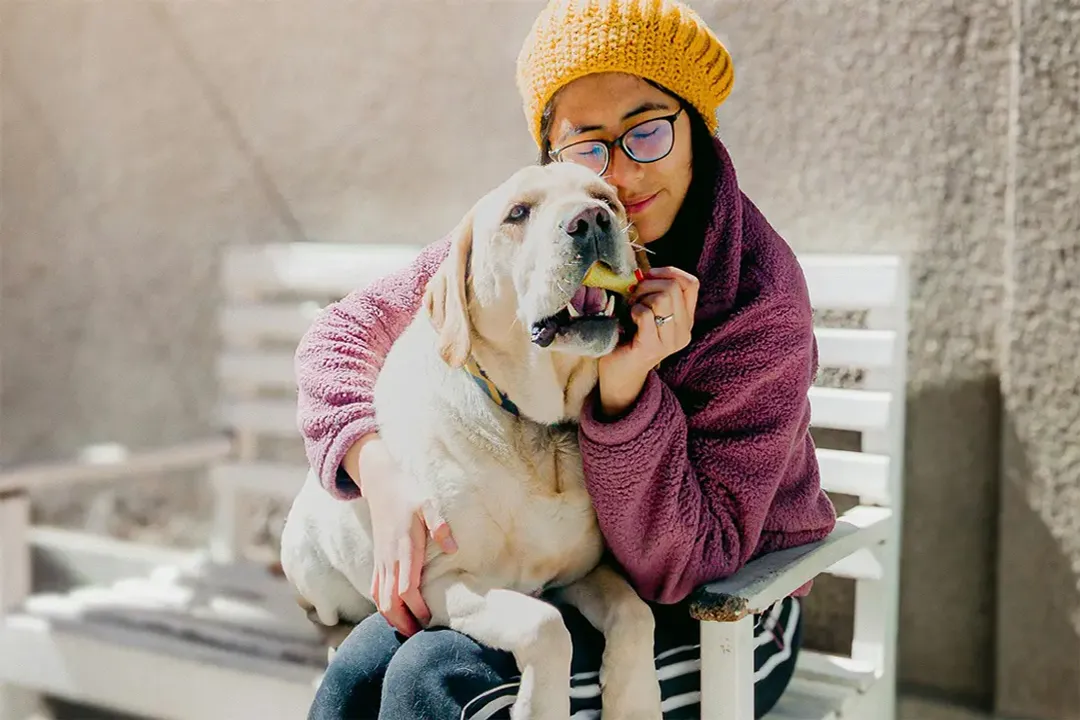
Beyond the joints, the health slate inherited from the parents includes several other serious conditions that prospective owners must prepare for. Eye problems are a notable concern, as Goldadors can be prone to Progressive Retinal Atrophy (PRA), a degenerative condition that leads to blindness, as well as cataracts. [1][4][8] Regular ophthalmological exams are vital to catch these issues early. [7]
Other internal risks include diabetes mellitus, which requires diet management and insulin injections if developed, [1][4] and hypothyroidism. [5] Furthermore, both parents carry risks for heart conditions, such as subvalvular aortic stenosis. [6] Even the widely known cancer risk prevalent in Golden Retrievers can still manifest in the mix, despite the dilution effect sometimes hoped for in designer breeds. [7] If you opt for a chocolate-colored Goldador, be aware that chocolate Labradors are sometimes associated with a higher incidence of ear and skin infections, which could be passed on. [7]
# Coat Management
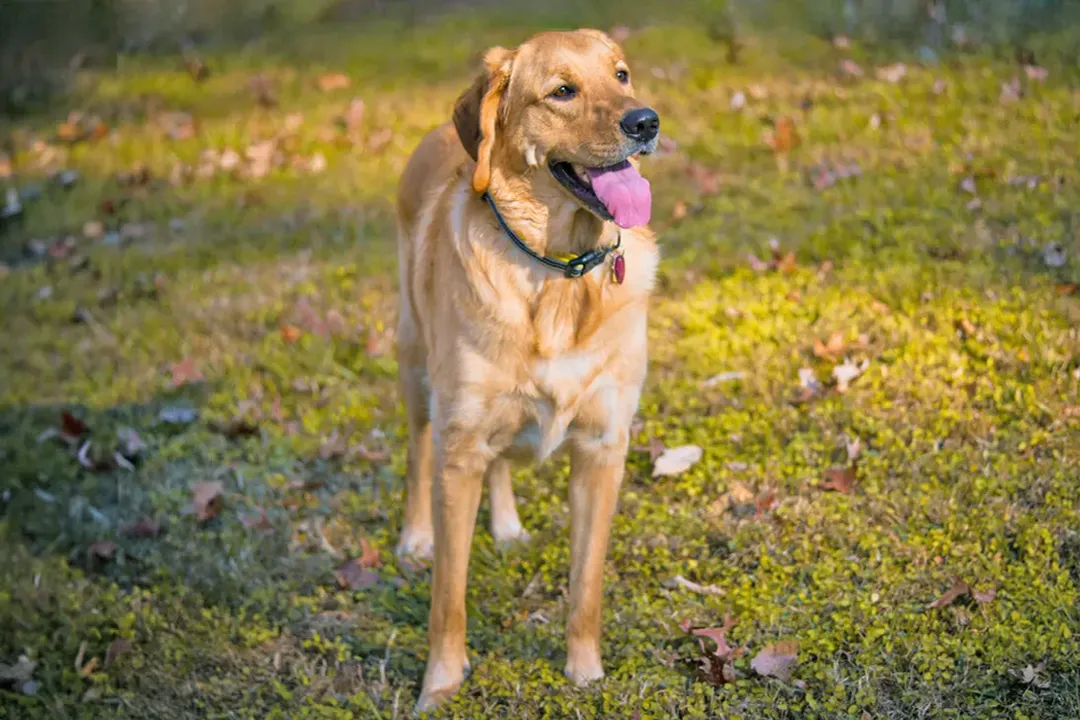
If you are seeking a low-shedding companion, the Goldador is a definite mismatch. Both parent breeds are heavy shedders, meaning the Goldador inherits a dense, water-resistant double coat that sheds year-round. [1][4][6] This shedding intensifies during seasonal "blowouts" in the spring and fall. [1][4][6]
The level of effort required for grooming varies depending on genetics. A dog inheriting the Labrador’s shorter coat requires brushing a couple of times a week. [4] If the longer, wavier Golden Retriever coat dominates, you may be looking at brushing three to four times per week, or even daily during peak shedding season, to prevent matting. [1][4] This high level of loose hair is why Goldadors are definitively not hypoallergenic, posing a real problem for allergy sufferers. [4][6] Regular cleaning of ears (about weekly) and consistent nail and teeth care also adds to the required maintenance time. [4][7]

# Energy and Space Needs
The Goldador possesses the high energy drive of two sporting breeds. [4][5] They require substantial daily output, typically needing between 30 minutes and two hours of vigorous activity like swimming, hiking, or dedicated play sessions. [4][5][8]
This high energy level translates directly into a potential behavioral issue: boredom. A Goldador that does not receive adequate physical exercise and mental stimulation quickly becomes an unruly dog. [5] Unspent energy can manifest as destructive tendencies, such as excessive chewing or digging. [4][7] If your home environment is a small apartment, this becomes a major drawback unless you are highly disciplined about daily trips to a park or dedicated exercise time. [1][4] This necessity for constant engagement means owners must realistically assess their free time; an inactive or bored Goldador can easily regress, turning their inherent eagerness to please into an eagerness to destroy.
# Social Requirements and Isolation
The flip side of their affectionate, people-oriented nature is a distinct intolerance for solitude. [1] Like both parent breeds, Goldadors form deep bonds with their families and thrive on companionship. [1][5] They are not dogs suited for being left alone for typical full workdays. Sources suggest they should ideally not be left solo for more than four to six hours. [1]
Prolonged isolation leads directly to separation anxiety, which can trigger those destructive behaviors mentioned earlier, such as chewing and digging. [1] This need for consistent social interaction makes them a poor fit for households where the dog will be frequently alone for long stretches. They are companions first, and while they are gentle and generally good with other pets and children, [6] they are poor guard dogs because they tend to view everyone as a friend. [4][5]
# The Breeder Concern
A major underlying issue when considering this mix relates to sourcing. Because they are not a standardized breed, there are no official breed clubs or registries overseeing their creation. [3] This vacuum allows many people to breed them without adhering to the rigorous health testing and ethical standards applied to purebred lines. [3]
The Reddit discussion thread highlights this pointedly: anyone mixing two popular breeds just to create a "designer dog" may not be conducting the necessary OFA evaluations for hips, elbows, or specific genetic tests required for the parent breeds. [3] Consumers must actively verify that the breeder provides registration numbers allowing independent checks on the parents’ health clearances. If a breeder markets an "oops litter" or cannot provide proof of testing for both parents, the risk of inheriting the aforementioned health conditions drastically increases. [3][7]
# Practical Ownership Analysis
For potential new owners, understanding the Goldador’s needs requires a clear assessment of lifestyle compatibility. The sheer energy and need for engagement mean that while they are often touted as suitable for first-time owners because they are highly trainable, [4] this trainability is conditional. They learn good habits quickly, but they also learn bad ones just as fast. [5] A lack of early, consistent training and socialization means their puppy boisterousness can translate into issues with jumping or mouthiness in a large adult dog. [4][5]
| Commitment Factor | Goldador Requirement | Owner Risk if Ignored |
|---|---|---|
| Exercise | 1–2+ hours daily; love of water/adventure [5][7] | Destructiveness, restlessness [4][7] |
| Socialization | Early and constant exposure [8] | Anxiety, fearfulness [8] |
| Grooming | Brushing 2–4 times weekly; managing heavy shedding [4][6] | Matting, excessive household hair |
| Time Alone | Max 4–6 hours [1] | Boredom, chewing, digging [1][7] |
If a prospective owner were to calculate the true cost, they must factor in not just the initial purchase price (which can range from 2,500 from a breeder) but also the lifetime cost, which is estimated around $30,000 over 12 years, including potential emergency vet bills for things like joint issues or bloat [4][6].
One analytical tip for managing the high energy and risk of obesity is to integrate food puzzles into their daily feeding routine. Since they are often described as "foodies", [5] using a Kong or similar interactive feeder for part of their daily ration of high-protein kibble not only slows eating—which can help prevent bloat—but also doubles as required mental stimulation, killing two birds with one stone when exercise time is limited by weather or schedule [5][8].
Ultimately, while the Goldador is celebrated for its loving heart, prospective owners face drawbacks related to the lack of genetic uniformity, high physical and social demands, and the critical need to vet breeders thoroughly to mitigate significant inherited health risks. If these factors are manageable, the companionship can be unparalleled, but overlooking any of these cons guarantees a challenging fit.
#Videos
Goldador Pros And Cons | The Good And The Bad - YouTube
Related Questions
#Citations
Are Goldadors a healthy breed? : r/dogs - Reddit
Goldador Pros And Cons | The Good And The Bad - YouTube
Goldador Dog Breed Complete Guide - A-Z Animals
Goldador Dog - A Complete Guide To The Golden Retriever Lab Mix
Goldador Dog Breed Information | Purina
Is a Goldador Right for You? - Adopt a Pet
Goldador Dog Breed Information & Characteristics - DogTime
Goldador Doodles 101: An Intro To The Goldador Poodle Mix
Caring for Your Goldador: Key Health Concerns and Solutions