What are the pros and cons of owning a dalmadoodle?
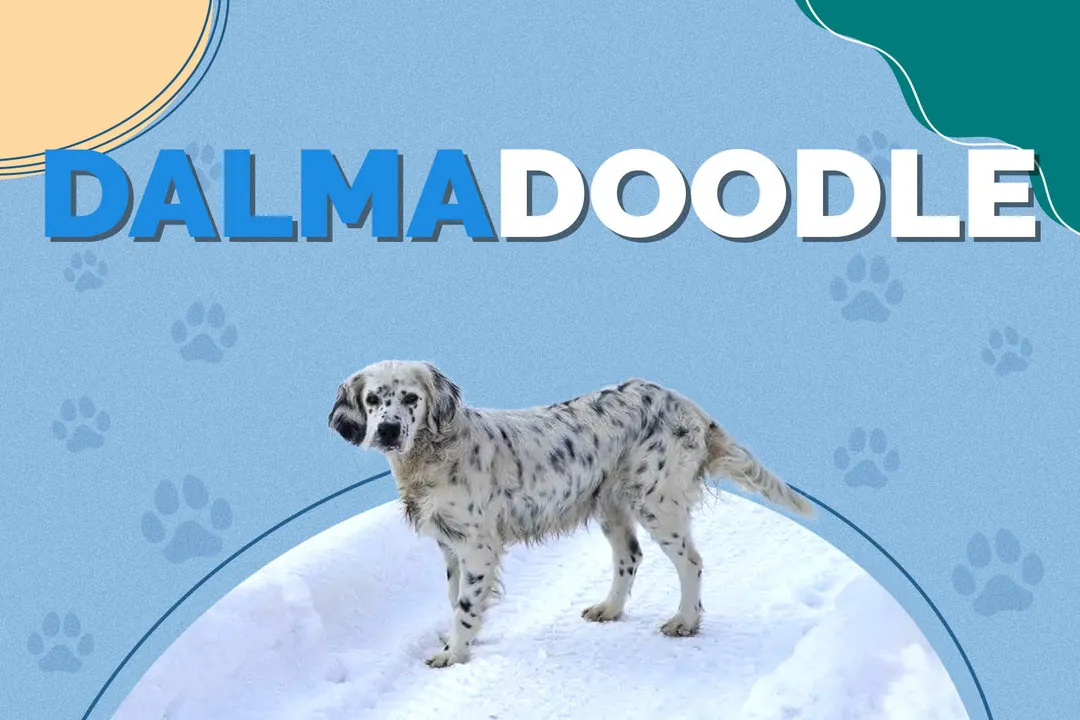
Deciding on a companion animal often means weighing the known variables of established breeds against the charming unknowns of a designer cross, and the Dalmadoodle certainly fits into that second category. This mix, typically pairing the spirited Dalmatian with the intelligent Poodle, presents a unique set of characteristics that owners need to fully appreciate before committing to the arrangement. Understanding this dog means looking past the adorable name and assessing the genetic lottery involved in their temperament, maintenance needs, and energy levels.
# Temperament Blend
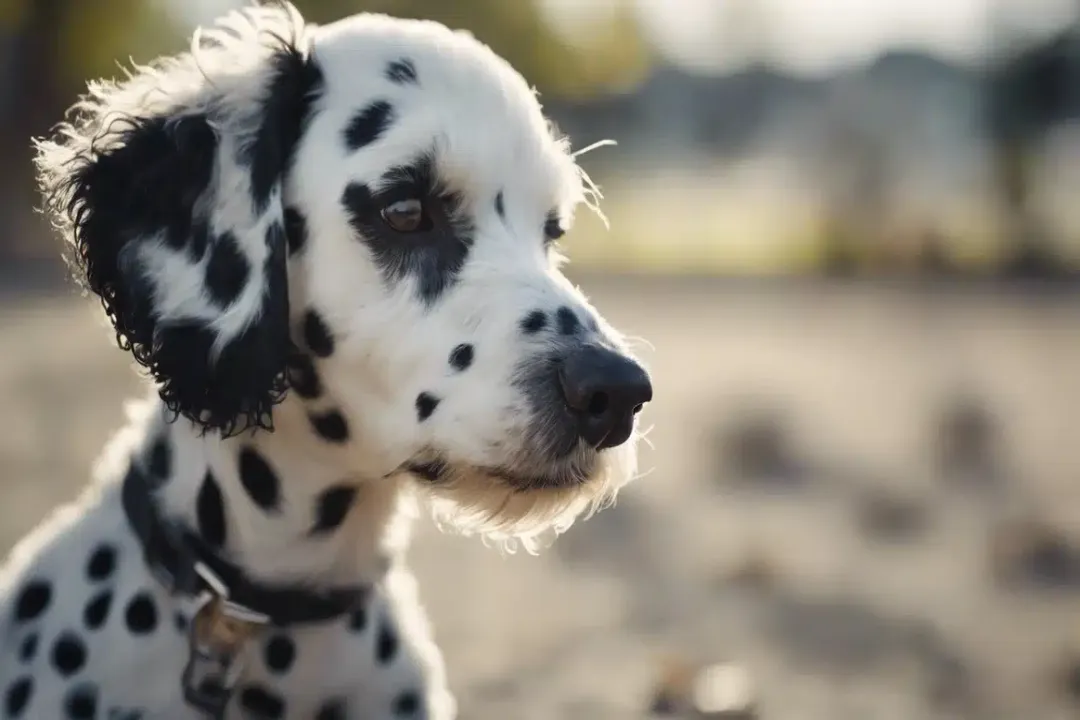
The personality of a Dalmadoodle is one of the most varied aspects of owning one, as it depends heavily on which parent breed’s traits surface more strongly. From the Poodle side, these dogs inherit significant intelligence and trainability. They are often described as alert, affectionate, and good-natured companions. However, the Dalmatian lineage brings a strong need for engagement and a tendency towards high activity. They generally thrive when they are part of family activities, often forming deep bonds with their immediate human pack.
A potential drawback in temperament can arise if the dog leans heavily toward the Dalmatian’s need for constant stimulation or the Poodle’s occasional sensitivity. They are not a breed that typically handles being left alone for long periods well; prolonged isolation can often result in boredom manifesting as undesirable behaviors, such as excessive barking or chewing. For families expecting a quiet lapdog, this active, intelligent, and sometimes demanding nature might come as a surprise. They possess an eagerness to please, which is a major advantage in training, provided the owner is consistent.
# Coat Commitment
Perhaps the most frequently discussed feature of any Poodle mix is the coat, and the Dalmadoodle is no exception. The primary appeal for many prospective owners lies in the promise of a low-shedding coat, inherited from the Poodle parent. This attribute makes them an attractive option for individuals who suffer from mild pet allergies. However, it is vital to recognize that no dog cross is ever guaranteed to be completely hypoallergenic, and coat results can vary dramatically between individuals in the same litter.
The upside of low shedding is counterbalanced by a significant grooming requirement. Whether they inherit the tightly curled Poodle coat or a wavier cross, these dogs require diligent, regular maintenance. If the coat is kept long, daily brushing is often necessary to prevent painful matting from setting in. Ignoring this routine can quickly lead to severe discomfort for the dog and potentially require expensive shaving down by a professional groomer.
If a household is trying to budget for pet care, it helps to quantify this time commitment. Assuming a diligent owner brushes their Dalmadoodle for just 20 minutes every day to stay ahead of tangles, that amounts to nearly two and a half hours of focused grooming time every week just to maintain the coat between professional trims. This necessary time investment must be factored in alongside playtime and training sessions, as it is non-negotiable for their comfort.

# Energy Levels
When assessing the pros and cons, the energy requirement of the Dalmadoodle often sits firmly on the con side for less active families. Both the Dalmatian and the Poodle were bred for jobs requiring significant stamina and mental focus—spotted dogs for coaching and stamina, and Poodles as water retrievers. This results in a designer dog that is inherently energetic and requires substantial daily exercise to remain physically and mentally satisfied.
A quick walk around the block will likely not suffice for this breed mix. They benefit greatly from activities that engage their minds alongside their bodies, such as structured obedience practice, agility work, or extended periods of vigorous play, like fetch. An under-exercised Dalmadoodle can quickly become restless, which contributes to the behavioral issues mentioned previously, such as chewing or excessive vocalization. Their suitability depends on matching their drive with the owner's lifestyle, whether that involves jogging, hiking, or dedicating significant daily time to structured, mentally engaging play sessions.
# Health Outlook
Like all mixed breeds, Dalmadoodles are often said to benefit from hybrid vigor, meaning the mixing of two distinct gene pools can potentially reduce the incidence of hereditary diseases common in purebred lines. However, owners must approach this with caution, as they are susceptible to the issues present in both parent breeds.
From the Dalmatian side, there is a known predisposition to hereditary deafness, which is a critical health factor for breeders to test for in their stock. Other concerns inherited from either parent can include hip and elbow dysplasia, and various eye conditions. Responsible breeders will conduct extensive health screenings on the parent dogs—including hip evaluations and eye certifications—to minimize these risks in the puppies they produce.
The variability in size, depending on whether a Miniature, Toy, or Standard Poodle was used, also impacts potential health concerns. Larger mixes might have more stress on their joints, while smaller ones may be more prone to luxating patellas.
When considering the health profile, it’s useful to view the hybrid nature as a trade-off. While hybrid vigor offers a theoretical buffer against purebred genetic bottlenecks, it does not eliminate risk entirely. The real proactive benefit comes not just from mixing the genes, but from the responsible breeding practices utilized to create the mix, specifically ensuring that health testing for the known risks in both Doodles and Dalmatians has been rigorously completed on the parents.
# Training Structure
The high intelligence inherited from the Poodle suggests that Dalmadoodles are quick learners. This is a pro because training sessions can be productive and engaging. The con, which is common to all bright dogs, is that they are equally adept at learning undesired behaviors if the training approach is inconsistent or unclear.
Early and continuous socialization is crucial. Because the Dalmatian can sometimes exhibit a reserved nature with strangers, and the Poodle is highly attuned to its family unit, early exposure to a wide variety of sights, sounds, people, and other well-behaved animals helps ensure a well-adjusted adult dog. They respond best to positive reinforcement methods that reward good choices, rather than harsh corrections. Their quick understanding means they quickly catch on to what works, making consistency the most important tool in the owner’s belt.
# Sizing and Living Space
The physical size of a Dalmadoodle is highly variable, making it important to know which Poodle size was used in the cross. They can range from smaller companions derived from a Miniature or Toy Poodle to larger dogs resulting from a Standard Poodle pairing. This flexibility means a Dalmadoodle can potentially fit into various living situations, from apartments to houses with yards, provided their high exercise needs are met.
However, regardless of height, these are not sedentary dogs. Even a smaller version requires adequate mental engagement and physical activity. While a smaller individual might manage apartment life better than a large one, neither should be expected to thrive solely on indoor activity. A secure yard is always an advantage, primarily as a safe place for supervised play and potty breaks, but it is not a substitute for direct human interaction and structured exercise.
# Potential Challenges
Beyond the specifics of coat care and energy output, potential owners must acknowledge a few other realities that might count as cons. They can be prone to separation anxiety if not managed correctly from puppyhood, given their desire to be near their families. Furthermore, they often have a strong desire to be vocal—a combination of alert barking from the Dalmatian and the attentiveness of the Poodle—which can be an issue in close-quarter living situations.
Another factor to consider is the purchasing decision itself. As a desirable crossbreed, finding a reputable breeder who prioritizes health testing and temperament screening is essential, as opposed to a puppy mill capitalizing on popularity. The initial investment for a well-bred puppy can be substantial, and this cost must be balanced against the ongoing expenses of high-quality food, regular professional grooming, and necessary veterinary care for a potentially long-lived dog.
In summary, the Dalmadoodle offers the benefits of high intelligence, loyalty, and potentially low shedding. The cons center on the intensive grooming schedule, significant exercise demands, and the inherent unpredictability of a mixed breed's final characteristics. They are best suited for active individuals or families who are committed to daily training, regular brushing, and providing abundant mental stimulation.
Related Questions
#Citations
Dalmadoodle Dog Breed Complete Guide - A-Z Animals
Dalmadoodle Dog Breed Health, Temperament, Training ... - PetGuide
Dalmadoodle (Dalmatian Poodle Mix): Info, Pictures, Care & More
Dalmadoodle | Dog Breed Facts and Information - Wag! Dog Walking
Dalmation+Laberdoodle : r/dogs - Reddit
Dalmadoodle (Dalmatian & Poodle Mix): Info, Pictures ... - Hepper
Dalmatian | Temperament, Lifespan & History - Pooch & Mutt
Dalmadoodle - Sidewalk Dog
Dalmadoodle Facts & Common Questions Fun Facts ... - Facebook