Do ibex have fur or hair?
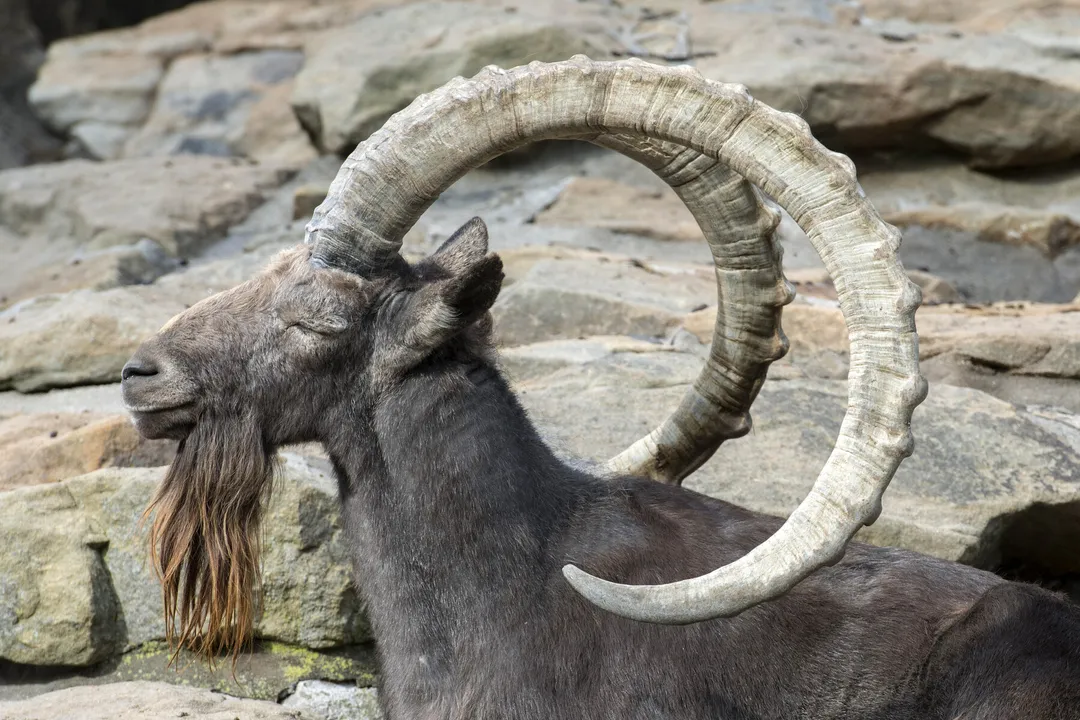
The covering of an ibex is a marvel of high-altitude engineering, perfectly suited for the dramatic temperature swings inherent to its rugged, mountainous home. When considering whether these animals are covered in fur or hair, it helps to understand that, biologically speaking, the distinction is often one of perception and density rather than fundamental material. What we observe on an ibex, whether it is the sleek summer coat or the thick winter insulation, is fundamentally composed of hair, forming what biologists refer to as the pelage. [5][8] The variation in appearance comes from the structure and density of this hair depending on the season and the specific species of ibex.
# Coat Structure
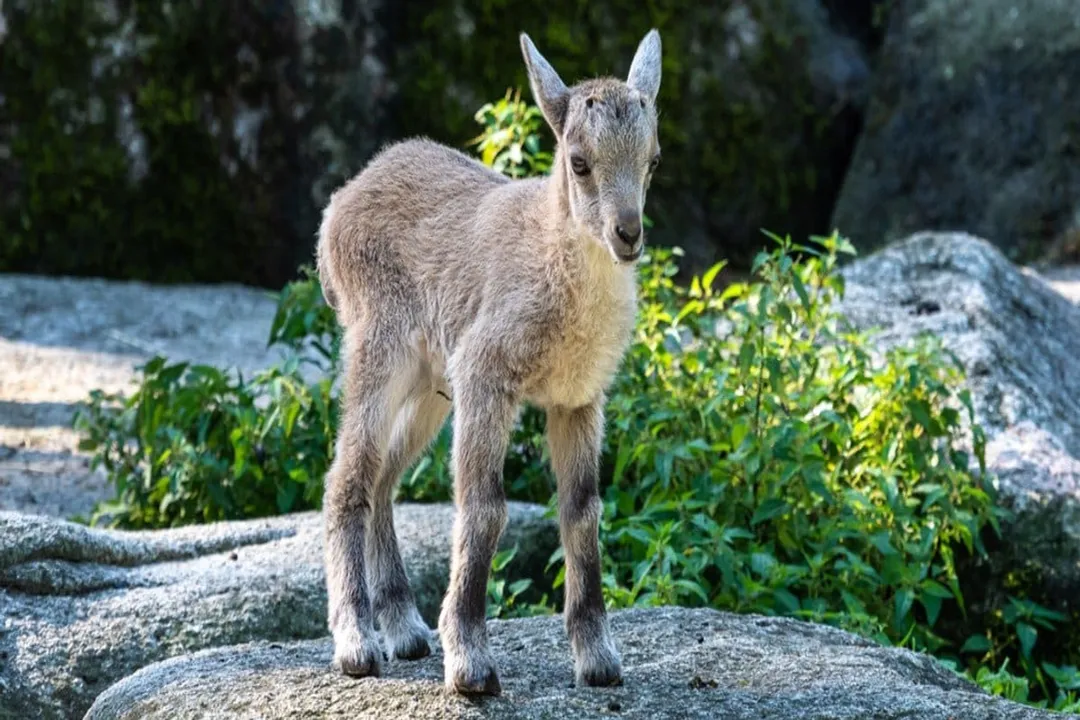
Ibex are members of the Capra genus, closely related to domestic goats, and share the general mammalian trait of having a protective coat of hair. [2][5] This pelage serves essential functions: insulation, camouflage, and protection from the elements like sun, wind, and precipitation. [6]
A typical ibex coat features two main components, particularly noticeable during the colder months: the guard hairs and the undercoat. [7] The guard hairs are the longer, coarser outer layer. These provide the primary defense against snow, rain, and wind, helping to shed moisture and prevent deep cold from penetrating to the skin. [5] Beneath this protective shield lies the dense undercoat, composed of shorter, softer, and much finer hairs. This undercoat traps air close to the body, creating an insulating layer that is crucial for maintaining core body temperature when temperatures plummet in the high peaks. [7]
The overall texture and appearance change drastically between seasons. For instance, the Siberian Ibex, found in colder northern ranges, possesses a very dense winter coat. [7] In contrast, the Bezoar Ibex, residing in generally warmer, drier regions of Turkey and the Caucasus, maintains a less extreme variation, though still adapting to seasonal shifts. [9]
# Seasonal Change
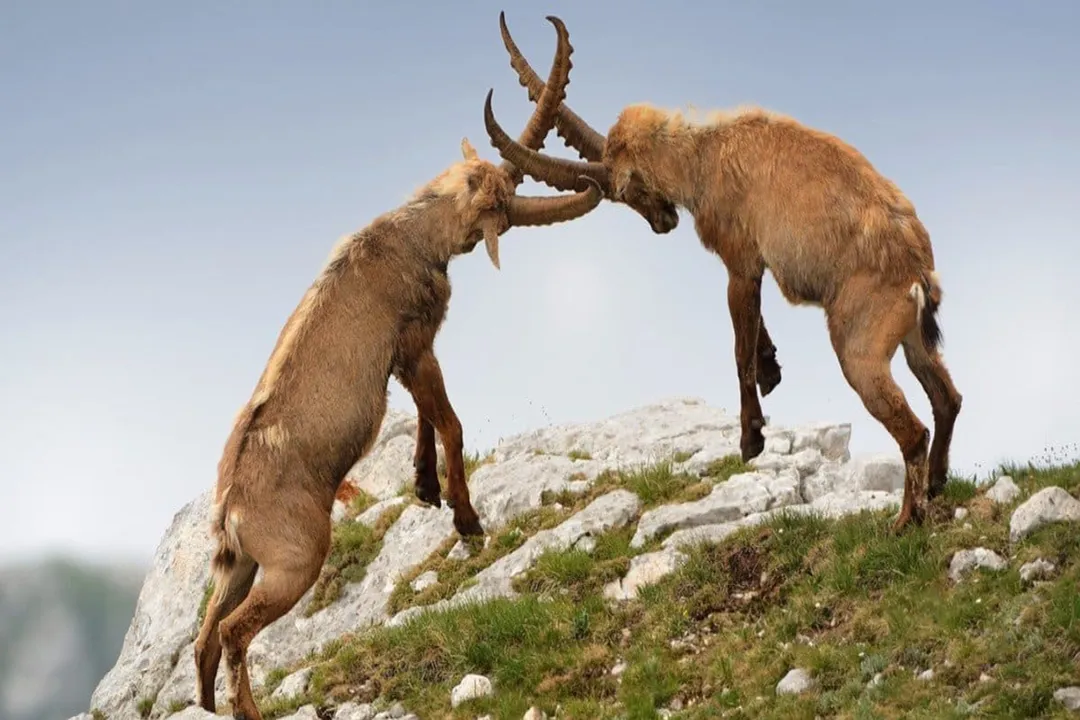
The most pronounced feature of the ibex coat is its dramatic annual transformation. This cyclical shedding and regrowth demonstrate a precise biological response to the changing alpine climate. [1][6]
During the harsh winter, the coat is at its thickest and longest, providing maximum thermal regulation. [7] For the Alpine Ibex, the winter coat is often a grayish-brown color, offering effective camouflage against the rocks and scree slopes. [1] This density is not merely aesthetic; it is survival gear. The thickness required to withstand sub-zero, windy conditions at altitudes often exceeding 10,000 feet means the coat is significantly denser than what one might typically associate with a simple goat or deer. [5]
As spring transitions into summer, the ibex undergoes a massive molt. They shed the heavy winter undercoat, often leaving them looking ragged for a time, before growing in their shorter, lighter summer coat. [1][7] This summer hair is noticeably shorter, sparser, and often lighter in color—a reddish-brown or lighter gray—which helps them reflect intense high-altitude sunlight and prevents overheating during warm daytime climbs. [1][9] This quick adaptation means the animal is never carrying unnecessary thermal mass, allowing for greater agility when foraging.
If you observe an ibex herd in early spring, you might see males, in particular, sporting patchy, uneven coats as the winter growth sloughs off. This process is vital; failing to properly shed the thick insulating layer would render the animal susceptible to heat stress in the strong alpine sun, effectively negating the benefit of their warm-weather camouflage. [1]
# Species Differences
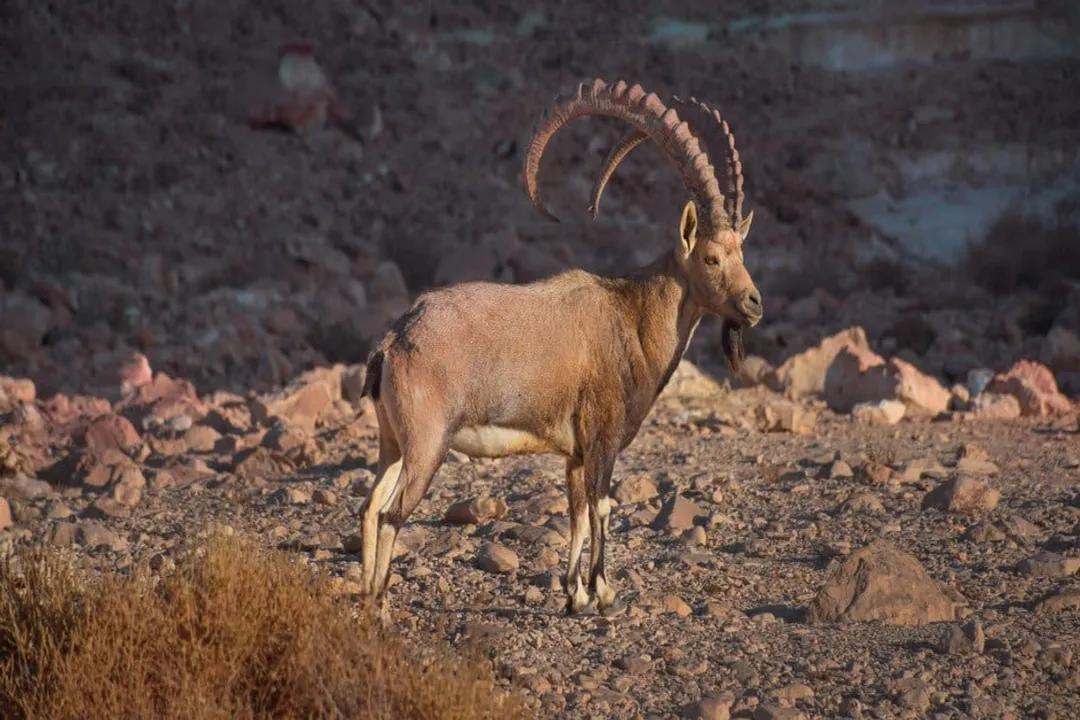
While all ibex share the need for temperature-regulating hair, the precise shade and density vary across the recognized species, reflecting local environmental pressures.
| Species | Typical Winter Coat Color | Key Adaptation Noted |
|---|---|---|
| Alpine Ibex (Capra ibex) | Darker gray to grayish-brown [1] | Extremely thick coat for severe European winter cold [1][5] |
| Siberian Ibex (C. sibirica) | Brownish-gray to dark brown [7] | Very dense pelage, especially the males, for extreme continental cold [7] |
| Bezoar Ibex (C. aegagrus) | Brownish to pale brown [9] | Generally adapted to somewhat milder, though still rocky, terrain [9] |
The differences in coloration are subtle but important for local camouflage. The Siberian Ibex, for example, often presents a darker overall appearance than some of its cousins, blending into the darker rock faces of the Altai or Tian Shan mountains where it resides. [7] Conversely, the Alpine Ibex tends toward those distinct grayish tones which match the granitic environments of the European Alps. [1]
This slight shift in color also has an impact on solar absorption. A darker coat absorbs more solar radiation, which can be a benefit on frigid mornings, allowing the animal to warm up more quickly by basking in the sun, a common behavior observed in high-altitude ungulates when temperatures are low. [5] The animal's physiology manages the switch, prioritizing heat gain when necessary and heat rejection when needed.
It is interesting to note that this adaptation isn't just about temperature; it’s about optimizing energy expenditure. Every calorie an ibex spends managing its temperature is a calorie it cannot use for growing its massive horns or foraging on sparse vegetation. Therefore, having a coat that precisely matches the thermal demands of a given month is an essential part of the species' efficient survival strategy in nutrient-poor, high-energy-cost environments. [5]
# Male Ornamentation Context
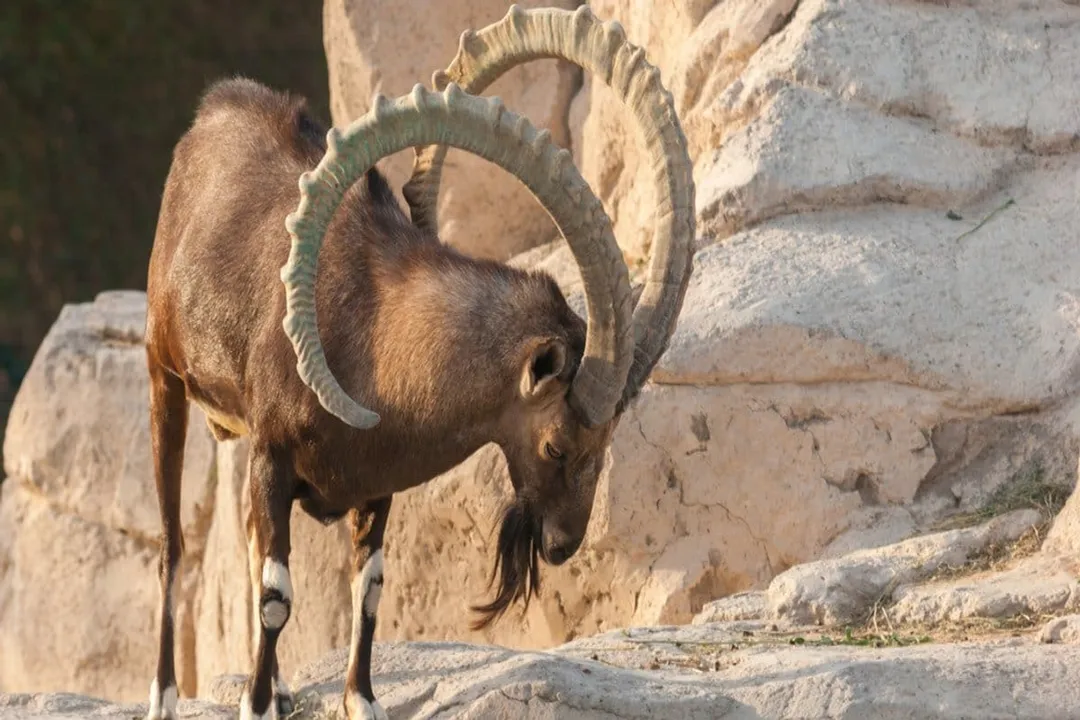
While the question centers on the protective covering, understanding the massive horns grown by the males adds context to the overall animal structure. The impressive, backward-curving horns of the male ibex can reach lengths nearing 100 centimeters (about 39 inches). [1][2] These horns, which grow continuously throughout their lives, require substantial nutritional input from the animal's diet. [5] Consequently, the hair—the body's primary insulator and a less metabolically expensive feature than the horns—must be supremely efficient. The less energy spent shivering or overheating due to inadequate hair, the more resources are available to support the tremendous weight and development of those horns, which are crucial for intraspecies competition. [1][5]
# Visibility and Predator Evasion
Beyond mere insulation, the condition and color of the coat directly influence an ibex's ability to avoid detection. Ibex are perpetually exposed; they often favor slopes above the treeline where shade is minimal, making their coat their first and primary line of defense against aerial predators like eagles, or terrestrial hunters such as wolves. [6]
The transition in the coat's appearance throughout the year is a direct reflection of camouflage requirements. In winter, the coat is often described as thick and somewhat shaggy, particularly in males, which helps break up the animal's outline against the complex background of snow patches, shadowed rock fissures, and bare stone. [7] In summer, the coat lies flatter and is shorter, mirroring the drier, brownish-green hues of the alpine meadows where they graze more actively. [9] This subtle shift in hue, moving from a cold gray to a warm brown, shows that the evolutionary pressure for camouflage dictates the exact pigments expressed in the hair shafts. Observing an ibex grazing near a line where winter snow has just melted reveals this perfectly: the animal appears almost to be painted with the colors of both seasons simultaneously until the molt is complete.
The texture itself also plays a role in visibility. A healthy, clean coat—maintained through rubbing against rocks and digging in the dirt—will refract light differently than a matted or shedding coat. While the ibex doesn't have the fine, velvety coat that some other ruminants possess, the guard hairs are stiff enough to maintain structure, preventing the coat from lying too flat against the body even when wet, thus preserving that critical air gap for insulation. [5]
In summary, the ibex possesses a highly specialized coat made of hair, organized into guard hairs and undercoat layers. [5][7] This pelage is not static; it undergoes a profound seasonal remodeling to meet the extreme thermal demands of its alpine habitat, shifting from a dense, insulating grayish coat in winter to a lighter, reddish-brown covering in summer. [1][9] This adaptive hair is as critical to the ibex's survival in the high mountains as its sure-footedness or its magnificent horns.
Related Questions
#Citations
Alpine ibex - Wikipedia
Ibex | Wild Mountain Goat, Alpine Species & Conservation Status
Ibex - Oxford Reference
Ibex | Rainbow Spring Acres Home of RSA Pygmy Goats
Alpine ibex - The Ultimate Ungulate
Alpine ibex | All Species Wiki - Fandom
Siberian Ibex - Zoo Berlin
Ibex Animal Facts - A-Z Animals
Bezoar ibex - Facts, Diet, Habitat & Pictures on Animalia.bio