Do Basset Fauves de Bretagne bark a lot?
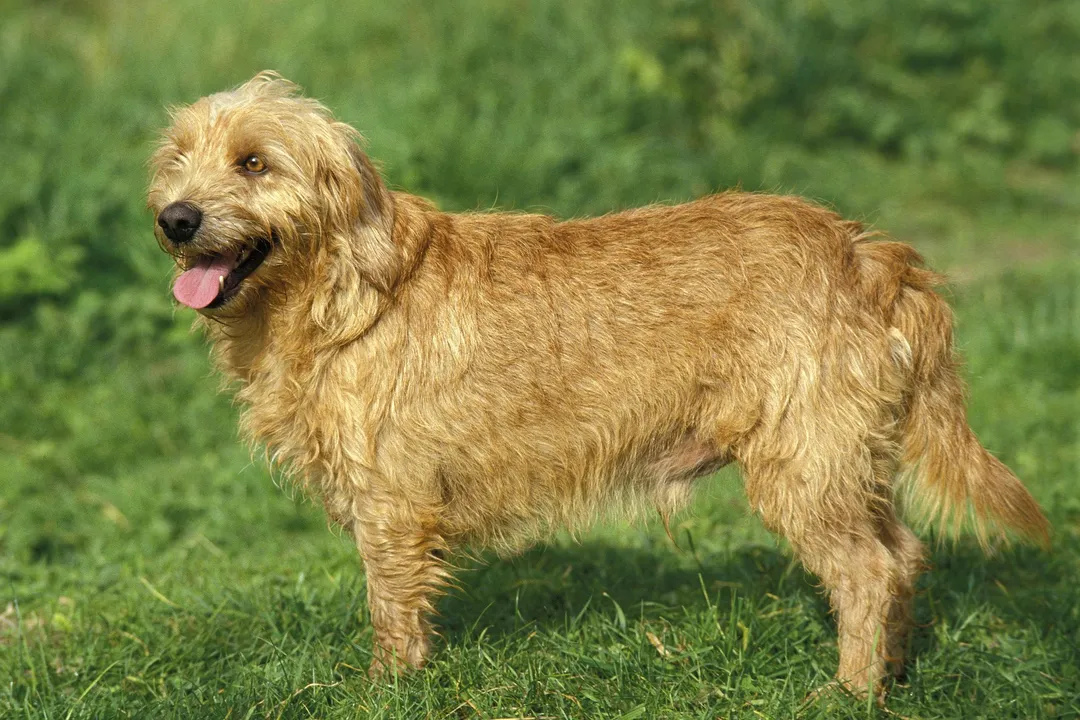
The Basset Fauve de Bretagne, or "Fauve" as fans affectionately shorten the name, is often admired for its charming, shaggy, fawn-colored coat and sturdy, short-legged physique, distinct from the larger Basset Hound. When potential owners investigate this French hunting dog, the question of noise invariably comes up. Do these little hounds turn into alarm clocks or opera singers once they settle into a home environment? The answer, as with many purebred characteristics influenced by a working history, is layered and highly dependent on the individual dog.
# Hunting Heritage

To understand the vocal tendencies of the Basset Fauve de Bretagne, one must look back at its purpose. This breed originated in the Brittany region of France, developed centuries ago to hunt small game, like rabbits, often working in small packs. They are officially classified within the Hound group, and hounds, by their very nature, were bred to communicate over long distances using scent and sound. This history suggests a vocal disposition is baked into their DNA.
The breed’s official name translates to "low set wild animal of Brittany," indicating their background as dedicated trackers. When they are engaged in this work—following a compelling scent—vocalization is essential for the hunter to track their progress. This necessary communication usually manifests as a distinctive bay or howl, rather than incessant, meaningless barking.
# Vocalization Spectrum
It is critical to differentiate between a typical bark and the bay characteristic of a hound. While the Basset Fauve de Bretagne certainly possesses a bark described as loud enough to alert owners during hunting, published breed standards often suggest they do not bark excessively, making them feasible for various housing situations. The Spruce Pets notes their tendency to bark as Medium. However, personal accounts paint a picture with much wider variation.
Some owners report having exceptionally quiet companions. One owner mentioned their Fauve "rarely barks," and another stated they were the quietest dog they had ever owned. In contrast, other accounts suggest high energy and vocal output: one dog was described as getting "full blast" when excited, and another owner reported their dog was up early and "barking, ready for the routine," particularly if a squirrel was involved.
One of the most fascinating differences noted by owners concerns the quality of the sound compared to the traditional Basset Hound. While the classic Basset Hound might have a "loud and melodious" sound, one owner of a Fauve described their dog’s voice as more akin to "high pitched screams and crying" when excited. When these small dogs do sound off in alarm, the effect can be startlingly large for their stature; one owner noted that when their dog feels a stranger is a threat, the bark sounds like that of a "goddamn cane corso". This suggests that while they may not be the most frequent barkers, the volume when they are vocal can be surprisingly robust.

# Common Triggers
Understanding why a Basset Fauve de Bretagne makes noise offers more insight than simply counting the barks per hour. Their vocalizations tend to be context-specific, driven by instinct, excitement, or need, rather than generalized anxiety.
Key triggers cited by owners include:
- Scent/Prey Drive: Following a scent trail is a primary activator. The nose "leads the way," which is why owners are cautioned about letting them off-leash, as the pursuit overrides recall commands.
- Alerts/Territory: They serve as excellent watchdogs because they generally "don't bark at nothing". Alarms are usually reserved for someone approaching the door, or perceiving a threat like rustling wind or a strange noise.
- Excitement or Play: Vocalizations often occur when playing with other dogs or humans, sometimes accompanying frantic activity.
- Attention or Demand: A significant portion of the noise may come in the form of whining. Many owners find that their Fauves whine constantly for attention, excitement, or simply because they want something, like food when it is slightly past dinner time.
The intensity of the vocalization often correlates directly with the perceived importance of the stimulus. If it’s a squirrel check, it’s loud; if it’s a true perceived threat, the bark is substantial.
# Assessing the Apartment Suitability
For city dwellers or those in close proximity to neighbors, the decision hinges on whether the vocalizations are chronic or episodic. The literature suggests that while they can adapt to apartment life, it requires a commitment to training. Since they are hounds that like to bark when alerted, owners must proactively train them against reacting to every external noise to prevent neighborly disputes. If the high-frequency whining, rather than the deep bark, becomes the primary means of communication, apartment living can still present a challenge to the owner's sanity.
To help prospective owners gauge expectations, it can be useful to visualize where a specific dog might fall on a Vocalization Spectrum. This is less about the breed standard and more about anticipating the range of behavior encountered in real-world living:
| Spectrum End | Primary Vocalization | Context | Owner Impression |
|---|---|---|---|
| Silent End | Rare bark, occasional whine | Play, or when confined away from the owner. | "I wish he barked more." |
| Moderate Middle | Alert barks, demand whining | Doorbell rings, mealtime anticipation, moderate excitement. | Good watchdog, generally quiet otherwise. |
| Loud End | Frequent barking, high-pitched screams, sustained baying | Scent discovery, high energy/boredom, separation/injustice perceived. | "The bark that parted the Red Sea." |
A potential first-time owner needs to decide which end of that spectrum they are prepared to manage daily. If the dog leans toward the loud end, the high-pitched element might be less physically fatiguing on the ears than a large breed's deep booming, but the sheer intensity when they are vocal is noteworthy.

# Training and Management Tips
Since vocalization is heavily tied to hunting instinct and boredom, managing the environment and mental state is key to keeping noise levels reasonable. As a very smart breed, they require proper mental stimulation to prevent mischief, which often manifests as excessive vocalizing.
If a new owner finds their Fauve leans toward the higher end of the barking scale, immediate, positive redirection is often more effective than punishment. When the dog begins to bark or whine excessively—especially demanding attention—it is crucial not to reward the behavior with attention, even negative attention, as this reinforces the action.
A useful technique for reactive barking, especially at exterior sounds, involves associating the trigger with a positive, engaging activity that uses their nose:
- Trigger Identification: Note the sound or sight that initiates the alarm bark (e.g., neighbor walking by, mail carrier approaching).
- Pre-emptive Distraction: Before the dog can react fully, make a distinct, happy noise and scatter a small pile of high-value treats (like boiled chicken pieces, as suggested by one owner’s successful training experience) on the ground.
- Redirection: When the dog stops the alarm to sniff out the treats, their focus is redirected from the trigger to a scent-based, positive activity. This engages their preferred skillset—tracking—in a controlled setting.
- Consistency: Repeat this every time the trigger occurs until the dog begins to look to you for the treat scatter instead of barking at the stimulus. This teaches them that the sound of the trigger predicts a reward game, not a need to sound the alarm.
This approach acknowledges their inherent nature as scent hounds while channeling their energy constructively, which is always preferable to trying to train out a fundamental breed trait entirely. Furthermore, ensuring they get their required one to two hours of scent-focused walks or play daily is the baseline for preventing boredom-induced noise. A bored Basset Fauve de Bretagne is an expressive one.
Related Questions
#Citations
Basset Fauve de Bretagne: Your Complete Guide - Dog Academy
Basset Fauve de Bretagne: Dog Breed Characteristics and Care
Does anyone here own a Basset Fauve de Bretagne? - Reddit