Do Norwegian Elkhounds have sensitive stomachs?

The Norwegian Elkhound, a striking spitz breed known for its history as a hardy hunter and companion in harsh Scandinavian climates, often presents a picture of rugged self-sufficiency. However, many dedicated owners find themselves navigating the sometimes delicate world of their dog's digestive health, leading to questions about whether this otherwise robust-looking animal is prone to stomach sensitivity. While breed profiles don't universally list gastric distress as a defining trait like hip dysplasia might be for other large breeds, anecdotal evidence and owner discussions suggest that dietary management is a genuine concern for many Elkhound guardians. [2][7][8]
# Breed Context
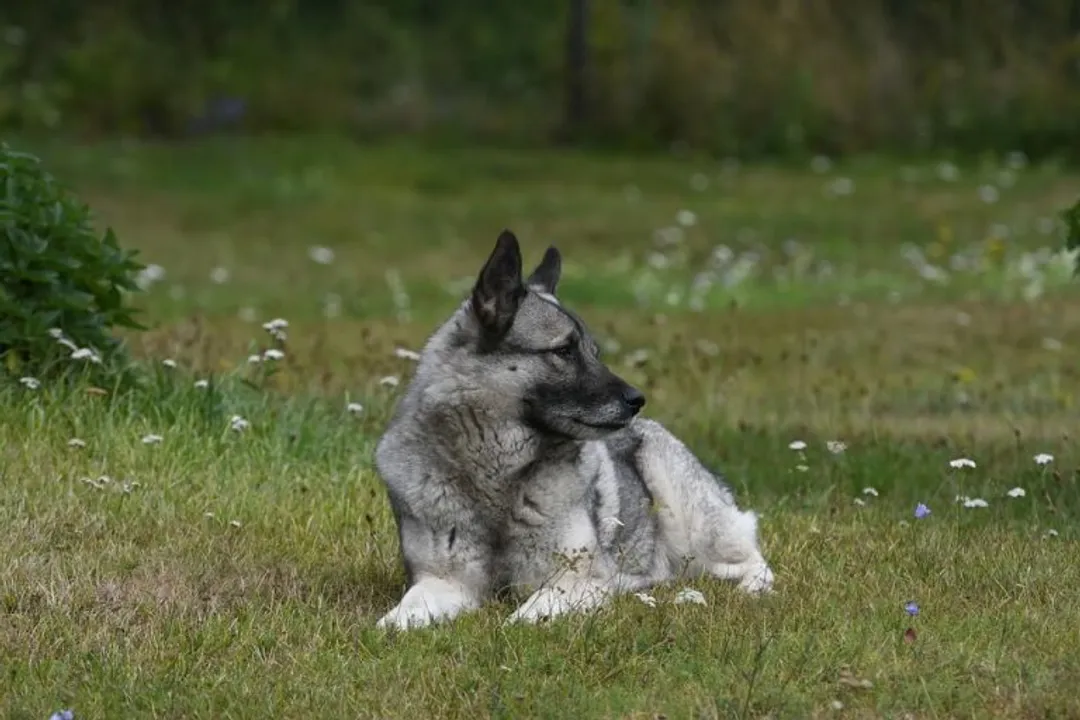
Understanding the Elkhound's background helps frame discussions about their nutritional needs. They are classified as an ancient breed, originally developed for hunting large game like moose, requiring stamina and resilience. [1][3] Their inherent nature speaks to a dog built for function over finery, suggesting they might thrive on simple, high-quality sustenance. [4] Profiles generally note they are healthy dogs, but specific breed characteristics can sometimes predispose them to certain conditions. [6] While their physical build is muscular and enduring, the internal workings—specifically the gastrointestinal tract—do not always mirror this outward hardiness, especially when introduced to modern commercial diets. [4]
# Visible Upset

Owners often turn to forums and veterinary advice when symptoms become apparent, and reports concerning the Elkhound's stomach health frequently surface in community spaces. [2][7][8] These symptoms are varied but often revolve around acute episodes or persistent mild issues. Routine sickness, where a dog seems frequently unwell without a clear cause, is a recurring theme in owner discussions. [8] Gastrointestinal upset can manifest as vomiting or diarrhea, sometimes seemingly out of the blue. [7][2]
One owner noted their otherwise healthy Elkhound, named August, was routinely experiencing vomiting, suggesting a pattern of intermittent illness that required owner investigation. [7] In other cases, owners report that their dogs react poorly to changes in routine or ingredients, which is a classic indicator of a sensitive gut, even if the dog appears healthy most of the time. [2] This suggests that while they might not suffer from chronic inflammatory bowel disease (IBD) more than the average dog, their threshold for dietary disruption appears low. [9] A good indicator of sensitivity is observing if the dog consistently struggles after receiving a new treat or if the switch between two seemingly similar commercial kibbles results in temporary digestive chaos. [9]

# Feeding Reactions

The core of stomach sensitivity usually lies in what the dog consumes. For any dog diagnosed with a sensitive stomach, identifying the specific triggers is paramount. [9] In the Elkhound community, the discussion often contrasts commercially available dry foods with alternative feeding styles, such as raw diets. [5]
Some sources focusing on optimal nutrition for the breed advocate for high-quality, easily digestible ingredients, suggesting that overly processed or lower-quality kibbles—those potentially containing fillers or less digestible carbohydrates—might be harder on an Elkhound's system compared to whole food options. [4][5] For instance, if a dog reacts poorly to a standard kibble, switching to a precisely formulated raw diet, which focuses on biologically appropriate components like muscle meat, organs, and bone, might resolve the issue because the ingredients are minimally processed and highly bioavailable. [5]
It is interesting to observe the contrast between the breed's historical function—consuming whatever available quarry or simple sustenance they could find—and the complex ingredient lists found in many modern dog foods. This disparity might explain why some Elkhounds struggle with the highly varied protein sources or grain mixes common in standard dry feeds. [1][3]
When considering feeding routines, consistency is a key factor that owners of sensitive dogs must master. An actionable piece of advice for any Elkhound owner dealing with intermittent upset is to maintain a rigid feeding schedule, perhaps sticking to two measured meals per day rather than free-feeding, to keep the digestive tract operating predictably. [9] Furthermore, any introduction of new food—even a dental chew or a training treat—should be done one item at a time, allowing several days between introductions to isolate potential culprits.
# Diet Management
If an Elkhound is confirmed or suspected to have a sensitive stomach, the approach to feeding shifts from simply providing sustenance to actively managing their health through diet. [9] When dealing with digestive issues, veterinarians often recommend bland diets temporarily, but the long-term solution lies in finding a stable, high-quality maintenance diet. [9]
For owners who prefer commercial kibble, look closely at the ingredient panel. High-quality options should feature a named, recognizable meat source as the very first ingredient. [4] Avoid foods where the primary ingredients are vague terms or high levels of common allergens or difficult-to-digest starches, as these are often cited as sources of stomach upset across various breeds, and it stands to reason they affect sensitive Elkhounds too. [9]
| Ingredient Concern | Potential Impact on Elkhound Gut | Owner Action |
|---|---|---|
| Artificial Additives/Colors | Gut irritation, allergic reaction | Select natural or preservative-free options |
| Non-specific protein meals | Poor digestibility, potential intolerance | Choose single-source animal protein first |
| High Grain Fillers | Increased fermentation, gas, loose stool | Look for grain-free or ancient grain formulas |
| Rapid Food Switches | Acute vomiting/diarrhea | Transition food over 7-10 days minimum |
This table summarizes a synthesis of standard sensitive stomach protocol applied to the likely dietary profile of an Elkhound, prioritizing ingredient scrutiny when an owner suspects sensitivity based on community reports. [2][8]

# Long Term
Maintaining digestive health in a Norwegian Elkhound often comes down to owner vigilance and proactive management rather than simply hoping the dog 'grows out of it'. [9] If an Elkhound experiences recurrent issues, a vet visit is necessary to rule out parasites or underlying conditions, especially if the vomiting or diarrhea is severe or persistent. [7]
A less obvious factor that contributes to a sensitive gut environment, particularly in high-energy working breeds like the Elkhound, is stress or over-excitement immediately preceding or following eating. Intense exercise right before a meal can sometimes lead to regurgitation or vomiting in dogs. [1] While this isn't strictly a food sensitivity, it impacts the digestive outcome. Therefore, ensuring a calm environment for eating, perhaps waiting an hour after vigorous play before feeding, is a vital management technique that owners often overlook when attributing sickness solely to the ingredients. [1] This holistic approach, considering both what they eat and how they eat, often leads to the most stable results for dogs prone to gastric upset. The resilience that makes them great hunters in the mountains does not automatically grant them a stomach immune to the modern diet or schedule disruptions.
Related Questions
#Citations
Norwegian Elkhound | Breed Guide - Scrumbles
Elkhound stomach issues and unusual eating habits - Facebook
Fresh Food for Norwegian Elkhounds | Cola's Kitchen
Fresh Food for Norwegian Elkhounds - The Farmer's Dog
Best Raw Dog Food for Norwegian Elkhounds in UK - Rocketo
Norwegian Elkhound Facts - Wisdom Panel™ Dog Breeds
Expert Advice on Norwegian Elkhound and Water Intake Issues
Dog is Routinely Sick : r/NorwegianElkhound - Reddit
Best Dog Food for Sensitive Stomachs - American Kennel Club