What should I feed my Norwegian Elkhound?
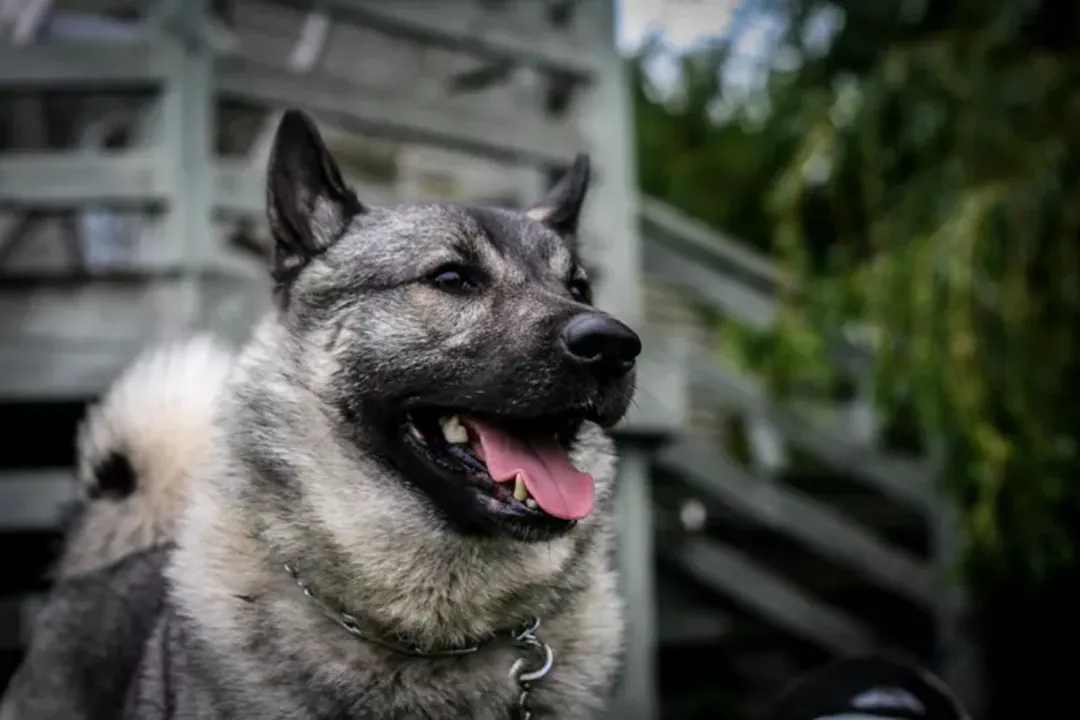
Caring for a Norwegian Elkhound means understanding their unique energy levels and history as hardy, double-coated Nordic dogs. Providing the right nutrition is central to maintaining their thick coat, powerful build, and characteristic vigor. Their diet should reflect their active nature and support their overall health, which often means being mindful about calorie intake, as they can be prone to putting on weight if their activity level drops. [1][7][10]
# Life Stages
The nutritional needs of your Elkhound change significantly throughout their life, requiring careful adjustment of diet composition and quantity.
# Puppy Growth
For Elkhound puppies, the focus must be on controlled, steady growth. Because they mature into dogs of medium to large size, using a high-quality food formulated specifically for large or giant breeds during their first year is often recommended. [2] This specialized puppy food helps manage the rate of bone and joint development, which is crucial for preventing orthopedic issues later on. [2] Feeding them too rich a diet too quickly can lead to rapid growth spurts that stress developing joints. Owners often discuss feeding smaller, more frequent meals to puppies to help maintain stable energy levels and aid digestion. [4]
# Adult Maintenance
Once your Elkhound reaches maturity, typically around 12 to 18 months, you can transition them to an adult maintenance formula. The primary goal here is to balance energy needs with weight management. An active, working Elkhound will require more calories than a companion dog who spends most of the day relaxing indoors. [10] Adult food should generally be high in quality animal protein, as this supports their strong musculature. [3]
# Senior Years
As Elkhounds age, their metabolism naturally slows down. Senior formulas often contain fewer calories and may be supplemented with ingredients that support joint health, like glucosamine or chondroitin. [3] It is important to monitor weight closely during this transition, as decreased activity coupled with the same food volume will quickly lead to obesity. [7]
# Food Quality
Selecting the actual food product requires looking past marketing claims toward ingredient composition and guaranteed analysis. A high-quality diet should list a specific, named meat source (like chicken, lamb, or salmon) as the first ingredient, indicating a substantial amount of high-biological-value protein. [3]
Many experienced owners debate the merits of various food types. While commercial dry kibble remains the standard due to convenience and balanced nutrition claims, there is an ongoing interest in fresh or gently cooked diets. [4][6] If choosing a commercial option, whether kibble or fresh, verifying that the food meets established nutritional standards, such as those set by AAFCO (Association of American Feed Control Officials), is a baseline requirement for quality assurance. [3] If you observe that your dog is constantly hungry shortly after eating standard kibble, it might signal that the food is heavily reliant on fillers that pass through the digestive system too quickly, reducing nutrient absorption efficiency. [3]
# Weight Watch
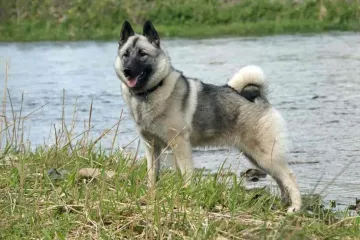
Norwegian Elkhounds are exceptionally well-muscled and sturdy, which unfortunately makes early signs of weight gain easy to miss until it becomes significant. [1][7] These dogs were bred to work in harsh conditions, meaning they have an efficient metabolism that is easy to overload with excessive calories in a modern, less demanding lifestyle. [10]
The key to preventing obesity lies in precise measurement and consistent monitoring. You should never free-feed an Elkhound; meals must be measured accurately using a standard measuring cup or, ideally, a digital scale for consistency. [1][5] While package recommendations offer a starting point, they are often calibrated for dogs that are more active than the average pet, meaning you will likely need to feed slightly less than suggested. [10]
A practical way to assess your dog’s condition weekly is by using the Body Condition Score (BCS) system, which you can simplify into a quick visual and tactile check. You should be able to easily feel (but not necessarily see) the ribs without pressing hard, and your dog should exhibit a visible waist or tuck when viewed from above. [7] If you find yourself having to press firmly to feel the ribs, or if the waistline has disappeared, it’s time to reduce the daily portion by about 10% for a few weeks and re-evaluate. This proactive approach beats trying to initiate an intense weight-loss regime later on.
# Water Treats
Treats and table scraps, while useful for training and bonding, must be strictly rationed. Because Elkhounds are energetic dogs, using high-value, low-calorie treats during training sessions is advisable to maximize the reward without overloading the caloric budget. [5] If you are giving out commercial biscuits or chews, you should actively reduce the size of their main meal accordingly.
Hydration is also an often-overlooked nutritional component. Ensure that fresh, clean water is available at all times, especially after periods of intense exercise. [10] Sometimes, a dog that appears to be begging for food is actually thirsty; offering water first can often resolve the perceived hunger pangs.
# Breed Specifics
When reviewing dog food labels, while the sources don't universally mandate specific percentages, Elkhounds generally thrive on diets that provide a minimum of 22% protein and 12% fat for maintenance, though these numbers might need adjustment based on individual activity levels and age. [3] The key takeaway across owner discussions is that quality ingredients are far more important than hitting an exact number, especially if you opt for a fresh preparation style that differs from standard AAFCO guidelines. [4] Always consult with your veterinarian before making any major dietary switch, particularly if you are considering home-prepared or raw feeding options, to ensure complete nutritional balance. [3][7]
Related Questions
#Citations
Food : r/NorwegianElkhound - Reddit
Feeding Elkhounds - Raw Diet and Raw Food For Dogs
What are the Best Dog Foods for Norwegian Elkhounds? - Petabolix
Norwegian Elkhound Dog Food Recommendations - Facebook
Norwegian Elkhound | Breed Guide - Scrumbles
Fresh Food for Norwegian Elkhounds - The Farmer's Dog
What type of dog food should I feed my Norweigan Elkhound?
Elkhound Breed Info | Best Food, Training, Grooming - Bil-Jac
Norwegian Elkhound - All About Dogs - Orvis