Do German Wirehaired Pointers have sensitive stomachs?
The German Wirehaired Pointer, known affectionately as the GWP, is a powerhouse of a sporting dog, bred in 19th-century Germany for versatility in the field. [3] These loyal, energetic, and intelligent companions thrive when they have plenty of physical and mental outlets, whether hunting, hiking, or engaging in canine sports. [3] However, this high-drive nature, combined with specific breed predispositions, often leads owners to wonder if their rugged-looking hunting dog might actually possess a more delicate digestive system than their tough exterior suggests.
# Breed History Diet
Historically, the diet provided to the ancestors of the modern GWP was far from balanced or consistent. Accounts suggest these dogs often subsisted on scraps, which could have included items like bread, cabbage, and potatoes. [2] While this scarcity built hardiness, it certainly did not set a precedent for optimal gastrointestinal health, especially for dogs who might be genetically predisposed to sensitivity. Today, owners benefit from veterinary science, but the legacy of a system accustomed to variable, often low-nutrient inputs means that an abrupt change in modern, dense commercial food can trigger issues. [2]
# Recognizing Upset Stomachs
The blanket term "sensitive stomach" in dogs usually points to mild but persistent intestinal upset. [1] For any dog, signs can include occasional episodes of flatulence, loose stools, or vomiting. [1] For the German Wirehaired Pointer specifically, owners should also watch for clues that suggest underlying food reactions, such as chronic itchiness or recurring ear and foot infections, as these can be external manifestations of an internal digestive struggle. [3] It is essential to recognize that while occasional symptoms might be manageable, severe or persistent vomiting and diarrhea require immediate veterinary consultation, as they can signal far more serious conditions. [1]

# Key Ingredients
When pinpointing the cause of digestive unrest in a GWP, the food itself is often the first place to look, after ruling out serious medical concerns with a veterinarian. [1] Modern commercial dog foods, though formulated to be complete and balanced, contain numerous ingredients that can act as triggers.
# Protein and Fat
Some dogs simply do not process specific protein sources well. If your GWP is on a chicken-based formula and showing symptoms, a food trial with a different primary protein, such as lamb or fish, might be necessary. [1] Equally important is the fat content. Diets excessively high in fat are notoriously difficult for many dogs to digest. [1] A quick review of the Guaranteed Analysis on the food label can be revealing; if fats and oils feature prominently among the first four ingredients, the food might be too rich for your dog’s system. [1] This is particularly relevant for a high-energy breed like the GWP, whose metabolism demands high-quality fuel, but that fuel needs to be digestible. The high metabolic rate of an active sporting dog might necessitate a specific balance of protein and fat that generic formulas sometimes miss, making the specific source and percentage of dietary fat a major point of scrutiny.
# Fiber Balance
Fiber plays a critical role in maintaining good fecal quality. [1] While some dogs benefit from increased fiber—sources like inulin or beet pulp are often cited—others may react poorly to too much or the wrong type. [1] Finding the right balance ensures smooth transit through the GI tract without causing irritation or overly soft stools.
# Dietary Management Strategies
Successfully navigating a sensitive stomach in a GWP is less about finding one miracle food and more about disciplined testing and slow integration. [1][2]
# Transition Discipline
One of the most common missteps owners make, which frequently exacerbates existing GI issues, is switching foods too quickly. [1] If you suspect a food is the culprit, or if you have decided on a new, potentially better option, the transition must be gradual. A common recommendation involves starting with a mix of 80–90% old food and only 10–20% new food for the first meal, slowly adjusting this ratio over a minimum of ten days. [1] Skipping this step can worsen symptoms or lead to outright food refusal by your dog. [1]
# The Elimination Test
Before settling on a specific formula, it is crucial to confirm that the digestive upset is indeed food-related and not caused by other factors, like sneaking food from the trash or consuming unauthorized table scraps and treats. [1] Working with your veterinarian, you may need to implement a strict elimination diet for several days to ensure that only the dog food is consumed, removing all external variables. [1]
For GWP owners who manage their dogs' intense activity levels through specific training schedules or hunting seasons, it is wise to consider how nutritional needs might fluctuate seasonally. While maintaining vigilance regarding triggers like common irritants, one might consider slightly denser, carefully sourced nutrition during periods of peak exertion, then dial back to a pure maintenance formula during slower months, provided the dog tolerates the shift well. This means watching for intolerance not just between brands, but sometimes between different formulations from the same high-quality brand, based on the dog’s current workload.

# Exploring Food Choices
Once you have established the parameters—ruling out serious illness and identifying potential problem ingredients—you can research optimal diets. [1] Many owners find success with commercial foods specifically labeled for sensitive skin and stomachs. [1] However, others look toward more minimal ingredient profiles. [2]
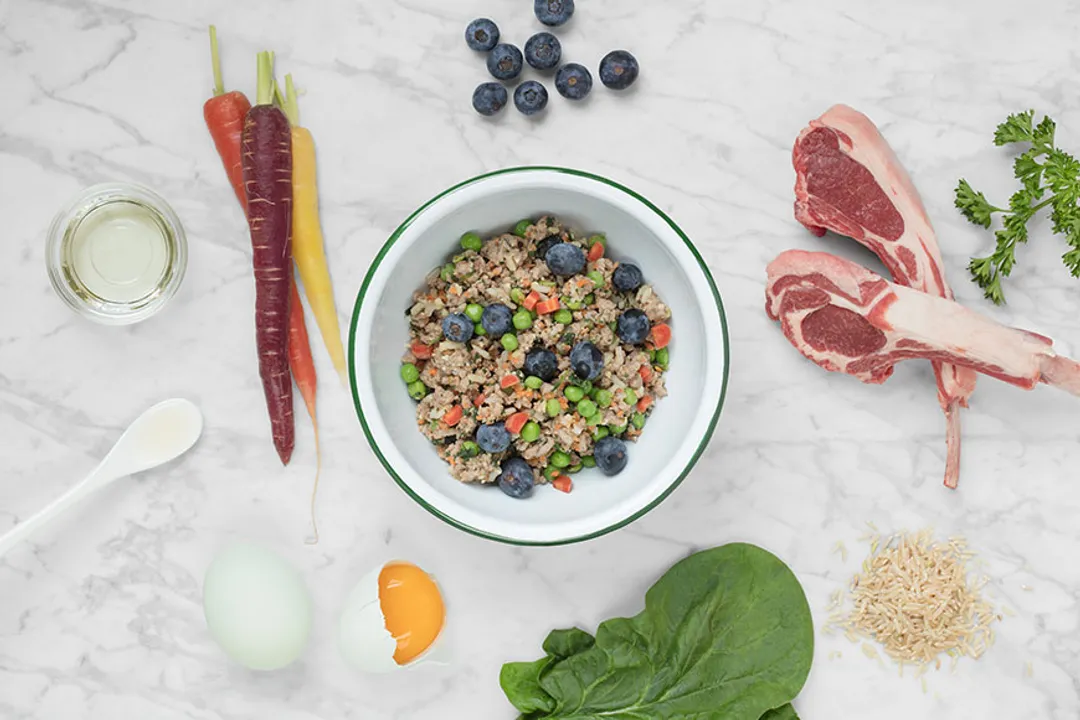
Some owners opt for homemade diets, which allow for complete control over every ingredient, which can be excellent for managing known sensitivities. [1] If pursuing this route, consulting with a veterinarian or veterinary nutritionist is vital to ensure the diet remains "complete and balanced" for the GWP’s life stage, preventing deficiencies that can mimic or cause digestive issues. [1] For those who prefer the convenience of commercial options but want higher assurance of ingredient quality, seeking out companies that use USDA-certified kitchens and human-grade ingredients, or those that exclude common irritants like wheat, gluten, and soy, may provide relief for a sensitive GWP. [2]
It is worth noting that GWPs are also prone to a serious, acute condition called Bloat, or Gastric Dilatation-Volvulus (GDV), where the stomach fills with air and flips, cutting off blood flow. [3] While this is a separate, life-threatening emergency, maintaining consistent, high-quality nutrition and avoiding massive, rapid meals can be part of a general strategy for good digestive health that might also help mitigate risk factors associated with GI distress. [3]
# Seeking Expert Guidance
Finding the right diet often requires patience and a willingness to consult the experts. [1] Your veterinarian is the best starting point to rule out underlying health conditions before you begin food trials. [1] They can offer specific brand recommendations or flag ingredients known to cause trouble for your specific dog.
When researching online, be skeptical of sensational claims; the most reliable information comes from veterinary nutritionists and evidence-backed sources. [1] Remember that what works for another pointer owner—even one on a forum or social media thread—is just anecdotal evidence. [1] Successfully managing a GWP’s sensitive stomach involves commitment: ruling out disease, testing ingredients methodically, transitioning slowly, and maintaining an open dialogue with your veterinary team until you find the sustainable diet that keeps your energetic companion feeling their best. [1][2]
Related Questions
#Citations
What to Know About German Wirehaired Pointers - WebMD
Best Dog Food for Sensitive Stomachs - American Kennel Club
Best Sensitive Stomach German Wirehaired Pointer Dog Food