How often do Kooikerhondjes need grooming?
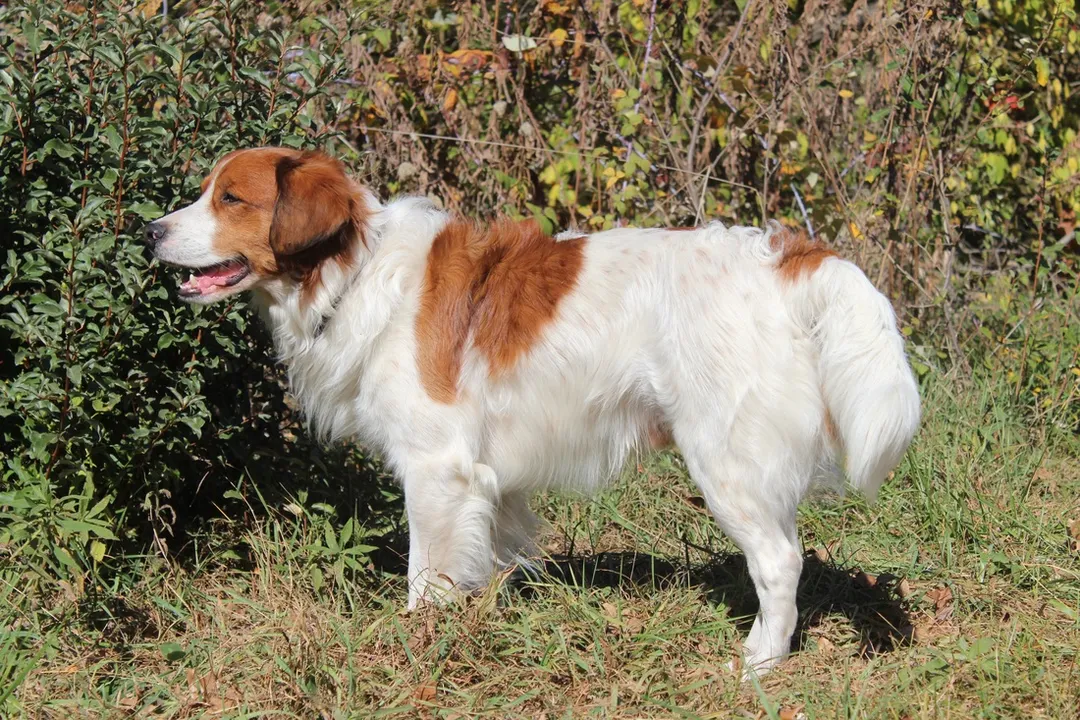
Understanding the grooming needs of the Kooikerhondje reveals a breed characterized by a beautiful, medium-length double coat that requires consistent, yet not overly intensive, care. [1][5] These Dutch retrievers were historically used to lure ducks, and their coat reflects this purpose—it is dense, straight, and has a soft undercoat that is water-repellent. [1][7] Knowing how often to groom is less about strict timing and more about understanding the coat’s natural cycles and structure.
# Double Coat
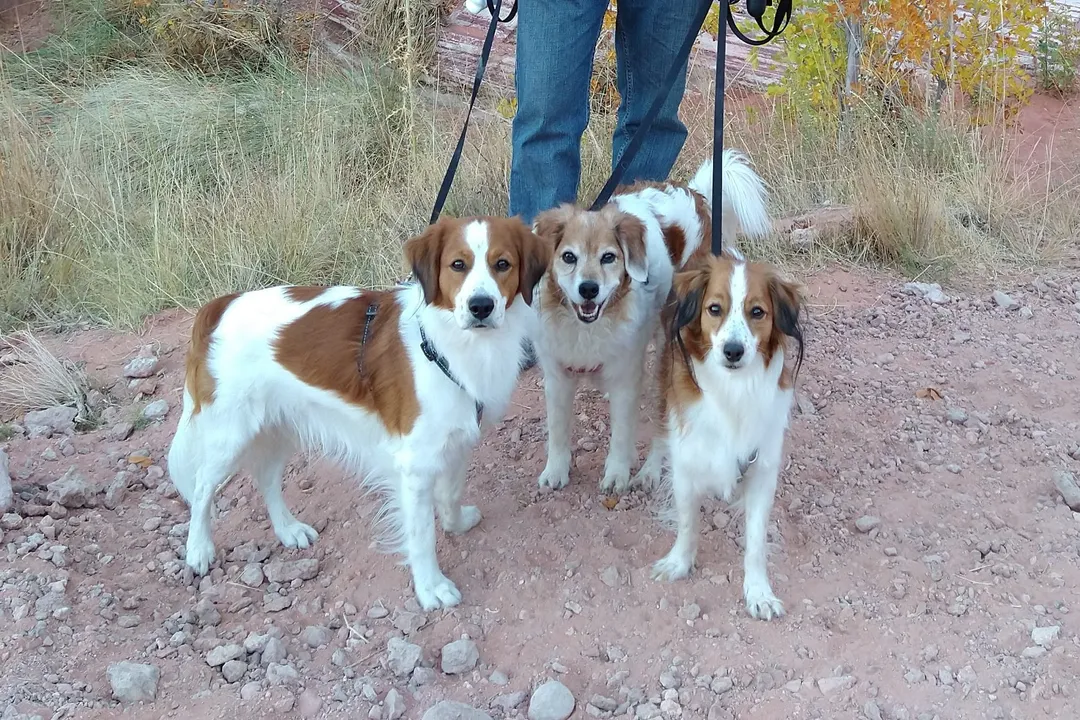
The Kooiker's coat is an asset, protecting them from the elements, but it demands respect because it consists of two distinct layers. [1] The outer coat is long, somewhat harsh, and lies flat, while the soft, dense undercoat provides insulation. [5] The coat is generally considered relatively easy to maintain compared to some long-haired breeds, provided you stay ahead of tangles and matting, especially in the areas where the hair grows longer. [2][7]
This protective nature means that routine maintenance is key to keeping the coat healthy, shining, and functional. If the outer coat is stripped of its natural oils—often through aggressive or unnecessary washing—its ability to repel water and dirt diminishes, which can ironically lead to a dirtier, more damaged coat over time. [1]
# Brushing Frequency
For the average week outside of major shedding seasons, a thorough brushing session once every seven days is a solid baseline recommendation for the Kooikerhondje. [1][2] This routine brushing addresses the moderate amount of shedding that occurs year-round and prevents minor tangles from developing into serious mats. [1]
When brushing, focus your attention on the feathering. These longer sections of hair are found on the back of the front legs (often called "trousers" or "britches") and on the tail. [1] These areas tend to catch debris and tangle easily. Using a long-toothed comb or a slicker brush followed by a metal comb can help you work through these sections effectively, ensuring you reach the skin without causing discomfort. [1]
When you bring home a new Kooiker puppy, start introducing the brush early. Even if the coat is short, getting them comfortable with the handling and the sensation of the brush is an investment. Aim for short, positive sessions—perhaps just a minute or two—several times a week, associating the grooming table or spot with high-value treats. [2]
# Seasonal Shedding
While weekly maintenance covers the basics, there are two distinct times of the year when the grooming effort needs to ramp up significantly: the spring and the fall. [1][2] This is when the Kooiker "blows coat," meaning they rapidly shed the undercoat to prepare for the upcoming season’s temperature changes. [1]
During these heavy shedding periods—which can last for several weeks—you should plan to brush your dog almost daily. [1][2] The goal during this phase is removal; you need to pull out the dead undercoat before it clumps together, traps heat, or begins to felt near the skin. A high-quality undercoat rake or shedding blade becomes your best friend here. Be patient and work in sections, especially around the ruff and the dense parts of the trousers. [1] Skipping this intensive period can lead to skin irritation underneath the thick, trapped dead fur.
# Bathing Rules
One surprising aspect for new owners is that Kooikerhondjes do not require frequent bathing. Because their coat is naturally self-cleaning and water-resistant, excessive washing is actually detrimental, as it strips away essential natural oils. [1] This stripping action can leave the coat dry, dull, and less effective at repelling dirt and water. [1]
A good general guideline suggests bathing your Kooikerhondje only when they are genuinely dirty or smelly, which often translates to no more than once every four to six weeks. [1][5] When you do bathe them, ensure you rinse thoroughly. Leftover shampoo residue can irritate the skin and attract dirt faster. After rinsing, if you allow them to air dry, you must brush them out after they are completely dry to prevent the remaining damp undercoat from matting as it dries close to the skin. [1]
If you are active in water sports or live near muddy areas, you might find yourself bathing more frequently, but always aim to use a gentle, moisturizing dog shampoo formulated for double coats. [1]

# Ear Checks
The lovely, feathered drop ears characteristic of the Kooikerhondje present a specific area for focused attention, separate from general coat maintenance. Because the ears hang down, they create a warm, dark environment, which is ideal for yeast and bacteria if moisture gets trapped. [1]
You should make it a habit to check inside the ear flap and the canal opening at least once a week during your regular brushing session. [1] Look for excessive redness, dark waxy buildup, or any noticeable odor. If the inside of the ear appears damp, gently wipe it with a cotton ball or soft cloth dampened with a veterinarian-approved ear cleaning solution. [1] Never insert cotton swabs deep into the ear canal, as this can cause damage.
# Ongoing Maintenance Schedule
To help visualize the commitment required, consider this potential first-year grooming calendar based on activity level and season. This approach recognizes that grooming isn't a static task but a responsive one:
| Season / Life Stage | Brushing Frequency | Special Focus Areas | Activity Level Adjustment |
|---|---|---|---|
| Puppy (0-6 Months) | 3 times per week (short sessions) | Acclimation to handling, nail trimming | Low/Medium |
| Spring (Major Shed) | Daily or Every Other Day | Undercoat removal, dense feathering | High |
| Summer (Stable Coat) | Weekly | Ear checks, trimming hocks/paws if necessary | Medium |
| Fall (Major Shed) | Daily or Every Other Day | Removing the warm undercoat | High |
| Winter (Protection Needed) | Weekly | Ensuring water-repellent coat integrity | Medium |
Managing the nails is another important, non-coat aspect of grooming that needs consistent attention. While not strictly about the fur, overgrown nails can affect gait and comfort. Aim to trim nails every three to four weeks, trimming just the tip to avoid hitting the quick, especially if your dog walks primarily on soft ground rather than pavement. [2]
The less obvious, but equally important, element of coat care relates back to their history. Think of them as miniature water retrievers; their coat is designed to shed water quickly. [1] If you notice water or mud soaking into the coat rather than sitting on top, it’s a strong signal that your bathing routine might be too aggressive or that the dog is due for a good de-shedding session to clear out the packed dead undercoat that’s impeding the natural water-repelling function of the outer guard hairs. [1] This subtle sign often prompts a more intensive deep-brushing day rather than an immediate bath.
Related Questions
#Citations
Grooming Kooikerhondjes - KOOIKEROLOGY
Grooming and Care of Kooikerhondjes - Confident Canines LLC
Kooikerhondje Care - Iserman Hoeve - Weebly
Hi, so I brush the dog a few times a week. Should I be ... - Facebook
Kooikerhondje - Canna-Pet®
Understanding the Nederlandse Kooikerhondje Temperament
from wonderland - ABOUT THE BREED - Kooikerhondje kennel
Kooikerhondje Dogs Breed - Information, Temperament, Size & Price
Kooikerhondje - Four Paws Groom School