What do Rottweilers need daily?
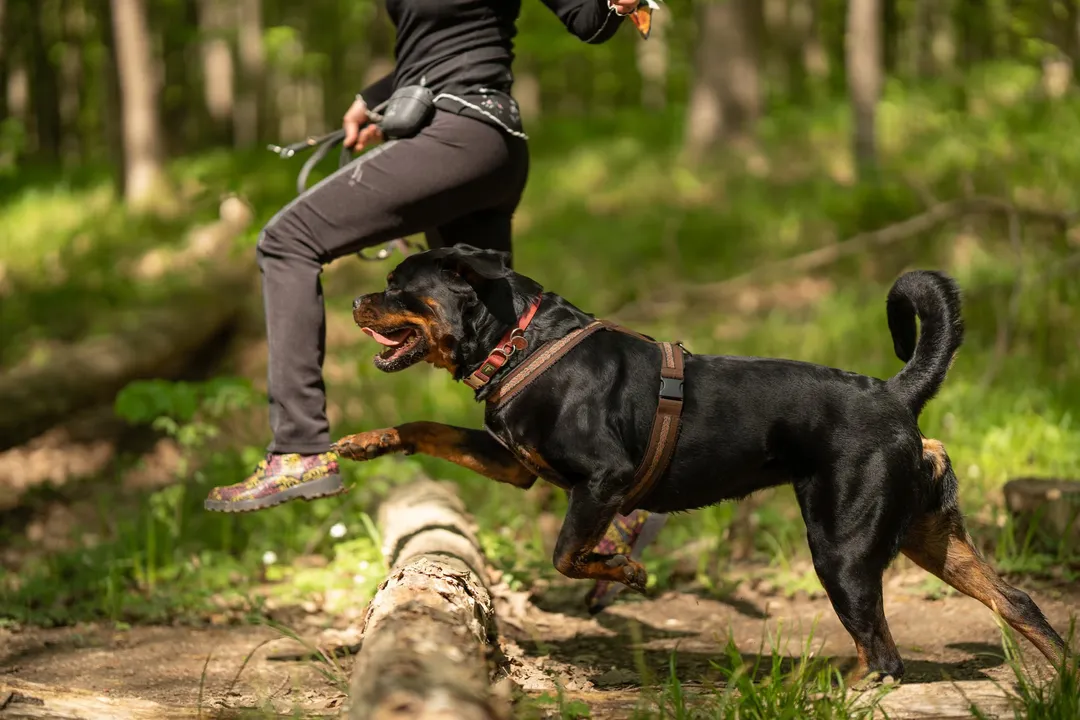
Caring for a Rottweiler involves understanding that you are managing a dog bred for power, intelligence, and work, meaning their daily requirements extend far past simply filling a food bowl and letting them out in the yard. These dogs need a consistent, structured routine that addresses their significant physical drive, deep need for mental stimulation, and strong desire to be integrated into their human family structure. [3][7] Neglecting any of these areas often leads to behavioral challenges, as a bored or under-exercised Rottweiler can easily become destructive or overly protective. [9]
# Activity Demands
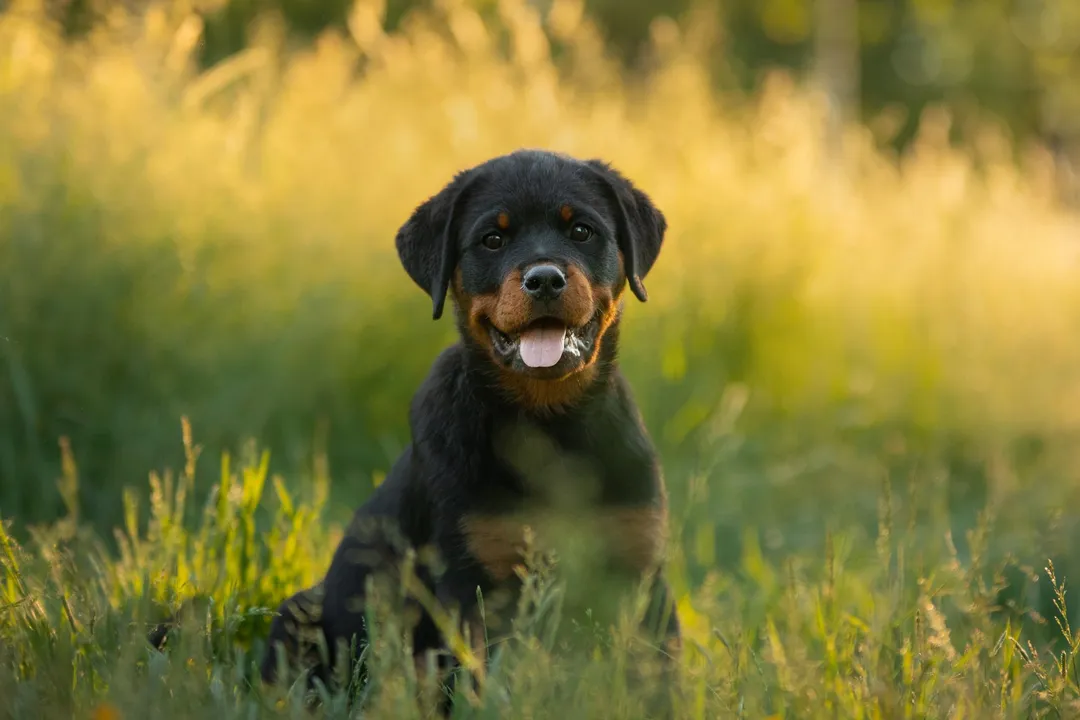
The physical requirements for a Rottweiler are substantial, reflecting their history as driving and guarding dogs. [7] While the exact time dedicated to exercise can vary based on the dog’s age, energy level, and individual health, a baseline of significant physical activity is non-negotiable for maintaining muscle tone and managing their powerful build. [3][9] Many owners report that simply meeting a minimum standard isn't enough; a Rottie needs activity that truly tires them out, both physically and mentally. [2] Some owners find that two solid 30-minute walks daily are the minimum, while others report needing closer to an hour or more of vigorous activity split throughout the day. [2]
It is helpful to differentiate between mere movement and true exercise. A short constitutional walk around the block might satisfy the need to potty and stretch the legs, but it rarely satisfies the working drive these dogs possess. [7] To truly meet their daily need, owners should strive to incorporate activities that require them to use their brains alongside their bodies. For instance, instead of just a long, rambling walk, try incorporating structured training sessions where the dog has to focus on commands like "heel" or "stay" while moving through a mildly distracting environment. This combination of physical exertion and cognitive load prevents the dog from simply zoning out while walking, which is often when problematic guarding behaviors can start to manifest simply due to lack of engagement. [3] A physically tired Rottweiler is a good dog, but a mentally satisfied Rottweiler is a happy companion. [7]
# Daily Fuel

Nutrition is a critical daily component, especially considering the breed's tendency toward specific orthopedic issues and the need to maintain lean body mass. [9] Rottweilers thrive best on a high-quality diet formulated specifically for large or giant breeds. [1][6] This specialization is important because these large-breed formulas are designed to support the long-term health of joints, which can be prone to problems like hip and elbow dysplasia. [9]
When selecting food, whether commercial kibble or a raw diet, the focus should be on high levels of quality protein and moderate, healthy fats to support their strong musculature. [1][4] If you are feeding a raw diet, the daily calculation needs careful attention to bone, meat, and organ ratios to ensure complete nutritional balance, something that is often pre-calculated in reputable commercial large-breed foods. [4] Monitoring portion size daily is essential; overfeeding is a significant risk factor for accelerated joint problems in large breeds. [9]
Owners must also be aware of bloat, or Gastric Dilatation-Volvulus (GDV), a life-threatening condition that Rottweilers are predisposed to. [6] While the exact daily prevention routine involves more than just feeding practices, how you manage mealtime contributes significantly. Instead of giving one massive meal, splitting the dog's daily requirement into two smaller, scheduled meals can help reduce the risk associated with gulping food too quickly or over-exercising immediately after eating. [6] Furthermore, watching for signs of discomfort after meals—like pacing, restlessness, or retching—must become a standard part of the daily health check.
# Mental Engagement

Beyond physical activity, the intelligence of the Rottweiler demands daily mental work to keep their minds sharp and focused appropriately. [3][7] These dogs are eager to work and learn, but if that energy isn't channeled into constructive tasks, they will find their own—which rarely benefits the household. [9]
A simple, highly effective daily practice involves structuring short training bursts across the day rather than relying on one long session. Think of it like micro-dosing obedience training. For instance, before you offer breakfast, ensure your dog performs five different commands perfectly, perhaps taking a minute or two between each to reset. This reinforces that everything good—food, walks, attention—comes after they have focused on you and followed direction. [3] This subtle daily reinforcement builds a stronger bond and keeps them attentive to cues in high-excitement situations.
Socialization is another daily need, though it evolves as the dog matures. While puppyhood is the critical window for exposure, maintaining a level of controlled, positive interaction with new sights, sounds, and appropriate people throughout adulthood is vital for keeping their protective instincts balanced and appropriate. [3][7] Never stop introducing them calmly to new, safe environments.
# Basic Upkeep
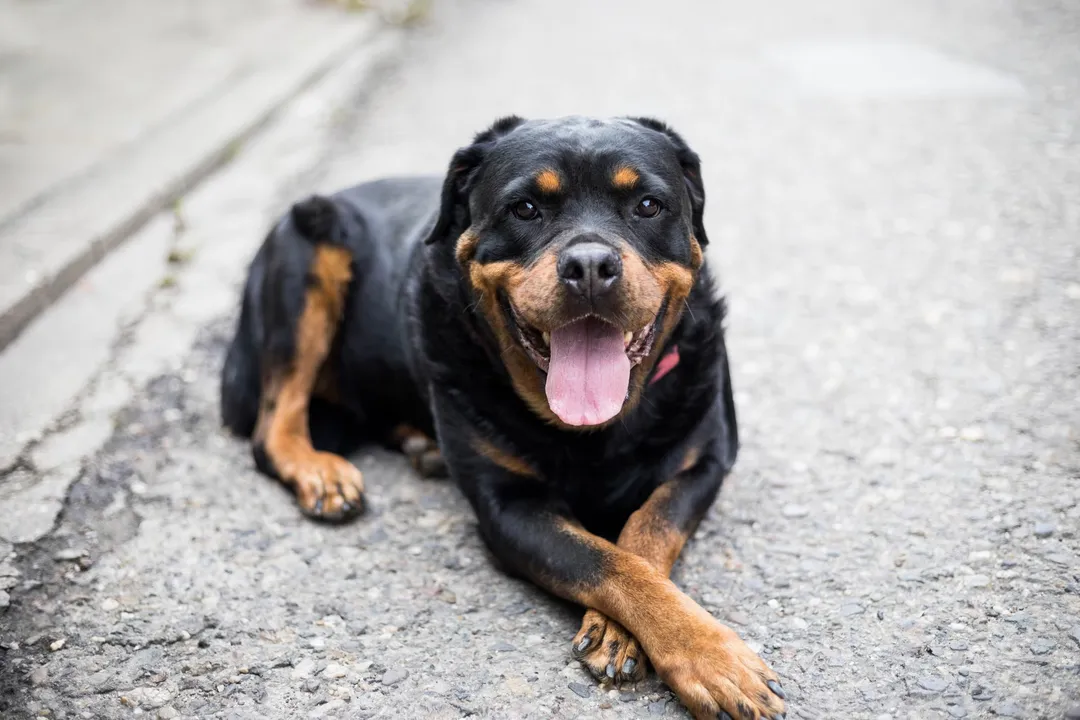
Routine grooming and preventative health checks are core daily tasks that support long-term wellness. [6] Rottweilers have a moderate coat that sheds regularly, with heavier seasonal "blows" twice a year. [3] Daily or every-other-day brushing during shedding seasons is necessary to manage the dead hair and keep the skin healthy, preventing itchiness or irritation that could lead to scratching and secondary skin issues. [6]
Check the ears daily or every few days, especially after water-based activities, as their deep-set ears can trap moisture, creating an environment ripe for yeast or bacterial infections. [9] A quick visual inspection and scent check are simple additions to the morning routine. Similarly, checking paws for any debris, small cuts, or irritation, especially after walks on rough pavement or trails, is a good habit to develop. [6]
While major vet checks are annual, observing the dog’s daily outputs and activity levels provides essential data. Any sudden decrease in mobility, unusual stiffness when rising, or reluctance to use stairs should trigger an immediate call to the veterinarian, as early intervention for orthopedic issues is key for this breed. [9]

# Companionship Needs
Perhaps the most often underestimated daily requirement for a Rottweiler is consistent, meaningful interaction with their primary human family. [3][7] These dogs were historically bred to work in close proximity to people, acting as drovers and guardians, which means they possess a strong desire to be involved in family activities. [7][9] They are not generally suited to being relegated to a backyard kennel or left alone for eight to ten hours every day. [3]
Isolation leads to boredom, anxiety, and often redirected destructive behaviors or excessive guarding behaviors directed at anything moving past the fence line. [9] Providing daily, non-structured companionship—such as simply having the dog lie quietly near you while you work, or allowing them to supervise dinner prep—is just as important as the high-energy play sessions. They need to feel like they are part of the pack’s daily rhythm. [3] Understanding this deep attachment prevents owners from accidentally creating a behaviorally sound dog in a physical sense, but an emotionally anxious dog that constantly seeks reassurance or protection tasks unnecessarily.
Related Questions
#Citations
Best Dog Food for Rottweilers: A Complete Guide
How much do you exercise your Rottie? : r/Rottweiler - Reddit
Rottweiler Dog Breed Guide: Care & Training | BorrowMyDoggy
Rottweiler Feeding Guide - ProDog Raw
What do you feed your Rottweiler? - Facebook
Rottweiler Care Guide: Diet, Training, Health & Grooming Tips
Owning a Rottweiler
What do Rottweilers love to eat? - Quora
Rottweiler Dog Breed: Health, Care, and Training | PetMD