What are the disadvantages of the Eclectus parrot?
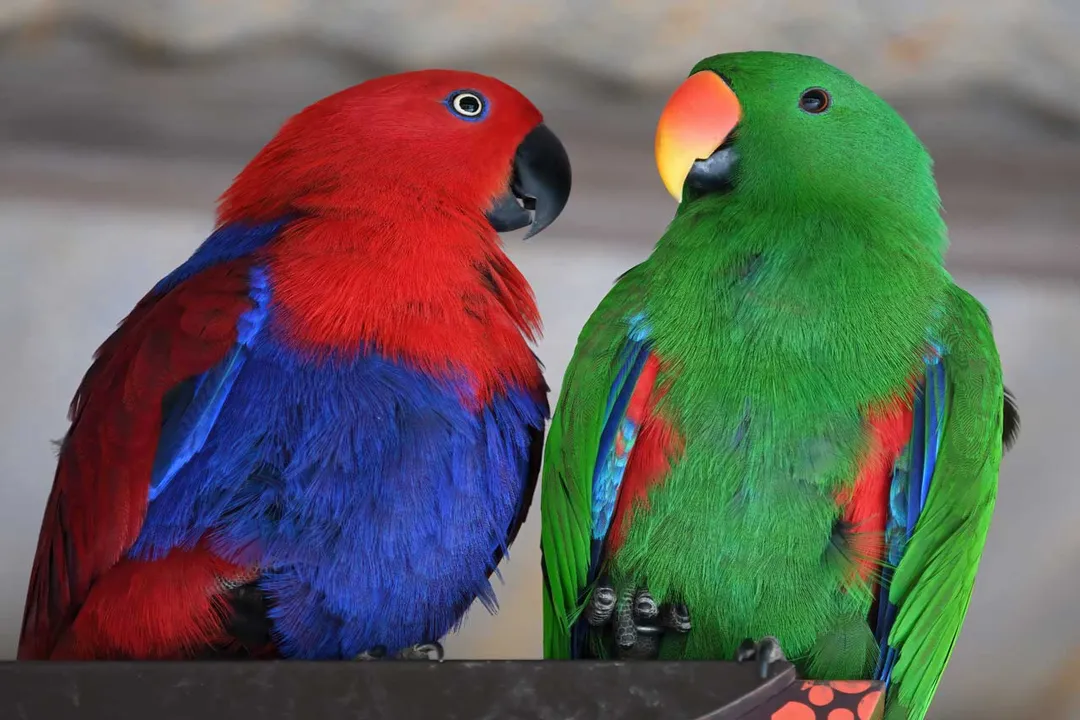
The Eclectus parrot, with its stunning, vibrant plumage—the male a brilliant green, the female a deep crimson and violet—is often pictured as the perfect avian companion. However, anyone considering bringing one of these unique birds into their home must look past the immediate visual appeal and seriously consider the specific challenges inherent to their species. While they offer charm and intelligence, Eclectus parrots possess several disadvantages that can make them unsuitable for the average or first-time bird owner. [8]
# Specialized Diet Needs
Perhaps the most critical and frequently cited disadvantage of keeping an Eclectus parrot relates directly to its nutritional requirements. These birds are not adaptable generalists when it comes to food; they are highly specialized eaters whose biology demands a precise diet that differs significantly from many other popular pet parrots. [8][10] Their natural diet in the wild is rich in fruit, nectar, and seeds found in specific tree species, a context that is difficult, if not impossible, to perfectly replicate in a home setting. [2]
The consequence of mismanaging this diet can be severe. Owners must dedicate significant time and attention to formulating a correct food blend, often involving a base of high-quality pellets supplemented heavily with fresh fruits and vegetables. [2][8] If their diet is incorrect, Eclectus parrots are prone to developing serious health problems quickly, including kidney and liver issues. [2][9] They are known to be quite sensitive and finicky about what they consume, meaning that introducing new foods or making sudden dietary shifts can result in refusal to eat, leading to immediate concern for the bird’s well-being. [3] For potential owners, this translates to a non-negotiable, time-consuming, and sometimes frustrating daily routine centered entirely around meal preparation and monitoring. It’s important to recognize that while the upfront cost of acquiring an Eclectus may seem manageable, the ongoing investment in high-quality, appropriate nutritional components—including specific fruits and vegetables that may need sourcing—can represent a substantial, long-term financial commitment that owners must budget for consistently. [1][2]
# Temperament Sensitivity
Eclectus parrots possess temperaments that require a very specific type of human interaction and environment, making them notoriously difficult for some households. They are often described as being sensitive creatures. [7][8] One significant issue for multi-person households is their strong tendency to bond intensely with a single individual, sometimes becoming very possessive or aloof toward others in the family. [1][3][10] This singular attachment can create tension or make the bird seem unresponsive or unfriendly to other caregivers. [3]
Furthermore, their sensitivity extends to how they react to their surroundings and discipline. Owners must approach training and handling with extreme care, understanding that harsh discipline or sudden environmental changes can provoke negative reactions, potentially leading to behavioral problems like feather plucking if they become stressed or bored. [7][10] They are not robust birds that bounce back easily from poor handling; rather, their emotional state seems deeply tied to environmental consistency. [8] While some owners experience a sweet, quiet companion, others might find their bird distant or less interactive with anyone outside their chosen person. [10] This means that a potential owner must be prepared not just for a pet, but for a bird that dictates a high degree of structure and predictability in its social environment.
# Vocalization Patterns
In many ways, the Eclectus is touted as a quieter parrot compared to species known for constant noise, such as Cockatoos or Amazons. [2] This characteristic is often cited as a benefit. [8] However, this quiet nature comes with a caveat: when they do decide to vocalize, it can be startlingly loud. Some descriptions of their vocalizations include labeling them a "terrible scream". [10]
The disadvantage here is the unpredictable nature of the quiet. A day might pass with minimal noise, lulling an owner into a false sense of security, only to be interrupted by extremely loud calls, perhaps due to excitement, anxiety, or seeking attention. [1][8] For those living in apartments or close quarters, this sudden volume can still pose a significant issue, even if the frequency of the noise is lower than other large parrot species. Managing owner expectations around vocal volume is essential, as the quiet periods do not guarantee an absence of piercing calls when they do occur. [2]
# Health Vulnerabilities
Beyond the general health risks associated with improper diet, Eclectus parrots are known to be susceptible to certain specific avian diseases, which presents a serious risk factor for potential owners. [9] Owners must be hyper-vigilant about hygiene and sourcing, as many of these conditions are highly contagious or fatal. [9]
Specific conditions frequently mentioned include:
- Psittacine Beak and Feather Disease (PBFD): A highly contagious and devastating viral disease for which there is no cure. [3][9]
- Polyomavirus: Another serious viral threat that can affect the bird's health severely. [3][9]
- Aspergillosis: A common fungal infection, particularly problematic in humid environments or when birds are stressed or immunocompromised. [9]
- Chlamydiosis (Psittacosis): This is a significant concern because it is zoonotic, meaning it can be transmitted to humans, requiring immediate veterinary intervention if suspected. [9]
Because of these specific susceptibilities, sourcing an Eclectus from a reputable breeder or rescue is even more crucial than with other birds. Any perceived savings on an initially cheaper bird can be instantly negated by the devastating costs—both financial and emotional—of treating or managing a chronic or terminal disease like PBFD. [3] This constant awareness of potential serious illness adds an element of stress to ownership that may not be as pronounced with hardier species.
# Upkeep Demands
While some sources imply a lower maintenance profile due to their relative quietness, the reality is that Eclectus parrots impose demands in other areas of upkeep. They are often described as very messy birds. [1] Their diet, being high in fresh produce, contributes significantly to droppings that can quickly soil their cage environment, requiring more frequent and thorough cleaning than might be anticipated. [1]
Another unusual aspect of their physical upkeep relates to their oral hygiene. Some owners report that Eclectus parrots can suffer from bad breath, which is certainly not something typically associated with the allure of a new pet bird. [1] This might be linked back to their unique digestive system and diet, emphasizing that every aspect of their well-being requires specialized attention.
Considering the combined factors of specialized feeding, intense bonding requirements, and heightened sensitivity, the Eclectus parrot ultimately fails the test of being a "low-maintenance" bird, despite how they may be sometimes marketed. [2] They are certainly not the best choice for someone looking for a hands-off, easy-to-care-for companion bird. [8]
# Managing Ownership Expectations
To effectively manage the downsides associated with the Eclectus, prospective owners should adopt a framework centered on consistency and prevention. Since these birds thrive on routine and become possessive if boundaries are not set early, establishing a predictable schedule for feeding, interaction, and quiet time is vital. [7] If you notice your Eclectus showing signs of stress—such as feather plucking or undue aggression toward a family member—the first place to check must be the diet, followed immediately by assessing the consistency of the daily routine. [10][8]
For those dedicated to providing the right environment, understanding the why behind the downside is helpful. For instance, their strong preference for one person isn't necessarily malice toward others; it often stems from their biology favoring a singular, dependable flock mate. [1][3] The owner’s task is not to break this bond but to safely manage its expression so it doesn't become destructive. This often means having the "bonded" person handle the necessary restrictive care (like vet checks or cage cleaning involving the secondary person) to gently introduce desensitization without causing significant distress to the bird. Recognizing these inherent traits allows an owner to proactively structure their home life around the bird’s needs, transforming potential disadvantages into manageable parameters rather than insurmountable problems. [7]
#Videos
what it's really like owning an Eclectus parrot + facts
Related Questions
#Citations
What is the good and bad of eclectus parrots? - Parrot Forum
Eclectus Parrot Concerns
Looking for info on Eclectus! (Give me the good the bad ...
Pros & Cons of #eclectus by popular demand #rescuebird ...
what it's really like owning an Eclectus parrot + facts
For anyone who is thinking about getting an eclectus parrot ...
What one must NOT do with eclectus parrots
Considering an Eclectus Parrot? Here's What Bird Owners ...
Common medical conditionsnd diseases in parrots
The Good The Bad and The Ugly about Eclectus Parrots